
Learning & Teaching News

Supporting Homework Success for Students with ADHD and Autism
At St Peter’s College, we recognise that every student learns differently. For families supporting a young person with Attention-Deficit/Hyperactivity Disorder (ADHD) or Autism Spectrum Disorder (ASD), homework and study can sometimes feel more challenging than they do for other students.
While every child is unique, research suggests that many of the same strategies that support students at school can also make a significant difference at home. Recent guidance from the Australian Education Research Organisation (AERO) highlights the importance of structure, explicit instruction, visual supports, routines, and reducing unnecessary distractions when supporting Autistic students and students with ADHD.
Focus on Routine, Not Duration
One of the most effective ways to support homework completion is to establish a predictable routine. Rather than focusing on how long a student studies for, focus on when and where study happens. A consistent study location and regular homework time can reduce the mental effort required to get started.
For some students, a shorter, focused study session with planned breaks may be far more productive than a longer period spent at a desk.
Break Tasks into Smaller Steps
Large assignments can feel overwhelming. Help your child break tasks into smaller, manageable chunks. Instead of asking, ‘Have you finished your assignment?’, try focusing on one step at a time:
Read the task sheet.
Highlight key instructions.
Create a plan.
Complete one section.
Review the work.
Research consistently shows that breaking learning into smaller parts helps reduce cognitive overload and improves learning outcomes.
Use Visual Supports
Many students benefit from visual reminders rather than verbal instructions alone. Consider using:
Checklists
Calendars
Whiteboards
Study planners
Visual schedules
These tools can help students organise themselves, monitor progress, and build independence over time. Visual supports have been shown to improve engagement, transitions, and task completion for many neurodivergent learners.
Reduce Distractions Where Possible
Students with ADHD, and some Autistic students, can be particularly sensitive to environmental distractions. A quiet study space, reduced background noise, and limiting access to phones or gaming devices during study time can improve focus and reduce frustration.
For some students, noise-cancelling headphones or soft background music may also be helpful.
Celebrate Progress
Many students spend a significant amount of time hearing about what they need to improve. Parents can play an important role by recognising effort, persistence, and growth.
Rather than focusing only on marks or completed tasks, consider acknowledging behaviours such as:
Starting work independently
Staying focused for a set period
Using a planner effectively
Asking for help when needed
Specific praise helps students understand exactly what they are doing well and encourages them to repeat those behaviours.
Remember: Every Child is Different
Perhaps the most important message is that there is no one-size-fits-all approach. What works for one student may not work for another. The goal is not perfection, but finding routines and strategies that allow your child to experience success, build confidence, and develop independence.
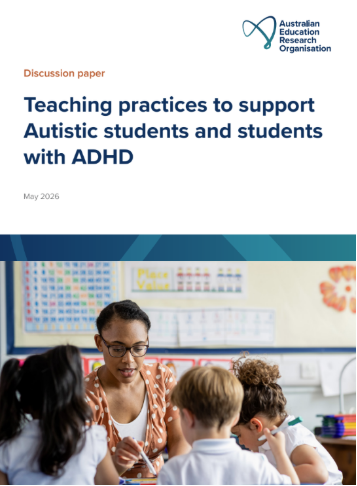
The suggestions in this article are informed by current Australian educational research, including recent guidance from the Australian Education Research Organisation (AERO) on supporting Autistic students and students with ADHD.
Stephens, K., Sutherland, L., Jeremy, J., & Ofei-Ferri, S. (2026). Teaching practices to support Autistic students and students with ADHD: Discussion paper. Australian Education Research Organisation.
Year 10 and 11 Exams
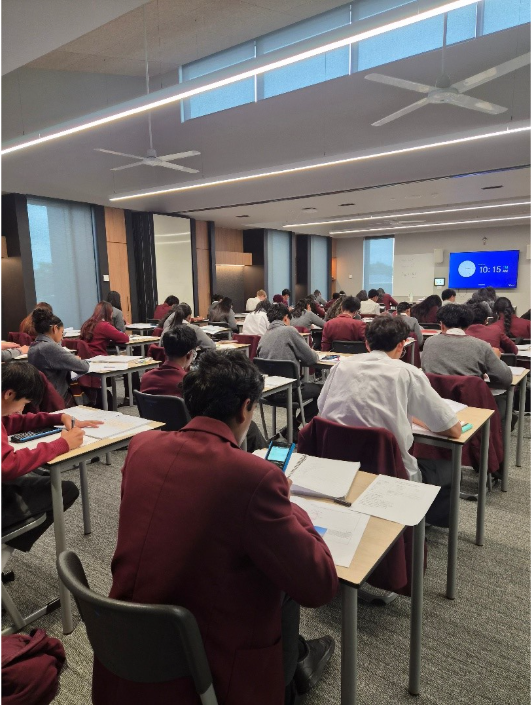
This week, our Year 10 and Year 11 students commenced their Semester Examinations.
Exams provide students with an opportunity to demonstrate their learning and apply the knowledge and skills they have developed throughout the semester.
They also help students build important habits such as preparation, organisation and perseverance.
I would like to congratulate our students on the positive way they have approached the examination period so far. Across both campuses, students have been well-prepared, respectful of examination procedures, and focused on doing their best.
Thank you also to our teaching staff for the significant work that goes into preparing students for exams and supporting them throughout the semester.
We wish all Year 10 and 11 students every success as they complete their remaining examinations next week.
Mrs Jade Smith
Deputy Principal - Learning & Teaching