
Students & Wellbeing
Mr Ian Thompson
Students & Wellbeing
Mr Ian Thompson
The question I am asked most as a pastoral care leader is “What is resilience?”.
While not always easy to answer with appropriate context, the dictionary says:
Resilience is the ability to adapt, recover and grow stronger when faced with challenges, setbacks or unfamiliar situations.
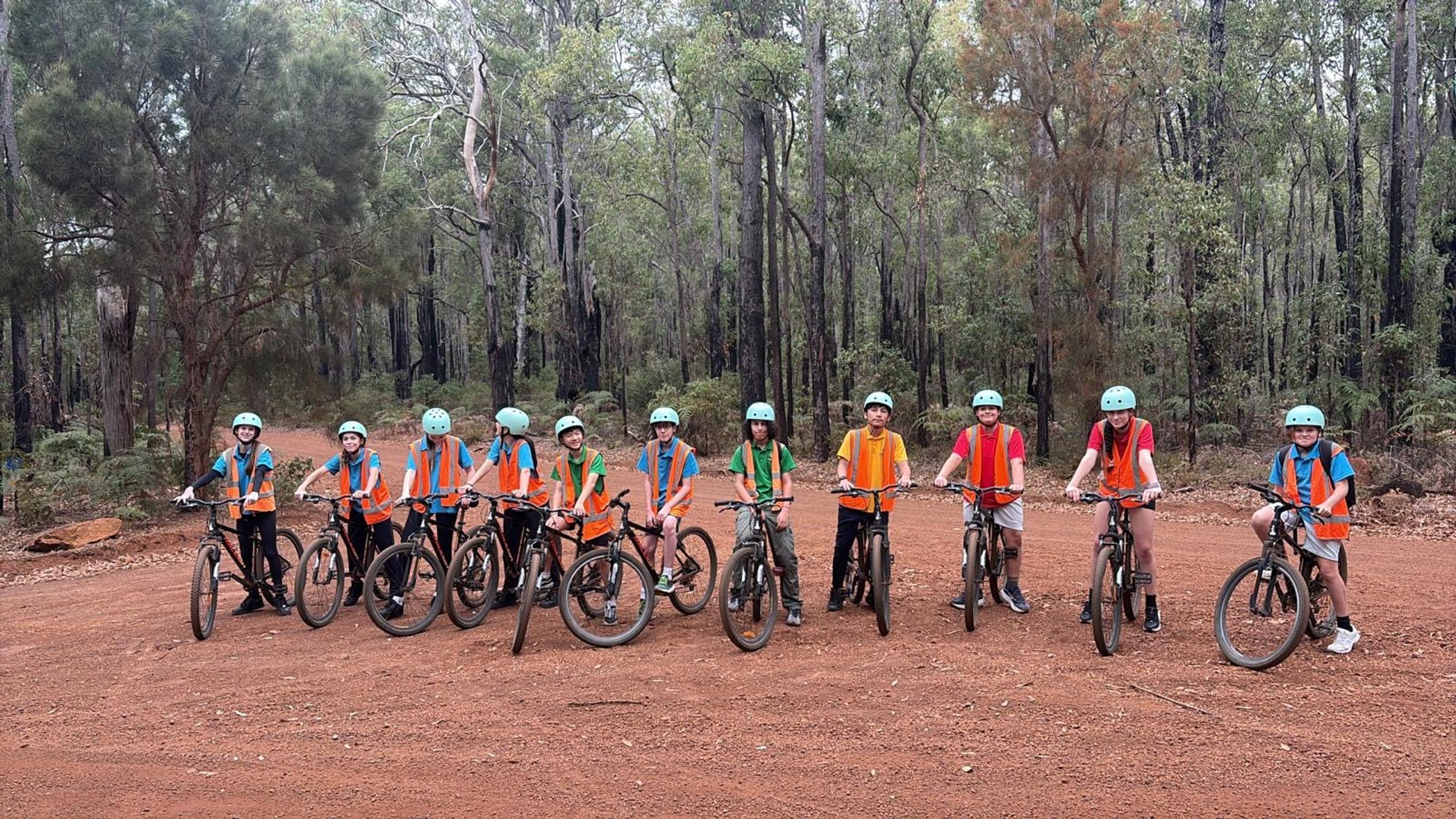
It was my privilege to witness resilience in action last week at Year 8 Camp. Which leads me to another question I am often asked, particularly by students – “Why do we have to go on camp?”. This is my response to both questions using school camp as the context . . .
School camps provide a valuable setting in which this quality can be developed, offering benefits that extend well beyond the classroom. Removed from their usual routines, students are encouraged to step outside their comfort zone and engage in new and often unfamiliar experiences. This fosters independence, as they learn to manage themselves, make decisions and take responsibility without the immediate support of family.
A key benefit of school camps is the strengthening of relationships. Shared challenges—such as outdoor activities, team-building exercises and problem-solving tasks—create a sense of connection and trust among peers. Students who might not ordinarily interact are given the opportunity to collaborate, breaking down social barriers and building a stronger sense of belonging. Time spent with teachers in a less formal setting also helps to develop more positive and respectful relationships.
Importantly, camps are a powerful context for building resilience. Students encounter physical challenges, moments of discomfort and situations that require perseverance. By working through these experiences, they begin to understand that difficulty is a natural part of growth. Successfully navigating these challenges builds confidence and reinforces their ability to cope with adversity.
Camps also support wellbeing by offering a break from academic pressures and constant digital engagement. Time spent outdoors can improve mood, reduce stress and promote reflection. Students often return feeling refreshed, more focused and more connected to those around them.
Overall, school camps are a vital component of holistic education. They promote independence, strengthen relationships and develop resilience, equipping students with the skills and confidence to thrive in both school and life.
Resilience is not gifted at birth. It is learned and earned through experience. Our Year 8 students embraced this opportunity last week. Thank you to all the staff that facilitated this valuable experience.
Mr Ian Thompson
Dean of Students & Wellbeing