Wellbeing
We are excited to be continuing our partnership with Butterfly Body Bright, a whole school evidence-based initiative of the Butterfly Foundation that aims to promote positive body image in all students so they can thrive socially, emotionally and academically.
The Wellbeing team, students have been undertaking a range of activities as part of our Health & Wellbeing Unit in Term 2 to help deepen our understanding and encourage meaningful conversations about our own bodies and those of others.
Families also play an important role in helping to promote positive body image in children. You might like to visit the Body Bright Families webpage to access resources that will help you foster healthy attitudes and behaviours towards the body, eating and physical activity, in your home.
Tip sheet sheets can also be found at www.butterflybodybright.org.au/resources
This program empowers our students to be:
- Brave in their bodies, by empowering them to stand up for their own bodies and for others.
- Resilient by strengthening their media literacy skills, by helping them to deconstruct and challenge the messages and images they hear and see.
- Inclusive of all bodies and knowing that bodies look and function differently … and that is something to celebrate - so that everyone feels like they belong in the world and our school community.
- Grateful for their body, focusing on the things it can do and appreciating themselves for their inner qualities and strengths so that they can see their worth and value, beyond their body shape and appearance.
- Happy in their bodies by engaging in fun and joyful movement, regularly.
- Thoughtful with their eating by helping children to learn to listen to their body cues, be mindful when eating, and to be curious and non-judgemental towards foods. These approaches can help to build a positive relationship with food and eating.

These approaches help build a positive relationship with food and eating, fostering a healthy body image. The program has been well received by students with reflections highlighting the building up of confidence, resilience and inclusivity. Overall, the Butterfly Body Bright Program will continue to make a significant impact on our students' health and wellbeing by promoting positive body image and healthy attitudes towards eating and physical activity.
The benefits of the program:
- Builds positive body image and self-esteem
- Supports mental health
- Encourages healthy behaviours
- Builds resilience to media and peer pressure
- Promotes inclusivity and respect
Butterfly Body Bright reflections
- Grade Prep “Body Bright is important because we learn about helping ourselves and others. We are also learning how to look after ourselves and be happy with what our bodies can do. It’s also important to stand up for ourselves and include everyone no matter what they look like.”
- Grade 1 "Body Bright helps us be grateful about our bodies and that we are able to do things that make us happy.
- It's important because we need to take care of ourselves and our bodies.”
- Grade 2 “Body Bright has taught us that all of our bodies are special and we should be brave by standing up for ourselves and others.”
- Grade 3 “The Body Bright Program has taught us to be Resilient. We can be the best version of ourselves and not want to be like others on TV.”
- Grade 4 “Being Inclusive is very important. No one wants to feel left out because of their appearance.”
- Grade 5 “The program teaches us to celebrate our bodies and enjoy all the amazing things they help us do, like running, dancing, playing, and learning. Everyone’s body is different and that is something to appreciate.”
- Grade 6 “We are learning to feel proud of our bodies and to respect other people’s bodies too. Everyone is different and unique and that is something to celebrate.”
Zones Of Regulation
Another key focus in Wellbeing is the ongoing use of Zones of Regulation check-ins, which have become an important part of our daily routine. These check-ins support both students and adults in recognising and managing their emotions effectively. By regularly identifying how we are feeling, we can respond to situations with greater awareness and self-control. Developing an understanding of our own emotions, as well as those of others, is essential, as emotions strongly influence our daily interactions and are closely connected to our behaviours.
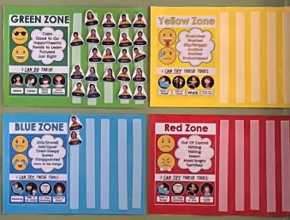
The Zones of Regulation reflections
- Grade Prep ”The Zones help us all learn new things when we are stuck. They also help keep us safe and happy and we have learnt different ways to take care of our feelings and emotions.”
- Grade 1 "The Zones are important because they remind us how we feel and what we can do to feel better. If you're mad or feeling bad you can think about what can calm you down.”
- Grade 2 “The Zones help us understand our feelings and we can use different strategies to help us.”
- Grade 3 “We are learning to notice when our feelings and emotions become too big and we need to use strategies that will help us get back in control.”
- Grade 4 “The Zones have helped us understand our feelings and emotions better. We are learning strategies to manage uncomfortable emotions.”
- Grade 5 “The zones have helped us work out what strategies work best for us and we are becoming better at controlling our emotions.”
- Grade 6 “The Zones have made us more aware of the importance of being able to regulate our emotions.”
Benefits of the Zones of Regulation:
- Helps us recognise and understand emotions
- Improves self-control and coping skills
- Supports communication using simple colour zones
- Reduces emotional outbursts and stress
- Helps focus and learning in school
- Encourages independence and problem-solving
- Creates consistent support between home and school
As part of our Health and Wellbeing program, we are continuing to build on the language and processes of the URSTRONG program to strengthen our focus on positive peer relationships.
URSTRONG is an evidence-based wellbeing and friendship program that equips children with the skills and language needed to develop healthy, positive relationships. Through engaging lessons and practical strategies, students learn to recognise different types of friendships, manage conflict respectfully, identify healthy and unhealthy behaviours and respond effectively to friendship challenges.
Students are also supported to develop self-awareness and emotional regulation, helping them understand their own feelings as well as the perspectives of others. They learn how to communicate clearly, set personal boundaries, show empathy, and make responsible choices in social situations. These skills are reinforced through role-playing, class discussions, and real-life scenarios, allowing students to practise and apply their learning in meaningful ways.
The program will provide students with clear tools and a shared language, enabling them to support one another, solve problems independently, and build social confidence. It will also encourage students to seek help appropriately and to be active, positive contributors within their peer groups.
By developing these friendship and interpersonal skills, we are fostering a culture of kindness, resilience, inclusion and respect. This ongoing focus helps strengthen connections across our school community and supports students in feeling safe, valued and confident in their relationships both inside and outside the classroom.
Refer to the ABOUT URSTRONG flyer for information about the program.

The grades' focus for this term are:
Grade Prep
Topic 2: Personal and Cultural StrengthsTopic 3: Positive Coping
Grades 1, 3 & 5
Positive Coping
Grades 2, 4 and 6
Personal, Cultural Strengths
Personal and Cultural Strengths
Students develop a vocabulary to help them recognise and understand strengths and positive qualities in themselves and others. They identify the values and strengths they have learnt from role models within their families and culture to think about how this guidance helps them to treat others with respect. They consider how to draw on these strengths to engage with the challenges and opportunities that life presents.
Positive coping
Students develop language around coping, critically reflect on their coping strategies and extend their repertoire of positive coping strategies.
School Values
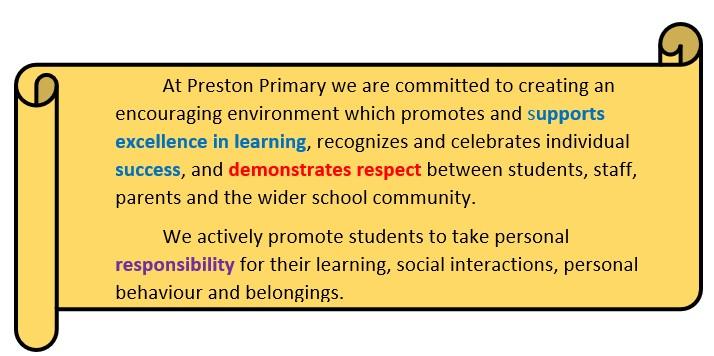
Our School Values of Respect, Resilience, Responsibility and Learning Success are central to who we are and what we strive for, both as individuals and as a community. They shape how we behave at school and influence how we act in our everyday lives beyond it. We are dedicated to reinforcing these values in our students, creating a positive and supportive environment that nurtures personal development and shared achievement.
Look after yourself and each other!
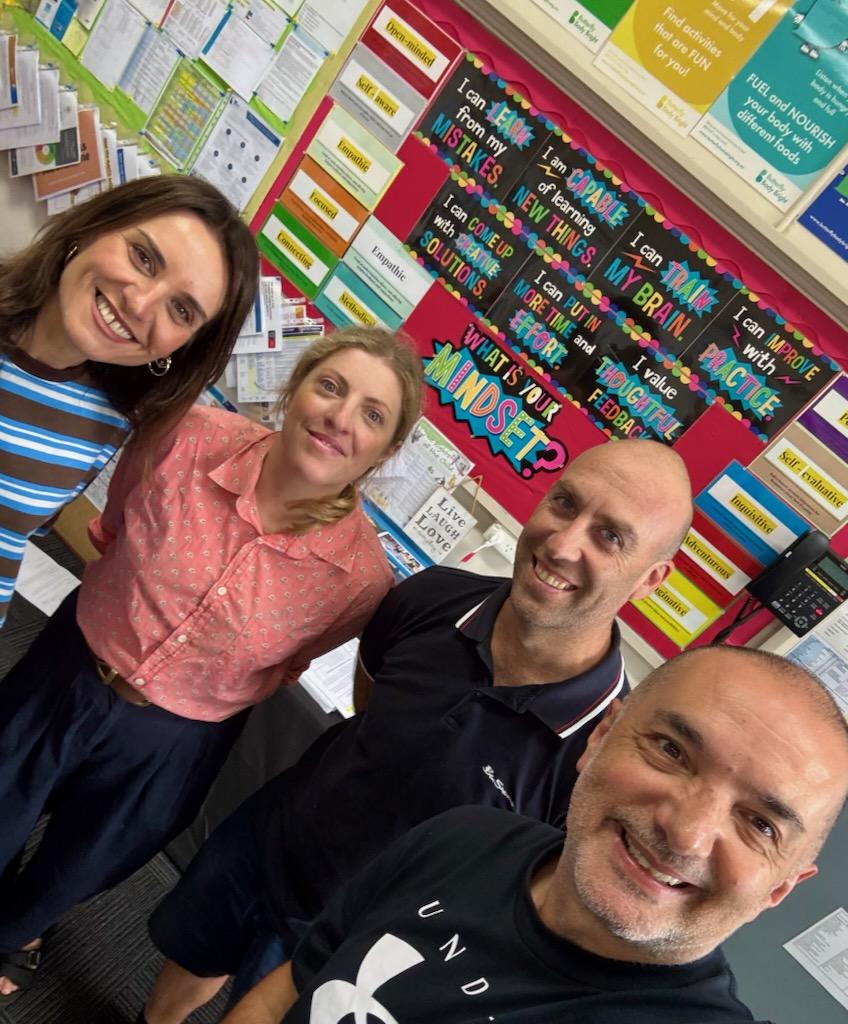
Mavra, Edwina, Jason and Joe
The Wellbeing Team