
Languages / International News

Beginning Of Term 1:
Languages / International News
Welcome to all our International Students
South Oakleigh Secondary College welcomes all our International Students and we congratulate them for the commencement of their studies in 2026.
We also extend a warm welcome to a number of new students joining us this year – Max Ruda, Roji Oh, Guangyunxi Jing, Seoyeon Lee and Shuyu Liu all from Year 7. Nolia, Olivia, Chao, Eason Lyra and Yuhang are also new joining us in Year 10.
Chinese New Year 2026 is the Year of the Fire Horse and begins on February 17, 2026, and ends on February 5, 2027. This year symbolizes rapid change, passion, and high energy, fostering boldness in career and relationships.


Kalouda Pelitidis
International Student Coordinator
Greek Faculty
Celebrating World Greek Language Day
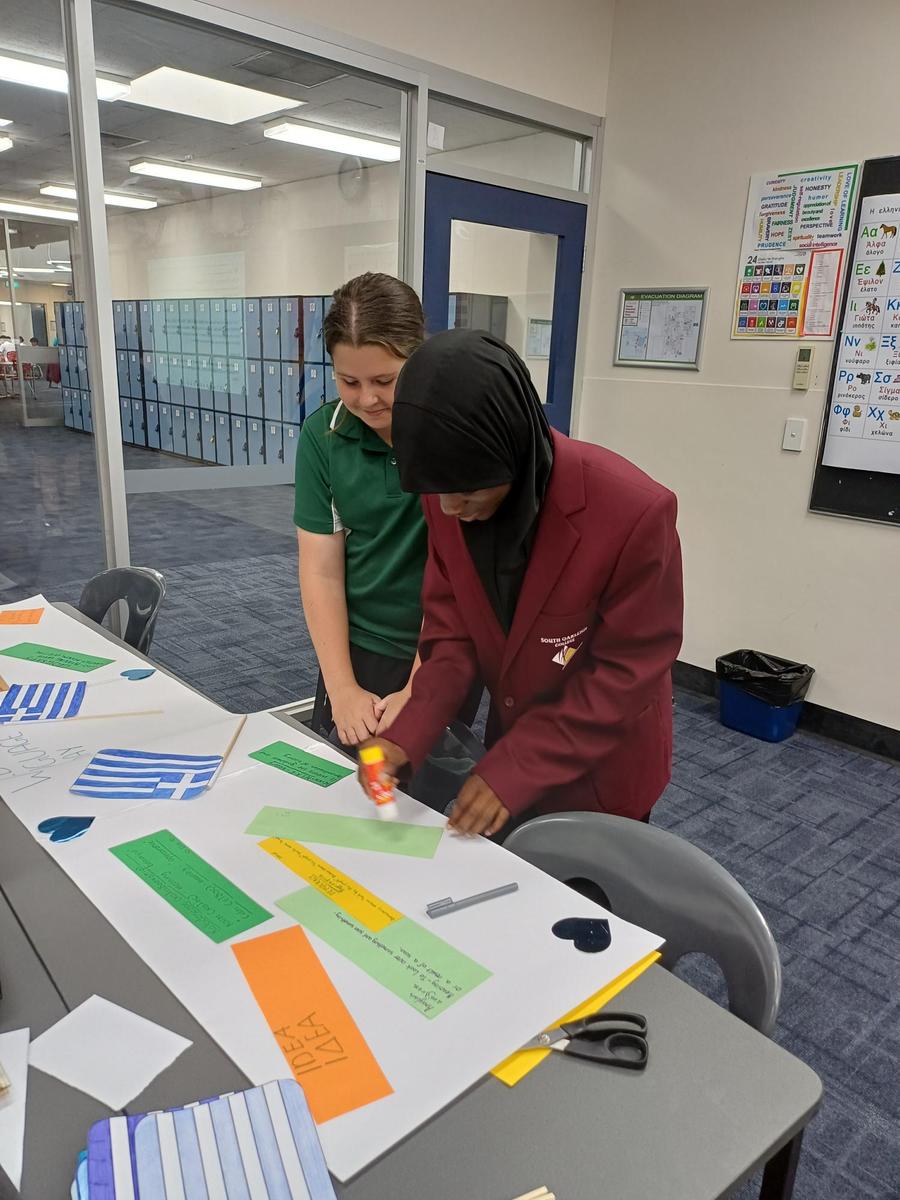
On 9 February, communities around the world observe World Greek Language Day, formally established by UNESCO in November 2025. This year marks the first official celebration of the day which recognises the historical and cultural significance of the Greek language and acknowledges its influence across the world.

Our students took part by exploring how Greek has shaped modern English through guided word hunts and small group discussions.
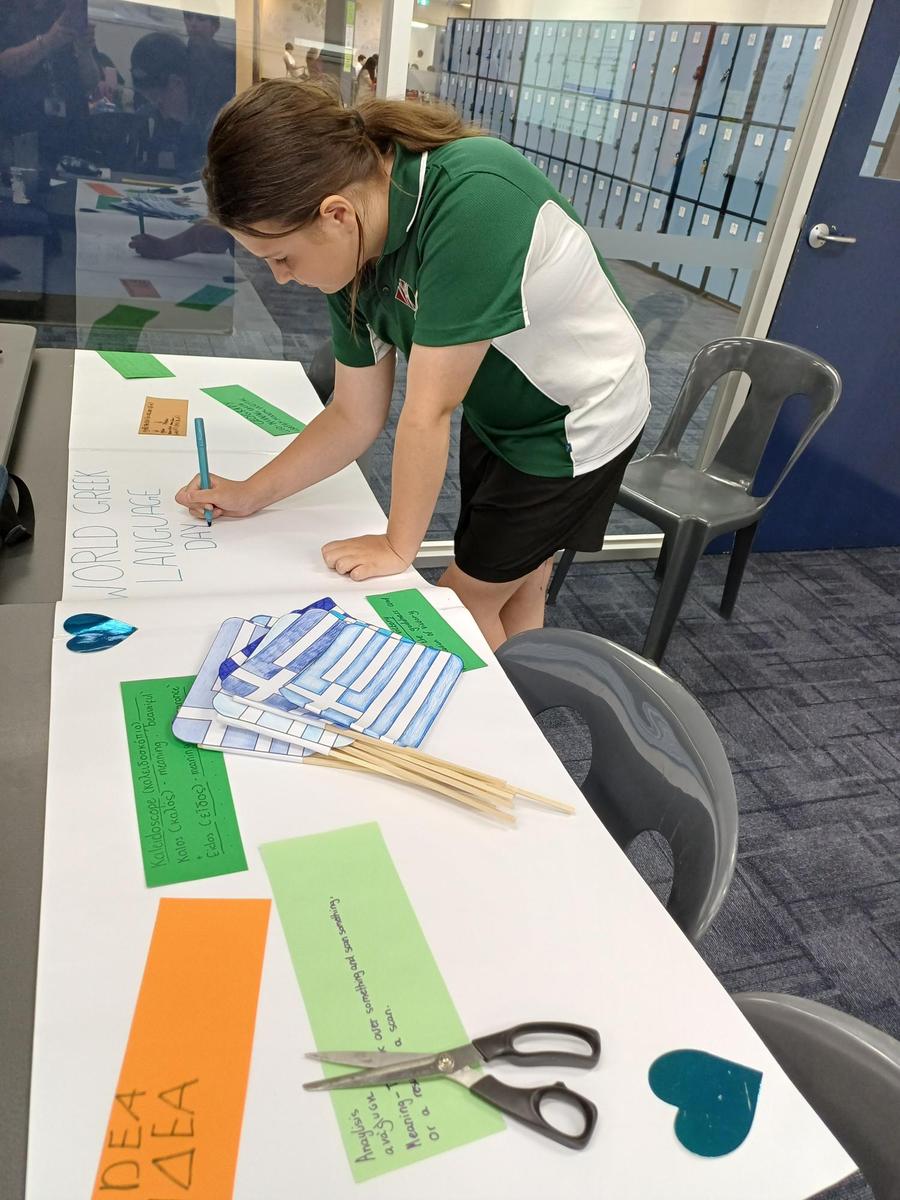
Students identified familiar terms with Greek origins such as democracy, biology and microphone and considered how these roots shape the meaning of words.
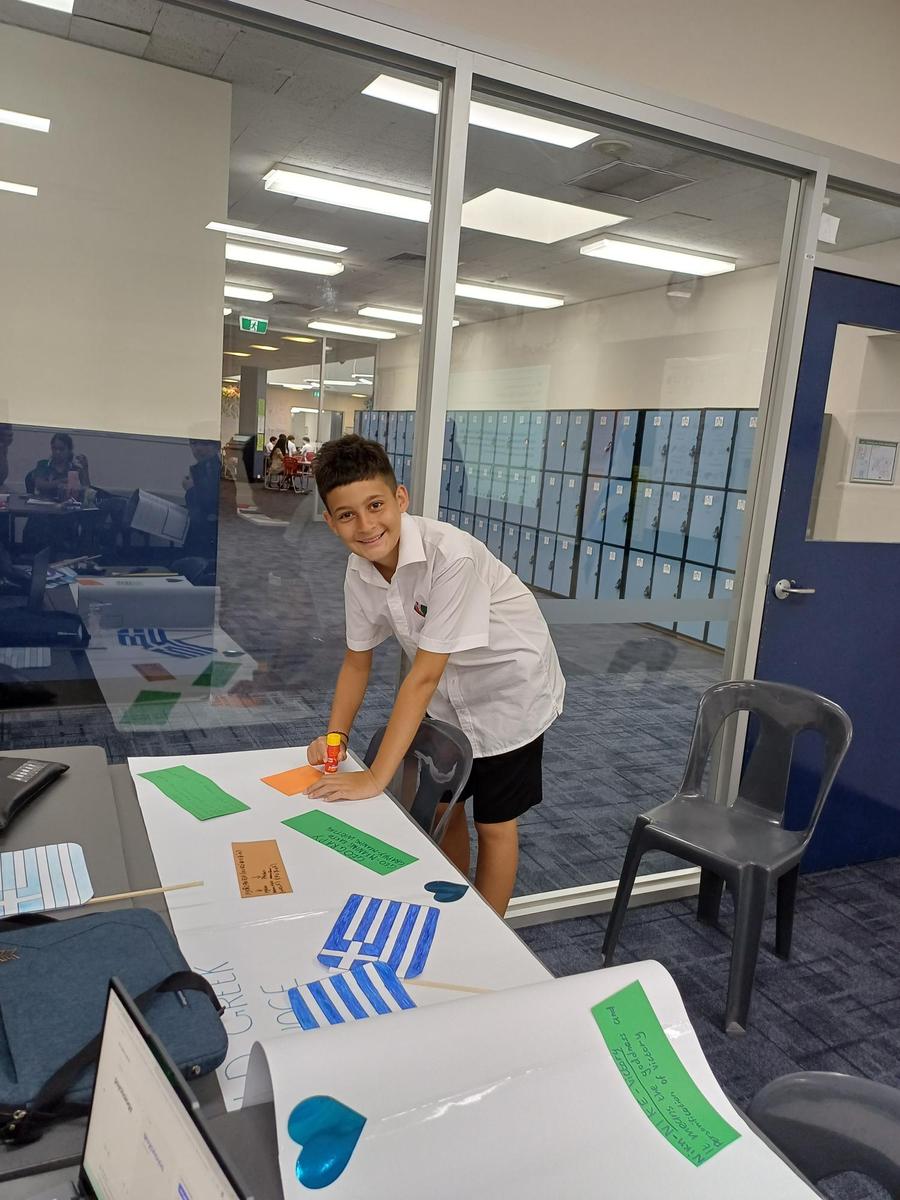
The activities offered a thoughtful opportunity for students to see how languages evolve and how Greek continues to influence the vocabulary we use today.
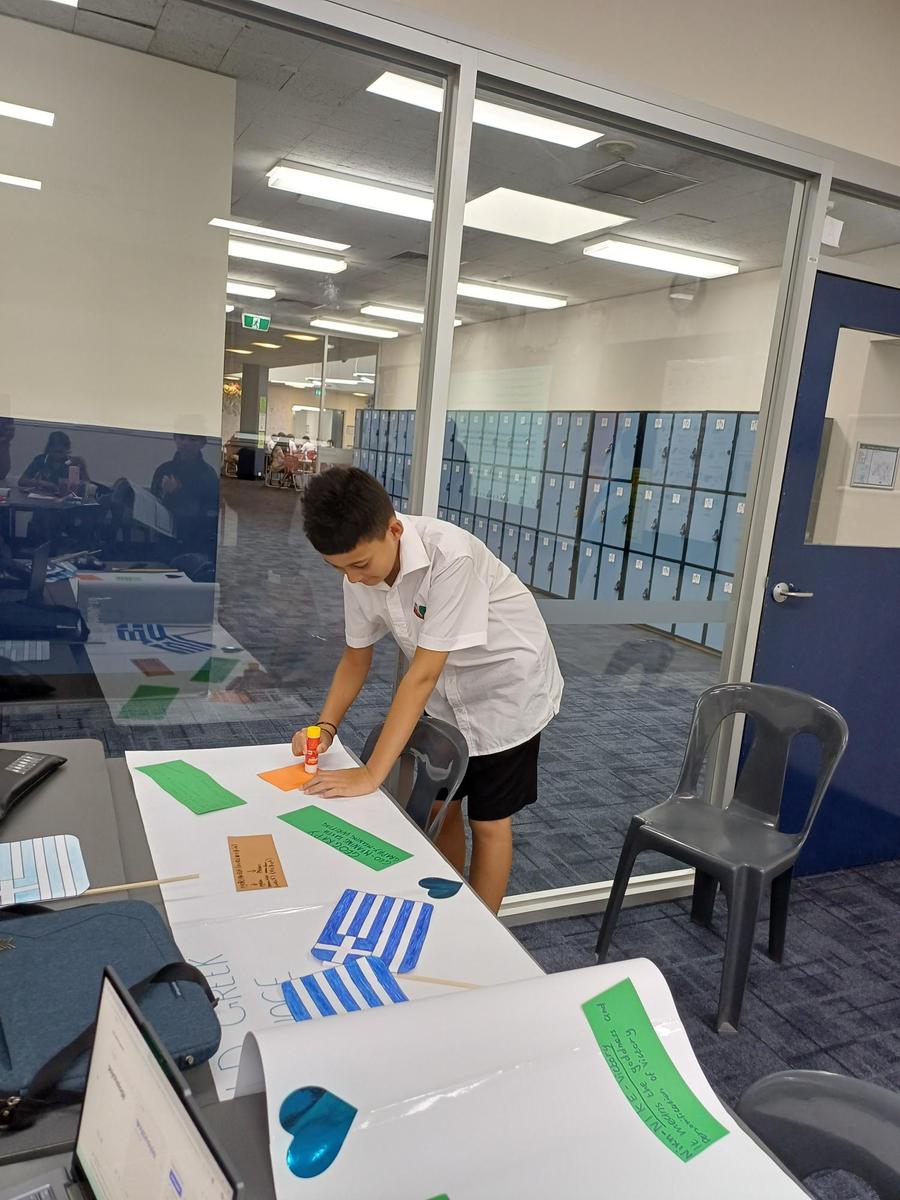
The day served as a gentle reminder of how language connects us to history, culture, and one another.
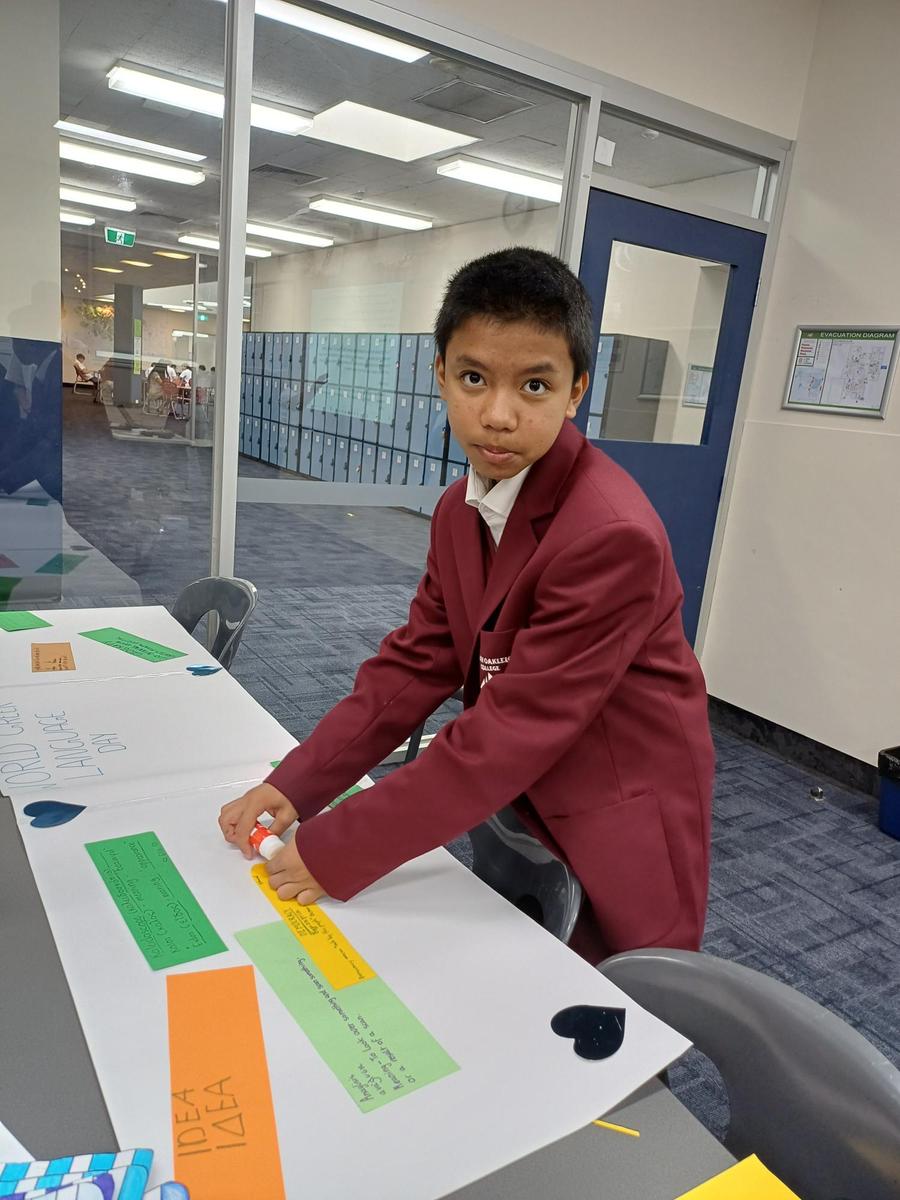
We look forward to continuing these explorations in the classroom and helping students recognise the many ways the past shapes the words and ideas we use today.

Maria Balalas
Classroom Teacher (Greek)
Japanese
Starting the Year Right with Learning Languages
On behalf of the Japanese team, あけましておめでとうございます!
Many of our students are starting the new year with us, endeavouring to either start or commence their studies of the Japanese language.
Whenever we think of learning a language -especially when it’s not our first -it can feel a bit overwhelming. However, at this very early stage of the year, the Japanese team want to make it clear that you don’t need to be a genius to succeed at your learning goals. Language learning is less about magic and more about momentum; in this article, I’ll provide some handy hints to set yourself up for a win in 2026.
1. Create your own study resources Whenever students start a new topic in their Japanese classes, we always start with the highlighted Kanji and list of vocabulary. The PowerPoints, textbooks, YouTube videos we also create and/or share are also helpful reference points throughout the course of a unit of work. How does a person manage all of this information? By summarising the key notes into formats that are easy to access. In terms of Japanese (as well as some other languages), we’d recommend:
· Vocabulary cards: These are created by writing the English translation on one side and the Japanese meaning on the other, though there should be additional brownie points if you keep them strewn around a keyring for safe keeping! Vocabulary cards are easy to flick through in those spare moments you have to yourself with nothing better to do, not to mention that the act of handwriting your notes increases the chances of storing new information as long-term memory.
· Recording your notes: If you’ve ever struggled with that one sentence structure, try to read through your notes and record the audio on your phone or another device. This also works with example phrases and sentences, too. These recordings can be played on repeat multiple times, especially in moments where you need to be hands-free, such as when you need to wash the dishes or walk the dog.
2. Build a Micro-habit The biggest mistake learners make is studying for three hours on a Sunday, cramming all of their learning from a unit of work over a single afternoon. For the brain to store all that important information long-term, you need to think of it as a muscle; they require consistent tension to truly grow.
· The 15-minute rule: A little bit of revision each day should allow for more effective storing of vocabulary and grammar. Flipping through vocabulary cards while waiting for the bus or listening to voice recordings of your target language should assist in memorisation.
3. Become an ‘active learner’, embrace the ugly phases of learning a language Learners of a language tend to give up their studies before they even start, simply because of the fear that they’d make mistakes. The goal of many trying to acquire another language is to one day be able to communicate with the people who speak it, however, reaching this goal can also be daunting and a source of anxiety. At the end of studying your vocabulary and grammar, you will eventually need to put it all together. That means to practise producing your own original sentences, and to be willing to make mistakes. Even if your sentences are in the wrong order, you should always congratulated for trying. Remember that every error is an opportunity to work closer to your goals, and that the only thing stopping you is your own fear.
A great way to circumnavigate those concerns is to reach out to those more experienced in your target language -especially those people you trust to be understanding of the fact that you will make mistakes -to gently provide feedback for your improvement.

Bonnie Tynan
Classroom Teacher (Japanese)