
Wellbeing
Fiona Dandie & Robert Pain
Wellbeing
Fiona Dandie & Robert Pain
2026 SWPBS Assessment Survey
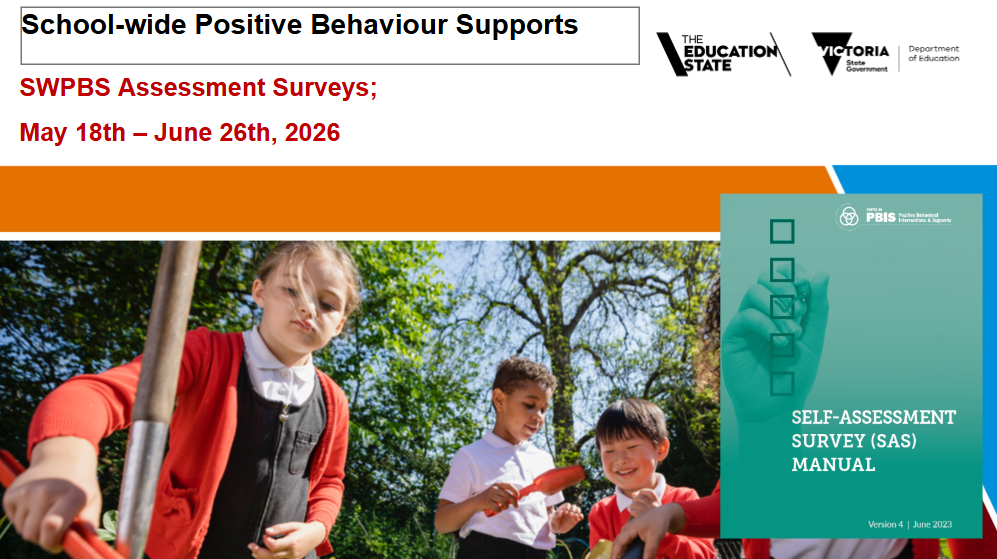
This term, all staff are participating in completing the 2026 DET SWPBS School Assessment Survey. The School Assessment Survey (SAS) is an assessment tool used by schools implementing SWPBS, such as Whittlesea Primary School, to identify staff perceptions of the implementation status and improvement priorities for School-wide, Classroom, Tier 2, and Tier 3 systems. The survey is conducted annually and is a core element of School-wide Positive Behaviour Support in Victoria.
The data collected from SAS provides our school leaders with an opportunity to review SWPBS implementation in our school and improve our practices. As a school, we have invested significant time in ensuring consistent SWPBS practices and routines.
When you enter your child's classroom, this is evident in the SWPBS displays you see and in the consistent language staff and students use, such as referring to the "school expectations", "Golden Tickets", and "Catastrophe Scale". Consistently referring to SWPBS language and artefacts, such as those, ensures all students share the same understanding of SWPBS at WPS.
What Is Anxiety? Anxiety is a normal emotion that everyone experiences. It can help us stay alert and prepared. But when anxiety becomes too strong or too frequent, it can interfere with a child’s learning, friendships and happiness.
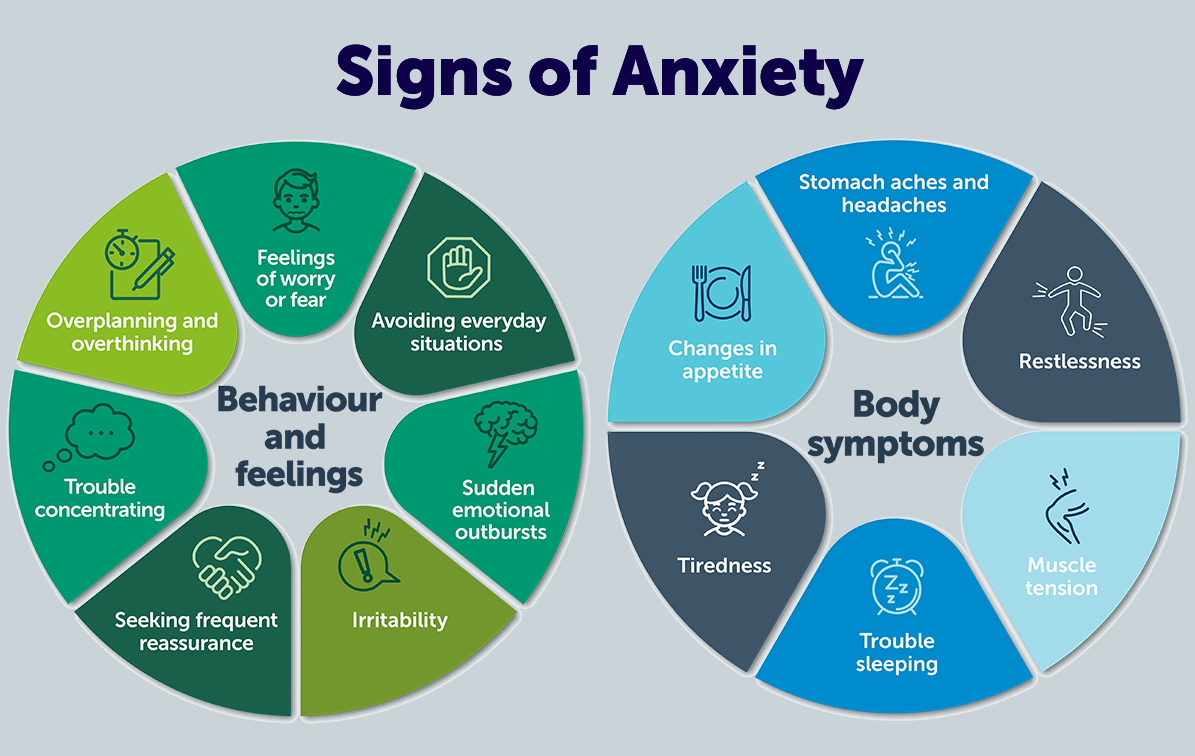
Some children may not have the words to describe how they feel. You might notice:
😟 Avoiding school, social events or activities
🤒 Tummy aches, headaches or feeling unwell often
🌙 Trouble sleeping or having frequent nightmares
😠 Irritability or sudden emotional outbursts
❓Asking for constant reassurance (“Will I be okay?”)
🌀Difficulty concentrating, appearing restless
If anxiety is stopping your child from enjoying school, making friends, or trying new things, it might be time to get help.
Start by chatting with your child’s classroom teacher or contacting the Wellbeing Team. We're here to support you and your child.
🌐 Beyond Blue: beyondblue.org.au
🌐 Raising Children Network: raisingchildren.net.au
📞 Kids Helpline (ages 5–12): 1800 55 1800
🌐 Be You (Mental Health in Schools): beyou.edu.au
🌐 The Royal Children's Hospital: Anxiety in children
🌐Child and adolescent mental health services: CAMHS