
Wellbeing
Fiona Dandie & Robert Pain
Wellbeing
Fiona Dandie & Robert Pain
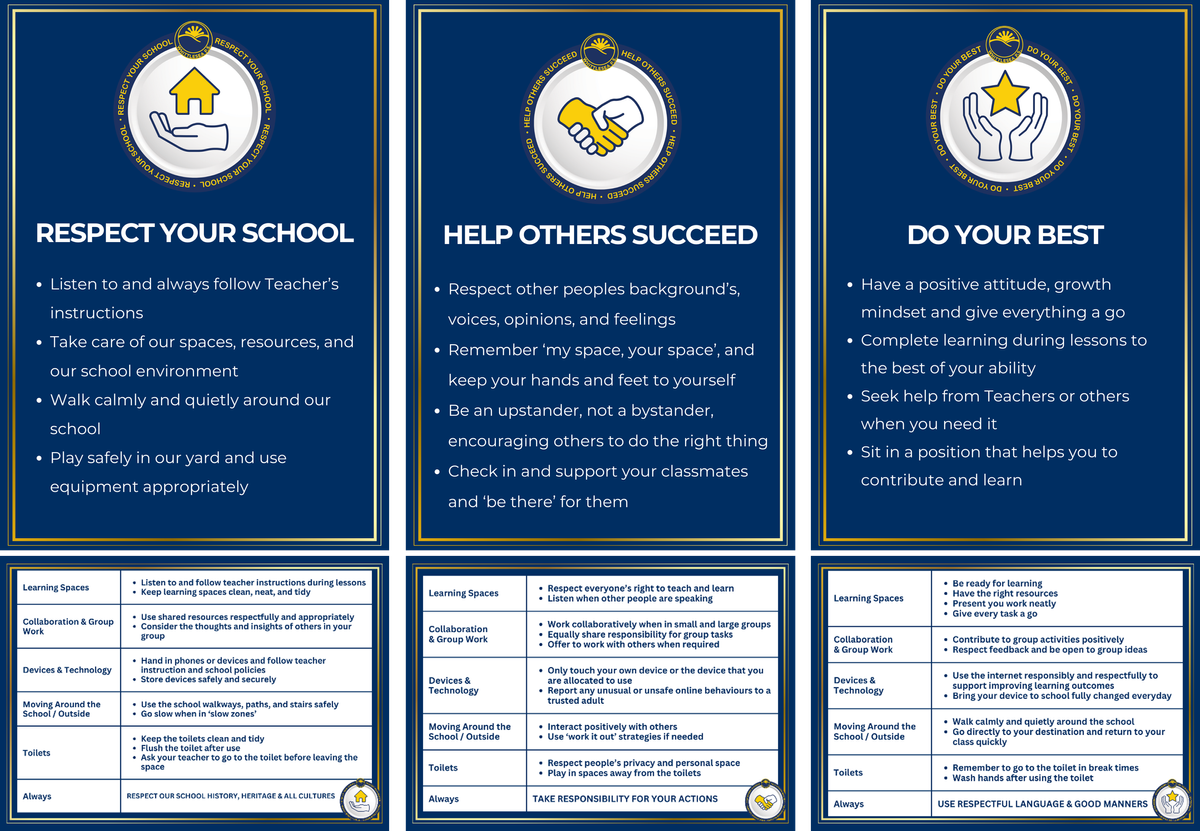
The School Wide Behaviour Expectation and Learning Matrices are charts that clearly communicate Whittlesea Primary School’s expectations for positive behaviours and learning in various school environments. They aid in teaching, modelling, and reinforcing the expected behaviours in the learning spaces, toilets, outside, gym, assembly, cyberspace and in the community. The Matrices help teachers, principals, aides, and parents consistently reinforce a set of key behavioural and learning expectations during students’ daily routines. When they are visibly displayed in the classroom and other settings, they help increase students’ understanding of school-wide expectations and offer specific examples of actions students can take to meet them.
At Whittlesea Primary School, we use several whole-school visual displays in our classrooms and school environments to show students our expectations and how to follow them. These include:
What They Are and How We Use Them Well
If you’ve walked into a classroom lately, you may have noticed small objects quietly being used in students’ hands—smooth stones, stress balls, tangles, or simple pieces of fabric. These are fidget tools, and when used well, they can make a real difference to a child’s focus, wellbeing, and learning.
Below is a quick guide to what they are, how they help, and how we manage them at school to ensure they support learning rather than distract from it.
What Are Fidget Tools?
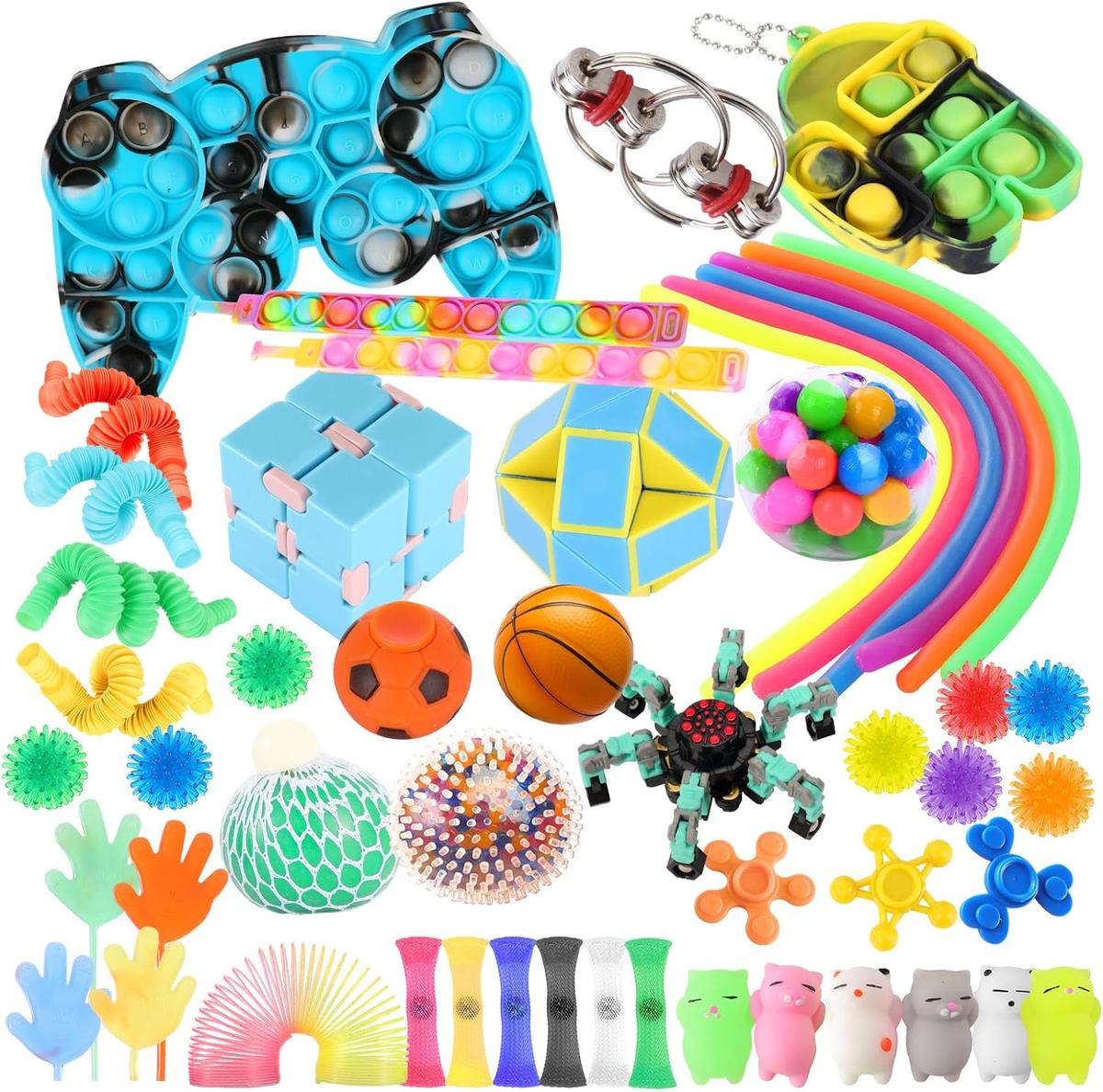
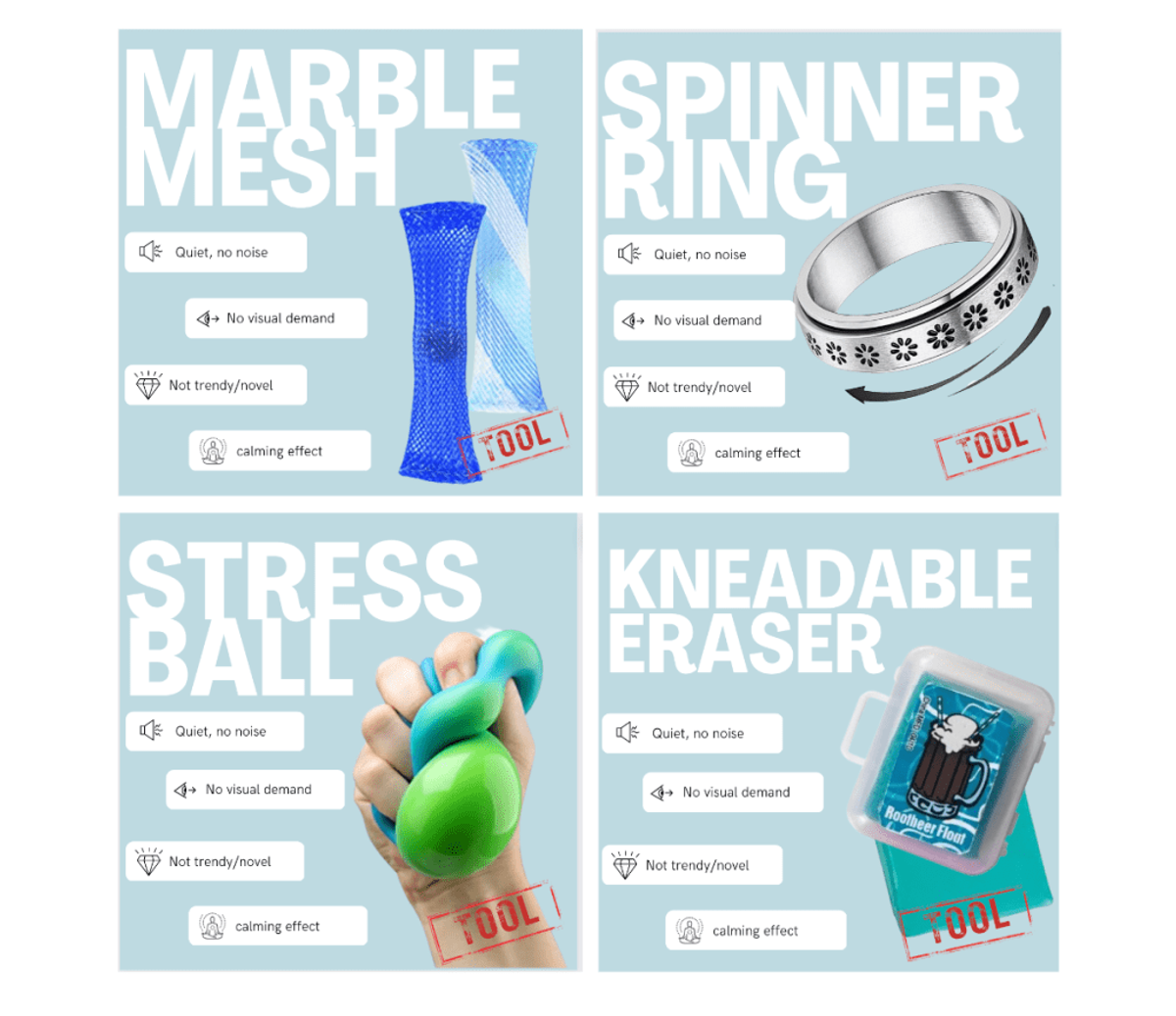
Fidget tools are small, purposeful objects designed to give hands something to do so the brain can concentrate. They can look like:
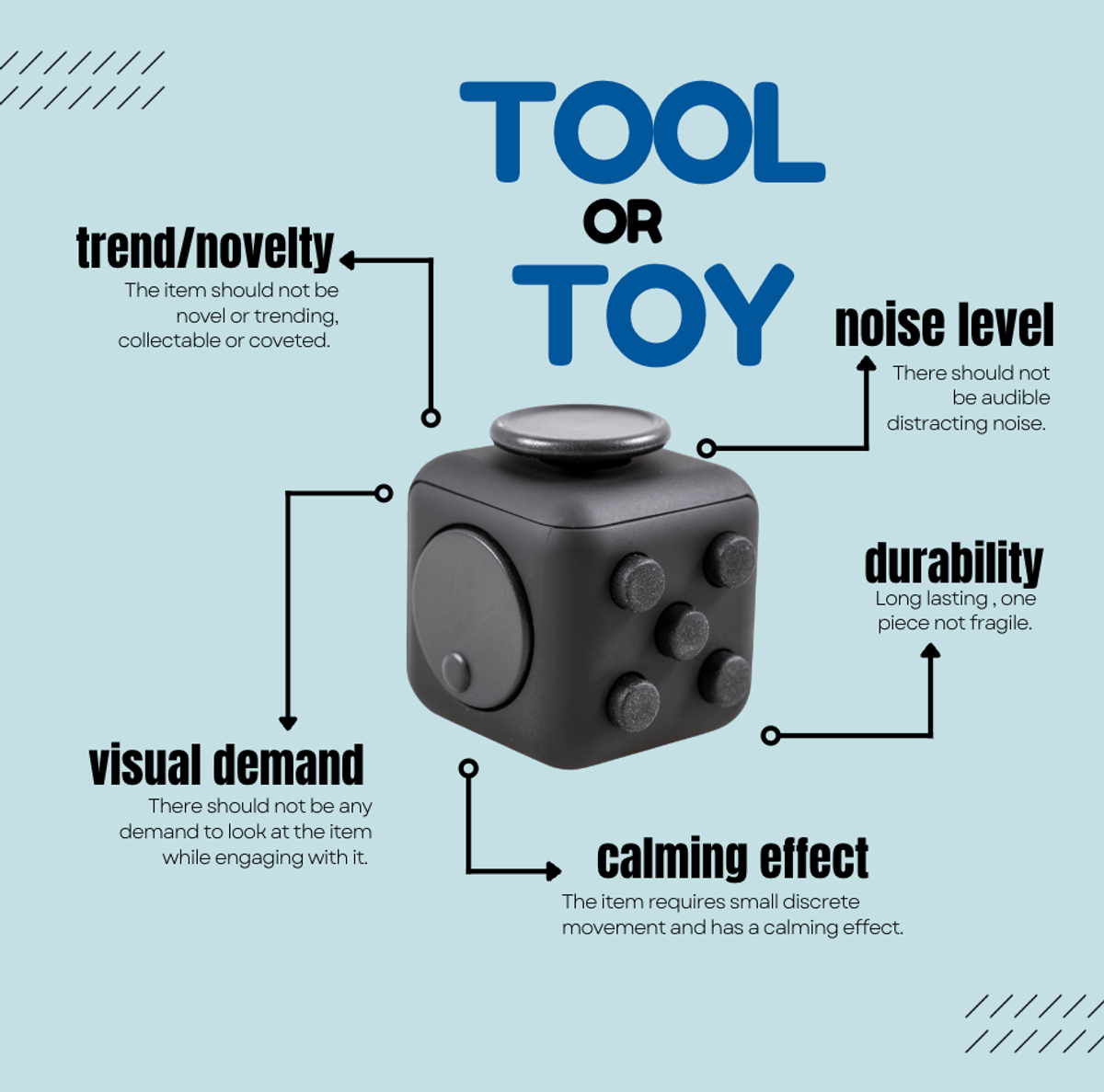
The key feature is that they are quiet, non-intrusive, and small enough to be used at a desk without drawing attention.
Why Do Students Use Them?
For some children, especially those with sensory needs, ADHD, anxiety, or high levels of internal energy, keeping their hands busy allows their minds to settle. A suitable fidget tool can:
Many students don’t need a fidget tool all the time—often they’re used during specific learning periods where sustained focus is required.
How We Use Them at School
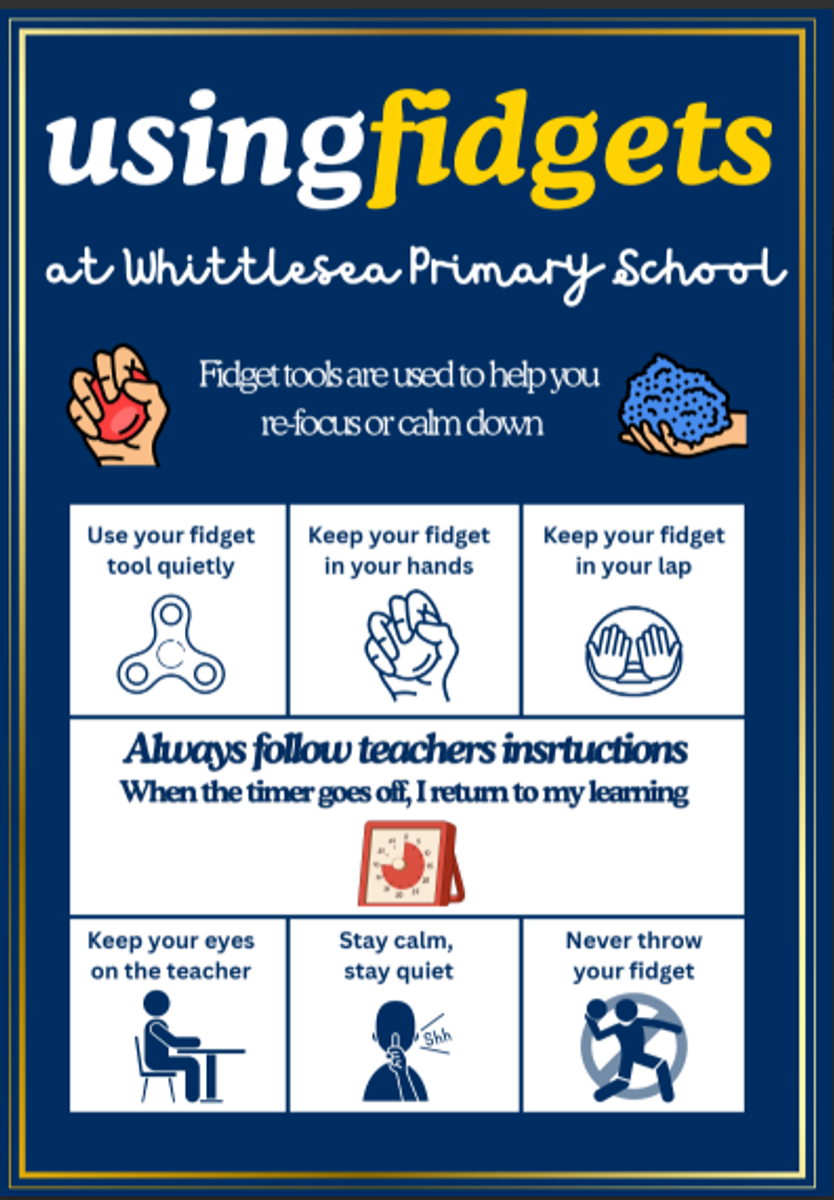
To keep fidget tools helpful (and not distracting!), we encourage the following:
Teachers will often trial different options with students to find what works best. Sometimes it takes a few attempts to find the right fit.
Monitoring Fidget Tools
To make sure the tools continue to serve their purpose, we monitor their use in simple, practical ways:
Monitoring isn’t about limiting access—it’s about ensuring the tool is genuinely supporting learning.
Can Students Bring Their Own?
Families sometimes ask if students can bring fidgets from home. This is generally fine as long as the tool meets the quiet, safe and non-distracting guidelines. Teachers may check these items before they’re used in class, and will provide alternatives if needed.
Fidget Tools vs. Calming or De-escalation Tools
It’s also essential to distinguish everyday fidget tools from the calming or de-escalation tools we use when a student is distressed or overwhelmed. Fidget tools are designed for focused learning and can be used while a child continues to participate in class activities. Calming or de-escalation tools—such as weighted blankets, breathing exercises, sensory corners, noise-reducing headphones, or time in a quiet space—are used when a child needs to regulate strong emotions or step away from a situation temporarily. These strategies support safety, emotional wellbeing, and recovery, while fidget tools support concentration during typical classroom routines. They each serve an important purpose, but they are not interchangeable.
Fidget tools are just one of many inclusive strategies we use to support student engagement and regulation. Used thoughtfully, they can help children feel calm, ready to learn, and more in control of their own focus. As always, if you have questions about whether a fidget tool may help your child, feel free to chat with your classroom teacher.
Let’s keep supporting every learner to feel comfortable, confident, and successful at school.