Junior School
Head of Junior School - Ms Nicola Treacey
Junior School
Head of Junior School - Ms Nicola Treacey
Article by Priti Vadher, Head of Learning & Head of Mathematics
“What we know matters, but who we are matters more.” - Brené Brown
In the Junior School, this belief sits at the heart of our approach to mathematics assessment. While understanding what students know is essential, our deeper purpose is to understand who they are as learners, their strengths, emerging skills, confidence, and the strategies they choose when faced with new challenges. Assessment, then, becomes less about marking a point in time and more about supporting each child’s growth as a capable, reflective mathematician.
Throughout the year, students participate in a range of assessments designed to monitor their development. These include short, targeted check-ins, class learning experiences, summative assessments, and year-level benchmarks. Such tools allow teachers to observe how students are building essential numeracy skills over time and to identify both the concepts they have mastered and those that may require additional practice or support.
By gathering this information regularly, we gain a clearer picture not only of what each student knows but how they learn. We see how they build number sense, apply problem-solving strategies, develop mathematical language, and use their understanding in new situations. This holistic view helps ensure that every student experiences meaningful growth throughout the year.
A key aspect of our mathematics approach is using assessment data to form and refine guided teaching groups. By analysing student work and results, teachers group students according to the skills or concepts they need next. These small, flexible groups provide targeted instruction that addresses misconceptions early, supports students who need consolidation, extends and challenges those ready for deeper thinking. This ensures learning is responsive rather than one-size-fits-all.
Formative assessment, the continuous check-ins during lessons, is fundamental to this process. Through questioning, observation, exit tickets, hands-on learning experiences, and student explanations, teachers gain real-time insight into student thinking. These informal assessments reveal not only what students understand but also how they approach problems, how they persist, and how they reflect on their learning; central qualities in developing strong learner identities.
This ongoing assessment process helps teachers:
Respond immediately to misconceptions
Adapt learning experiences to meet learner needs
Stretch and challenge students ready for extension
Plan meaningful next steps for individuals and groups
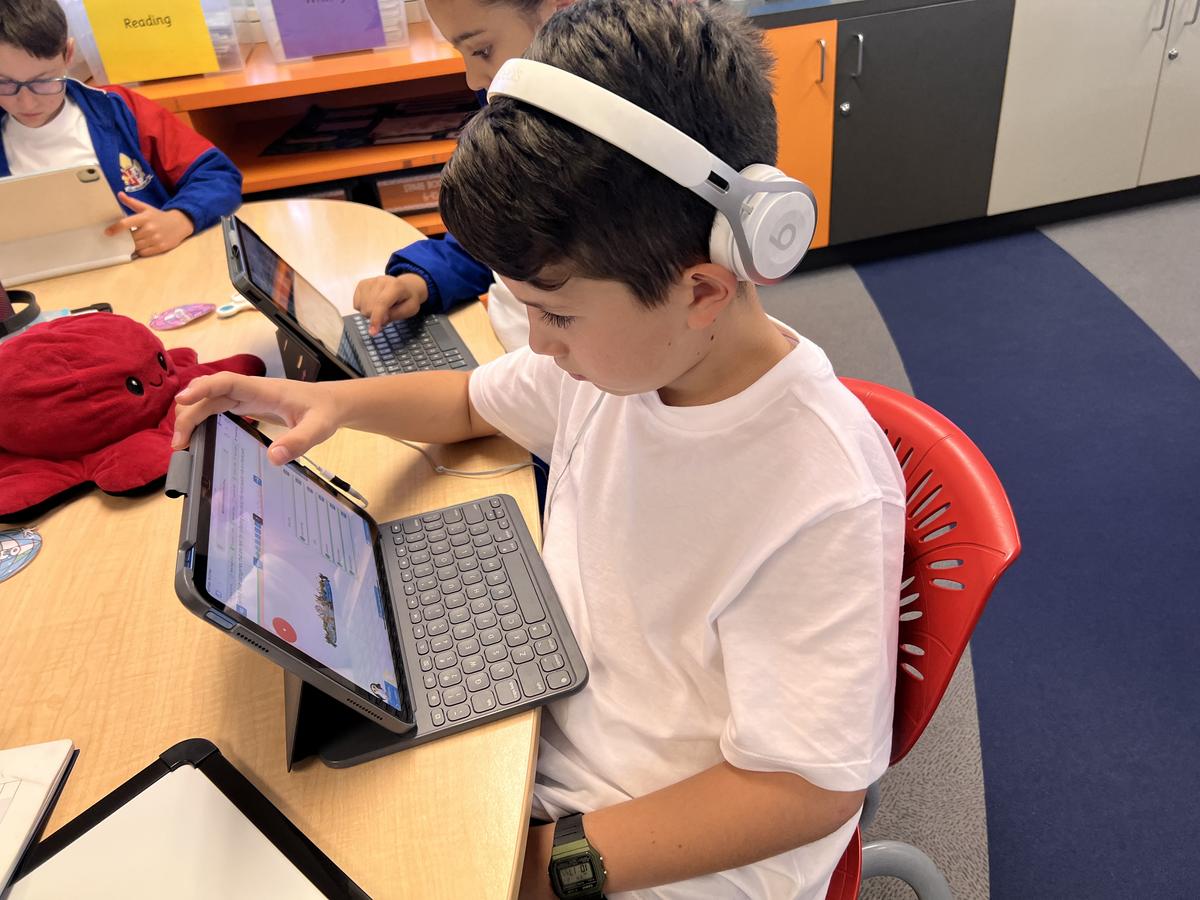
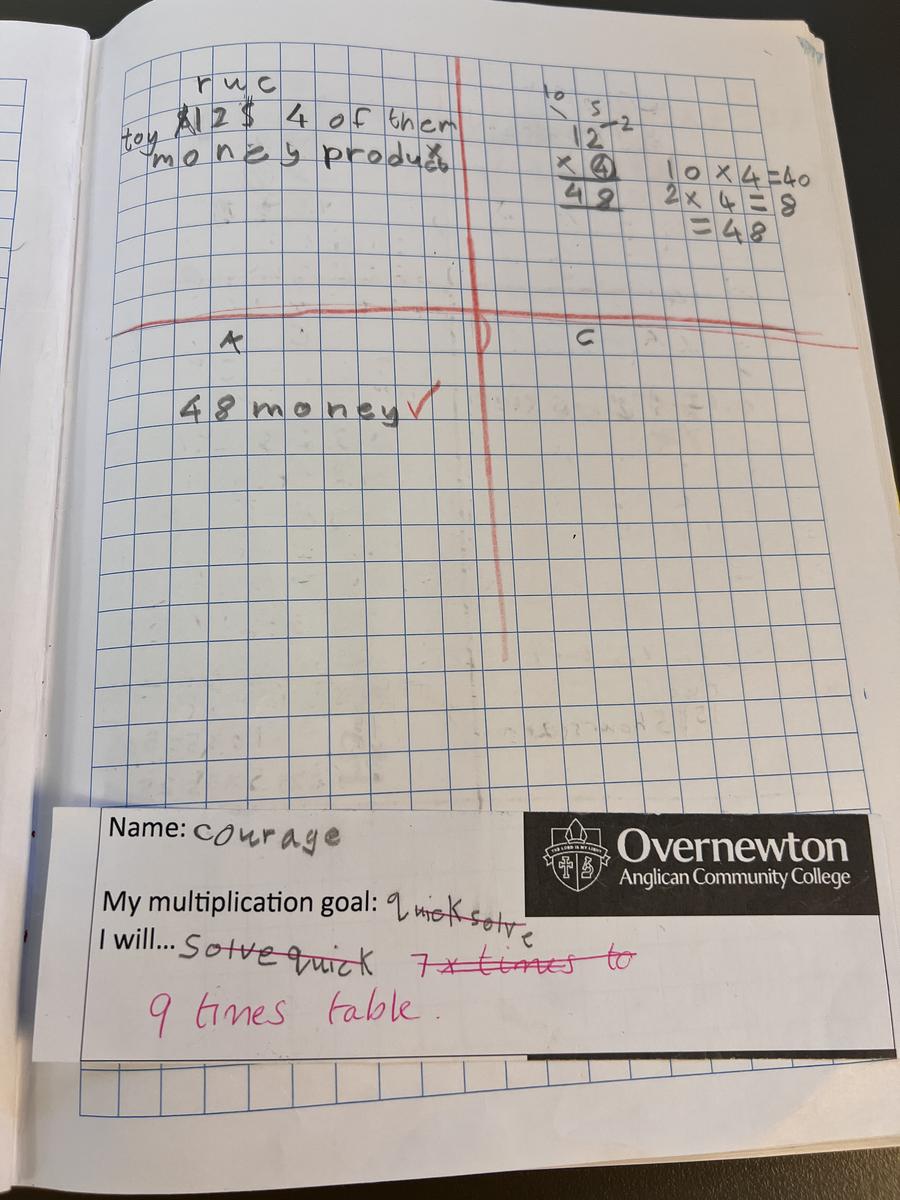
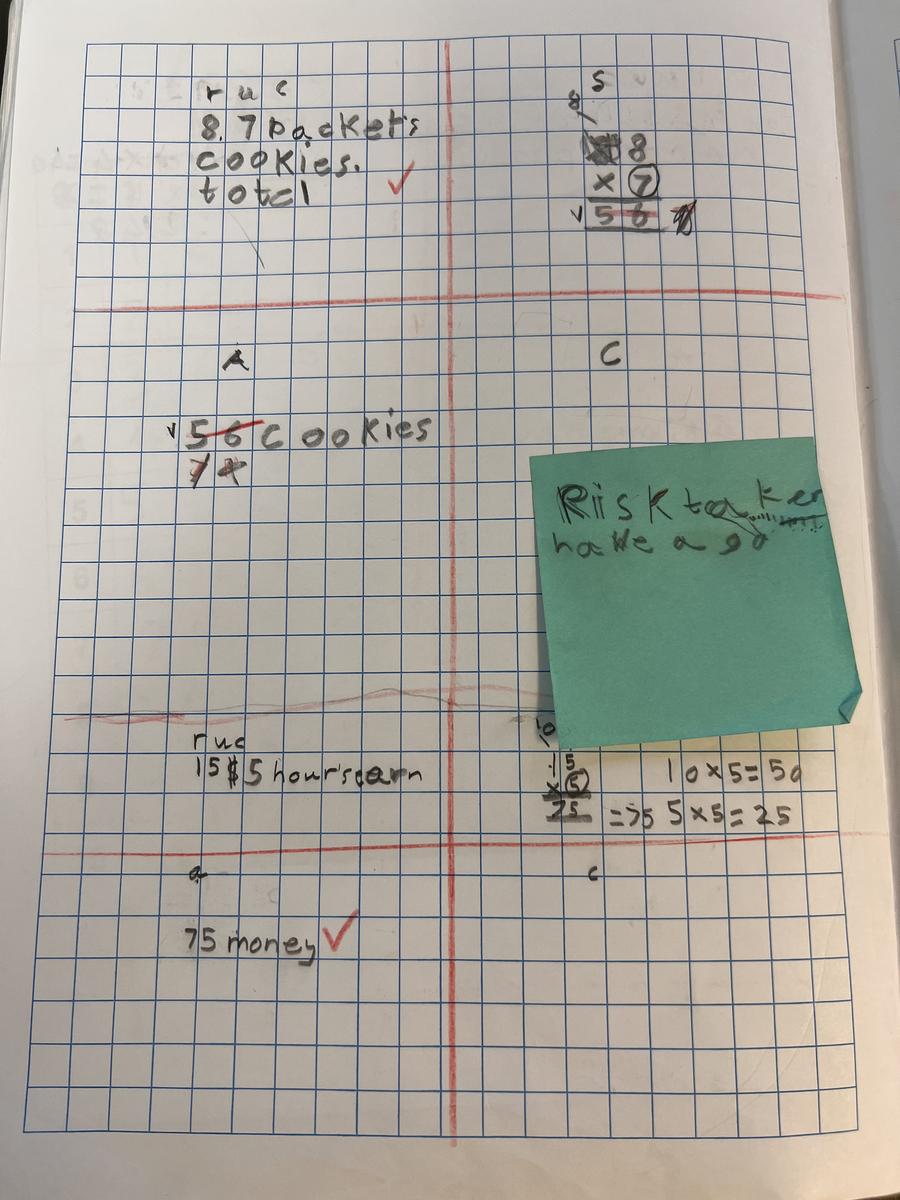
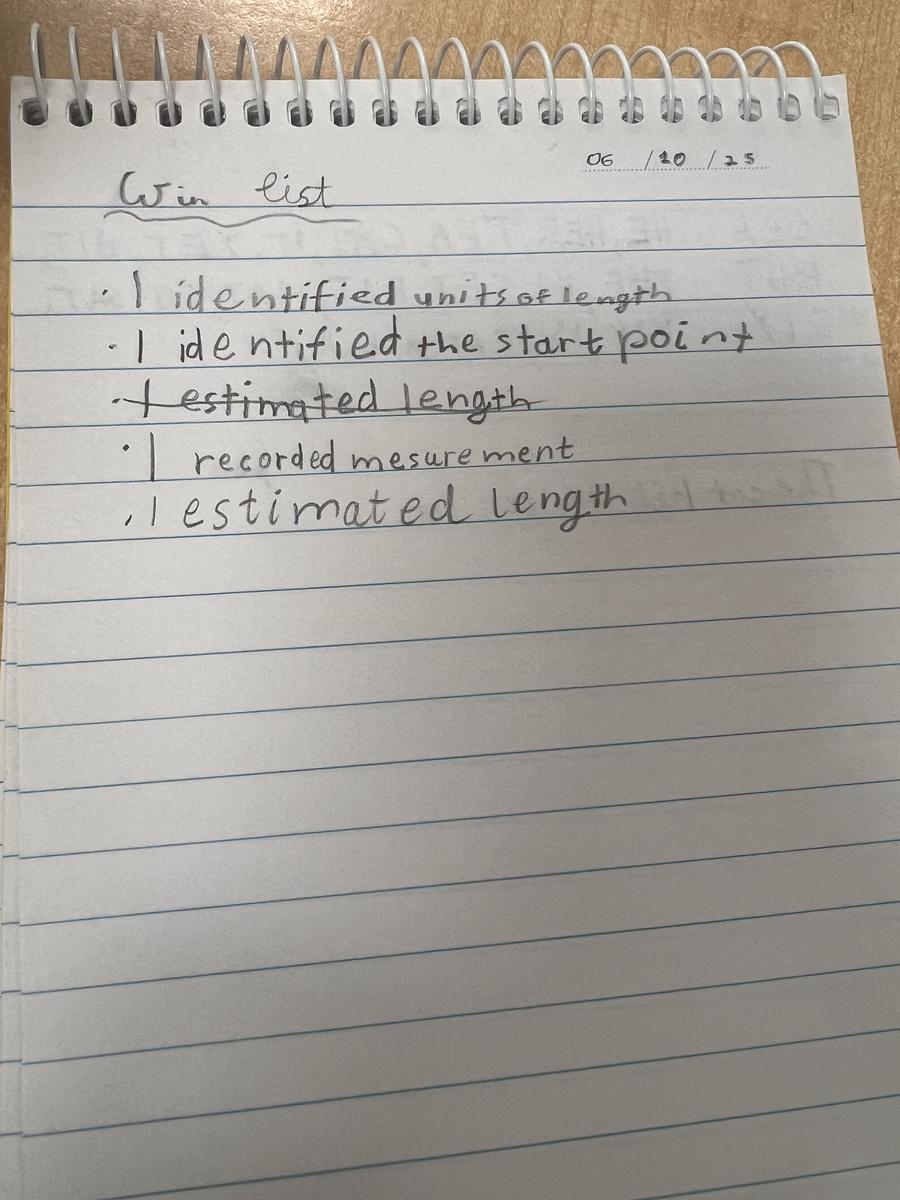
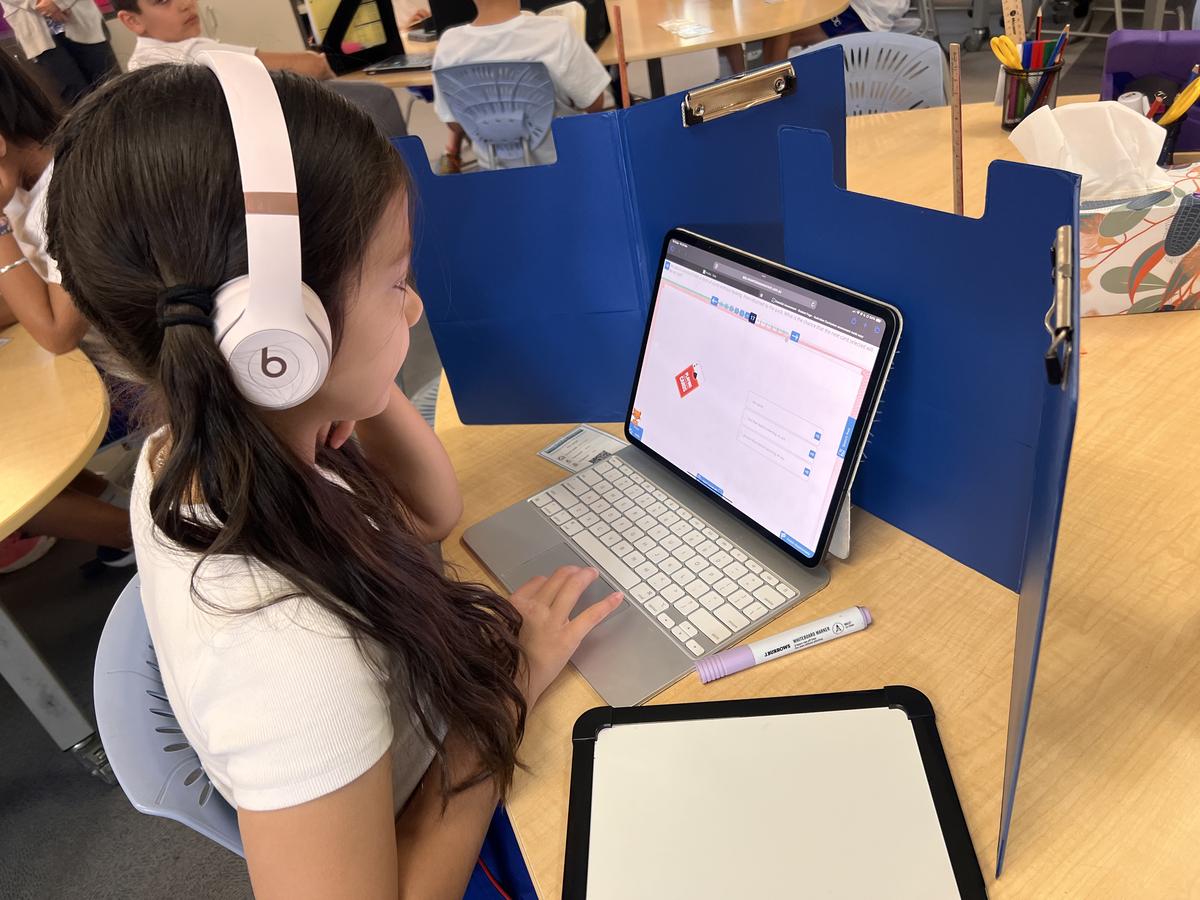
Assessment, Self-Awareness and Self-Regulated Learning (SRL)
Formative assessment also empowers students. They begin to understand their own strengths, recognise areas where they are still developing, and take ownership of their mathematical growth. This directly aligns with Self-Regulated Learning (SRL), where students monitor their understanding, adjust their strategies, and take increasing responsibility for their progress.
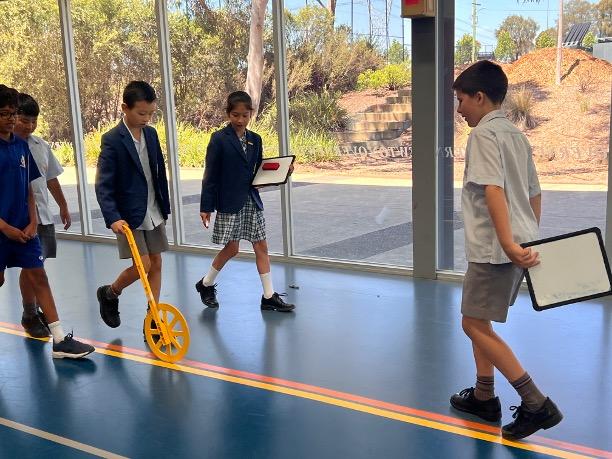
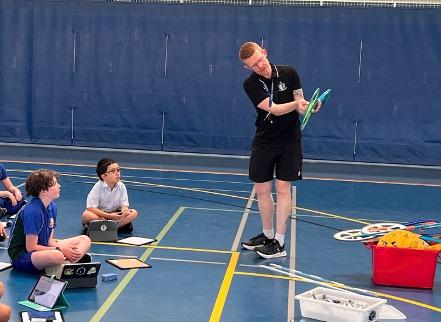
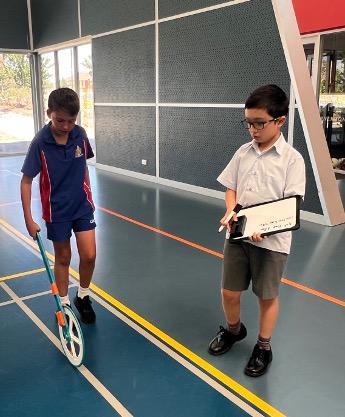
A recent example of this was seen when Talent and Potential (TAP) students participated in a mathematics learning experience in the gym. Working in groups, they were challenged to select appropriate scaled instruments and collaboratively measure the length of each coloured line on the sports court. Students quickly recognised the connection to their Measurement unit, choosing trundle wheels and tape measures with confidence. As they worked in teams, they naturally drew on a range of mathematical skills (addition, shape, symmetry, area and multiplication) to solve real-world problems. Their final step was to compare results, discuss differences, and reflect on the accuracy of their methods. This reflection mirrors key SRL behaviours, as students evaluated their strategies, identified next steps, and considered how they might approach the task differently next time.
Every assessment whether a structured task, guided group check, or rich hands-on experience helps shape future learning goals. Teachers use this information to plan upcoming lessons, select challenges, and design learning that builds on what students already know. When goals are made visible, students learn to set goals, track their progress, and understand the steps they need to take, strengthening their skills as self-regulated learners.
By understanding their goals and seeing their progress, students develop confidence in themselves as mathematicians. They learn to reflect on their learning, monitor the strategies they use, and celebrate the growth that occurs throughout the year, key qualities that support academic success, personal development, and lifelong learning.