From our Foundation Classrooms
Foundation Curriculum Overview Term One
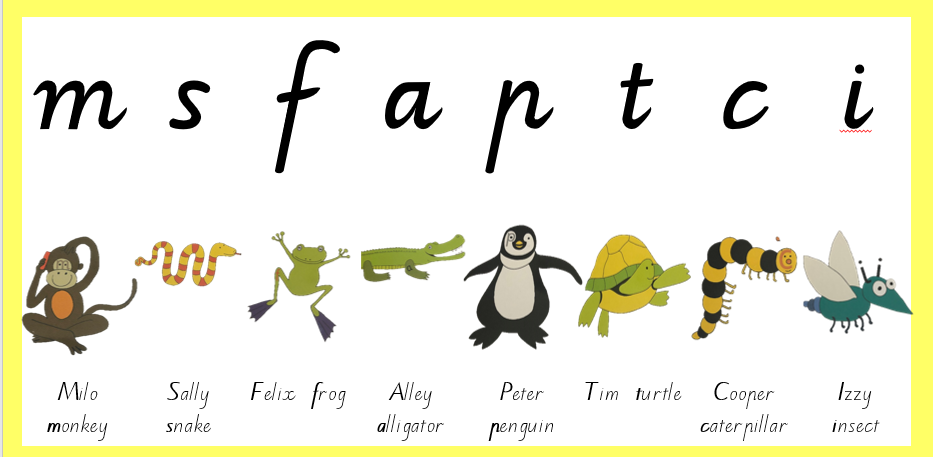
Phonics and Little Learners Love Literacy
Students are developing early reading skills through our Little Learners Love Literacy program, which is aligned to the Victorian Curriculum 2.0 phonics progression. Children are learning to:
- Recognise and say letter–sound relationships
- Blend sounds to read simple words
- Segment sounds to spell words
Read and write decodable words and sentences
Through explicit phonics lessons, students practise sounds, read decodable texts, and build confidence as beginning readers and writers.
Reading
Students are building comprehension through rich oral language and shared reading experiences. We are focusing on understanding stories by identifying:
- Characters
- Setting
- Problem and solution
- Retelling events in order
Children are also innovating familiar texts (changing characters or events), which strengthens comprehension and storytelling skills. Oral language discussions, role-play and story retells help students make meaning from texts.
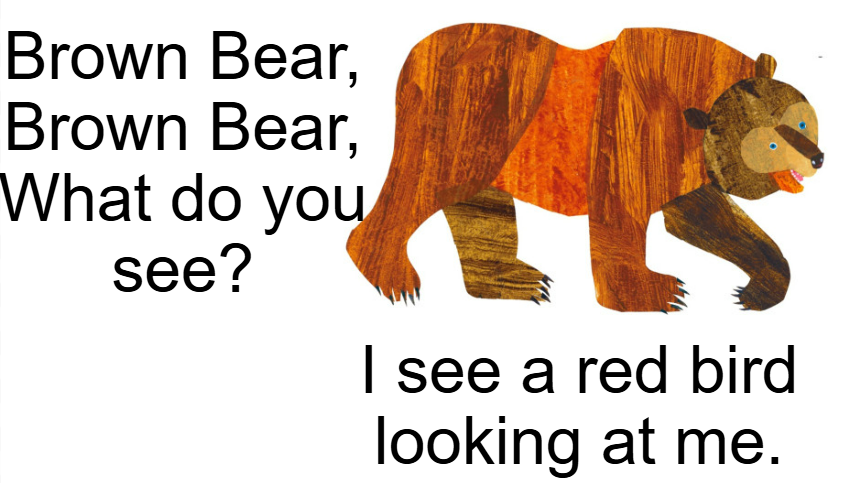
Students have already explored the texts ; Brown Bear, Brown Bear, Mrs. Wishy Washy and Humpty Dumpty.
Math
Students are developing early number sense. Our focus areas for term one include:
- Subitising (recognising small quantities instantly)
- Recognising and writing numerals to 20
- Matching numerals to quantities
- Ordering and comparing numbers
Collecting and displaying data
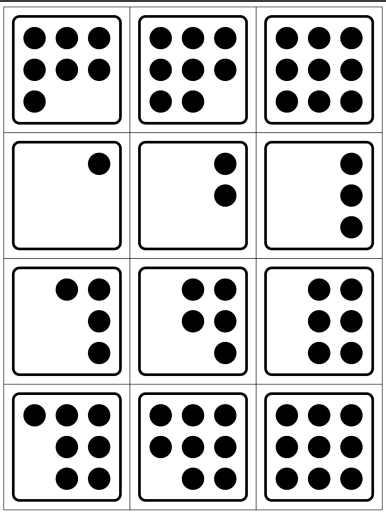
Children practise subitising using dot patterns, fingers and dice, which builds strong mental number understanding. We are also learning to ask yes/no questions and collect class data (e.g., favourite fruit), then display results in simple graphs.
Social Emotional Learning - Respectful Relationships
Students have spent the first few weeks of school setting up school routines and following the school values of Respect, Responsibility and Resilience.
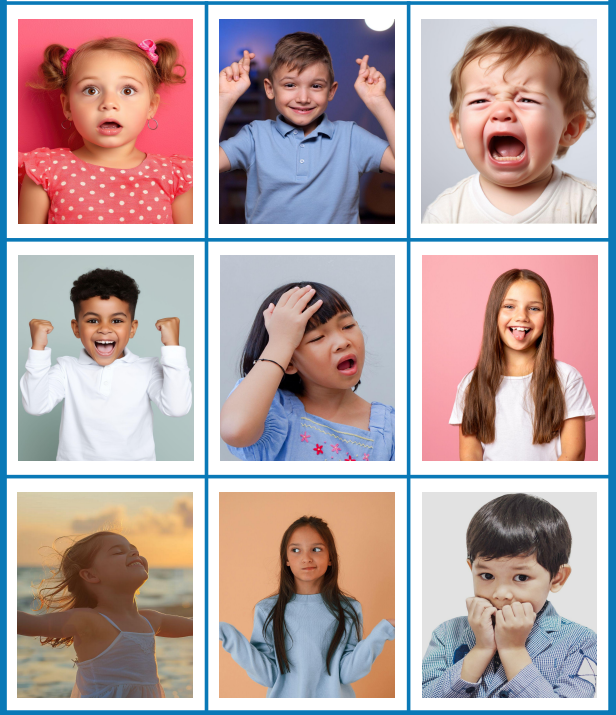
In Respectful Relationships, students are learning about emotional literacy — recognising, naming and expressing feelings. Children are exploring different emotions such as happy, sad, excited, worried and calm, and learning that all feelings are valid. We practise noticing how others might feel, using feeling words, and learning simple strategies to manage emotions (for example, breathing, asking for help or taking a break). Developing emotional literacy supports positive relationships, wellbeing and readiness to learn.
Geography 'My Special Place'
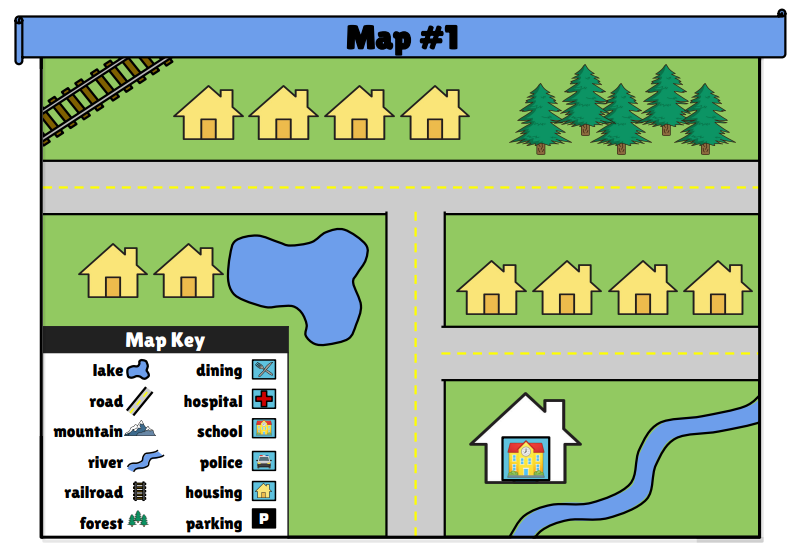
In Geography, students are exploring the unit My Special Place. Children are learning that places can be special because of the people, activities and feelings connected to them. We are identifying different places such as home, school and parks, describing their features, and explaining why they are important. Students are also representing their special place through drawings and simple maps, building early geographical skills.
How families can help at home:
PHONICS
- Practise the weekly focus sounds using sound cards or letters on the fridge
- Ask your child to “sound out” simple words when reading
- Play sound games (e.g., “What sound does sun start with?”)
- Encourage writing using invented spelling (writing the sounds they hear.
READING
- Ask your child to retell a story after reading
- Talk about characters (“Who was in the story?”)
- Ask “What happened first, next, last?”
- Encourage your child to change a story (e.g., “What if the wolf was friendly?”)
MATH
- Practise quick dot or finger number recognition (subitising)
- Count everyday objects (toys, steps, snacks)
- Ask number questions (“Which is more?” “Which is less?”)
- Collect simple family data (e.g., favourite colour) and draw a graph
SOCIAL EMOTIONAL LEARNING
- Talk about feelings during everyday moments (“You look excited!”)
- Share your own feelings language (“I feel proud of you”)
- Read books and discuss how characters feel
- Practise calming strategies together (deep breathing, quiet space)
GEOGRAPHY
- Talk about places your child enjoys visiting and why
- Look for features in places (play equipment, buildings, trees)
- Draw a simple map of a familiar place together (e.g., your home)
- Share family or cultural places that are special to you