
Wellbeing at Homestead
Every day matters
Wellbeing at Homestead
Every day matters
3 in 4 young Australians wish they were thinner or leaner according to new findings from the Butterfly Foundation’s 2024 Youth Survey. Body image refers to how a person thinks and feels about their body, including shape, size, appearance, and how it functions. It is influenced by personal experiences, social media, culture, and the people around them. Everyone has a body image, and it can change over time. The way someone sees themselves can affect confidence, relationships, and overall wellbeing, making it important to develop a healthy, realistic perspective.
Body dissatisfaction is shaping young people’s everyday lives – particularly in school environments, where over three-quarters of students report being subject to appearance-based teasing.
For many, body image issues interfere with their education: from hesitating to raise their hand in class or focusing on schoolwork, to avoiding school altogether.
Alarmingly, one in five say body dissatisfaction frequently impacts their school attendance.More than half (57.2%) of young people report that social media makes them feel unhappy with their bodies.
It’s normal to have days where someone feels less confident about their appearance. However, when those thoughts become constant or begin to affect daily life, body image concerns may become unhealthy. Some examples include:
These challenges can affect anyone, regardless of gender, background, or fitness level — but with support, recovery is always possible.
Recognising the Signs of body image concerns and problematic eating habits
Body image concerns can appear in many ways, both physically and emotionally. Common signs include:
Early support is key — reaching out sooner makes it easier to make positive changes.
Eating disorders often develop from body dissatisfaction. The biggest risk factor for an eating disorder is dieting. Warning signs may include rapid weight changes, fatigue, dizziness, avoiding food-related situations, or feeling out of control around food. Using food or exercise to manage emotions can also signal underlying distress. Even small changes in behaviour are worth checking in on, as early intervention leads to better outcomes.
Open, non-judgemental conversations make a significant difference. Parents can encourage habits that focus on strength, balance, and overall wellbeing rather than appearance. If concerns arise, seeking advice early — through a GP, school counsellor, or health professional — is strongly recommended.
Helpful parent programs include:
The Raising BodyKind Teens program (ages 12–18 is a free program that provides that): Provides practical tools to help teenagers build body confidence and self-kindness.
Modern life presents many subtle pressures that shape how people feel about their bodies, including social media and appearance-based comparison, unrealistic “ideal” body types in sport and media, constant tracking of weight or fitness data, and gender expectations about how people “should” look. Viral social media trends exist which promote disordered eating and increase a young person’s risk of developing an eating disorder.
Caring about health and fitness is positive — but it’s equally important to remember that a person’s worth is not defined by appearance.
Body Image & disordered eating Eating Disorder Support
General Mental Health Support
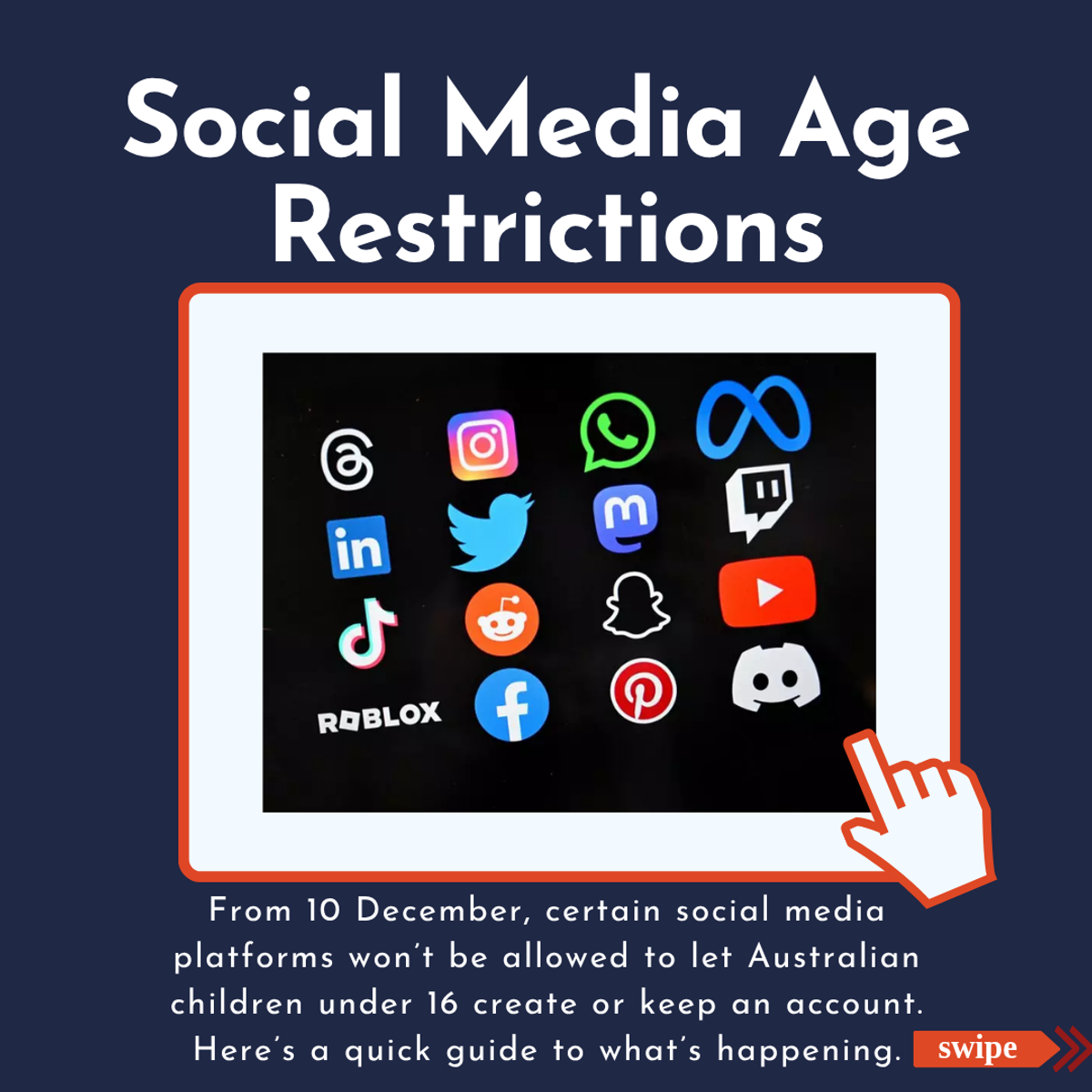
From 10 December 2025, many social media platforms won’t be allowed to let Australians under 16 create or keep accounts. The changes aim to protect under-16s from pressures and risks they can be exposed to while logged in to social media accounts. These come from design features in the platforms that:
These features have been linked to harms to health and wellbeing – including increased stress levels, and reduced sleep and concentration.
There are no penalties for under-16s who access an account on an age-restricted social media platform, or for their parents or carers. This is about making the platforms take greater responsibility for the safety of children – they face fines of up to $49.5 million dollars if they don’t take reasonable steps to implement the changes. Under-16s will still be able to see publicly available social media content that doesn’t require logging into an account.
For more information, please see the below links and refer to our quick guide on the Homestead Instagram account.
Information for students: https://www.esafety.gov.au/young-people/social-media-age-restrictions
Information for parents: https://www.esafety.gov.au/about-us/industry-regulation/social-media-age-restrictions-hub