
Wellbeing
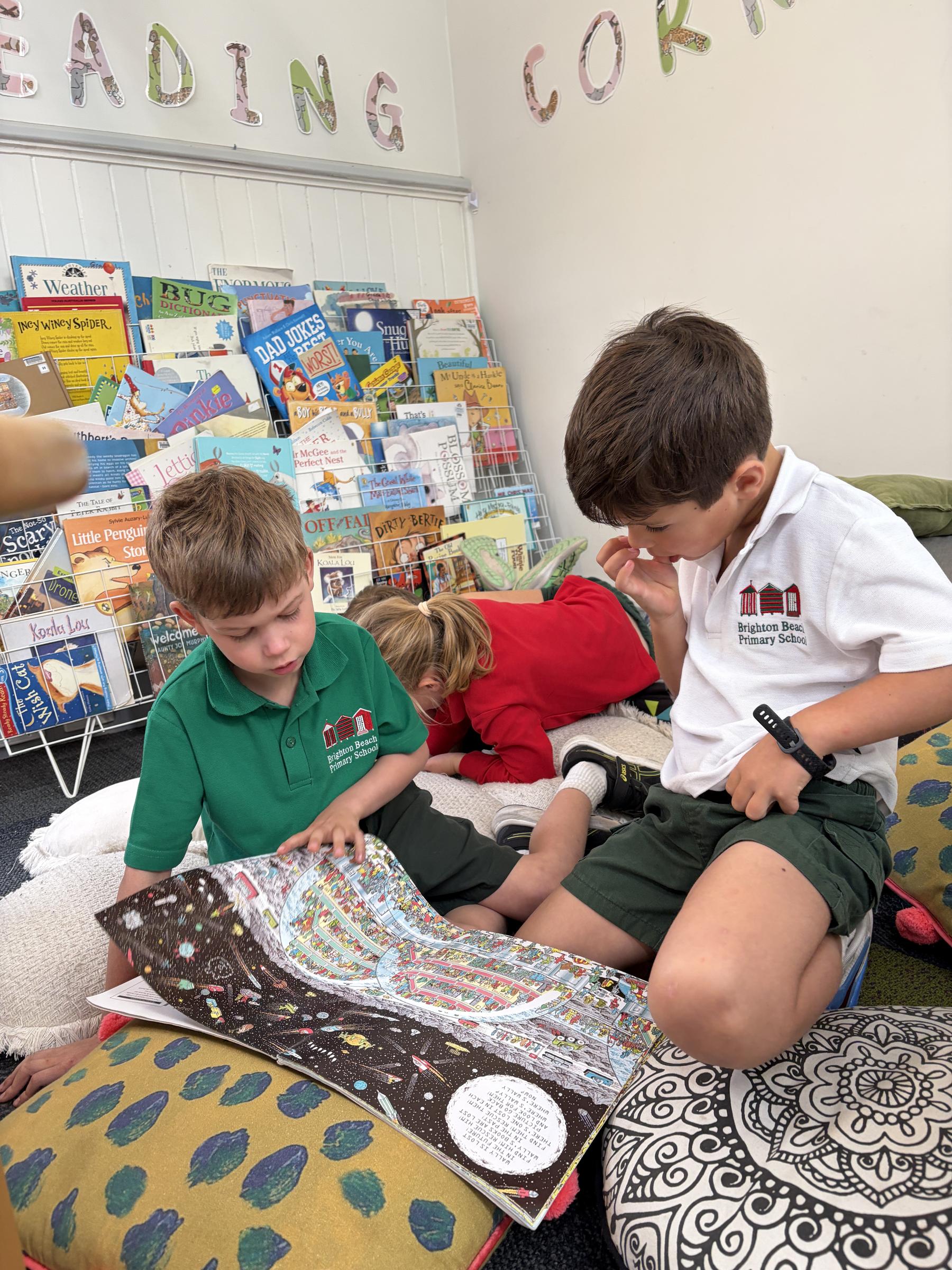
Early finishers relax in the 1B library with a book after completing learning tasks
Wellbeing
Early finishers relax in the 1B library with a book after completing learning tasks
Playground fun and games
We have noticed an increase in physical play in the playground, where games that begin with everyone enjoying themselves can sometimes escalate and result in students becoming overwhelmed, upset or even hurt.
To support students in managing this, the school has done the following:
*Actively taught and reinforced clear expectations around safe play
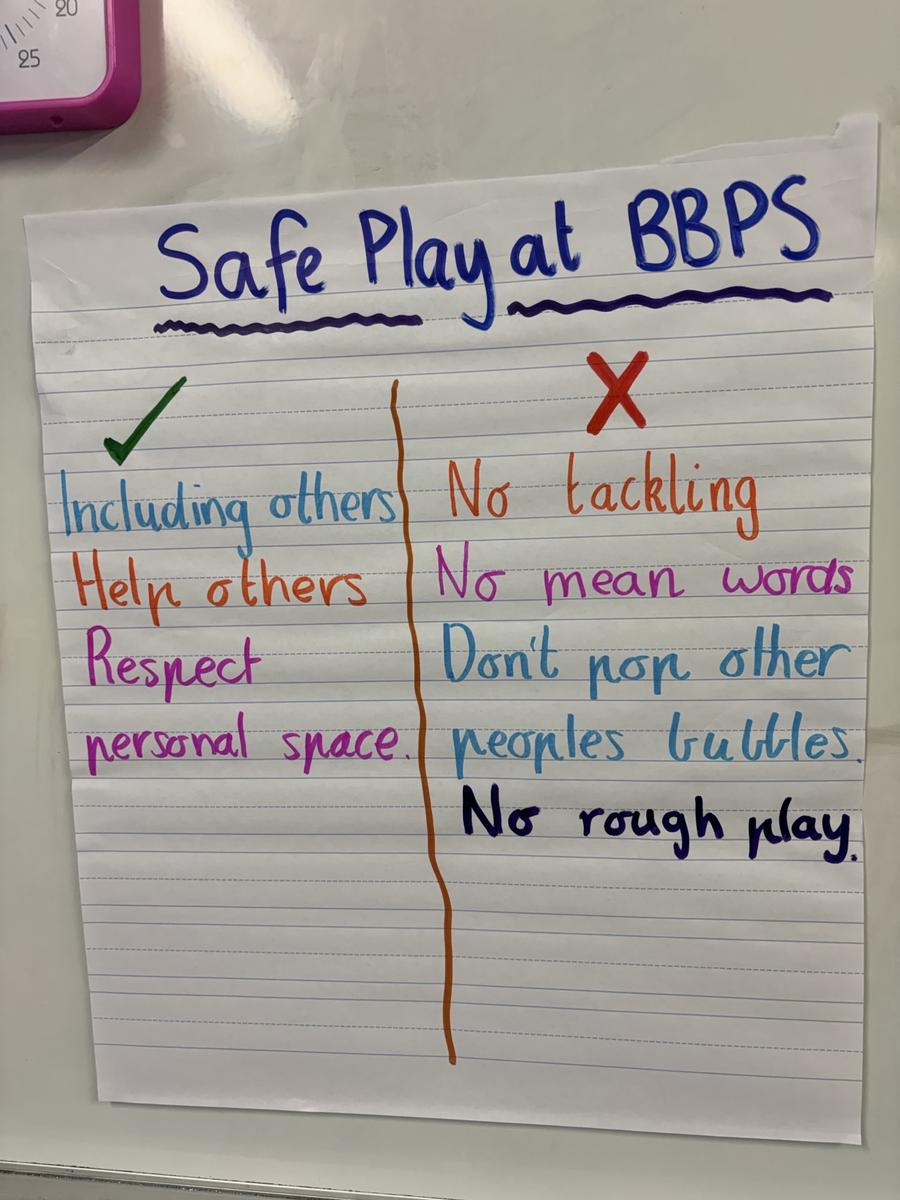
*Planned circle time and Social and Emotional Learning lessons that address concepts such as personal bubbles, role play scenarios, and provide language and strategies to recognise when play is becoming too rough and how to step away and/or say 'Stop' and listen.
*We have active staff presence and supervision in key areas, with regular check-ins and proactive redirection when games begin to involve physical contact. At BBPS, any physical contact intended to harm another child is not acceptable; we work closely with students to reflect on their choices, build their capacity to make better decisions in the moment, and support them to repair and rebuild relationships following incidents. Where behaviours are repeated, we apply appropriate consequences such as community service, time out of the playground, or time working with school leadership.
You can support this at home by:
*Reinforcing the importance of keeping hands and feet to themselves, encouraging children to use words to express when something feels “too much,” and having conversations about how to recognise when a game is no longer fun for everyone involved.
*When your child shares a playground challenge, try asking, “What was happening just before that?”—this can help uncover any build-up or trigger that may have contributed to a heightened physical response, e.g. a game of tag gone too far.
*Contact the class teacher for support - if an incident takes place at school, we ask that you partner with our teaching team to resolve and repair, rather than contact parents directly yourselves. This helps us to get a full understanding from all student perspectives and reinforces a shared and consistent approach to school behaviour and expectations.
*Support consequences put into place by the school, even consider applying your own to discourage inappropriate behaviour. Thanks for your ongoing support and partnership as we support all our students to build the necessary skills needed to interact positively in game play with their peers. These are little people we are working with.
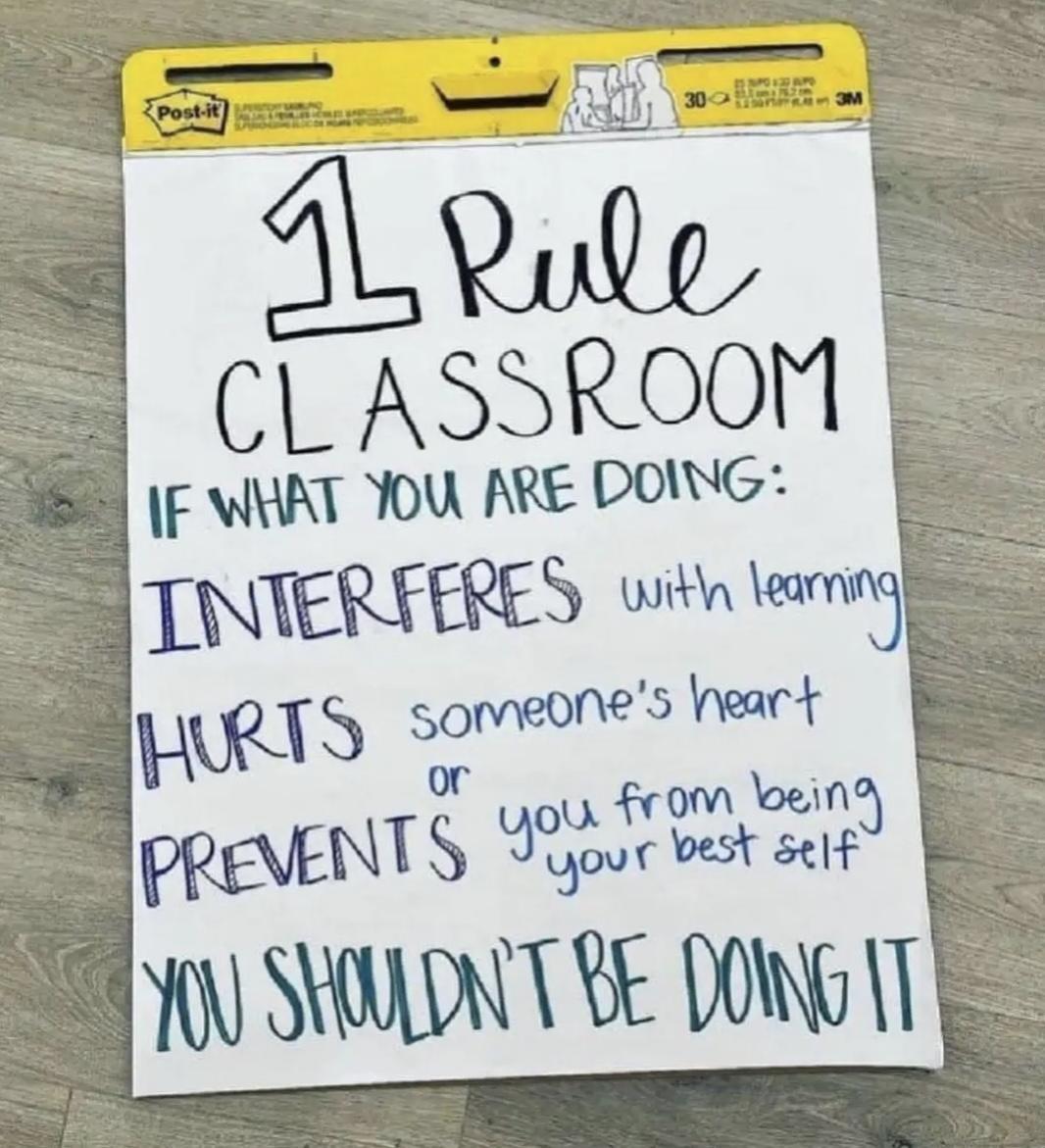
At Brighton Beach Primary School, supporting the wellbeing of our students is a central part of our work as educators. As we shared in our last newsletter about raising resilient children, learning to manage emotions such as disappointment, frustration and anxiety is an important part of growing up. When children are supported to work through these feelings — rather than avoid them — they develop resilience, perspective and the coping strategies that help them navigate life’s challenges.
Building on this work, schools across Victoria are continuing to strengthen their approach to student wellbeing through the Mental Health in Primary Schools initiative, developed by the Murdoch Children's Research Institute in partnership with the University of Melbourne and the Victorian Department of Education.
The initiative recognises that positive mental health is fundamental to children’s learning and development. When students feel safe, connected and supported, they are more able to engage in learning, build strong relationships and approach challenges with confidence. Importantly, primary school is a critical time for developing the social and emotional skills that underpin lifelong wellbeing.
Much of this work focuses on prevention and early support. By strengthening staff understanding of children’s mental health, schools are better able to notice early signs of concern, support students within the classroom environment and work in partnership with families when additional support may be helpful.
For our students, this looks like classrooms where emotional literacy is taught and practised, where relationships between teachers and students are strong, and where children feel comfortable seeking help when something feels challenging. It also complements the messages we continue to share with families about building resilience — helping children develop the skills to manage setbacks, regulate emotions and persist through challenges.
As always, supporting young people works best when school and home work together. By maintaining open communication and modelling calm, supportive responses to life’s ups and downs, we can help children develop the confidence and resilience that will support them well beyond primary school.