
Engagement & Wellbeing Page
Mel & Kellie (Mental Health & Wellbeing and Disability & Inclusion Leaders)
Engagement & Wellbeing Page
Mel & Kellie (Mental Health & Wellbeing and Disability & Inclusion Leaders)
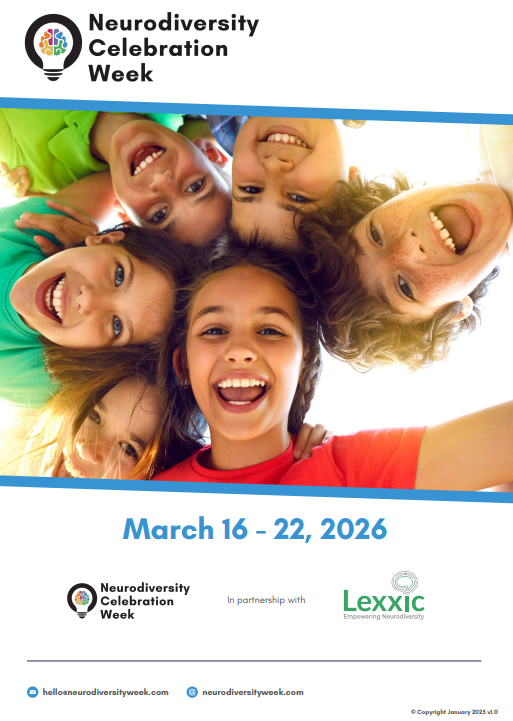
Neurodiversity Celebration Week is from Monday 17 March to Sunday 23 March, and Autism Acceptance Month is in April. These are great opportunities to celebrate the strengths of our diverse learners, recognise challenges they may face and learn more about how we can support them.
We hope that all schools and communities are committed to understanding, including and celebrating our diverse learners and value the contribution they and their families make to our community.
Neurodiversity Celebration Week is a worldwide initiative that challenges stereotypes and misconceptions about neurological differences. It aims to transform how neurodivergent individuals are perceived and supported by providing schools, universities, organisations, and others around the world with the opportunity to recognise the many skills and talents of neurodivergent individuals, while creating more inclusive and equitable cultures that celebrate differences and empower every individual.
By registering for NCW we will email you regular updates on the webinar sessions being prepared or you can check the events calendar and sign up directly for the events that appeal to you.
When it comes to inclusion, neurodiversity refers to a world where neurological differences are recognised and respected as all other human variations.
Depending on how our brains are wired we think, move, process information and communicate in different ways. Many people in our community use neurodiversity as an umbrella term used to describe alternative thinking styles such as Dyslexia, DCD (Dyspraxia), Dyscalculia, Autism and ADHD. But regardless of labels, neurodiversity is about recognising those who think differently. And no matter whether you are a school, university or organisation you can benefit from different thinkers! Approximately 15-20% of population has a neurological difference. Instead of labelling people with deficits or disorders, when we use the term neurodiversity, we take a balanced view of an individual’s unique strengths and challenges. Many challenges neurodivergent people face are more to do with the environment and systems they are placed in, often designed by a majority population.
Register today to take part in Neurodiversity Celebration Week 2026.
BBC Sounds - It's So Loud In Here!
"It's So Loud In Here!" is a new BBC Sounds podcast series exploring how neurodivergent individuals—particularly those with autism and ADHD—experience everyday sounds and situations such as travelling on public transport, going to work, and socialising. Using immersive sound design and personal stories from neurodivergent people, the podcast invites listeners to step inside their minds and gain insight into what it feels like to be neurodivergent.
Each episode features expert commentary to explain the reasons behind neurodivergent interactions with the world. The series aims not only to educate its audience but also to offer neurodivergent listeners the opportunity to recognise themselves in others' experiences.
Creative Minds Unpacked - A podcast for divergent thinking
Creative Minds Unpacked is a podcast for creative people who are Neurodivergent or who dare to think boldly. It’s a tool for strategies and support; a safe space to pick apart the complexities of life and aplace to share lived experience and stories of feeling and thinking differently.
Breaking out of the boxes and unpacking our minds as we move forward into a brand new world.
Creative Minds Unpacked is produced by Kate Cox, filmed and edited by James Silvanus and made with support from Rich Clark.
The department has established the Diverse Learners Hub to meet the needs of diverse learners. The hub provides evidence-based advice and resources on best-practice inclusive teaching practices for supporting autistic students and other diverse learners.
We also encourage families to take advantage of the excellent parenting programs offered through City of Greater Geelong. These sessions are evidence-based, practical and designed to build parent confidence at different stages of childhood. Having participated in some of these myself, I can personally vouch for their positive impact, regardless of your prior knowledge or experience.
Programs cover topics such as:
You can view upcoming courses and workshops here: