Banner Photo

Mental Health

 in Primary Schools

Dear Parents, Guardians and Carers,

As we continue our journey within the MHiPS sphere, we will be exploring the Resilience, Rights and Respectful Relationships program and how this supports young people in our school.

What is it?

The Resilience, Rights and Respectful Relationships (RRRR) program provides research based learning materials to support teachers in developing students’ social, emotional and positive relationship skills. Across the year, students will be involved in activities addressing the following social and emotional learning topics: 
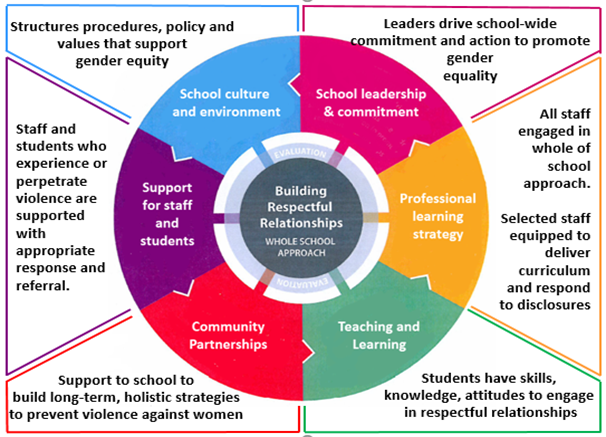
 

  • Emotional Literacy: Students develop the ability to be aware of, understand and use information about the emotional states of themselves and others. 
  • Personal Strengths: Students develop a vocabulary to help them recognise and understand strengths and positive qualities in themselves and others. They identify the values and strengths they have learnt from role models within their families and culture to think about how this guidance helps them to treat others with respect. They consider how to draw on these strengths to engage with the challenges and opportunities that life presents. 
  • Positive Coping: Students develop language around coping, critically reflect on their coping strategies and extend their repertoire of positive coping strategies. 
  • Problem Solving: Students learn a range of problem-solving techniques to apply when confronting personal, social and ethical dilemmas. They engage in scenario based learning tasks to practise their problem-solving skills in relevant situations. 
  • Stress Management: Students consider the causes of stress and develop a range of self regulation and coping strategies they can draw on to manage stressful situations.
  • Help Seeking: Students develop skills and knowledge for peer support, peer referral and help-seeking.
  • Gender and Identity: Students consider the influence of gender norms on attitudes, opportunities and behaviour. They learn about gender equality, inclusion, human rights and the importance of relationships that respect people of all genders. 
  • Positive Gender Relationships: Students develop an understanding that verbal, physical and emotional of violence are harmful, and that these forms of violence can also be gendered. They learn about safe and unsafe behaviours, consent and their rights to bodily autonomy. They practise strategies they can use to assert their rights to bodily autonomy to be free from coercion or violence. They develop self-care, peer support, peer referral and help-seeking skills that they can use in response to situations involving gender-based violence within family, peer, school, community or online relationships. 
Gallery Image


What does it look like at our school?

On a Monday afternoon, the whole school engages in activities promoting these emotional learning topics. These activities are age appropriate and are designed to support students’ social and emotional learning so that they can develop the knowledge, attitudes and skills required for respectful relationships. The program is aligned with the Victorian Curriculum and promotes critical thinking for the development of social skills. 


Why do we do Social and Emotional Learning (SEL) through RRRR?

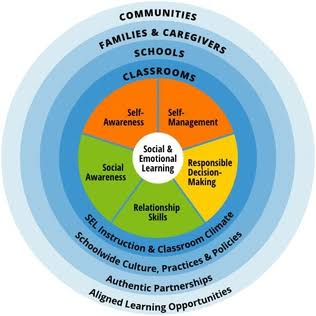
SEL explicitly promotes mental wellbeing by improving students’ social, emotional and positive relationship skills. By participating in activities, young people further develop skills such as emotional awareness, empathy, perspective taking, self-regulation, cooperation, problemsolving, positive coping, responsible decision making, peer support and help-seeking. Students who participate in SEL are more likely to relate in positive and inclusive ways with their classmates who experience emotional and behavioural problems.
Gallery Image


Respectful Relationships: A Resource Kit for Victorian Schools: https://arc.educationapps.vic.gov.au/cfee82ef-67f8-488c-a167-52759afda882/respectfulrelationshipsresourceakitforvictorianschools.pdf.rsf

Supporting Family-School-Community Partnerships for Learning: https://www.education.gov.au/supporting-family-school-community-partnerships-learning


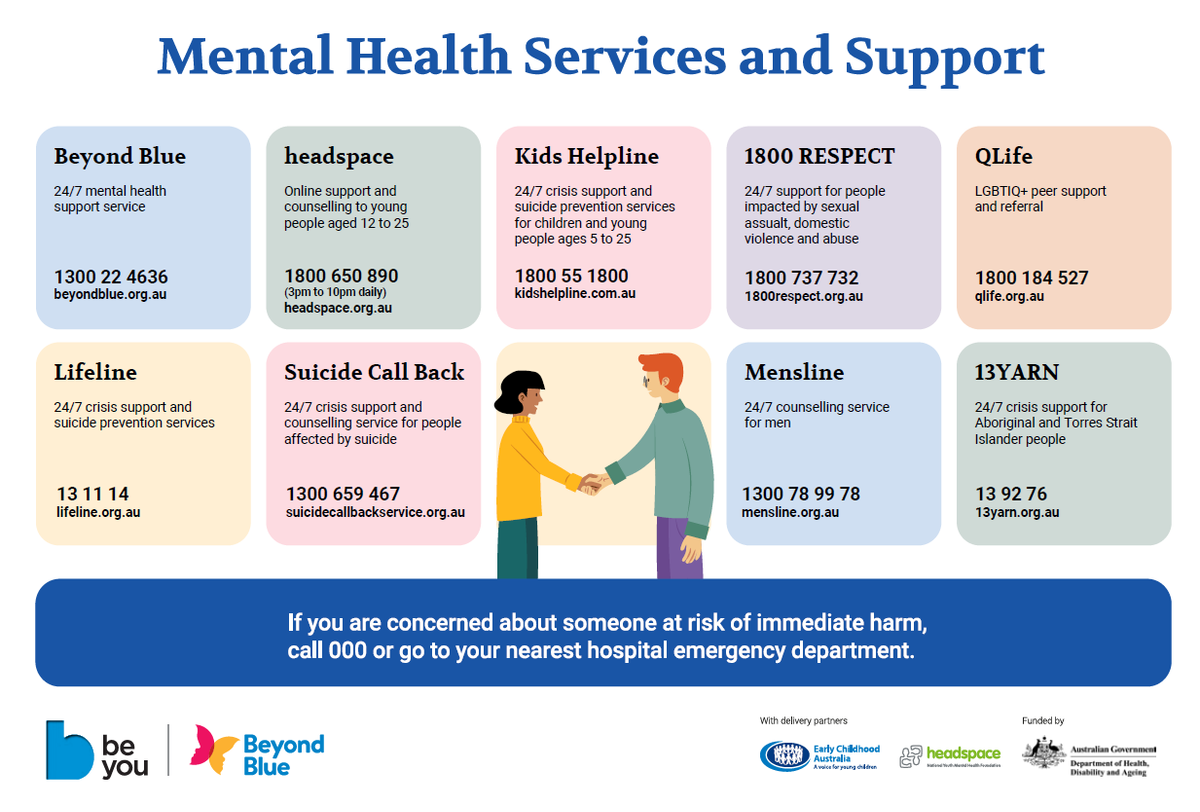
If you or anyone you know is experiencing emotional distress, please feel free to contact any of the services below for advice and support.
Gallery Image