Years 3/4 - Term 2
Middle School

Years 3/4 - Term 2
Middle School
Looking Ahead
Term 1 was a wonderful start to the year, with students working hard across all learning areas and showing great growth in confidence, independence and enthusiasm. We are now looking forward to an exciting Term 2, where students will continue to strengthen their maths skills across a range of strategies, develop their research and summarising skills in reading, and grow as writers through greater understanding of sentence types, and writing techniques. Our STEAM learning will also provide many hands-on opportunities as students investigate liveable community spaces, plants and sustainable practices. We are excited for another busy and successful term ahead.
Mathematics
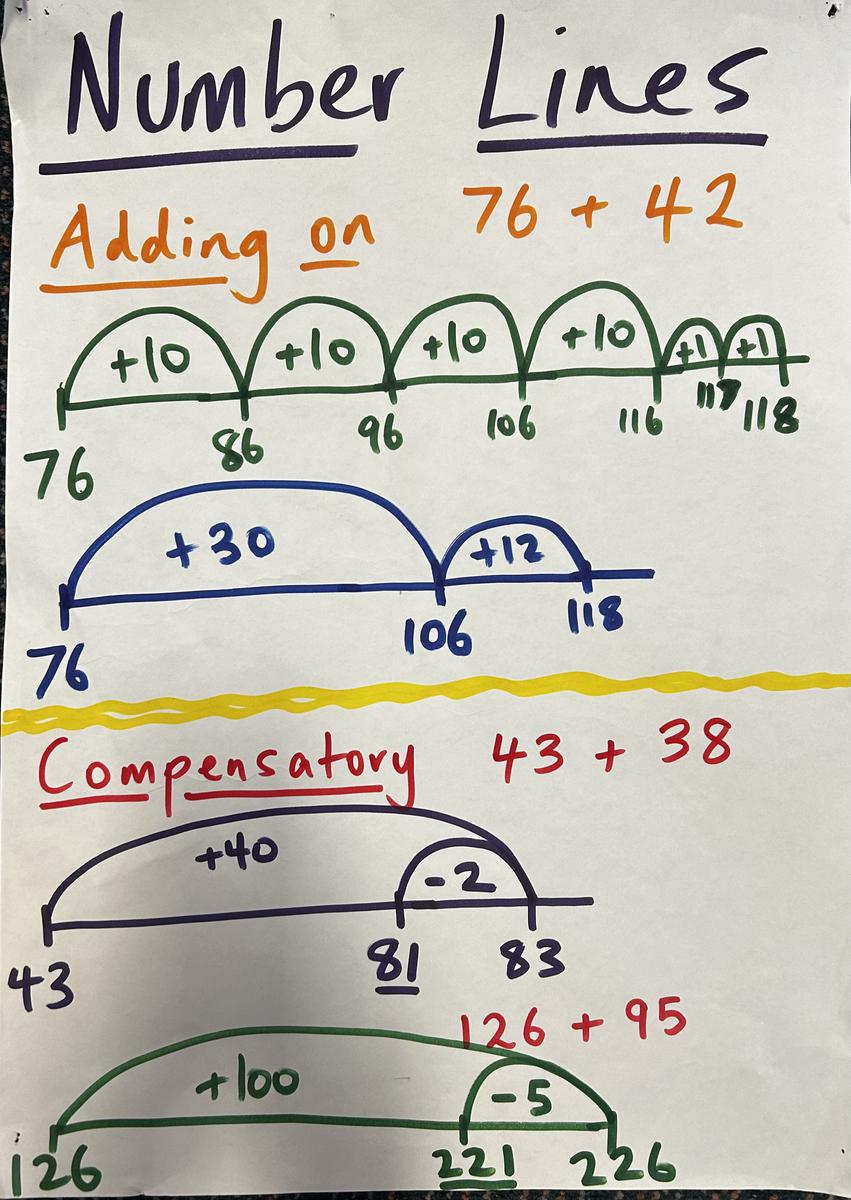
In Term 2, the main focus will be on addition and subtraction. Students will revise previously learned strategies such as building to 10, fact families, adding 9, doubles, and near doubles to solve simple addition and subtraction problems. They will then learn new strategies to solve 3-digit addition and subtraction problems, including the compensation strategy, using a number line (jump strategy), and partitioning numbers.
Students will also learn to identify and describe angles as equal to, less than, or greater than a right angle. In addition, they will explore 2D shapes and their properties and develop skills in collecting and analysing simple data.
Literacy - Reader’s Workshop
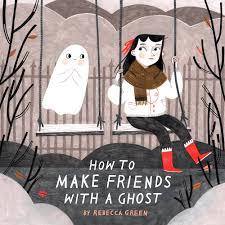
This term, our 3/4 students will be learning about both procedural and information texts. They will explore key features, analyse the author's purpose and audience, while exploring a range of examples through mentor texts such as, “How To Make Friends With a Ghost”, 'how-to' texts and recipes.
Students will be learning to recognise the importance of transition words, (e.g. first, next, finally), analyse clear steps and action verbs, and evaluate the effectiveness of multi-step instructions. In their work with information texts, they will learn about features such as headings, paragraphs and factual content, while identifying main ideas and supporting details. Students will also be learning to compare different texts, build topic-specific vocabulary, and analyse the structure of full information reports. Through reviewing and editing their own writing for clarity, grammar and accuracy, they will develop a strong understanding of how procedural and information texts differ and how each is used effectively.
Literacy - Writer’s Workshop
In Term 1, there was a strong focus on the structure of simple sentences. Students learned that a simple sentence includes a subject and a verb (or verb group), begins with a capital letter, and ends with correct punctuation- this is known as a clause. They also explored how simple sentences can be expanded with extra detail through the addition of surrounding circumstances (adverbials that tell us how, when, why or where). While these are not essential to the sentence, they help make writing more interesting and informative.
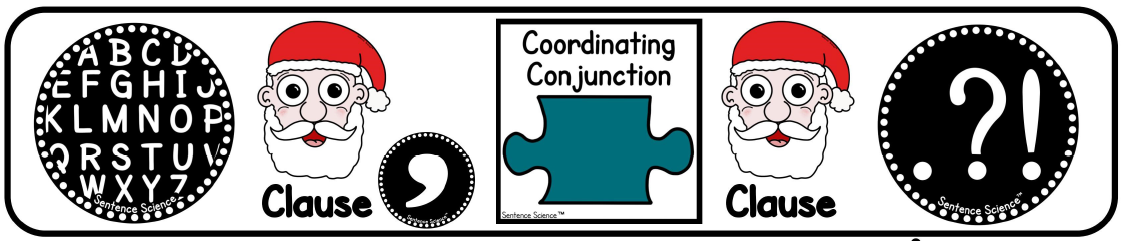
This term, students will build on this understanding as they begin to explore and write their own compound sentences. They will learn how to join two independent clauses together using coordinating conjunctions (For, And, Nor, But, Or, Yet, So – FANBOYS) to make their writing more detailed and engaging.
Alongside this, students will explore both informative and procedural writing, using mentor texts to guide their understanding of structure, language choices and key features. They will focus on organising their ideas clearly and writing for different purposes and audiences. We’re looking forward to seeing students grow in confidence as they develop their writing skills this term!
Inquiry
This term in STEAM, students will be exploring how communities grow and how spaces can be designed to support both people and the environment. They will investigate what
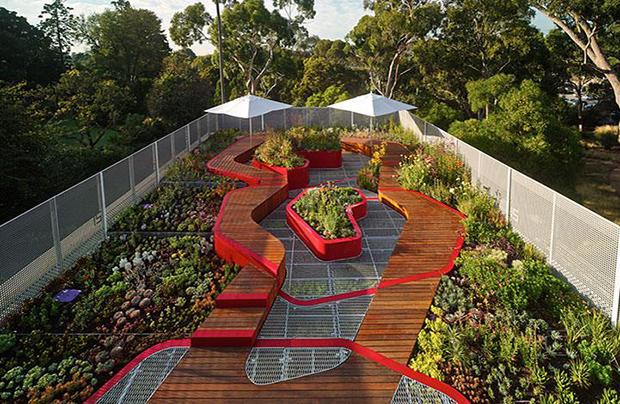
makes a place liveable, including the importance of green spaces for wellbeing, shade and cooling. As part of this learning, students will explore how plants grow and what they need to survive, using simple experiments to observe changes over time. They will also learn about Indigenous plant species and how these plants are suited to local environments.
Students will be learning through hands on activities as they explore how weather and environmental factors such as wind, rain and erosion can impact buildings and outdoor spaces.
Homework
For take home books, students are asked read their library books (from main or classroom library) at home for 10-20 minutes minimum, 3-4 times a week. Some students may also come home with decodable texts to read as a take home reader.
Online platform Epic! is a fantastic resource, with a libraray of appropriate content, that students can read at home until 4pm each day
Students will take their Handwriting books home for practise and will be sighted each Monday by the classroom teacher. The book is broken into easily mangeable sections (2 pages), so students can continue working on letter formation.
This term, Year 3/4 students we'd appreciate your child practising number facts and their multiplication facts at home at least once a week. Essential Assessment is an online platform that students are able to access from home to practise these skills, as well as individual learning goals, with revision and learning videos to assist in a range of valuable strategies.
More ideas, links, games and suggestions for revision at home will be communicated via Compass and your child's Google Classroom portal. See link below for games with instructions and activities to play with your child.
Notes/reminders
Term 2 Important Dates:
All further updates throughout the term will also be in the School Newsletter and through the Compass app.
If you have any questions, or need to contact your child's teacher, please don't hesitate. Here's to a wonderful Term 2.
Kind Regards,
The Middle School Team
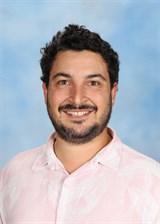
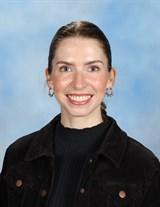
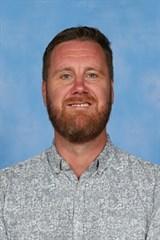
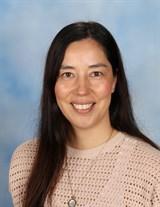
Andy Culvenor, Maddie Daniell, Michael Neal, Kim Ng & Tom Perkin.