
Curriculum News
Naomi Glasby and Conchita Thomas
(Literacy Leader) (Maths Leader)

Curriculum News
Naomi Glasby and Conchita Thomas
(Literacy Leader) (Maths Leader)
A big thank you to all the families who joined us for our second Prep–Year 2 Parent Information Session on Monday 2nd March. It was wonderful to share some tips, tricks and ideas for home learning in bothliteracy and maths with our parent community!
Below is a summary of what was covered in the session for those who were unable to attend.
At the workshop, we delved into the 5 Pillars of Reading and how they each play a part in helping your child become a competent reader. These pillars are:
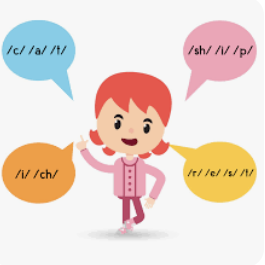
Before children look at letters, they need to hear the sounds within words.
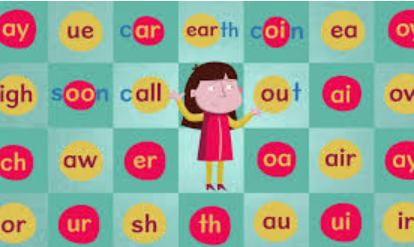
This is where the magic happens! Connecting those sounds to actual letters on a page.
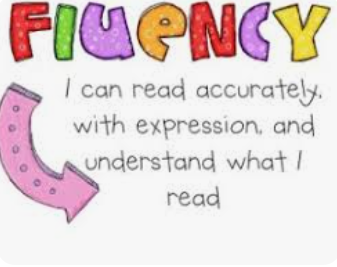
Fluency is the bridge between figuring out words and actually understanding them.
To understand a story, a child needs a
"mental dictionary" of what words actually mean.
This is the ultimate prize. It’s not just about saying the words; it’s about understanding them.
At the workshop, we looked at Phonics in particular and what your child's brain is doing when it is reading or spelling a word. We looked at some resources the teachers use to help your child with Phonics.
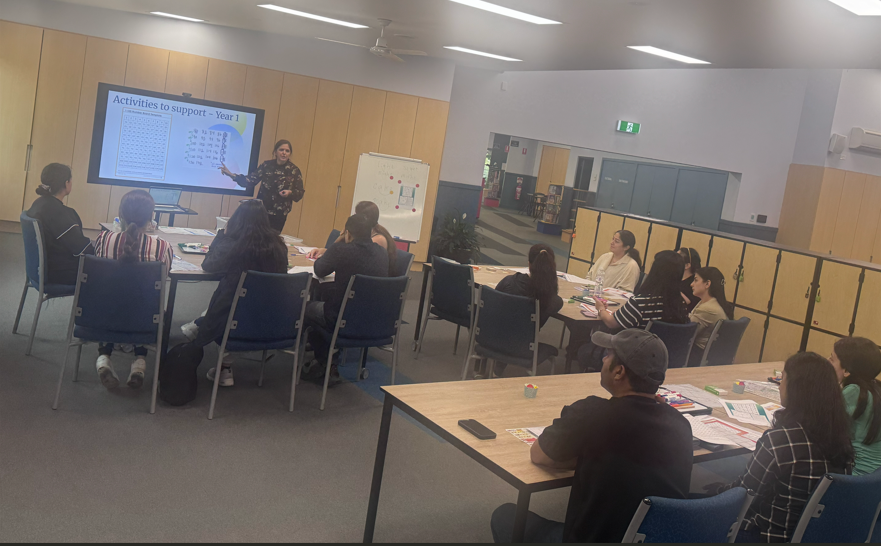
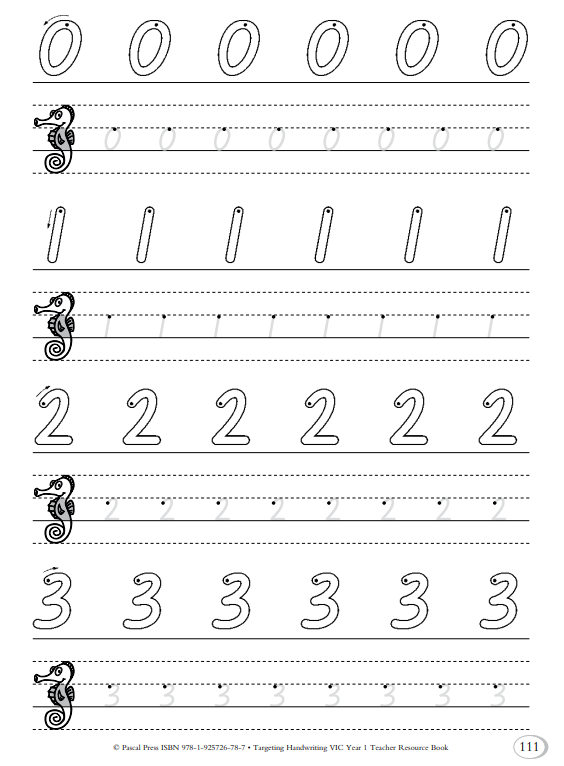
We explored a number of different games and activities that matched with the curriculum for Prep, Year One and Year Two to support developing fluency. Parents were provided with templates that they could use at home with their children, such as handwriting ones for Prep that showed how to form the digits 0-9:
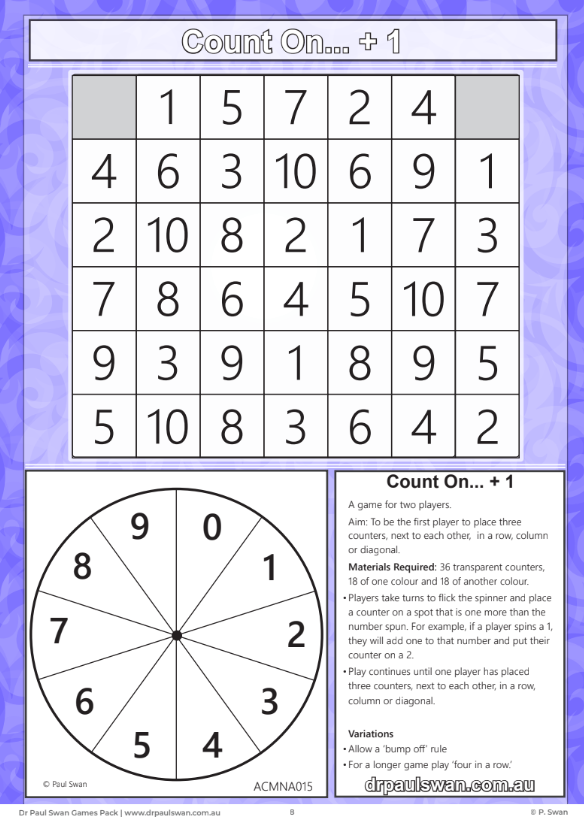
For students in Prep, we also looked at some counting activities and the importance of the children touching each object as they say the matching number. Once children are able to count forwards and backwards from 1-10, they could play the following game at home with a family member, to practise counting on from a number:
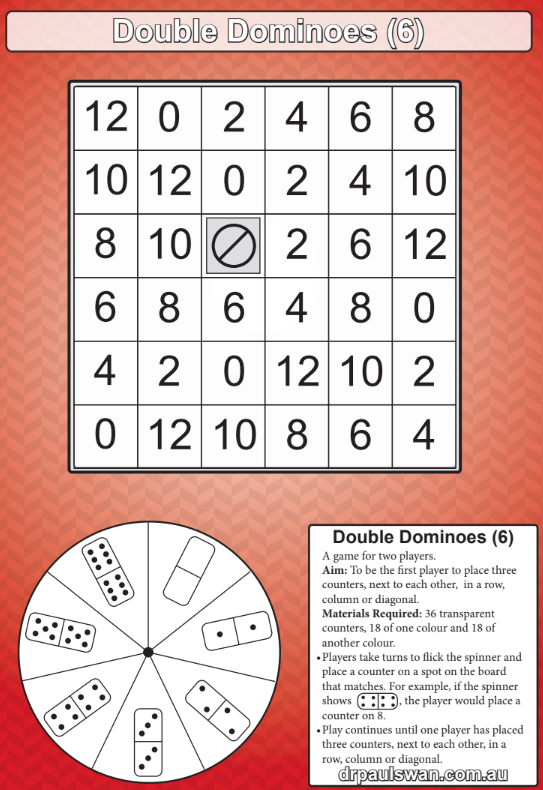
For Year 1, we also looked at counting, but how that extends to counting 1-130 (forwards & backwards). This also included skip counting in that range, counting by 10s, then 5s then 2s. Parent were shown different strategies to support counting, from using a number chart, to a strategy called 'Choral Counting'. There were 3 games introduced, to help families support their children in developing fluency with their double facts. One of these is shown below.
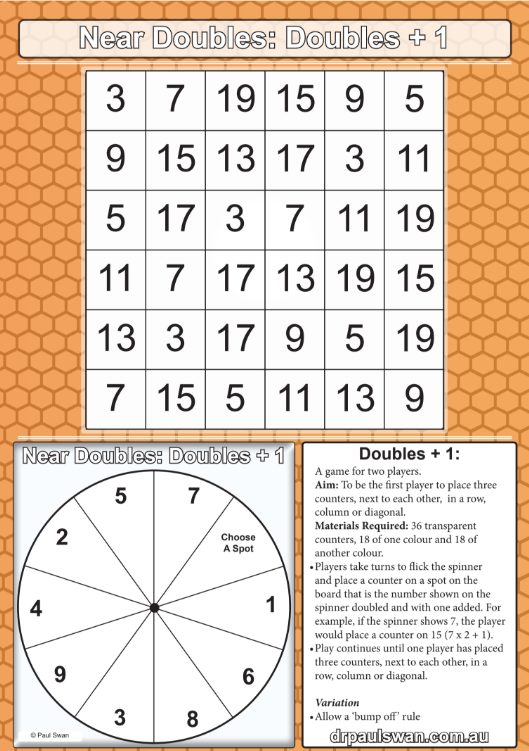
For Year 2, we looked at how the counting range extended up to at least 1,000 and skip counting patterns included counting by 10s, then 5s, then 2s from any number within the range 1 - 1,000. Building on the doubles facts, for children in Year 2 we looked at games involving 'near doubles'. These include pairs of numbers that may be close to a double fact by 1 or 2, for example, if a child knows that 6 and 6 makes 12, then 6 and 7 (a near double) is 13, as it is one more.
Finally, we also explored games that could be played at home using number lines, dice and Uno cards to help reinforce children's understanding of place value. All the families that attended were able to leave with a pack of templates of games and activities that could be used at home for children from Prep to Year Two.