
Resource Centre
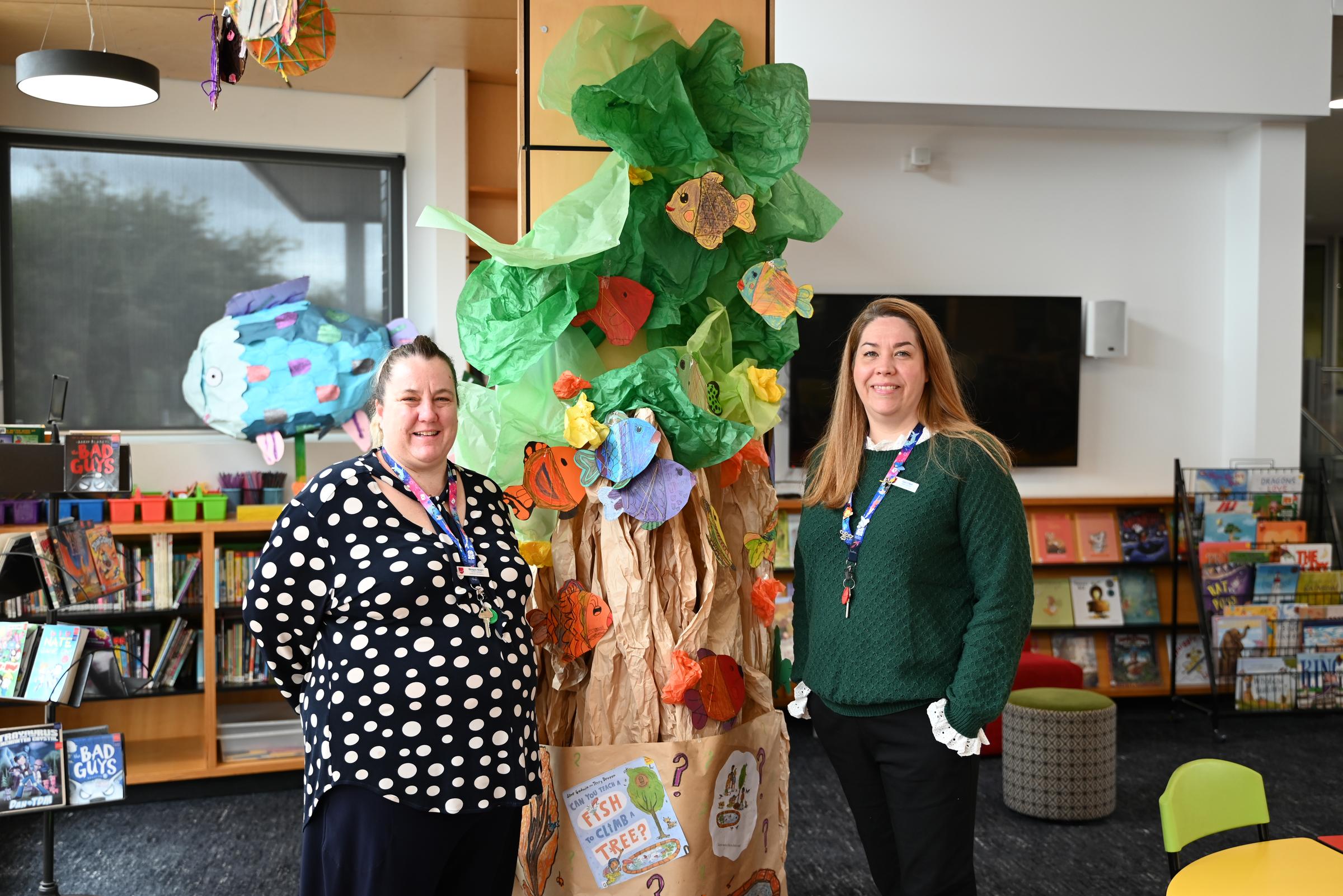
In my last newsletter item, I mentioned that there are 15 posters displayed in the outward-facing window of my office, highlighting the benefits of reading. The first set of posters explores how reading improves our health.
Reading Improves Our Health: Helps You Sleep Better
Many of us find that reading helps us to relax to the point of drifting off to sleep. Whether it is at the end of a busy day or as part of a quiet Saturday or Sunday afternoon, becoming absorbed in a good book allows our minds to unwind and everyday stresses to slip away. As one quote beautifully captures: “Books are the quiet lullabies of a restless mind.” Research supports this experience, showing that reading can reduce stress levels by almost 20% after just five minutes, helping us to manage both immediate and future stress more effectively.
Research further suggests that reading can be highly therapeutic. It not only helps us to relax and prepare for restful sleep, but it has also been shown to lower blood pressure and calm the mind. One study even found that sleep disturbance is likely to be lower, on average, by between two and four units when individuals read a book in bed before going to sleep. This sense of relaxation contributes to deeper, more restorative sleep and supports overall wellbeing.
In fact, 43% of readers report that reading before bedtime helps them achieve a better night’s sleep. Reading uplifting or positive material, in particular, can further enhance a healthy sleep cycle and promote a positive state of mind, while regular reading has also been linked to improved emotional wellbeing.
It is also recommended to choose a printed book rather than reading on a screen before bedtime, as the blue light emitted by digital devices can interfere with sleep and keep us awake for longer periods.
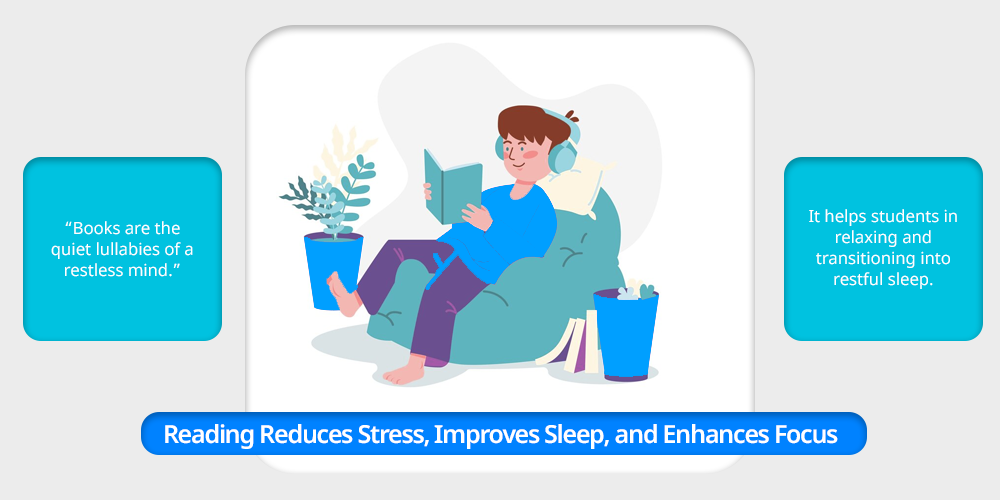
Reading Improves our Health: Improves your Mental Health
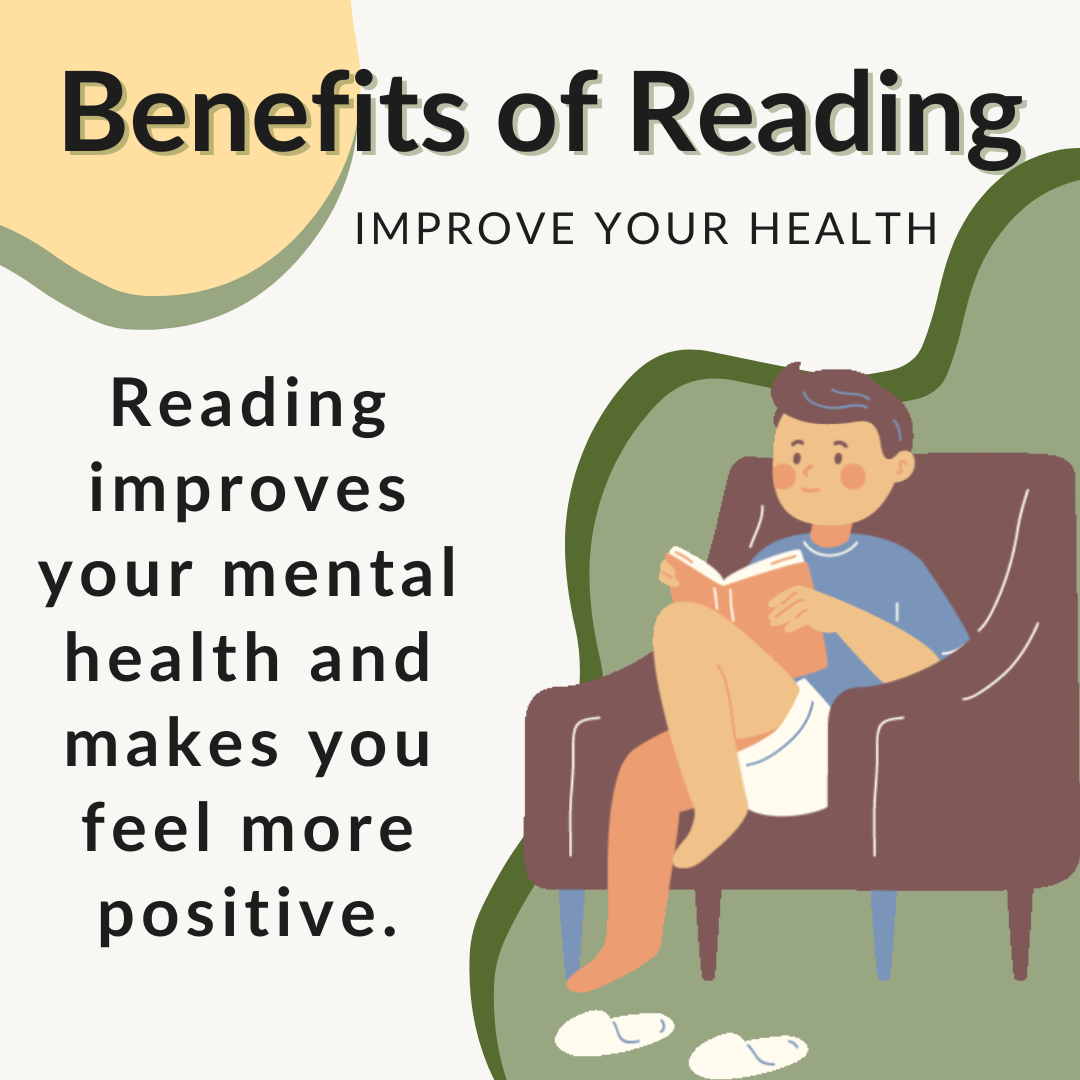
How Can Reading Support Your Mental Health?
Research clearly demonstrates the many benefits that reading for pleasure can have on mental health, mindfulness, and overall wellbeing. In a fast-paced, constantly moving world, reading encourages us to slow down, pause, and be present in the moment.
For individuals who may feel isolated, books can provide a powerful sense of connection. Loneliness can often give rise to negative thoughts, yet stories and their characters offer comfort, companionship, and perspective. Through reading, individuals can develop a more optimistic outlook and feel less alone. Research has also shown that people who read fiction more frequently are considerably less likely to experience feelings of loneliness than those who read less often.
Reducing Depression
Reading can play an important role in reducing feelings of depression. Books offer an escape from challenging or distressing circumstances, allowing readers to step into different worlds and experiences. Importantly, when readers encounter characters whose journeys reflect their own, it can be both reassuring and empowering. Seeing aspects of their own lives mirrored in a story helps individuals to process emotions and feel understood, ultimately supporting a more positive sense of self.
Managing Anxiety
Managing anxiety is not always easy; however, reading can provide meaningful support. With a wide range of genres available, readers can select texts that suit their needs and preferences. Books with uplifting, motivational, or calming themes can offer emotional comfort, particularly during stressful periods such as busy academic phases. This gentle engagement promotes relaxation, reduces anxiety, and contributes to improved mental wellbeing.
Studies with school students have also shown that reading can lead to reductions in depression and anxiety, as well as improvements in mindfulness, optimism, and positive emotions.
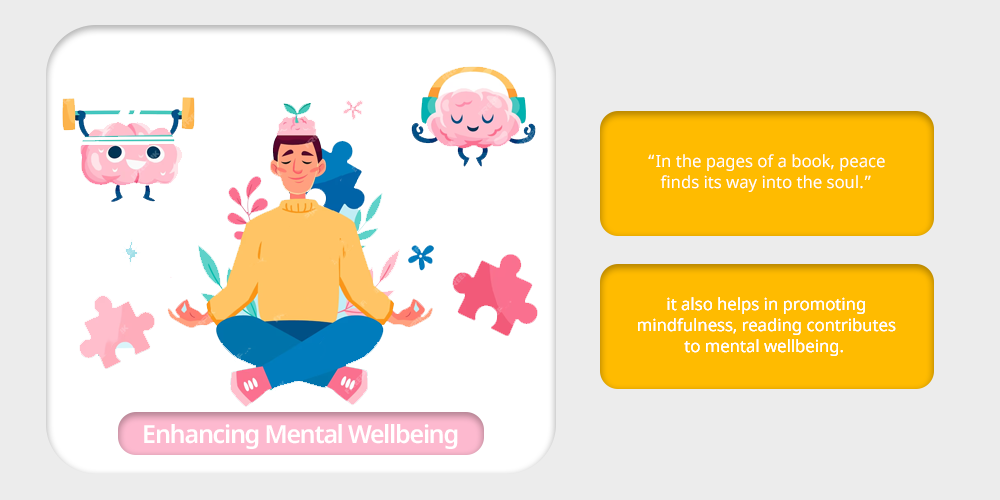
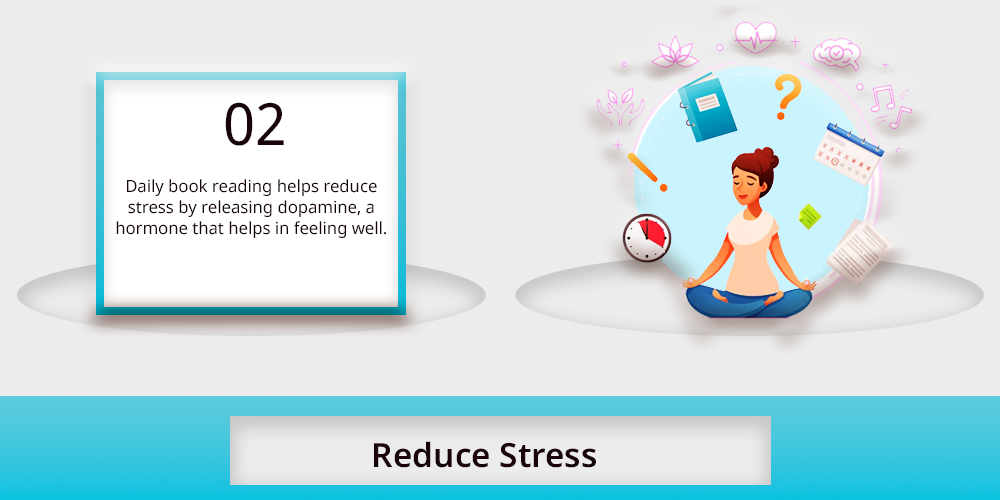
Reading Improves Our Health: Reduces Stress
The Benefits of Reading for Children
Developing a regular reading habit plays an important role in reducing stress and improving concentration in children. Reading provides a sense of calm, helping the body to relax, easing anxiety, and supporting overall wellbeing.
Daily reading can help to lower stress levels by encouraging the release of dopamine, a hormone associated with feelings of pleasure and wellbeing. For children, engaging with storybooks not only nurtures the imagination but also promotes physical relaxation. This can contribute to a lower heart rate and blood pressure, a calmer mind, and improved sleep quality.
In addition, regular reading fosters a positive outlook and strengthens critical thinking skills. It encourages reflection, creativity, and deeper engagement with ideas, all of which support a child’s intellectual and emotional development.
Every reader is unique, with individual preferences across a wide range of genres, including novels, short stories, drama, poetry, autobiographies, travel writing, and historical texts. Encouraging children to explore different types of literature enables them to discover their interests and develop a lifelong love of reading.
However, in today’s digital age, reading habits are changing. Increasingly, children are drawn to screens and mobile devices rather than books. This makes it more important than ever to promote reading as an enjoyable and valuable activity that supports both learning and wellbeing.
By fostering a love of reading early, we equip children with skills and habits that will benefit them throughout their lives.
National Simultaneous Storytime 2026
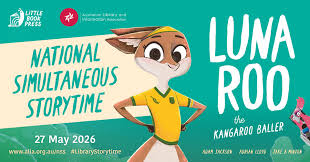
Now in its 26th year, this colourful, vibrant, and engaging event promotes the value of reading and literacy through an Australian children’s book that explores age-appropriate themes and supports key learning areas of the National Curriculum for Foundation to Year 6.
This year’s book, Luna Roo, follows rookie captain Luna Roo as she leaves nothing on the pitch while leading FC Outback in a thrilling match against Bush United. Faced with a spider goalkeeper, snakes in attack, and her own nerves, Luna must trust her skills and her teammates to achieve success. Written by football enthusiasts Adam Jackson and Adrian Lloyd, Luna Roo captures the excitement of the game while delivering a heart-warming message about courage and determination.
To find out more, please visit: https://www.alia.org.au/nss
Our Resource Centre team has been working hard to organise a range of lunchtime activities.
We are looking forward to the exciting activities planned over the next two weeks. Please see the flyer below, which has also been distributed to Kindergarten to Year 4 classrooms.
Premier’s Reading Challenge
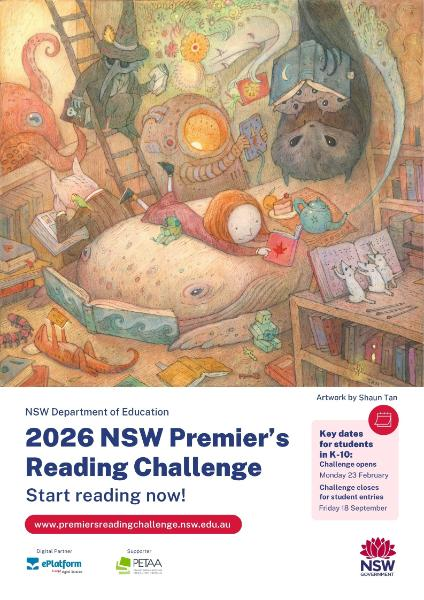
Key Dates
Challenge opens: 23 February
Challenge closes: 18 September
Once student passwords are received, we will communicate these through your child’s diary or via email. I am currently registering students who are new to the PRC NSW and hope to have login credentials issued soon to all those waiting.
Finding Books for the Challenge
There are several easy ways for you and your child to locate books from the PRC Booklist:
Through Your Child’s PRC Account
Once logged in, students can access a direct link to the booklist for their Challenge level (K–2, Years 3–4, Years 5–6, Years 7–9, Years 10+).
On the PRC Website
You can browse the full booklists online: https://online.education.nsw.gov.au/prc/booklist/home.html
In Our School Library
PRC books are available in clearly labelled tubs and on display for easy access.
Beanstack Reading Challenge

We are excited to introduce Beanstack, our new reading challenge platform, now available to Year 5, 6 and 7 students.
Beanstack uses competition, recognition, and proven gamification strategies to motivate students to read and develop a lifelong love of reading. Whether your child enjoys fiction, non-fiction, graphic novels, or online articles, all reading can be recorded in Beanstack. By tracking their daily reading, students can build positive reading habits and grow in confidence as readers.
When students log their reading using Beanstack’s web or mobile app, they can:
- earn digital badges as they reach milestones
- compete on leaderboards and build daily reading streaks
track everything they read on their virtual bookshelf
For a glimpse of what students will experience with Beanstack, please click here.
Well done to those Year 5, 6, and 7 students who have already logged in and started earning badges.
Hi Meagan,
Congratulations! Your school has been awarded Beanstack’s Reading Culture Igniter badge for reaching 25% student participation. As an award recipient, you’re receiving a Reading Culture Rebate of $25 in the form of a gift card, redeemable at Amazon, Barnes & Noble, Papa John’s, Dunkin, Target, or Walmart, via the link below.
We hope you’ll use this rebate to celebrate reading at your school. Below are a few ideas to get you started:
1. Purchase stickers, bookmarks, or pencils for your next challenge
2. Reward your winning class with candy, popcorn, or donut holes
3. Buy new books for your library
Achieving this milestone means you are building a strong culture of reading in your school community using Beanstack—well on your way to reaching the Pathfinder and Trailblazer milestones!
Keep reading,
The Beanstack Team
I will let you know how we spend our 25-dollar Amazon voucher.
Resource Centre Important Dates
| 27th May at 12pm | National Simultaneous Storytime in the Multi-Purpose Hall |
| 27th & 28th August | Book Fair open for Sales |
| 24-28th August | Book Week |
| 26th August | Character Parade |
| 18th September | Premier's Reading Challenge Closes. |
Keep reading, everyone!
The power of reading is immersive.
"Books and doors are the same thing. You open them, and you go through into another world."
- Jeanette Winterson
”Today a reader, tomorrow a leader.”
-Margaret Fuller
Important details
Opening Hours:
| Day | Time |
|---|---|
| Monday - Thursday | 8.30 am - 4.30 pm |
| Friday | 8.30 am - 4.00 pm |
Passwords
If you haven’t received your new password yet, please contact the Resource Centre at library@moamagrammar.nsw.edu.au. We’ll ensure your password is sent to you as soon as possible.
Borrowing and Returns
Students may borrow and return books before school, at recess, lunchtime, and after school. Primary School students also have the opportunity to borrow during their fortnightly Library lessons, with books due back at their next session. Students in Years 7–9 have now begun visiting the Resource Centre regularly. Their books are due two weeks after the date of borrowing.
Borrowing Permissions
If students are requesting to borrow books above their age level, we request parents to write a letter regarding their permission for their child to borrow and read a specific book, which will be reviewed by library staff.
Renewals
Students may renew their books for an additional two weeks by speaking to staff at the Library Circulation Desk. If a further extension is required after this period, students must bring the book with them so staff can sight it before approving the renewal. Students may also renew their books by emailing the Library or by logging on to the school Library website, which is accessible through their SEQTA account.
Requests
If your child would like to borrow a specific book and the title is not included in our current catalogue, we will add this to our purchase wishlist.
Overdue notices
If you receive an overdue notice, there is a chance that the books may have been processed through our system after the email was sent. We encourage all parents to follow up on any issues by emailing the Resource Centre at library@moamagrammar.nsw.edu.au
Reading Permissions
Due to our shared space catering for students from Kindergarten to Year 12, our library collection is organised to help students easily find books with protagonists close to their own age. For example, in the Upper Primary section, most of the characters are between 11 and 13 years old. This approach ensures that themes and content remain age-appropriate, and also supports students in reading independently and with confidence.
When deciding where books are placed within the collection, we are guided by author and publisher recommendations.
If you have any other enquiries, issues or concerns, please do not hesitate to contact us via phone by ringing the main office or via email address at library@moamagrammar.nsw.edu.au
Keep reading everyone!
Kind regards,
Ms Height and Ms O’Neill
Resource Centre Team