
VCE News

Lindy Gumpold - VCE Coordinator
Lindy Gumpold - VCE Coordinator
As we reach the end of Term 2, students should take a moment to acknowledge the hard work and commitment they have shown throughout a busy semester. SACs, coursework, revision, co-curricular activities, part-time work, and personal commitments all require significant time and energy. Completing the first half of the year is an achievement worth recognising.
A particular highlight of the term has been the completion of the practise examinations. Students approached these assessments with maturity and determination, demonstrating their willingness to challenge themselves under examination conditions. Practice exams are an invaluable learning opportunity, providing students with insight into their strengths and identifying areas for further growth. The positive attitude shown by students throughout this process has been encouraging and has laid a strong foundation for continued improvement during Semester Two.
As the semester concludes, it is important for all students to maintain a healthy balance between academic responsibilities and personal well-being. While continued engagement with learning can help reinforce knowledge and skills, students should also ensure they are making time for adequate sleep, exercise, social connection, and activities they enjoy. Establishing sustainable habits is essential for long-term success.
The beginning of Semester Two marks an important transition point. Unit 2 students will continue developing the knowledge, skills, and confidence that will support them as they move through their VCE studies. Building strong study routines, engaging actively in class, and reflecting on feedback will help students make the most of the opportunities ahead.
For Unit 4 students, Semester Two represents the final stage of their VCE journey. The coming months provide an opportunity to consolidate understanding, refine examination techniques, and focus on targeted improvement. Consistent effort, effective organisation, and attention to wellbeing will be key factors in navigating this important period successfully.
As we move into the second half of the year, students are encouraged to reflect on their progress, celebrate their achievements, and set clear goals for the months ahead. Academic success is not simply the result of hard work; it is also supported by balance, resilience, and the ability to maintain perspective throughout the year.
We look forward to supporting all students as they begin Semester Two and continue working towards their personal and academic goals.
Scholarship Opportunity
Using Study Hall
A reminder to all students that Study Hall is a valuable part of the school week and should be used purposefully. By this stage of the term, students should have developed a clear plan for how to make the most of this time, with a balanced approach to reviewing all of their subjects.
It can be tempting to prioritise content-heavy subjects; however, this often leads to other areas being overlooked. Consistent, smaller bursts of revision across all subjects are far more effective than focusing on just one or two.
We encourage students to plan their Study Hall time across the week, ensuring every subject is revisited regularly. Even dedicating 10–15 minutes to a specific skill, concept, or set of notes can make a significant difference, particularly when preparing for upcoming SACs.
Revision Lectures
As the year progresses, a range of revision lectures will become available to support students in their VCE preparation. During the Term 2 holiday period, Australian Catholic University will be offering free online exam revision workshops for Unit 3 students.
These sessions are free of charge, and all students who register will receive access to a recording after the session, along with a comprehensive student resource booklet to support their revision.
Looking ahead, additional free revision lectures will be offered at Federation University during the Term 3 holiday period. Further details about these sessions will be provided in Term 2.
We strongly encourage students to take advantage of these opportunities to consolidate their understanding and build confidence ahead of exams.
Product Design & Technologies
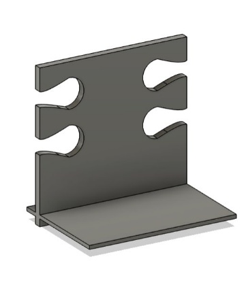
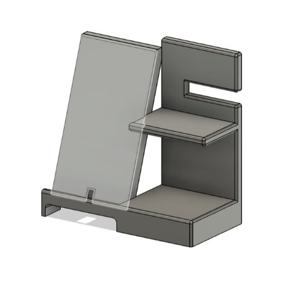
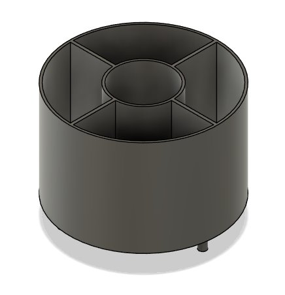
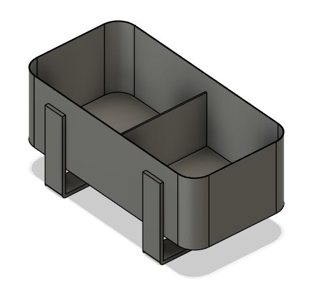
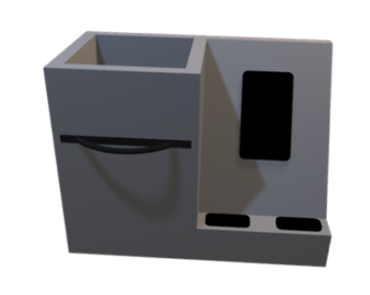
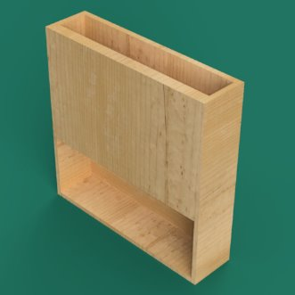
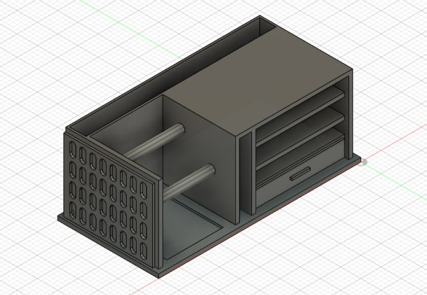
The Year 11 Product Design & Technologies students have been busy developing their creativity, design thinking and manufacturing skills through their Unit 1 Gadget Organiser Project. Using the Double Diamond Design Process, students explored the stages of discovering, defining, developing and delivering innovative ideas to create a functional organiser suited to modern devices and accessories.
Throughout the project, students documented their complete design journey in an electronic portfolio. This included writing a detailed design brief, analysing existing products, researching suitable materials and developing design specifications to guide their work. Students then generated a range of design ideas through sketching before refining their concepts into two separate 3D CAD models using Autodesk Fusion.
From these concepts, students produced a final rendered model accompanied by professional engineering drawings. They also developed a production plan, maintained a detailed diary of manufacture and completed a final evaluation reflecting on the success of their design and production processes.
The project has provided students with valuable experience in design communication, problem solving and digital manufacturing technologies. Please enjoy a selection of the impressive CAD models created by the class using Autodesk Fusion. More pictures of their manufactured prototypes to follow in the next newsletter!


After School Study
Beyond the ever-popular hot chips on Mondays and pizza on Thursdays, After School Study offers students valuable academic support in a relaxed and productive environment in the library.
- Tutors are available at all sessions to provide extra guidance.
- Teachers are particularly available during Thursday sessions for subject-specific assistance.
After School Study is an excellent opportunity for students to consolidate learning, seek clarification before SACs, and develop strong study habits — all within a supportive setting.
With only 30 teaching weeks available to our Year 12 students, time is precious. Strong attendance, effective use of Study Hall, and engagement in After School Study will make a significant difference as students move steadily toward their final VCE examinations. It has been a positive and focused start to 2026, and we look forward to seeing this momentum continue.
2026 Special Examination Arrangements
Special Examination Arrangements are supports for students who have a disability, illness or other circumstances that make it difficult to complete VCE exams under normal conditions. They can help you access the exam fairly - so you can show what you know. These arrangements can apply to written exams, oral or performance exams, the Extended Investigation oral presentation and critical thinking test (CTT), and the General Achievement Test (GAT).
Who can apply?
You may be eligible if you have a condition that affects your ability to read or write, concentrate or manage anxiety, move or communicate, or see or hear clearly. This includes disabilities or illnesses as defined under the Disability Discrimination Act 1992 (CWlth).
How to Apply?
- You don’t apply directly - your school applies to the VCAA on your behalf.
- Your school will collect supporting evidence (for example, from a doctor, psychologist, or specialist).
- The principal must approve the application before it’s sent to the VCAA (Victorian Curriculum and Assessment Authority).
- The VCAA reviews your application and decides which arrangements are fair and suitable for your needs.
Examples of Possible Arrangements
- Extra writing or reading time
- Rest breaks
- Use of a computer or assistive technology
(Note: Schools can’t provide special arrangements unless they’re approved by the VCAA.)
Why Apply Early?
It’s best to start planning early — even before VCE. Talking to your school in Years 7–10 helps them put the right supports in place for classwork and school-based assessments. These same supports can then be included in your VCAA application later on.
After You’re Approved
If your application is approved, your arrangements will usually apply to future VCE or VET Unit 3–4 subjects as well. The VCAA may sometimes ask for updated information if your condition or needs change.
Need Help
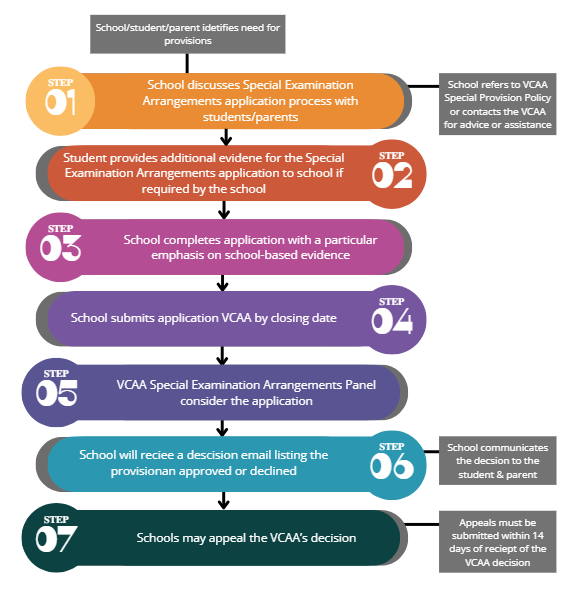
Talk to your VCE Coordinator, DI Specialist, or Wellbeing Team if you think you may need Special Examination Arrangements. They provide information on key dates and guide you through the paperwork process.
Lindy Gumpold
VCE Team Leader