Leaders of Learning
From the Instructional Speciliast and K-2 and 3-6 Leaders of Learning
Leaders of Learning
From the Instructional Speciliast and K-2 and 3-6 Leaders of Learning
Supporting Your Child’s Numeracy Skills at Home
Helping your child develop strong numeracy skills doesn't have to mean more worksheets, it can happen in everyday activities you already do! Research shows that when children engage with mathematics in real-world contexts, they build deeper understanding, problem-solving skills, and confidence.
Here are practical, stage-specific ideas to help your child strengthen their mathematical skills at home.
Kindergarten (Early Stage 1)
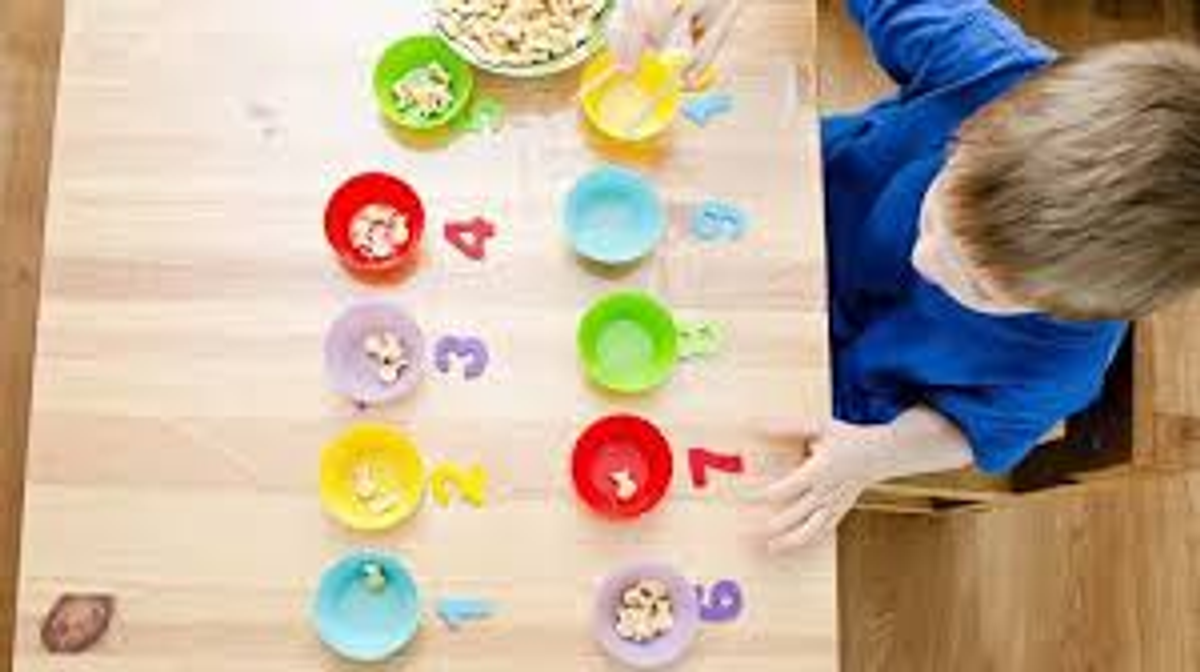
Focus: Counting, patterns, shapes, early measurement, number recognition.
🔸 Count everything! Count steps, apples, toys, or cars passing by.
🔸 Shopping helper: Ask your child to find a number of items (“Can you get 5 apples?”) or compare sizes and weights.
🔸 Shape hunt: Look for 2D shapes at home or outside (e.g. round plates, square windows).
🔸 Sorting fun: Sort socks by colour, size or pattern—great for early data skills.
🔸 Board games: Play simple dice games like Snakes and Ladders to reinforce number sequencing.
Tip: Use everyday language like “more than,” “less than,” “next to,” or “between” to build maths vocabulary.
Stage 1 (Years 1–2)
Focus: Place value, addition & subtraction, time, money, patterns
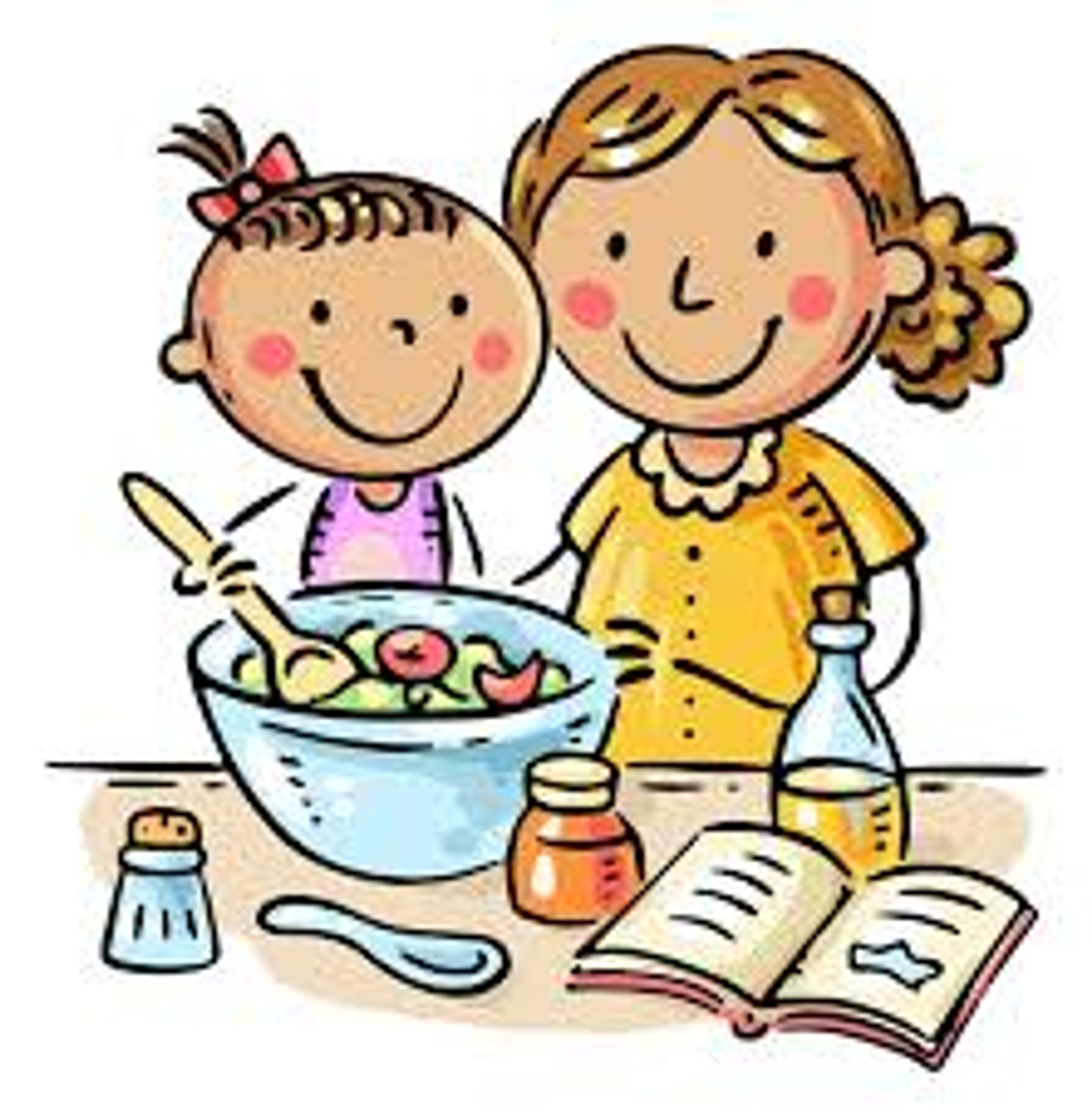
🔸 Cooking together: Measure ingredients, read numbers on scales, and talk about fractions (half, quarter).
🔸 Time talks: Ask questions like “What time will it be in 10 minutes?” or “How long until bedtime?”
🔸 Money matters: Let them count coins, pay for small items, and work out change.
🔸 Car counting: Spot numbers on signs, skip count by 2s, 5s or 10s as you drive. 🔸 Pattern play: Make and describe repeating patterns with blocks, beads or drawings.
Research Insight: Children develop fluency best when they explain how they solved a problem. Ask: “How did you work that out?”
Stage 2 (Years 3–4)
Focus: Multiplication & division, fractions, time, money, problem-solving
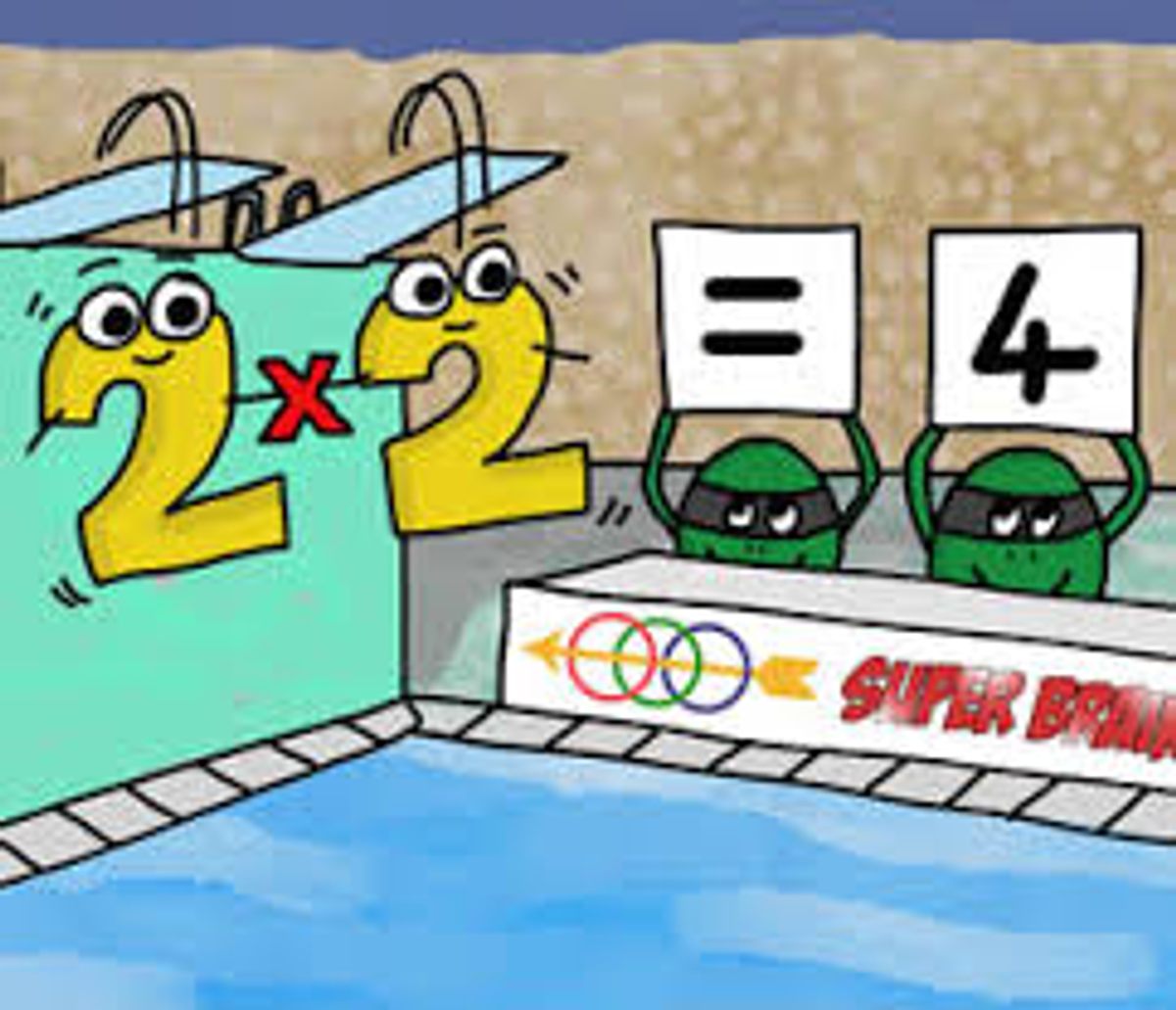
🔸 Times tables games: Use flashcards, apps like Hit the Button, or make a game of rolling dice to multiply numbers.
🔸 Budgeting basics: Give your child a small shopping budget and plan what they can buy within that amount.
🔸 Cook with fractions: Talk about halves, thirds and quarters when slicing food or measuring ingredients.
🔸 Plan a trip: Use maps to estimate distances or read timetables—great for real-world maths!
🔸 Maths in sport: Track scores, calculate averages, or compare player stats.
Parent Tip: Praise effort, not speed. Fast isn’t always best—understanding is key.
📐 Stage 3 (Years 5–6)

Focus: Decimals, percentages, measurement, multi-step problem solving, geometry
🔸 Meal planners: Give your child a weekly food budget to plan meals. Let them compare prices and calculate totals.
🔸 Real-life percentages: Look at discounts in catalogues—“If this is 25% off, how much is it now?”
🔸 Travel time challenges: Use online maps to calculate estimated travel times and distances.
🔸 DIY projects: Build or measure things together—use rulers, tape measures, and scales to calculate area and volume.
Insight from Australian Mathematical Sciences Institute: Children are more engaged when maths feels useful. Connect problems to real situations they care about.
Your support makes a big difference! Everyday maths conversations at home build your child’s confidence and show them that maths is meaningful, not just something done in the classroom.
Miss Matilda Raper
Instructional Specialist
Mrs Alison Poole
Kindergarten - Year 2 Leader of Learning
Mrs Lucy Chigioni
Years 3-6 Leader of Learning