Mental Health
& Wellbeing update
Mental Health
& Wellbeing update
Firstly, I want to say a heartfelt thank you to the families and community members who take the time to read my fortnightly column. Becoming part of the Bridgewater community has been a genuine joy, and I’m so grateful for the warm welcome I’ve received from so many of you.
As this is my final Mental Health and Wellbeing update for 2025, I thought it might be a good moment to share a short reflection on managing “festive stress” as we approach the end of the year. I hope these thoughts offer some support and reassurance during a busy time for families.
Thanks,
Bron Coffey
The holidays can bring extra stress from money worries, juggling work, family and social events, and navigating tricky relationships or family conflicts.
There’s the gift shopping, work deadlines, school events, family catchups, planning meals, organising travel, and getting ready for New Year’s – it can feel like a lot. This time of year can also bring challenges like family tensions, money worries, social expectations, hosting duties, alcohol, and travel.
Feeling like you have to say yes to everything can be tiring. The pressure to live up to other people’s experiences, especially on social media, and reflecting on the year that’s passed can also add pressure on your mental wellbeing.
The stress that comes from these events and situations can affect people in different ways. It can range from a tough week leading up to Christmas Day or extend through the holidays.
People may experience physical symptoms, too. For example, the stress caused by events over the festive season can manifest as headaches, insomnia, and fatigue.
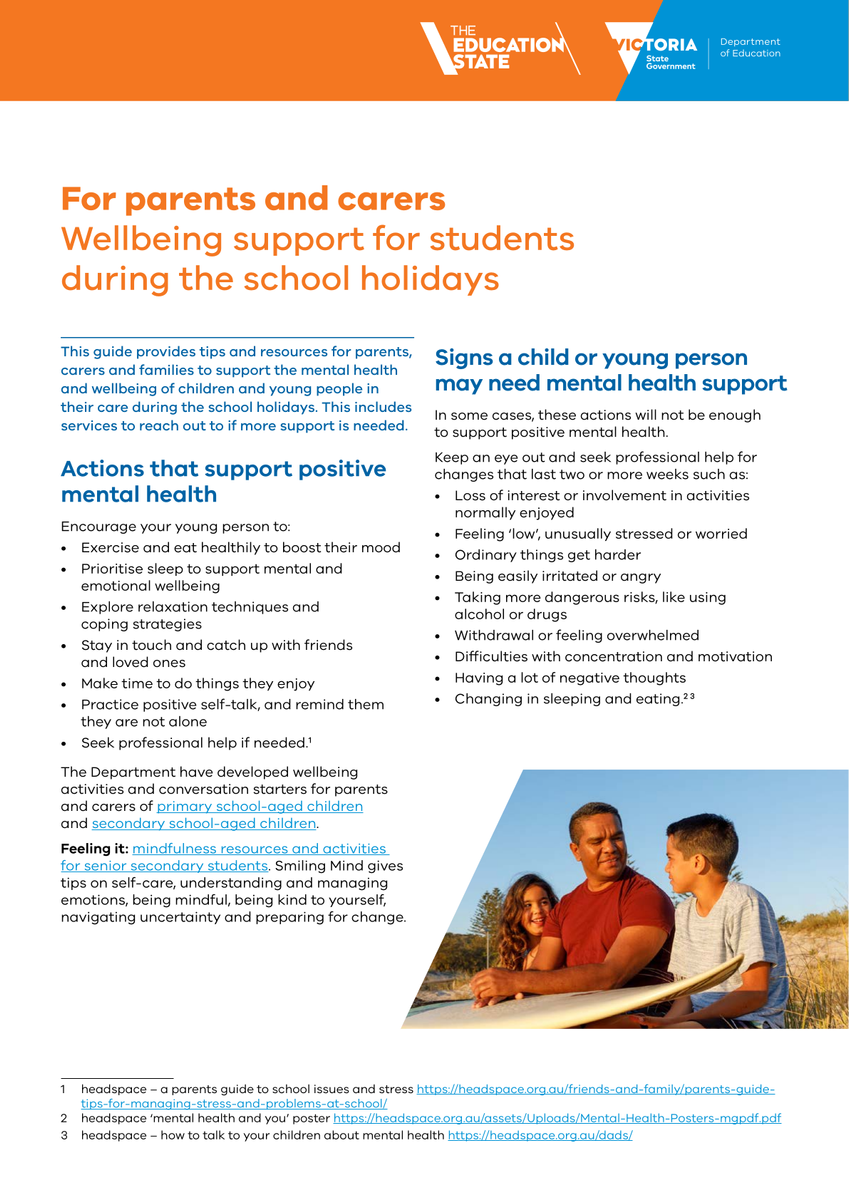
If the end of year is causing increased stress and worry, and negatively impacting your mental health, some of the following tips may help.