
Student Wellbeing
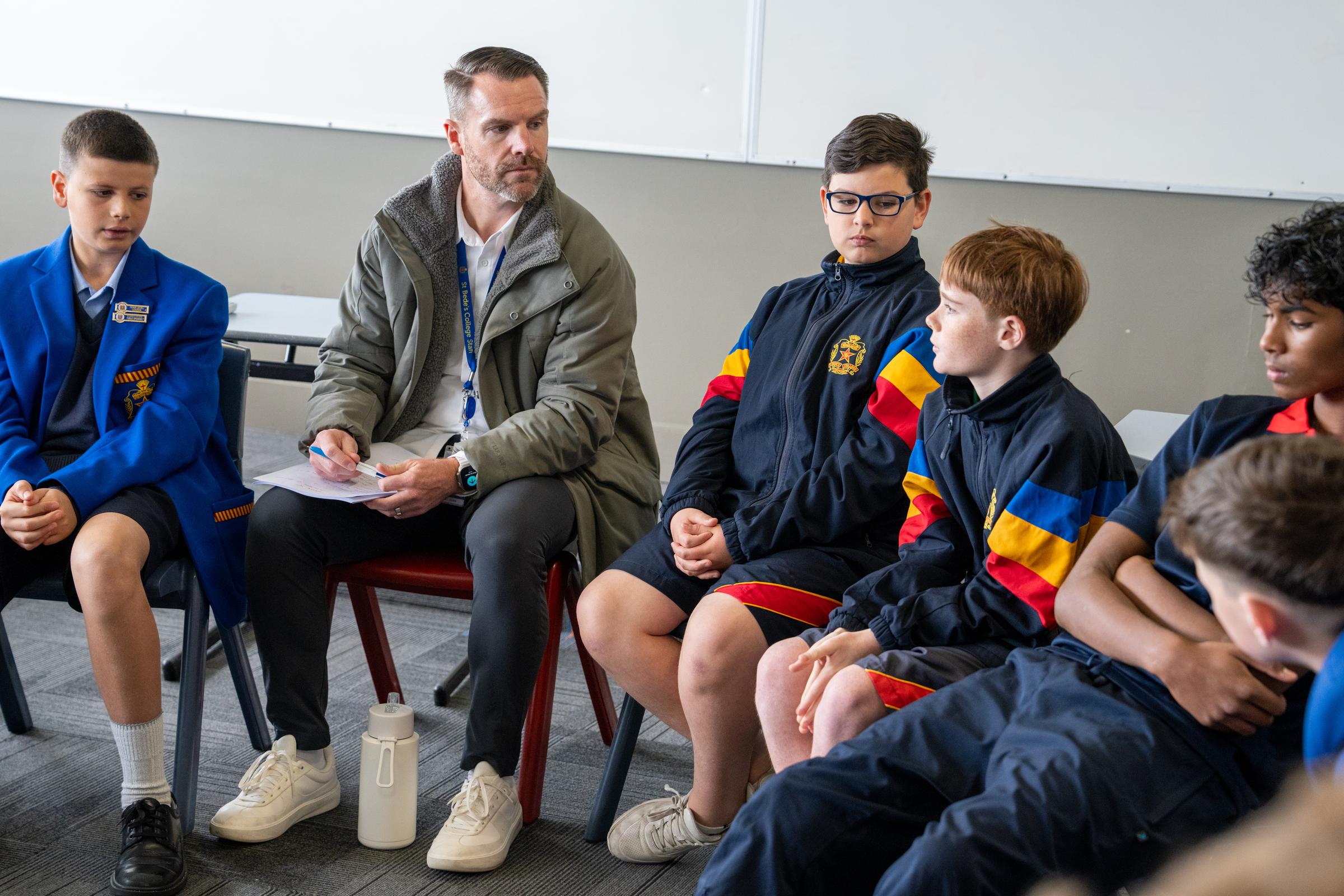
Digital Wellbeing In Our Connected World
With the recent introduction of new social media laws for under-16s, I’m sure many families will be reflecting on how much time young people spend online and how this affects their wellbeing. While these changes aim to create safer digital spaces, they also offer a valuable opportunity to have meaningful conversations about what healthy and balanced technology use looks like for our students.
Digital connection is woven into the fabric of teenage life, whether it’s for learning, communication, entertainment, or self-expression. For most students, screens are not just tools but social spaces where friendships are built and identities explored. However, as beneficial as technology can be, it can also become overwhelming. Extended screen time can affect sleep, focus, and mood, while constant exposure to social media can fuel comparison and self-doubt. These effects often creep in quietly, which is why awareness and intentional habits are so important.
Finding balance is not about banning devices or cutting young people off from their social worlds, it’s about helping them use technology mindfully and purposefully. Encouraging students to take small, regular breaks from screens, spend time outdoors, or connect with others face-to-face can have a noticeable impact on their emotional and physical wellbeing. Families might consider practical steps such as keeping phones out of bedrooms at night, using “tech-free zones” during mealtimes, or setting aside specific periods of the week to unplug together. These small but consistent habits help reset the balance between online engagement and real-world presence.
Equally important is how we talk about technology at home. Young people respond best when these conversations feel open, curious, and without judgment. Ask about what they enjoy online, what they find stressful, and how different apps or games make them feel. These reflective conversations help students develop a sense of digital self-awareness: the ability to notice when online activity supports or hinders their wellbeing.
At St Bede’s, our ICT, Student Wellbeing and pastoral teams continue to promote digital responsibility and respectful online behaviour. We remind students that their online actions, like their offline ones, shape the culture and community they are part of. By learning to self-regulate, reflect, and make thoughtful choices, our students can build a healthy relationship with technology that supports their growth rather than distracts from it.
Key Recommendations
- Encourage regular “tech breaks” and outdoor activities.
- Keep devices out of bedrooms overnight to support better sleep.
- Model balanced, mindful use of technology as adults.
- Talk openly with young people about their online experiences, both the positive and the challenging.
- Reinforce that digital wellbeing is part of overall wellbeing, it’s about feeling in control, connected, and content.
Together, we can help our students thrive in a connected world using technology as a tool for learning, creativity, and genuine connection, rather than a source of stress or comparison.
The Benefits Of Counselling
What College Counselling Offers
Our service is a confidential, professional and inclusive resource for all students from Years 7 to 12, across both campuses. College Counselling is tailored to each specific student and can be offered one-on-one or in a group context.
Support can also last from a ‘one-off’ session to weekly/ongoing appointments.It is designed to provide support for a range of issues, including but not limited to:
- Managing stress and academic pressures
- Building self-esteem and resilience
- Navigating friendships and social dynamics
- Coping with family changes or personal challenges
- Addressing feelings of anxiety or sadness, and many more
How Students Can Access Counselling
- Self-referring to the Wellbeing Coordinator counselling@stbedes.catholic.edu.au
- Drop-in to our Wellbeing Office at our Mentone Campus (near the Chapel gardens)
- Requesting a referral from their Homeroom/Tutor Group teacher, Year Level/House Coordinator on their behalf
- Requesting a referral from their Parent/Guardian on their behalf (either via counselling@stbedes.catholic.edu.au or 9582 5999)
How Families Can Support
As parents and guardians, your role in your child’s wellbeing is invaluable. Some ways you can assist your child include:
- Helping them establish a balanced routine that includes time for study, relaxation, and hobbies
- Encouraging healthy sleep habits and a nutritious diet to support their overall wellbeing
- Being attentive to changes in their behaviour or mood, and gently ask how they are feeling if and when you notice any changes
- Promoting positive self-talk and help them set realistic goals for themselves
- Modelling healthy coping strategies, such as managing stress or problem-solving constructively
- Celebrating their achievements, no matter how small, to boost their confidence
- Encouraging open conversations about their feelings and experiences – but accept and understand if and when they may not want to open up to you (if this is the case encourage them to seek help elsewhere)
- Encouraging and reassuring them that seeking support is a sign of strength, not weakness
- Staying informed about the services and resources the school offers
The Common Ground Parent Sessions
The Parent and Carer sessions for The Common Ground are available for you to view online at your convenience via the links below
The Common Ground: Future Fit Masculinities - Years 10 to 12
The Common Ground: Future Fit Masculinities- Years 7 to 9
We appreciate every family collaboration and commitment with our College to support our students to do their personal best.