
National Reconciliation Week
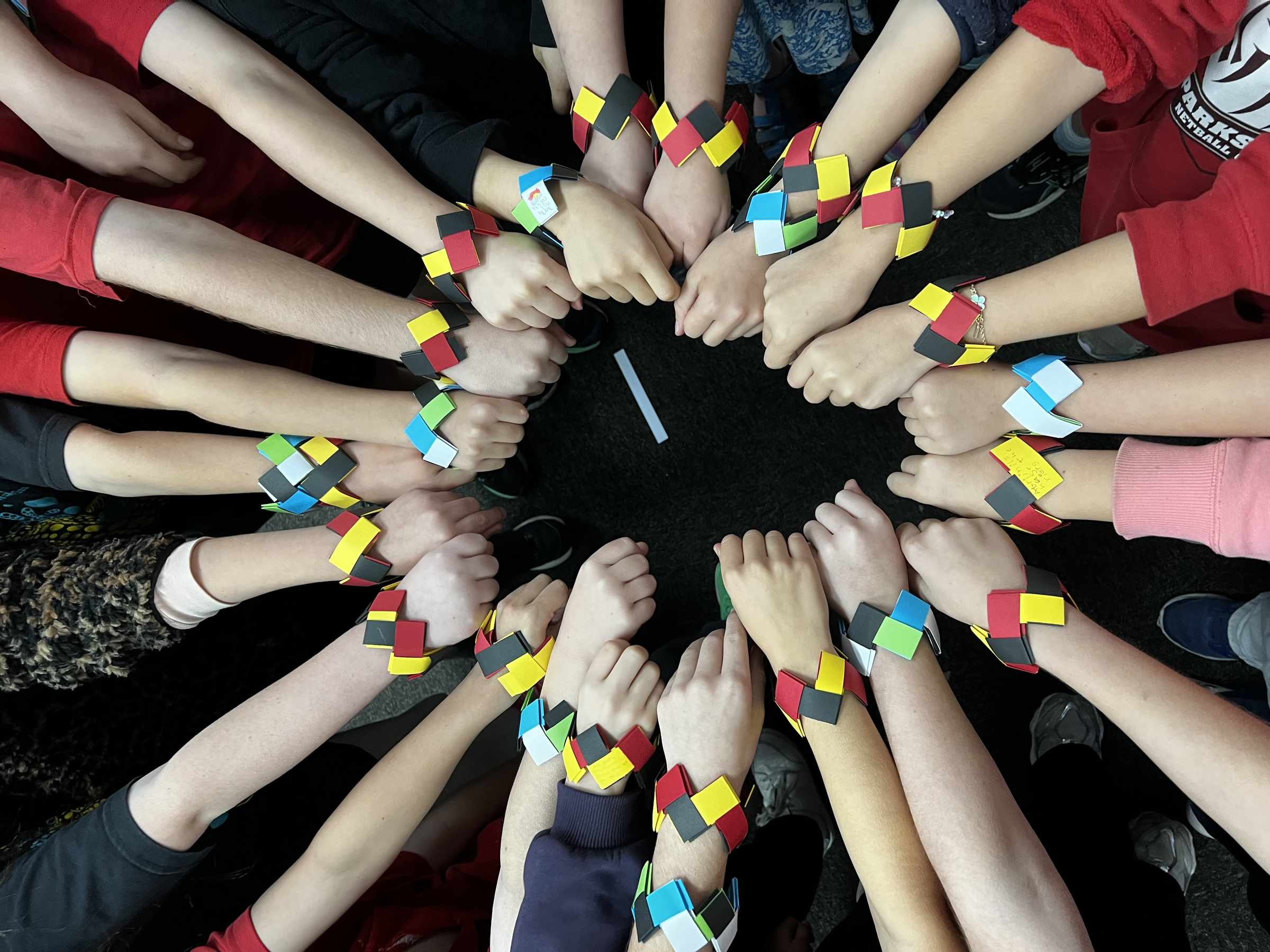
Celebrating National Reconciliation Week
Across the first week of June, FPS celebrated National Reconciliation Week (NRW) and participated in a whole week learning program designed to help students gain a deep understanding of what reconciliation means, why certain dates during this week are significant, and why it is important to continue having these conversations and moving towards a better future for First Nations Peoples.
The theme for National Reconciliation Week 2026 was All In, a call for all Australians to commit wholeheartedly to reconciliation every single day. All In makes clear that reconciliation is not a spectator sport and that all of us must step away from the sidelines and take action to make change. The theme also reminds us that reconciliation and advancing Aboriginal and Torres Strait Islander peoples’ rights isn’t a passive activity, and it is not solely the responsibility of First Nations people, who have carried the weight of championing, explaining and acting for far too long.
Day 1 – Sorry Day
Sorry Day, on the 26th May, marked the beginning of our learning program. Students explored texts like “Found” by Bruce Pascoe, “The Rabbits” by John Marsden, and “Sorry Day” by Coral Vass, to gain insight into the history of the Stolen Generations in Australia and a retelling of the momentous day when Australia acknowledged the sorrows of the past.
Following age-appropriate discussions about the history of this day, the junior school then made Sorry Day origami bracelets or paper chains with their names and apology messages on them to wear or display in their classrooms.
Senior students took a look at Kevin Rudd’s National Apology Speech and unpacked its significance as well as discussing what more can be done now. They then read Stolen Generations survivors stories to understand more about what happened, how they felt and the lasting impact it had on their families to this day. Students answered questions and shared back what they had learnt to the class.
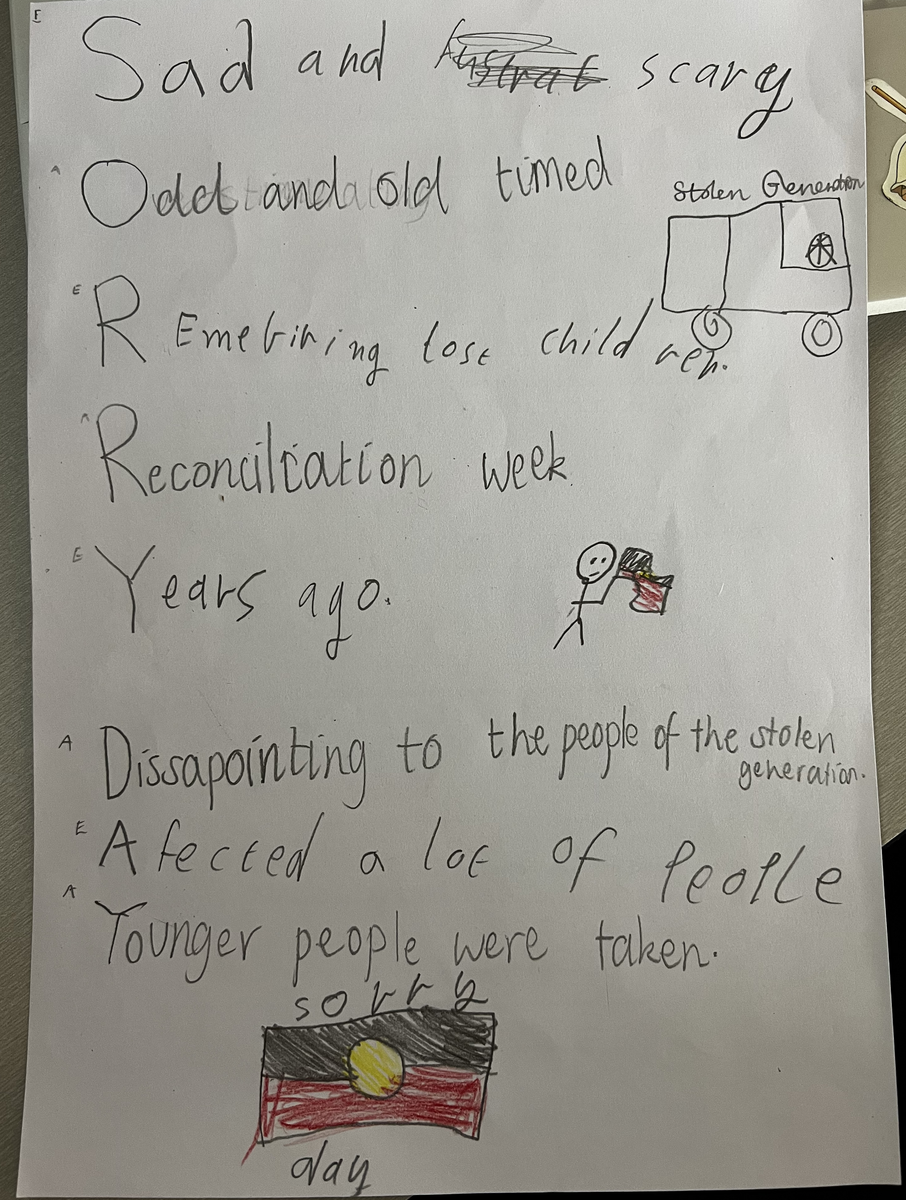
Sorry Day poem
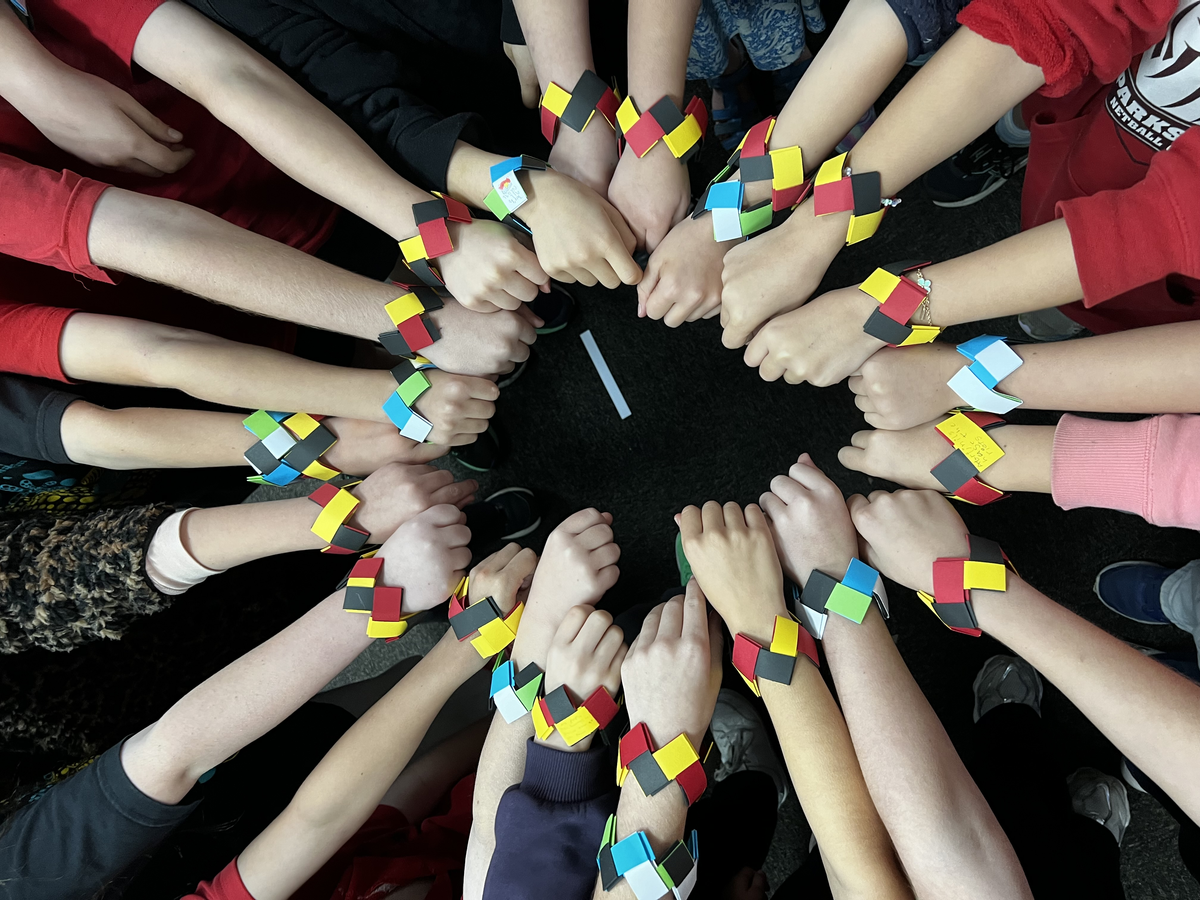
Origami bracelets
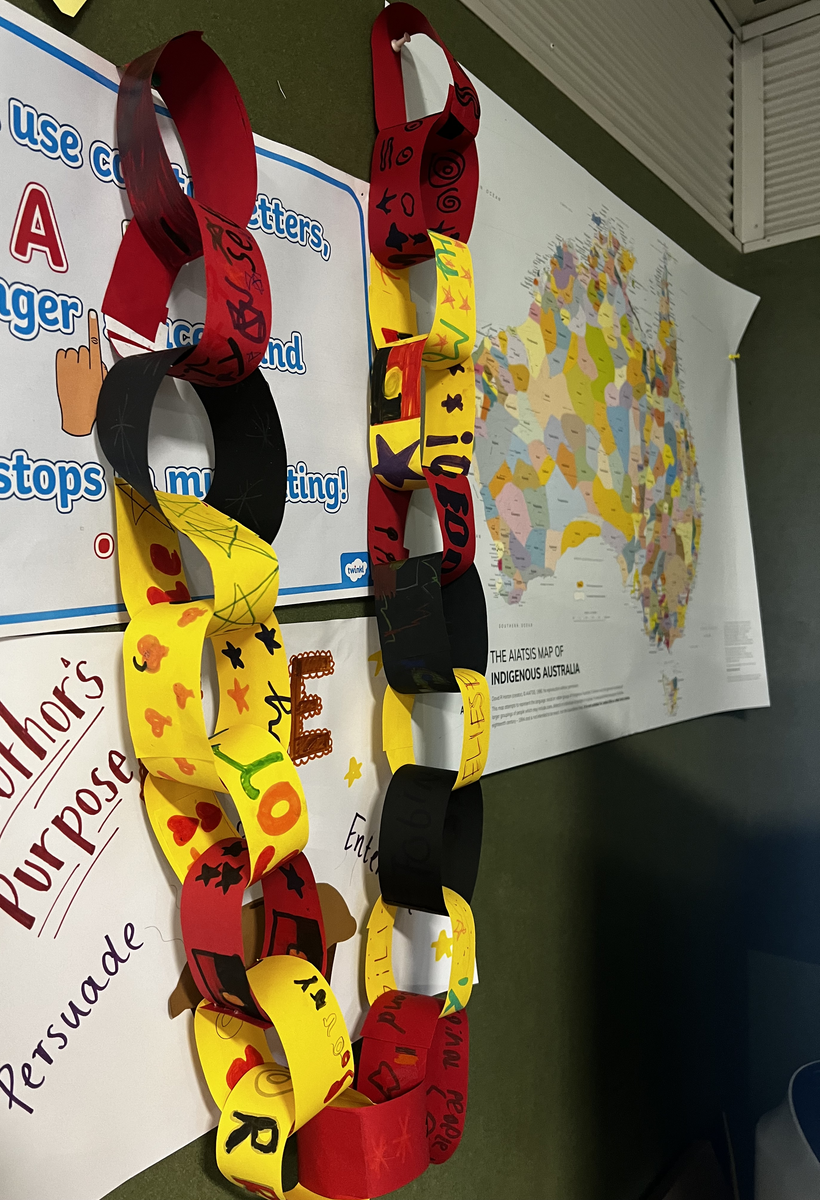
Paper chains
Sorry Day poem
Origami bracelets
Paper chains
Day 2 – What is Reconciliation?
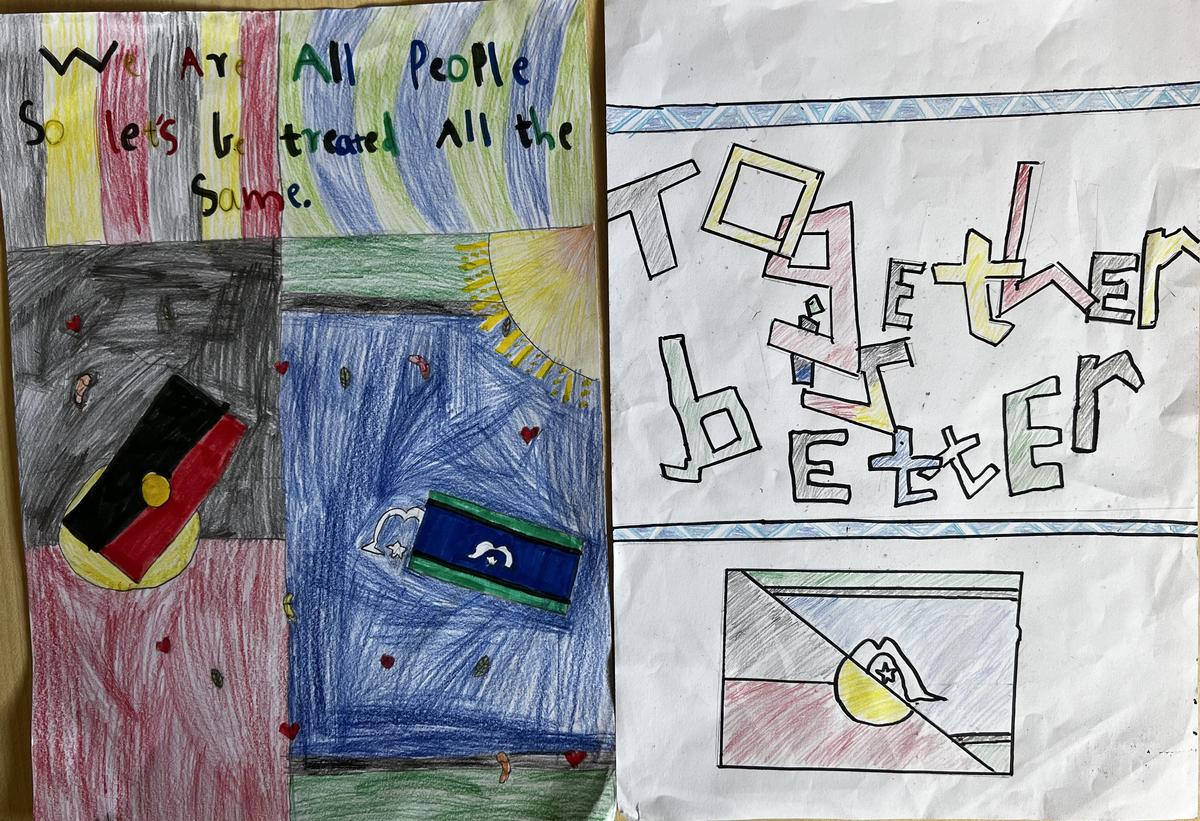
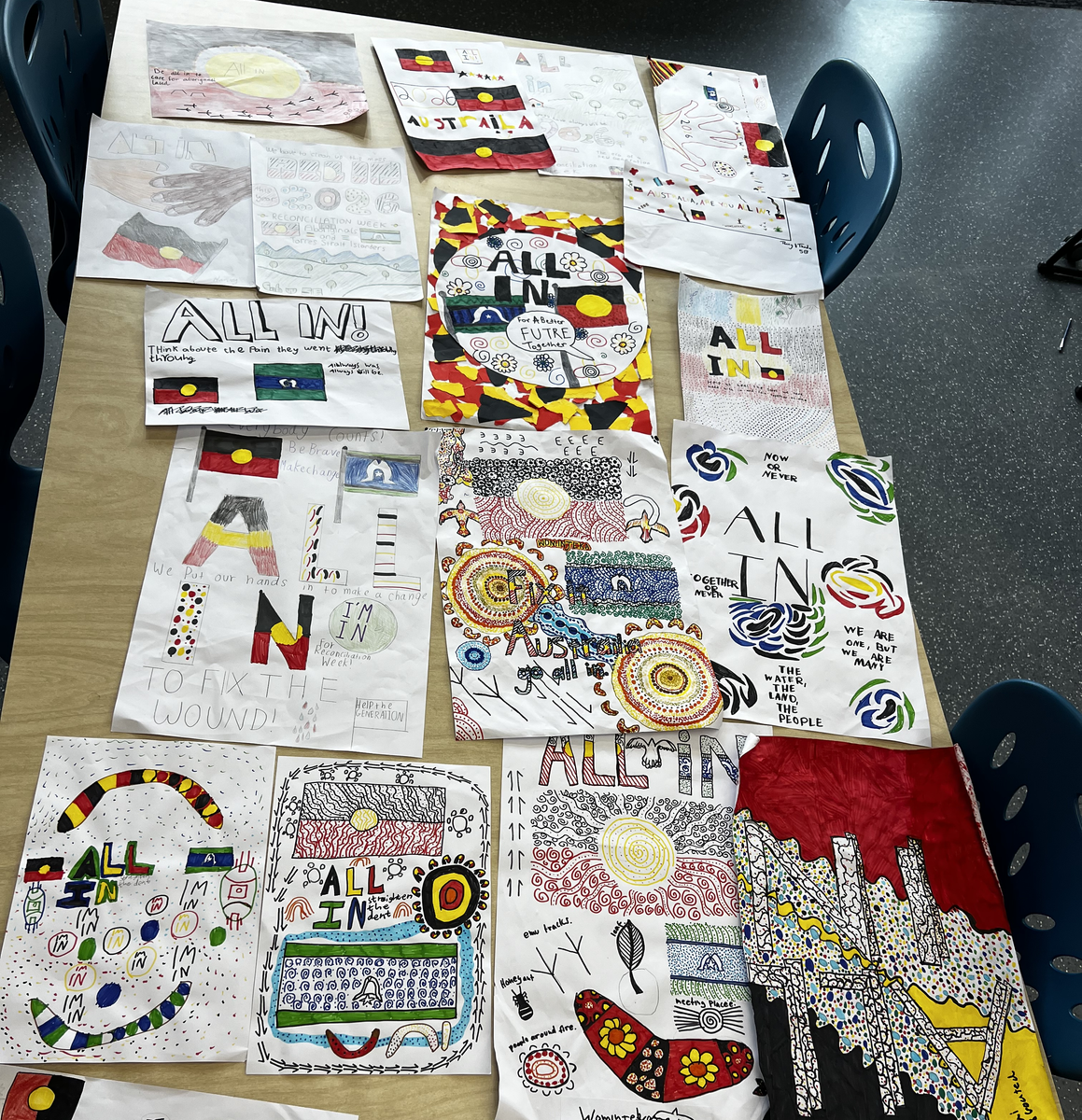
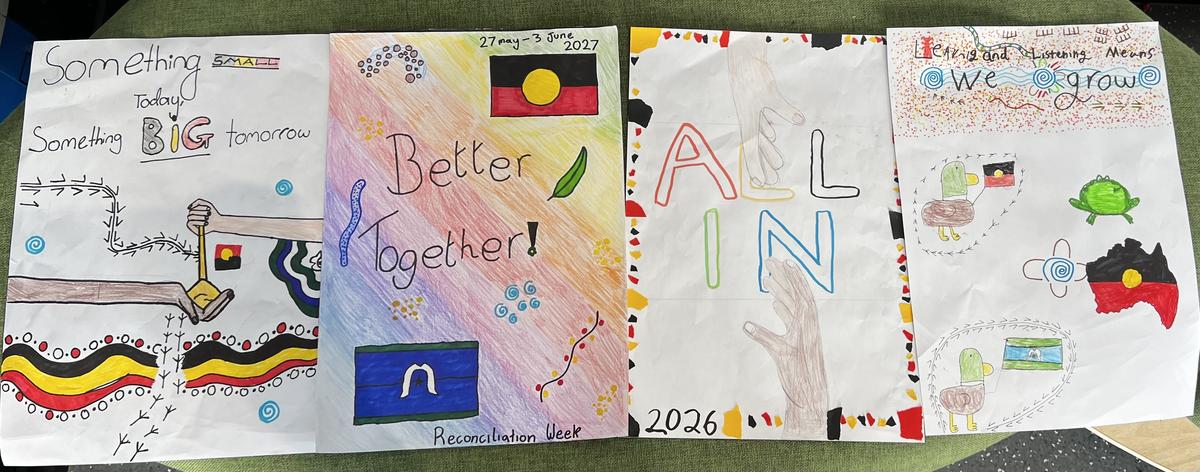
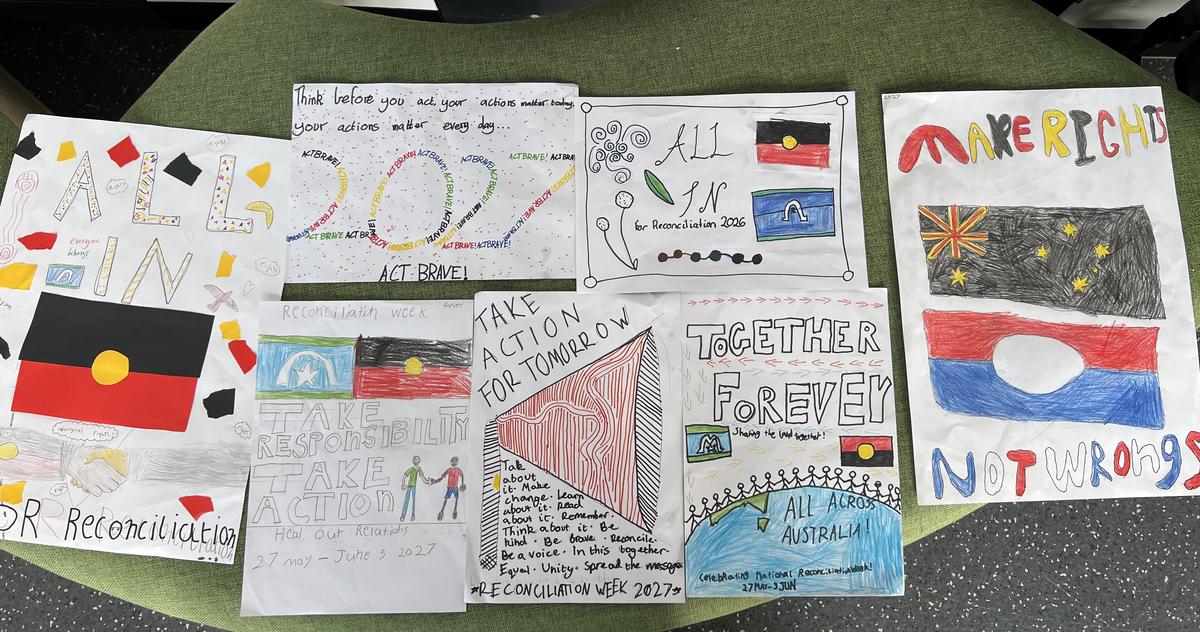
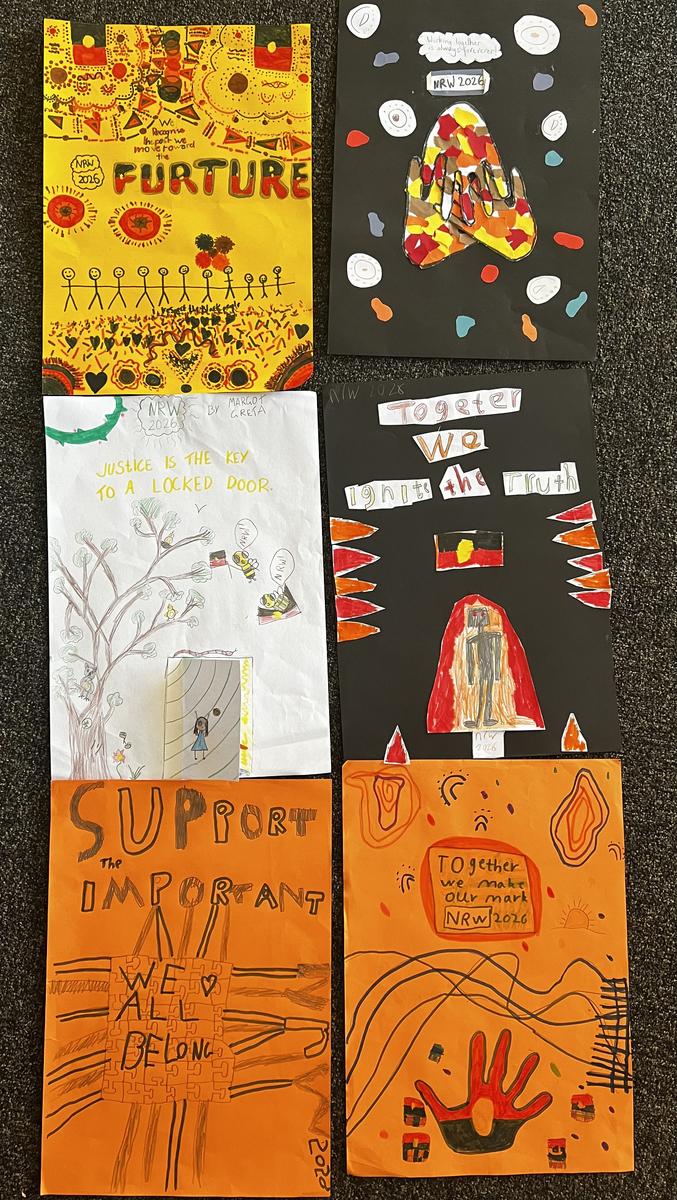
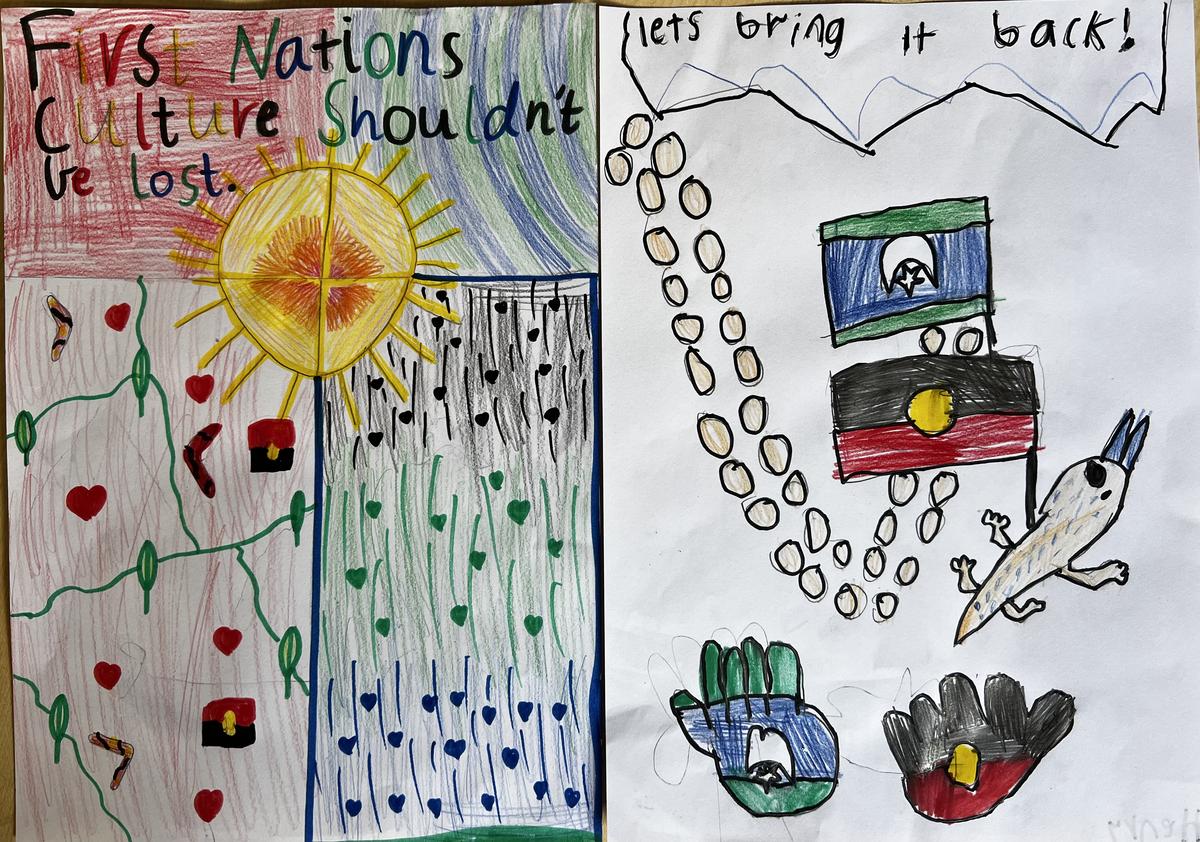
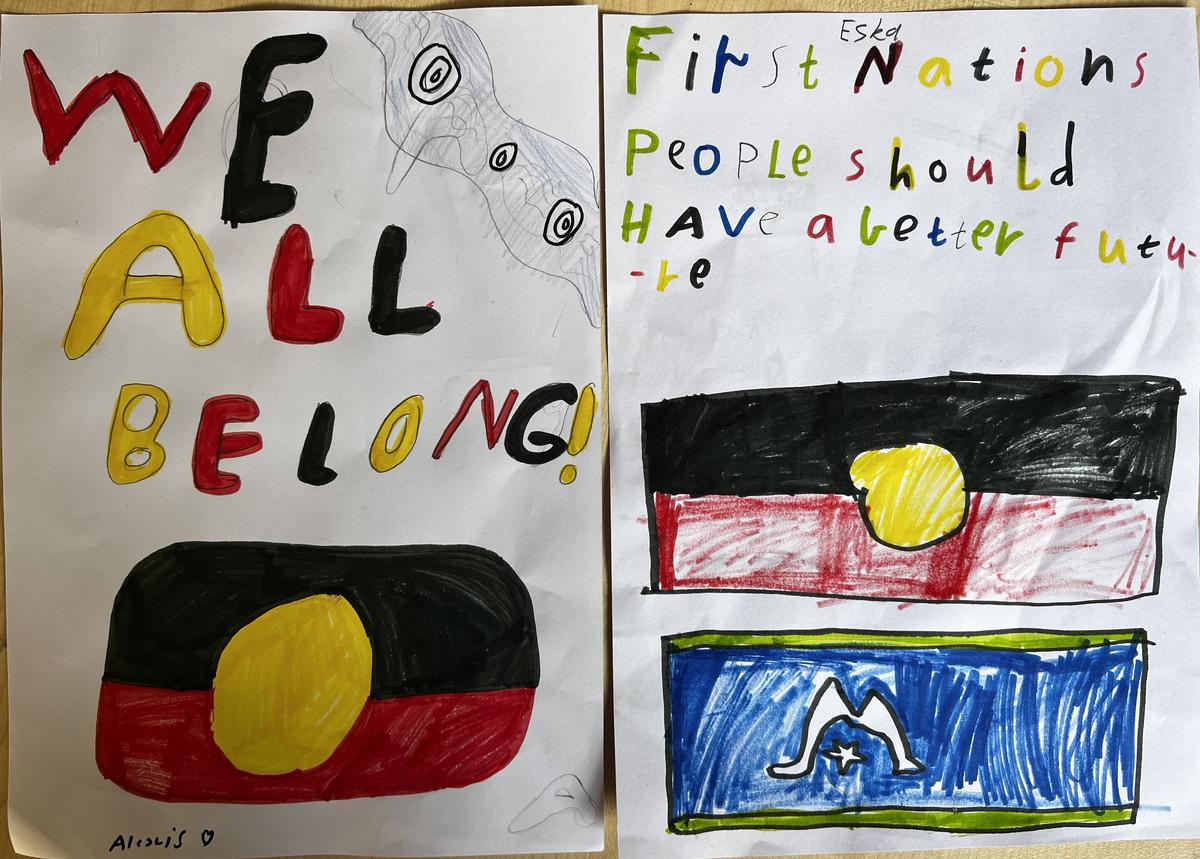
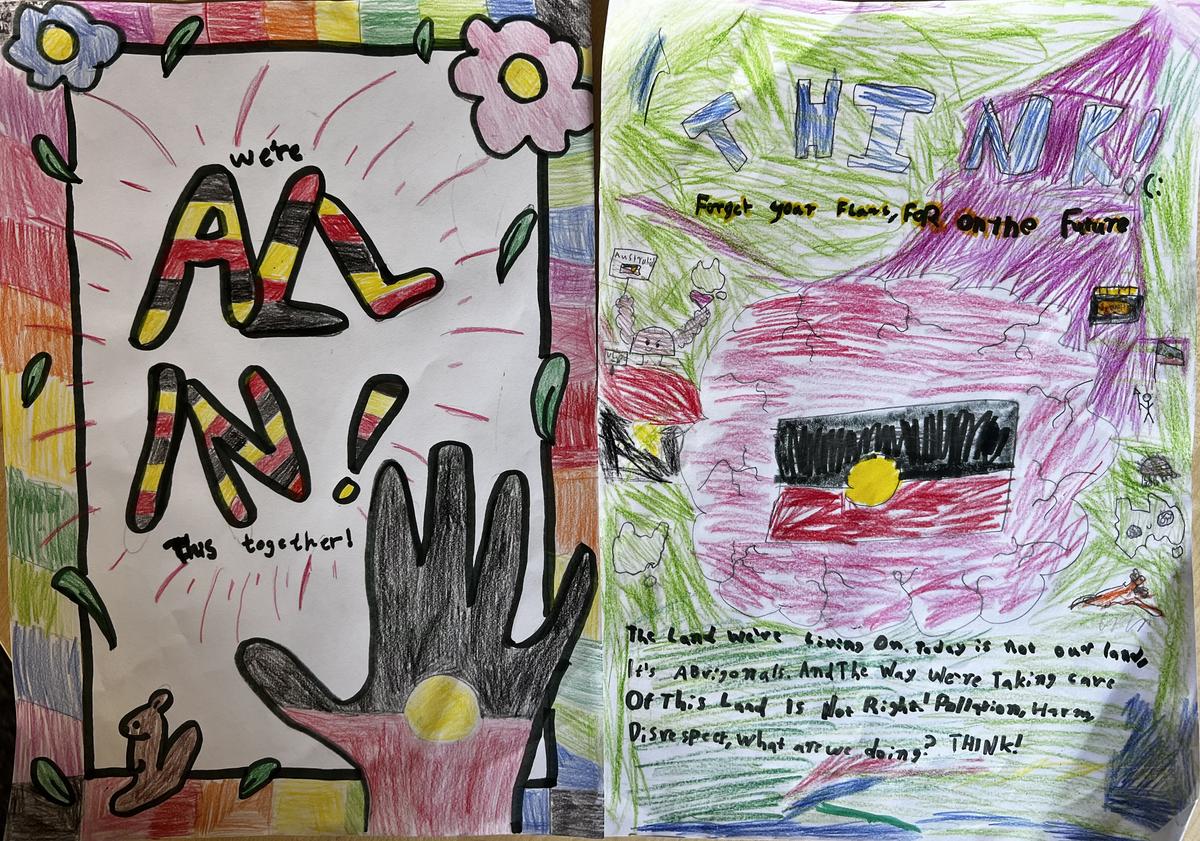
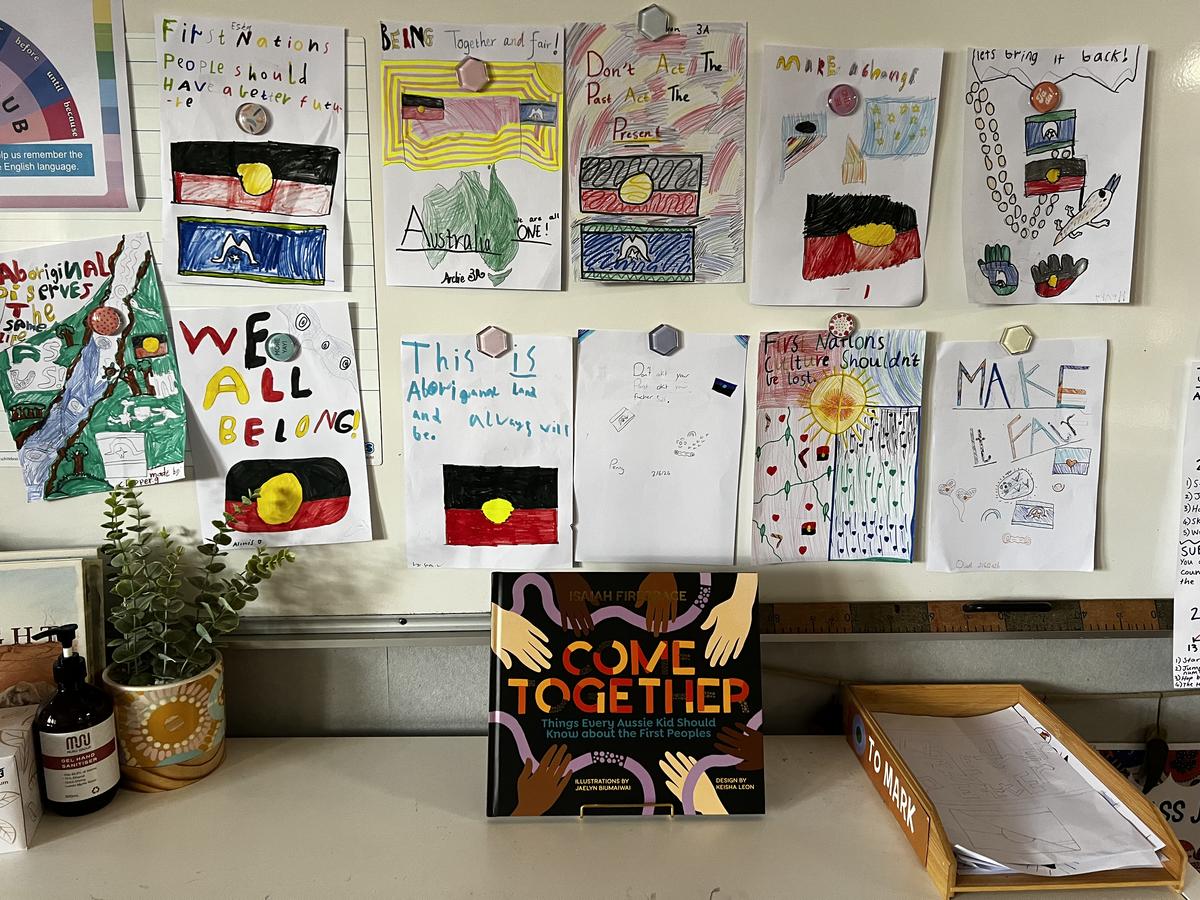
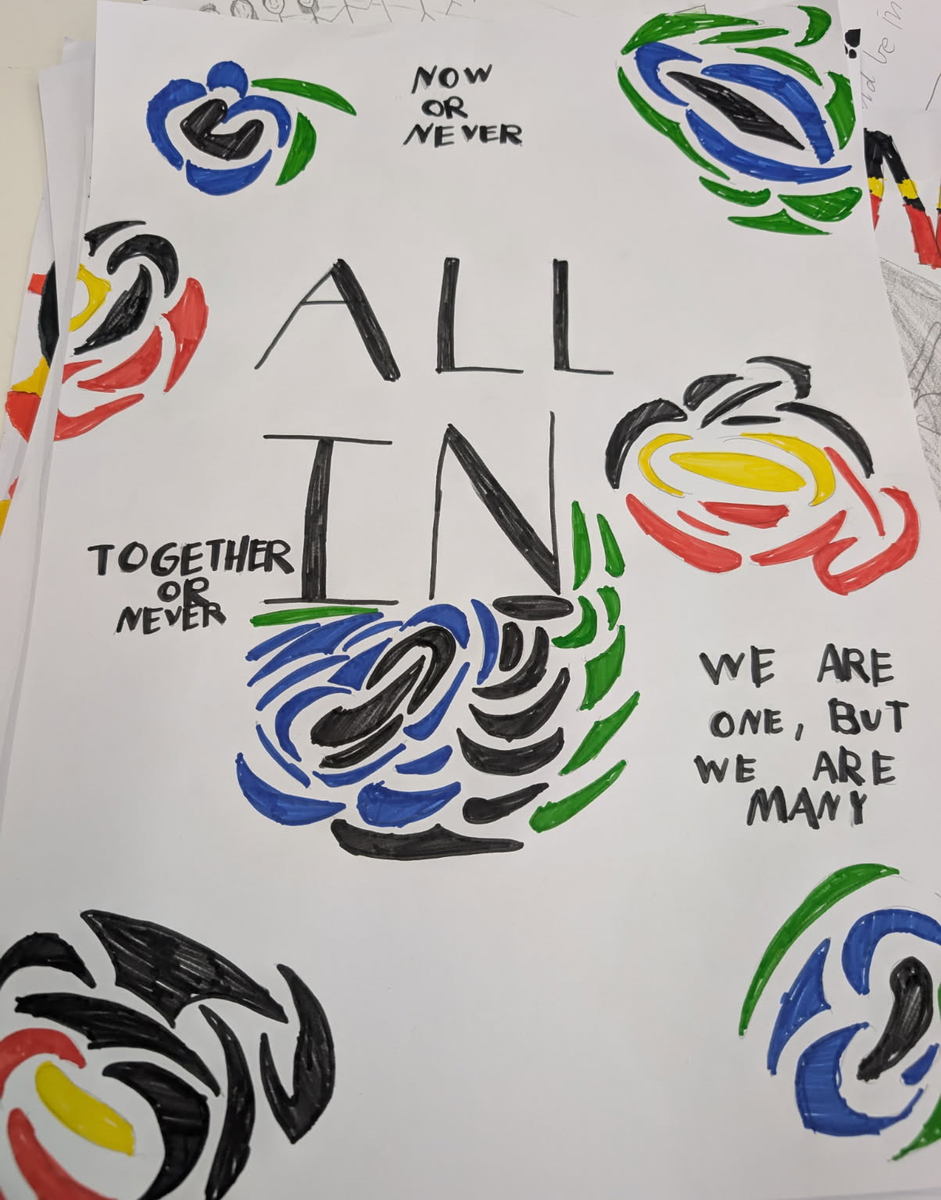
Day 2 was all about defining reconciliation, understanding what this week represents and unpacking the 2026 theme. Students thought about what All In means for us as a country, a school and individuals and how this links back to how each of us can contribute to achieving reconciliation in Australia. After looking at the NRW themes and poster designs from the previous five years, many classes then designed their own posters and themes (pictured below) to represent what NRW means to them. Students wrote about their theme slogan and design choices.
Day 3 – FPS is All In!
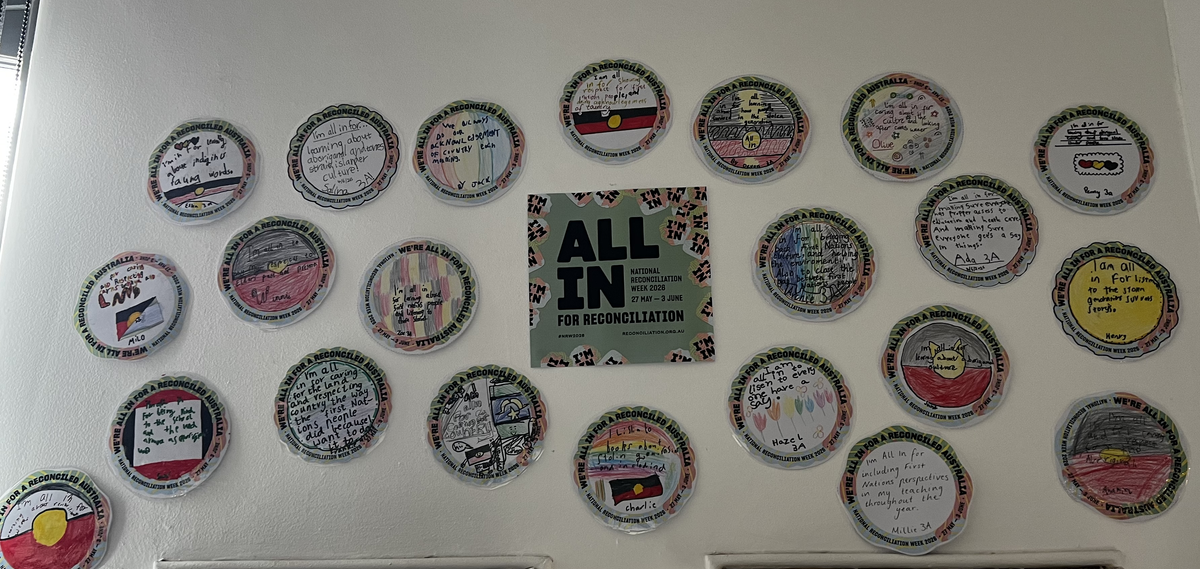
Classrooms had discussions about the things we do at school and home for reconciliation and reflected on daily practices like our Acknowledgements of Country, Closing the Gap Day tasks, caring for County, and learning throughout the year about First Nations culture and history. Students then thought of a specific way that they are All In or one commitment they could make to be All In for reconciliation to put in a classroom mural display.
For example:
- "I'm all in for showing respect"
- "I'm all in for caring for Country in our playground"
- "I'm all in for doing our acknowledgement of country each day"
- "I'm all in for learning the correct pronunciation of local Aboriginal place names and using them in my classroom"
These ‘pledges’ were then displayed in murals throughout the school and act as a lovely reminder of how we can continue to move towards reconciliation as a community.
All In mural
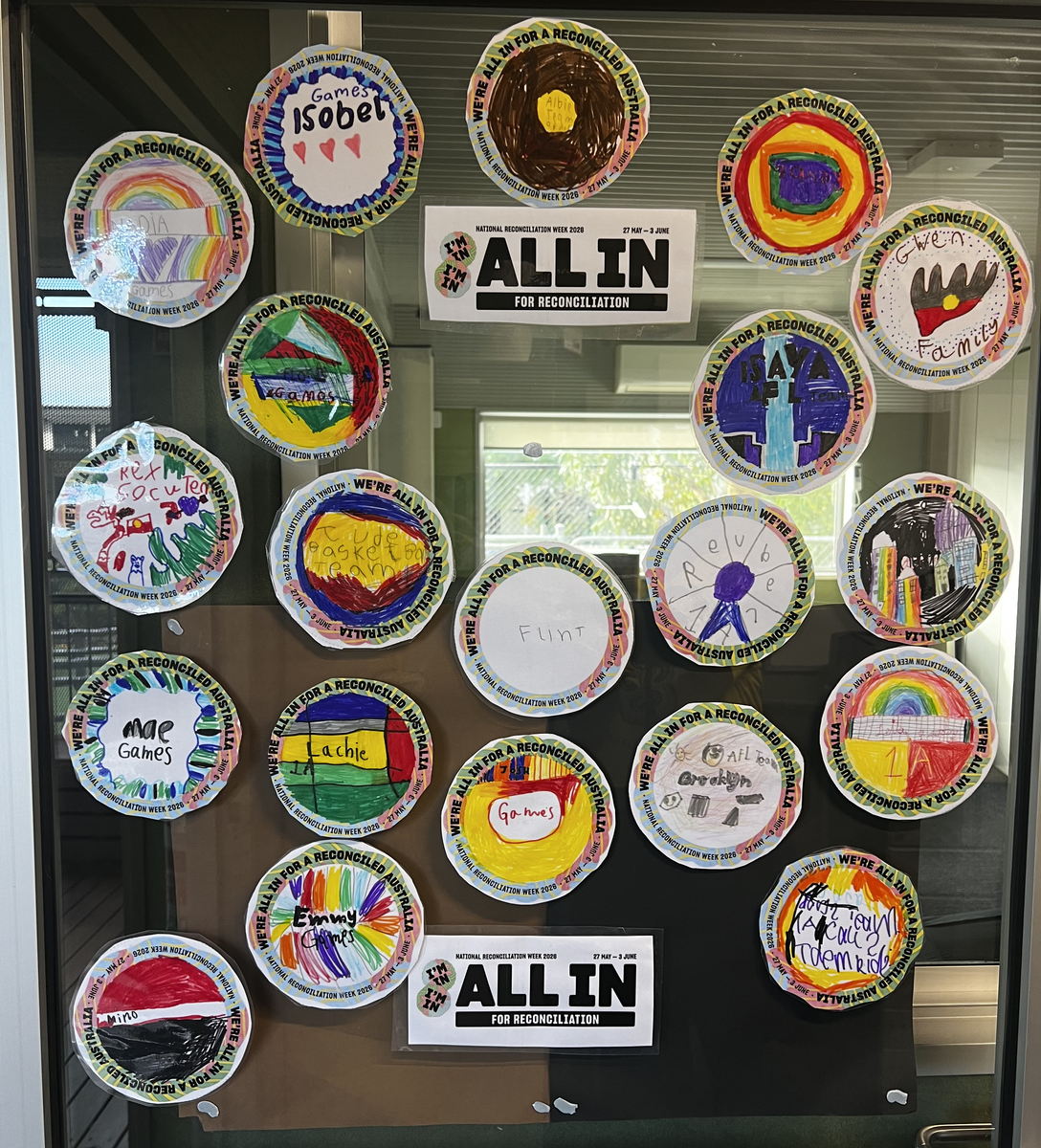
All In mural
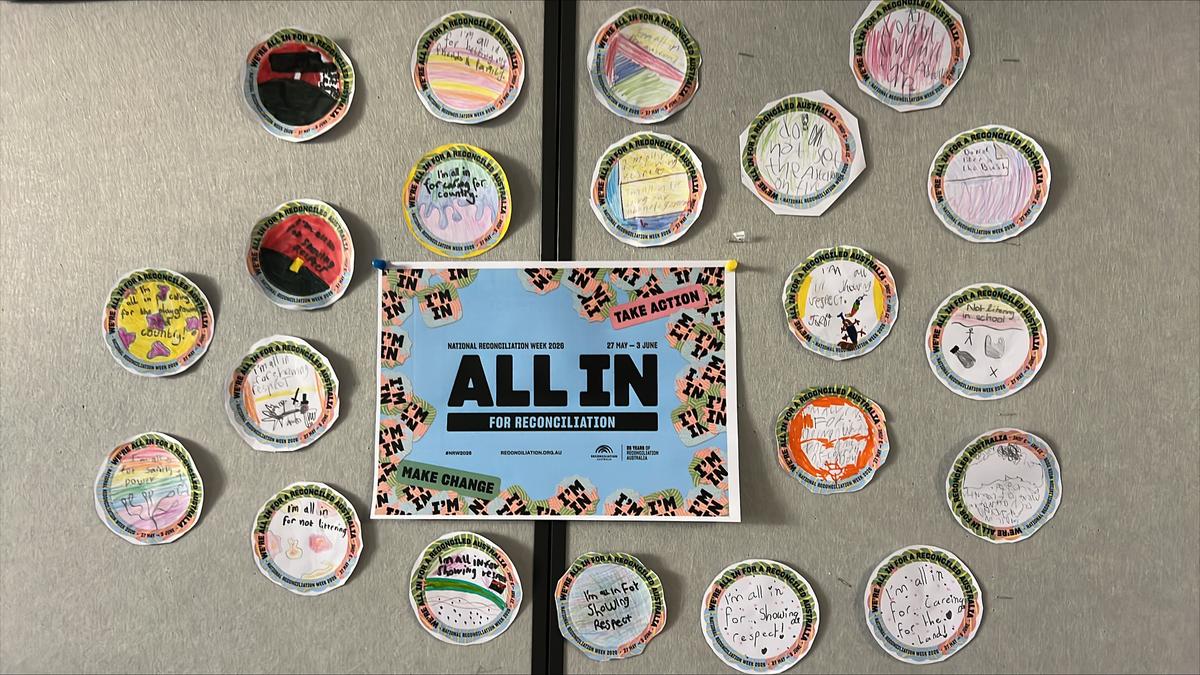
All In mural
All In mural
All In mural
All In mural
Day 4 – Mabo Day
Mabo Day is marked annually on 3 June. It commemorates Mer Island man Eddie Koiki Mabo and his successful efforts to overturn the legal fiction of terra nullius, or land belonging to no-one. The Mabo decision came out of a legal case held in 1992. Eddie Mabo challenged the Australian legal system and fought for recognition of the rights of Aboriginal and Torres Strait Islander peoples as the Traditional Owners of their land. Students were able to reflect on prior learning about the arrival of colonial settlers in Australia and the declaration of terra nullius. This allowed for conversations about how part of reconciliation is acknowledging the values and knowledge of First Nations Peoples such as their languages and connection to Country, as well as traditional place names and language groups, land rights and native title.
Junior school reflected on this by discussing being on Wurundjeri Country and exploring Woi Wurrung language. Students drew a picture of a place that is special to them on
Wurundjeri country and used their senses to describe what they see, hear, smell, taste, touch and feel about the place.
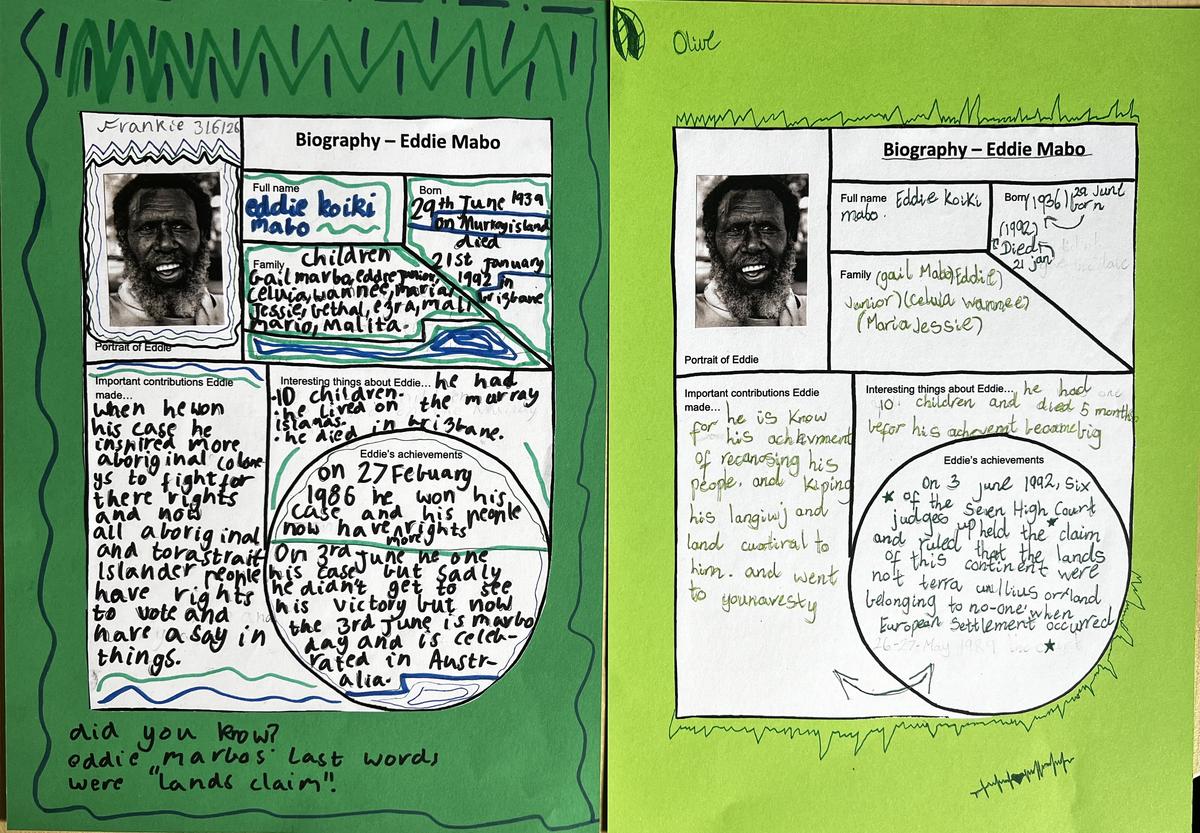
Senior school students took a deep dive into the life of Eddie Mabo to create biography profiles. Students used a range of fact sheets, websites and sources of information to research Eddie and the Native Title Act. These presentations explored Eddie’s life, family, achievements, contributions and interesting facts.
Day 5 – Wear It Yellow Day
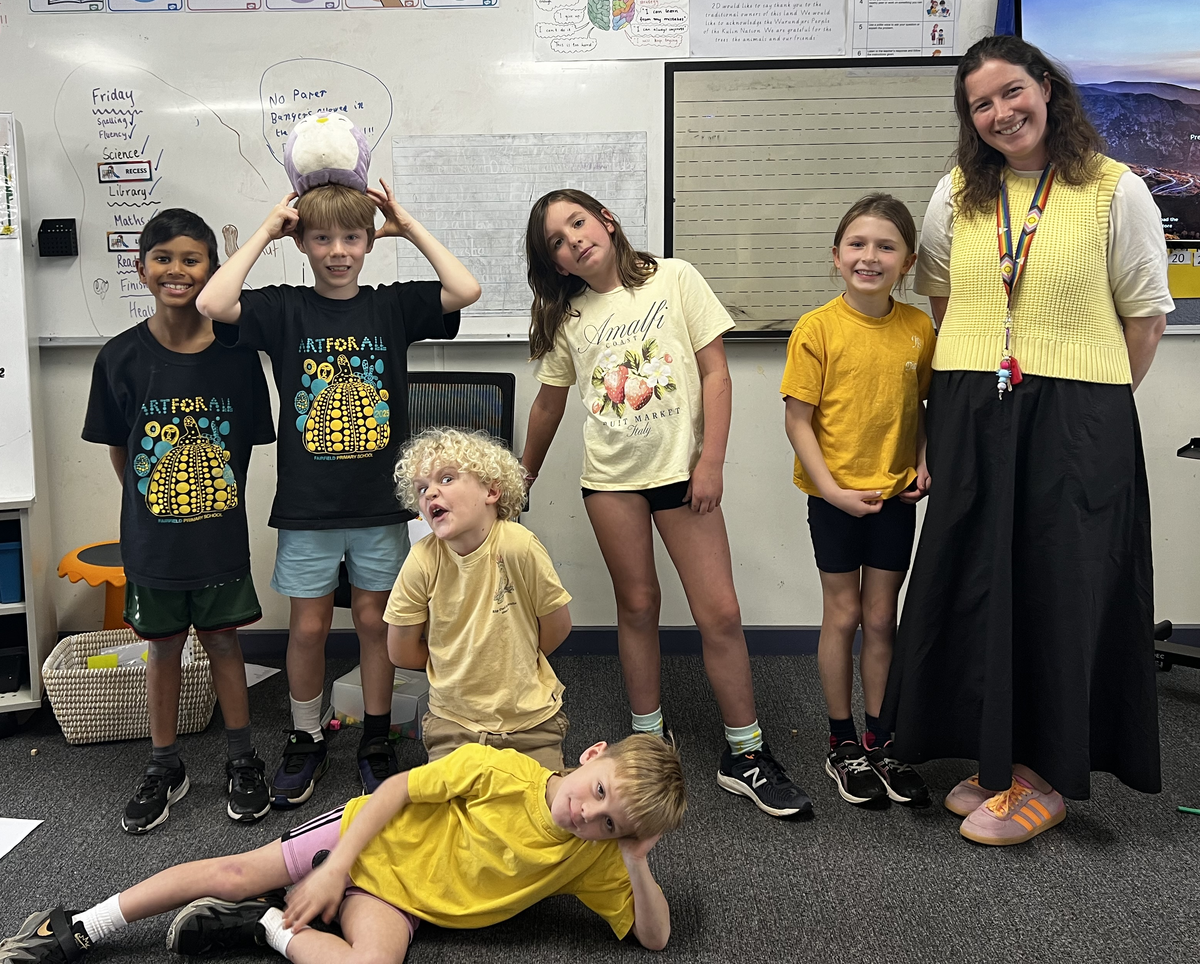
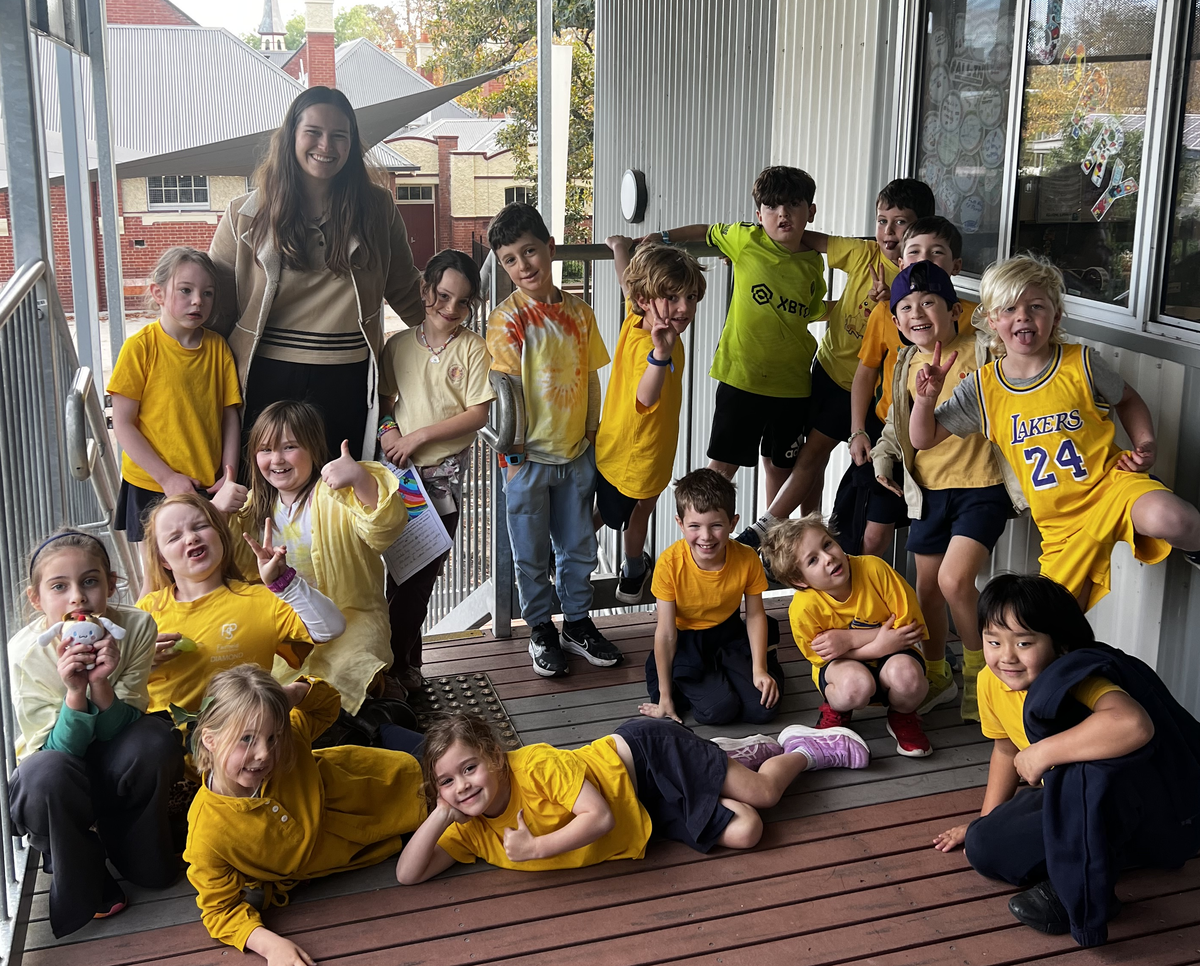
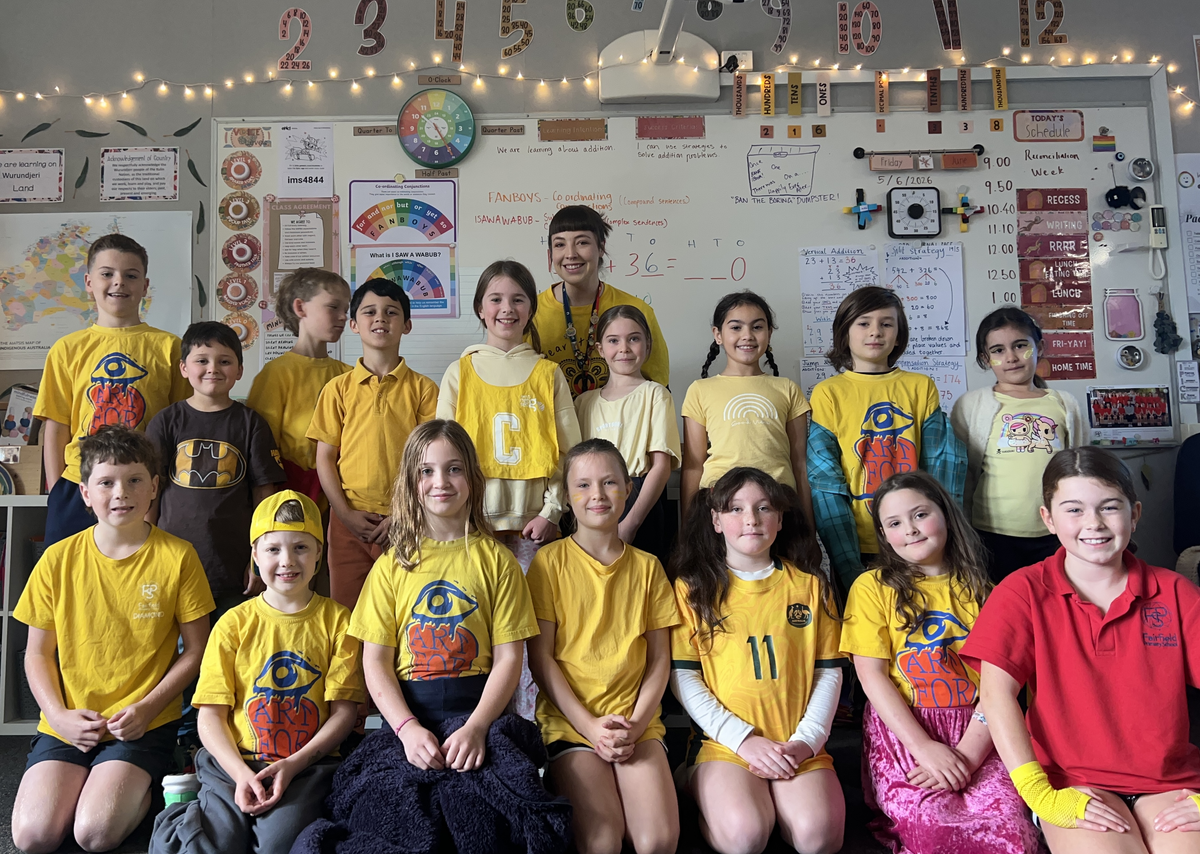
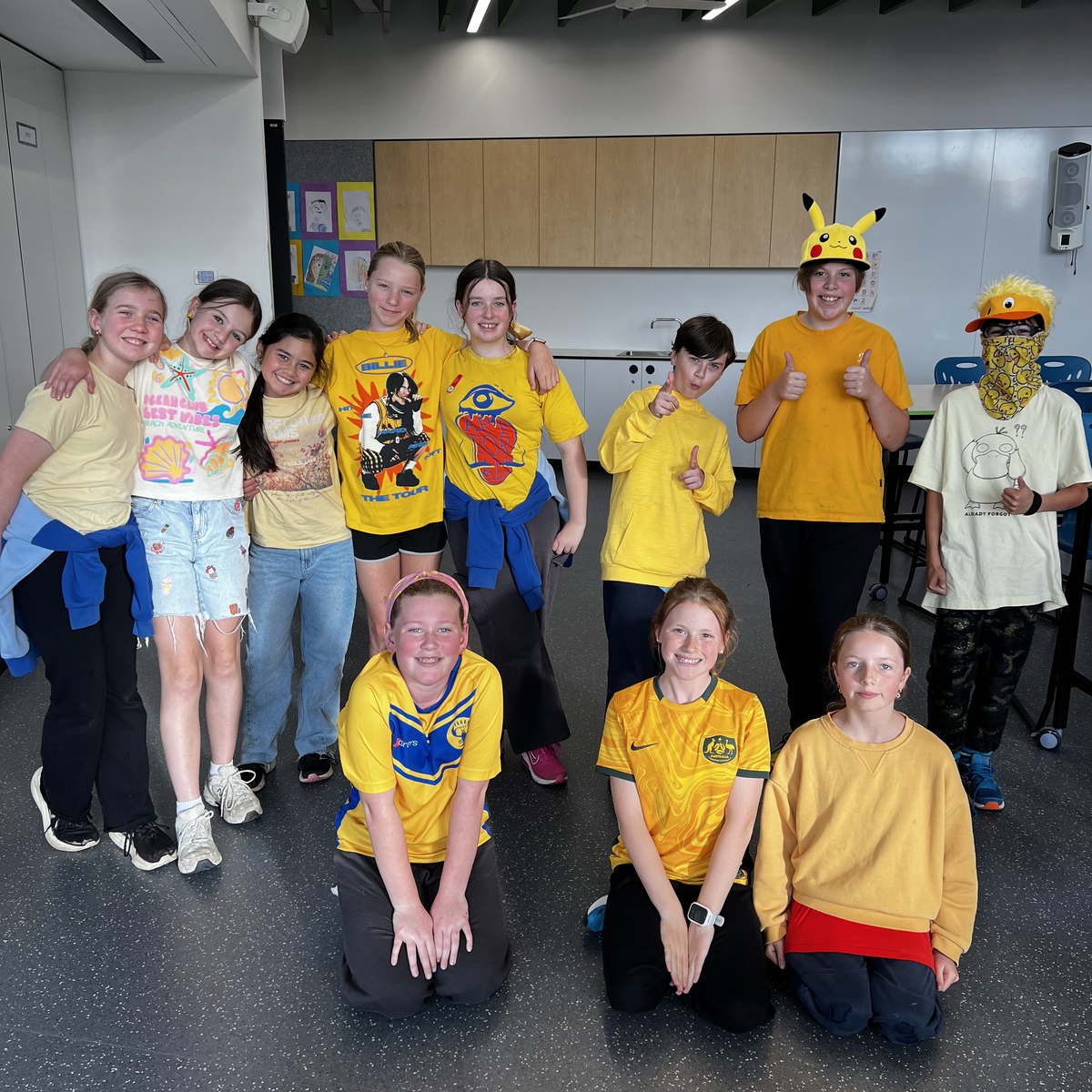
On the final day of National Reconciliation Week FPS wore yellow! Each year we participate in Wear It Yellow Day to fundraise for Children's Ground to support First Nations children and families to have a bright future. Every dollar raised for Wear It Yellow Day supports First Nations children, families, and communities to lead their own future at Children’s Ground, ensuring access to education, health, and employment opportunities rooted in culture, language, and self-determination. It was so exciting to see our school grounds flood with our best and brightest yellow outfits and accessories. Our goal was to raise $2,653, and we are so proud to announce that we raised over $4000! Thank you to everyone that donated.
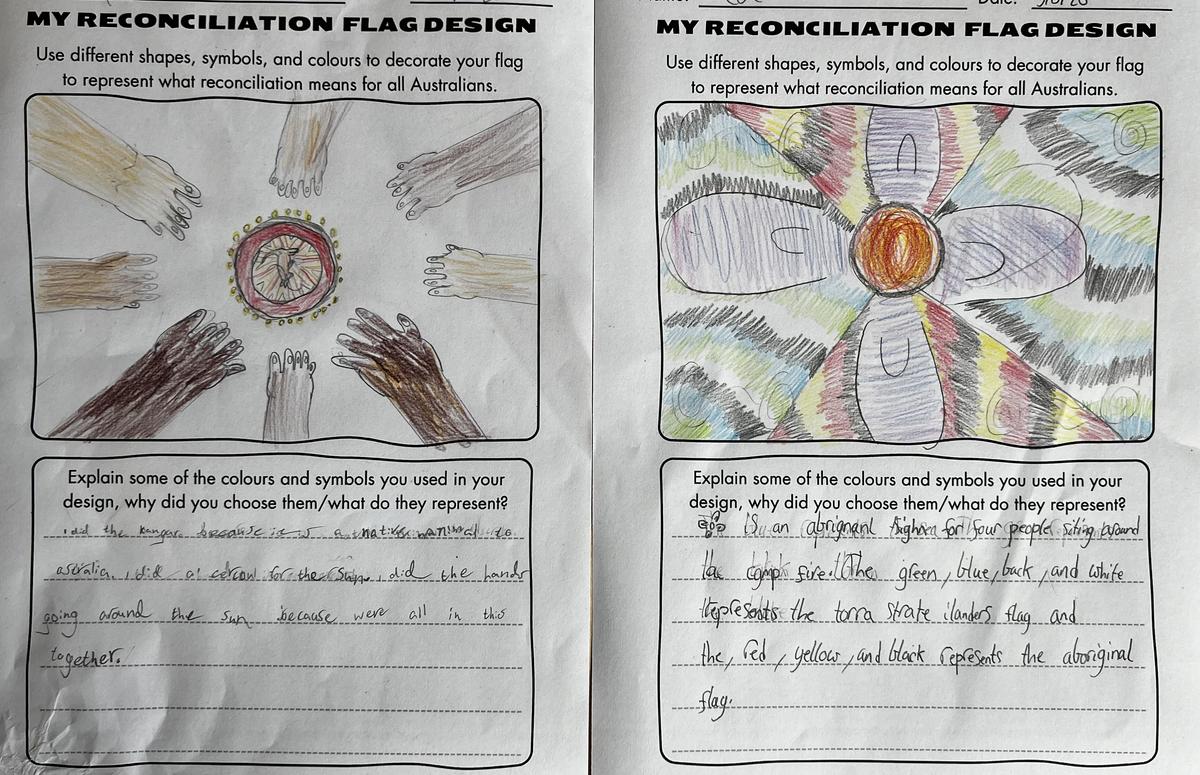
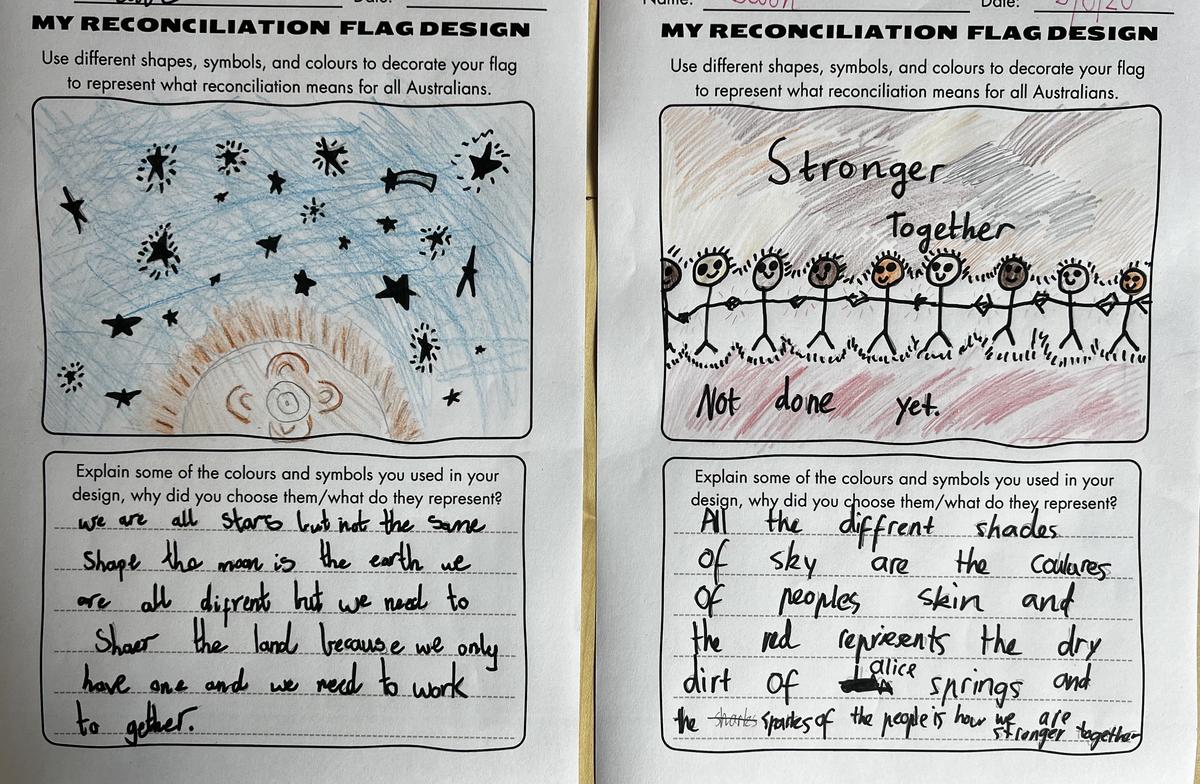
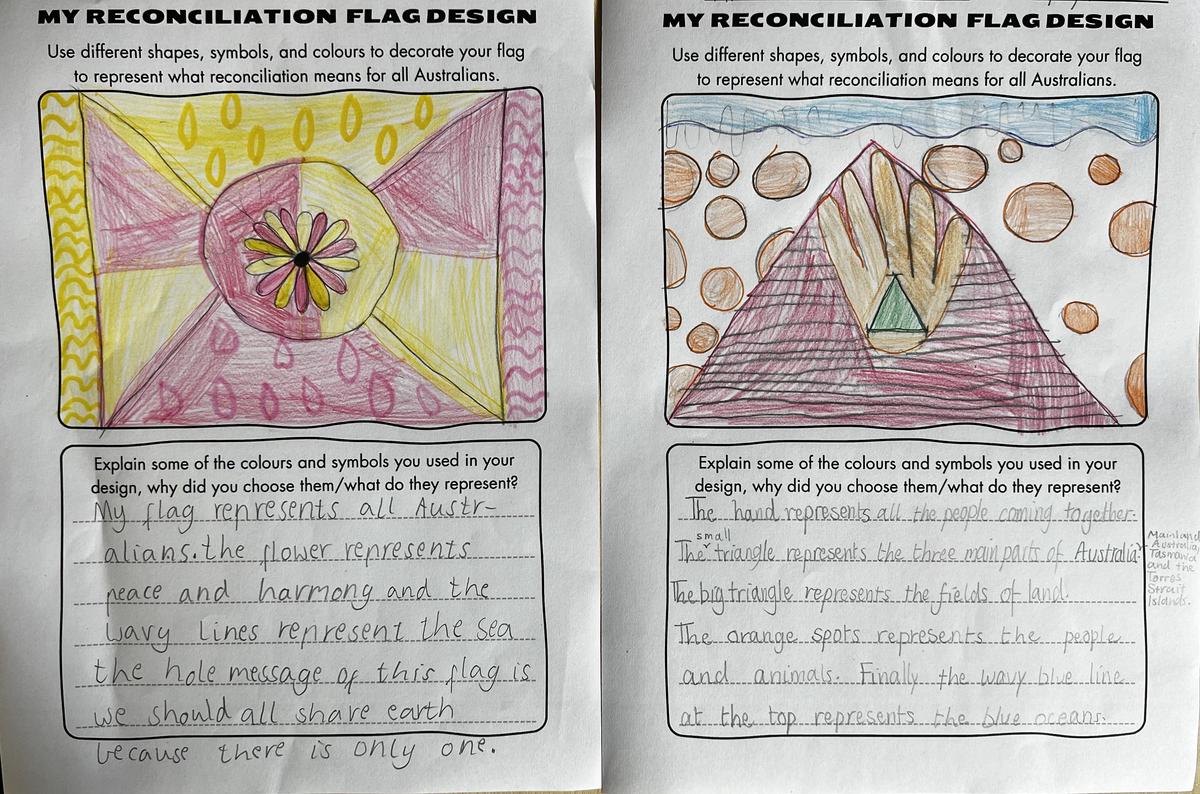
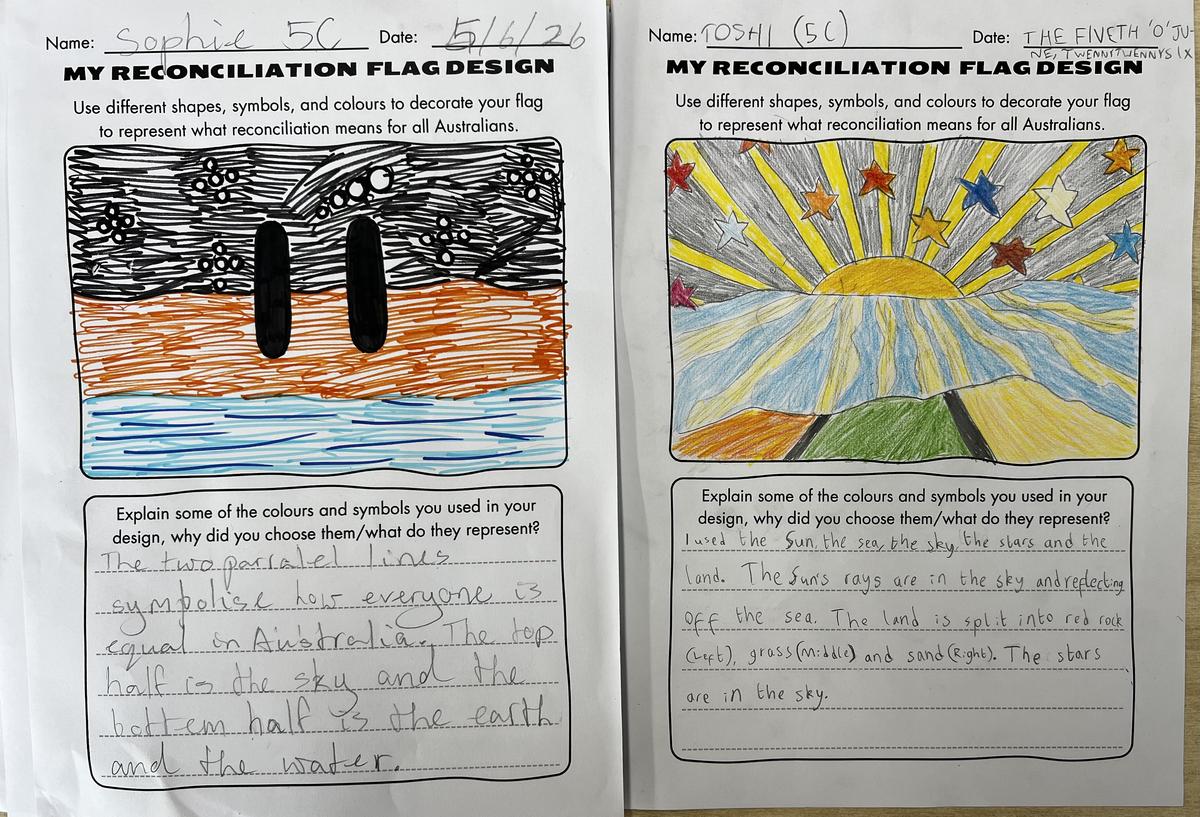
To conclude NRW, students had the chance to bring together all the learnings from throughout the week to create their own Reconciliation flags (pictured below). After learning about the history and design of the Aboriginal and Torres Strait Islander flags, students create a flag to reflect their understanding of Reconciliation. A flag that can mean something important to all Australians! They wrote about their design choices and the meanings behind the various colours, symbols and images they included.
NRW is such an important part of our program here at FPS, and in exploring our cross curriculum priorities. It was fantastic to hear such thoughtful reflections from students across the school, see their creative designs and have so many important discussions. As a school, we value embedding First Nations education throughout the year and are continuing to expand our curriculum planning to maintain these discussions and teachings outside of significant events and dates. Keep your eyes peeled for our annual Reconciliation Action Plan report later this year, and for some NAIDOC week resources for you to explore over the holidays.
The First Nations Perspectives School Improvement Team