
Secondary Science
Sweet Science: Year 11 VCE Biology Brings Meiosis to Life with Jelly Lollies!
Our Year 11 VCE Biology students recently swapped their standard textbooks for something a little sweeter to tackle one of the most complex topics in the curriculum: meiosis.
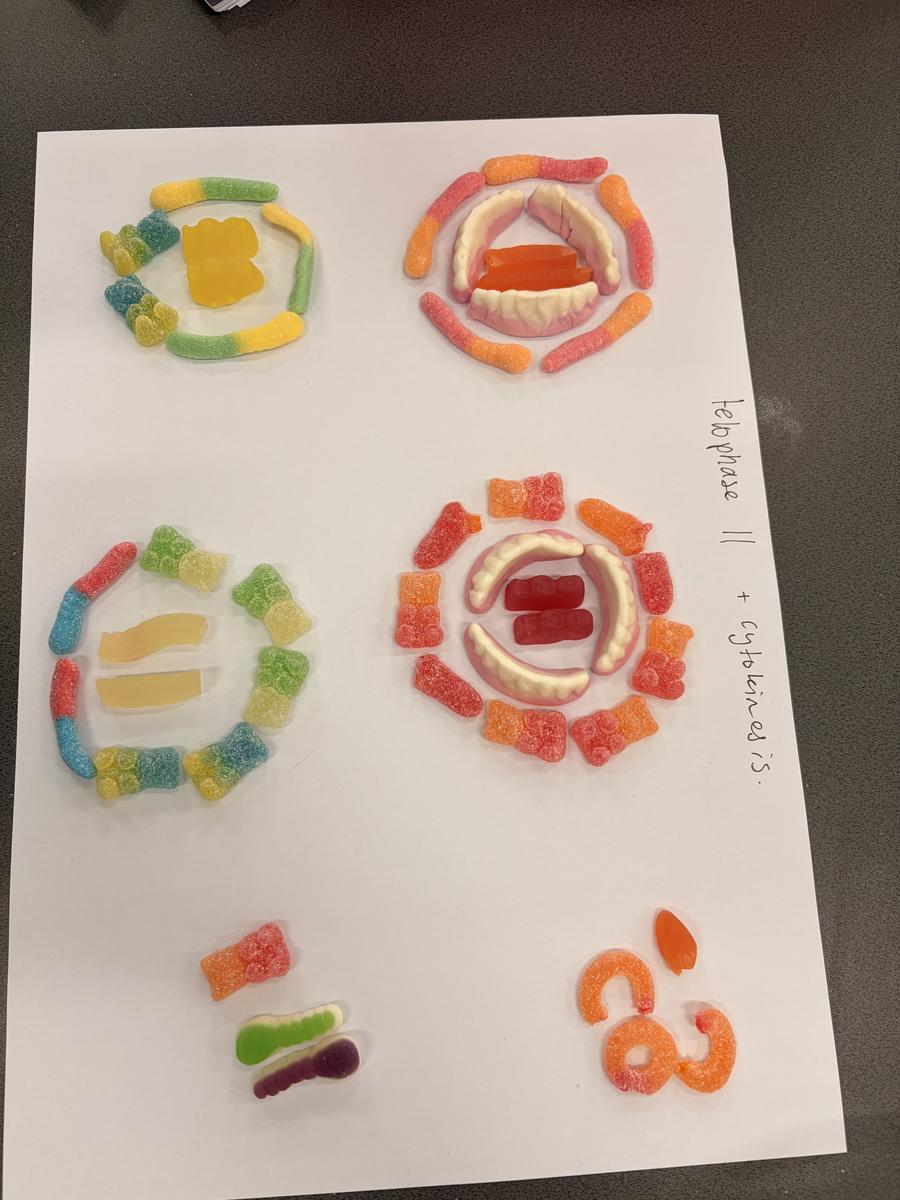
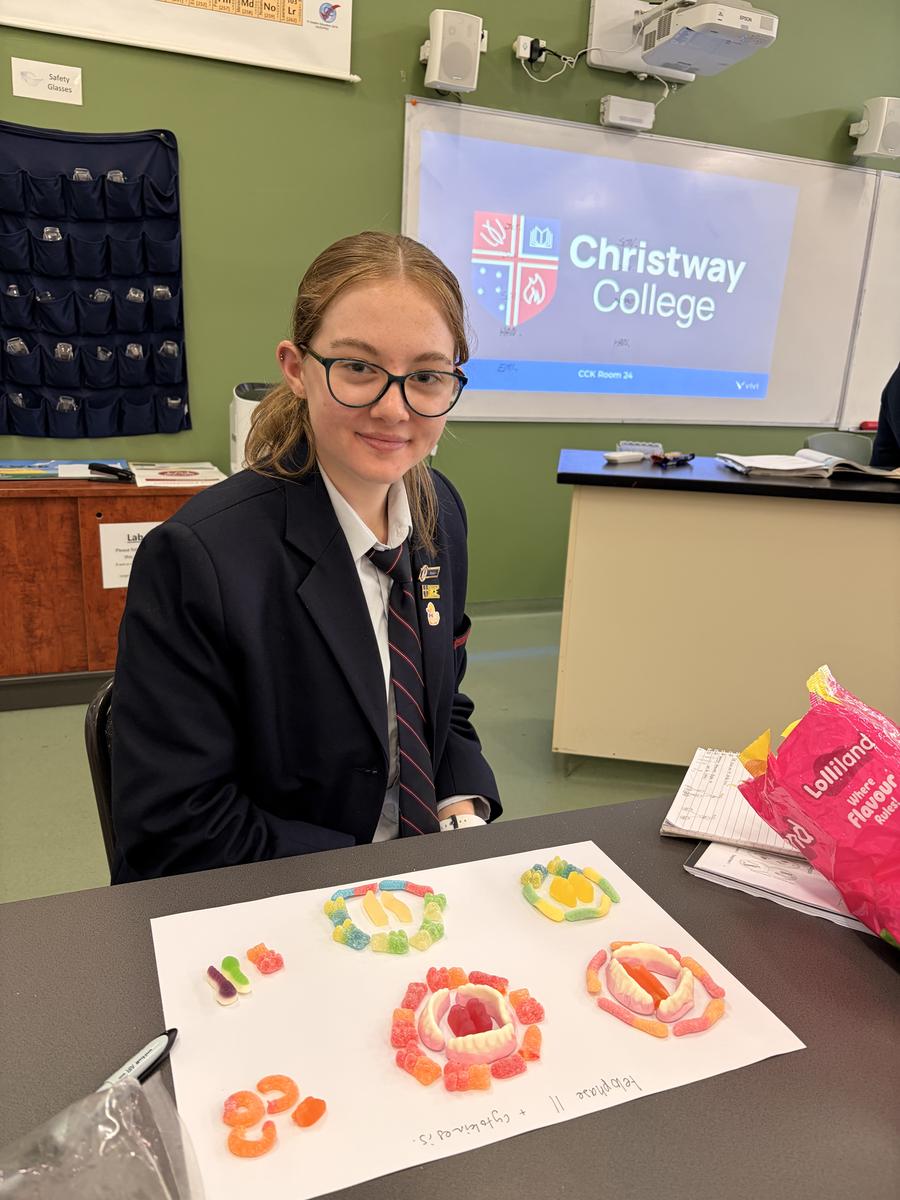
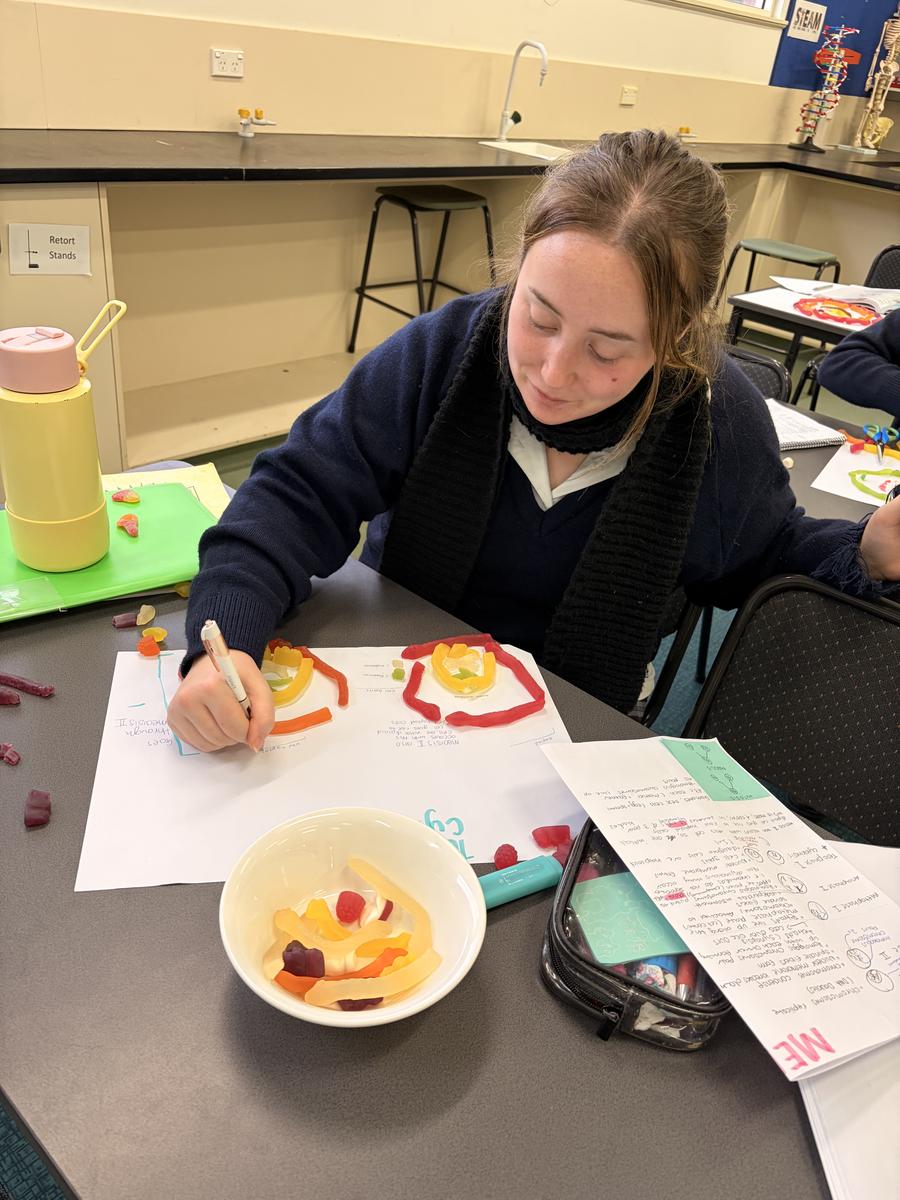
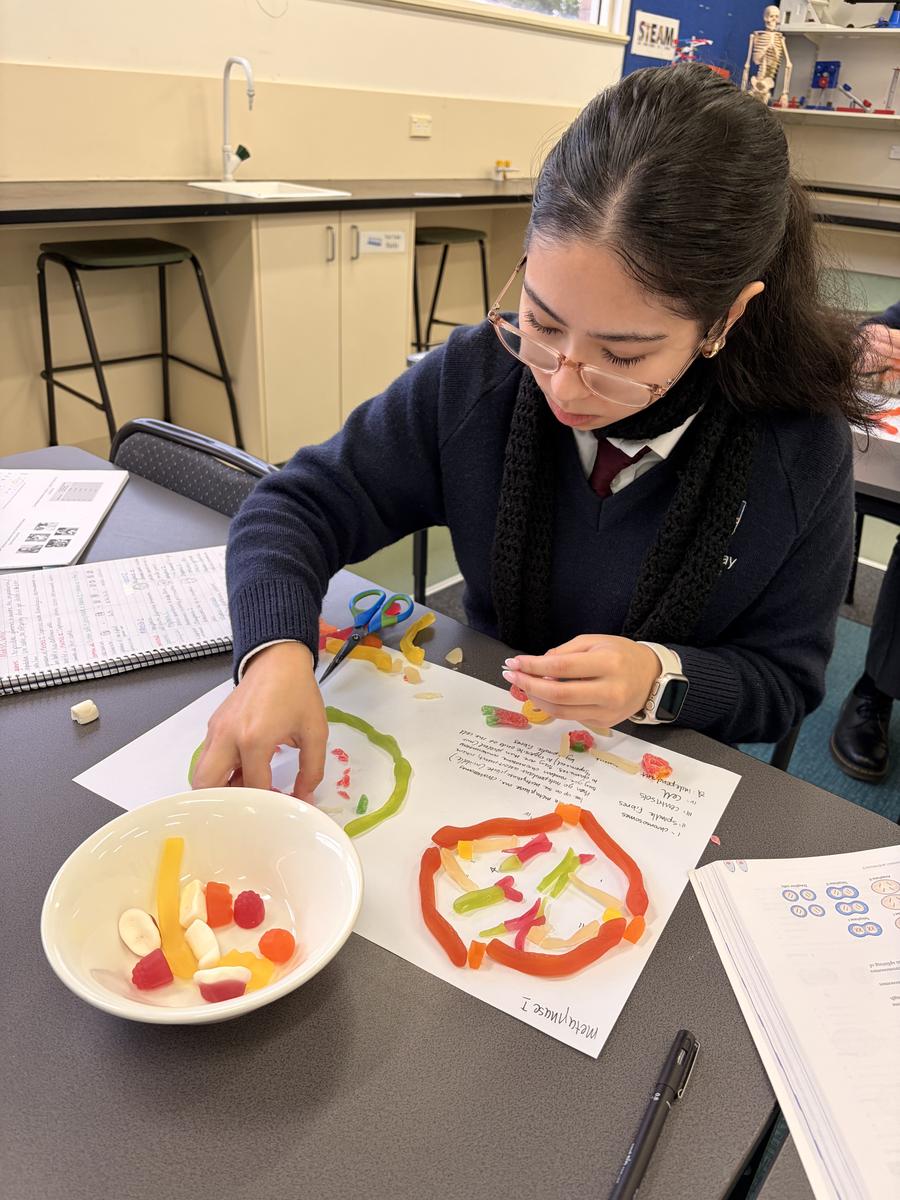
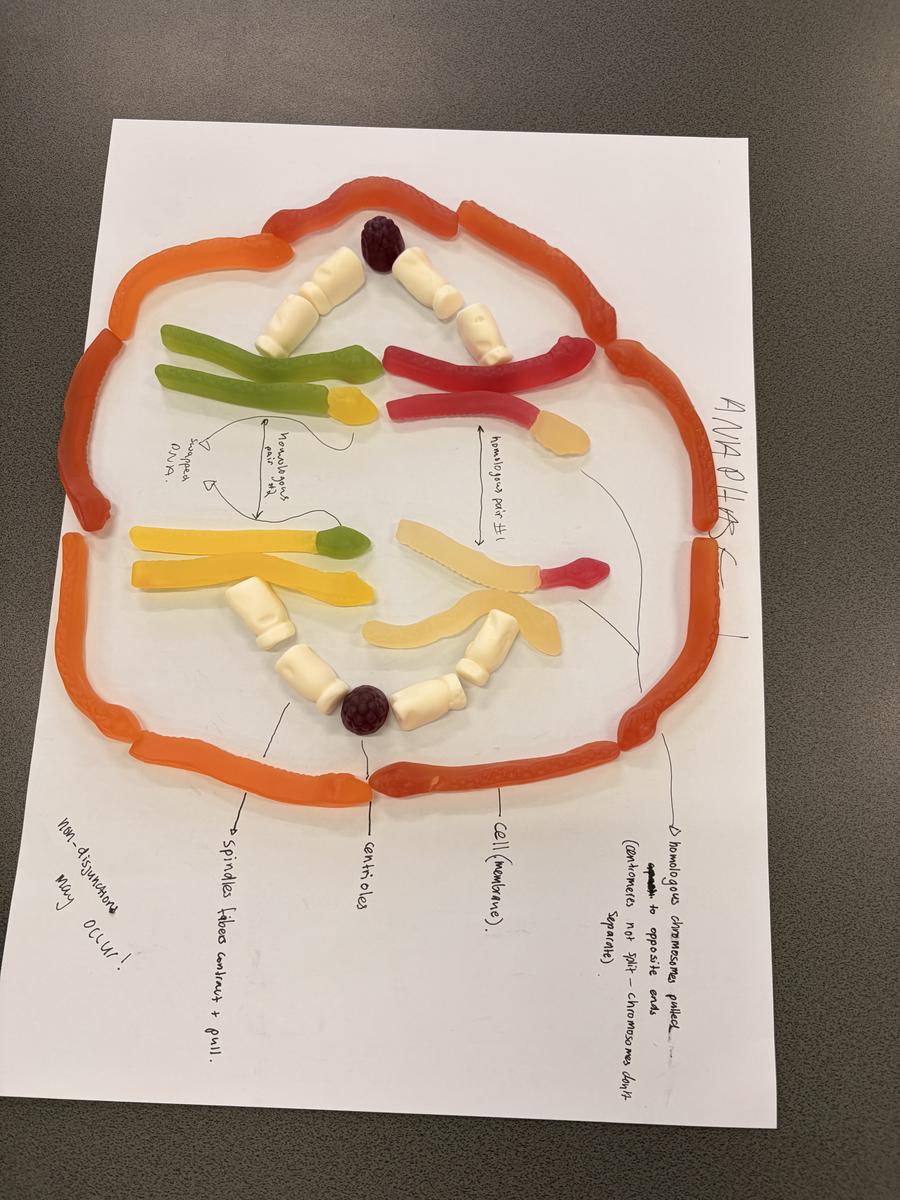
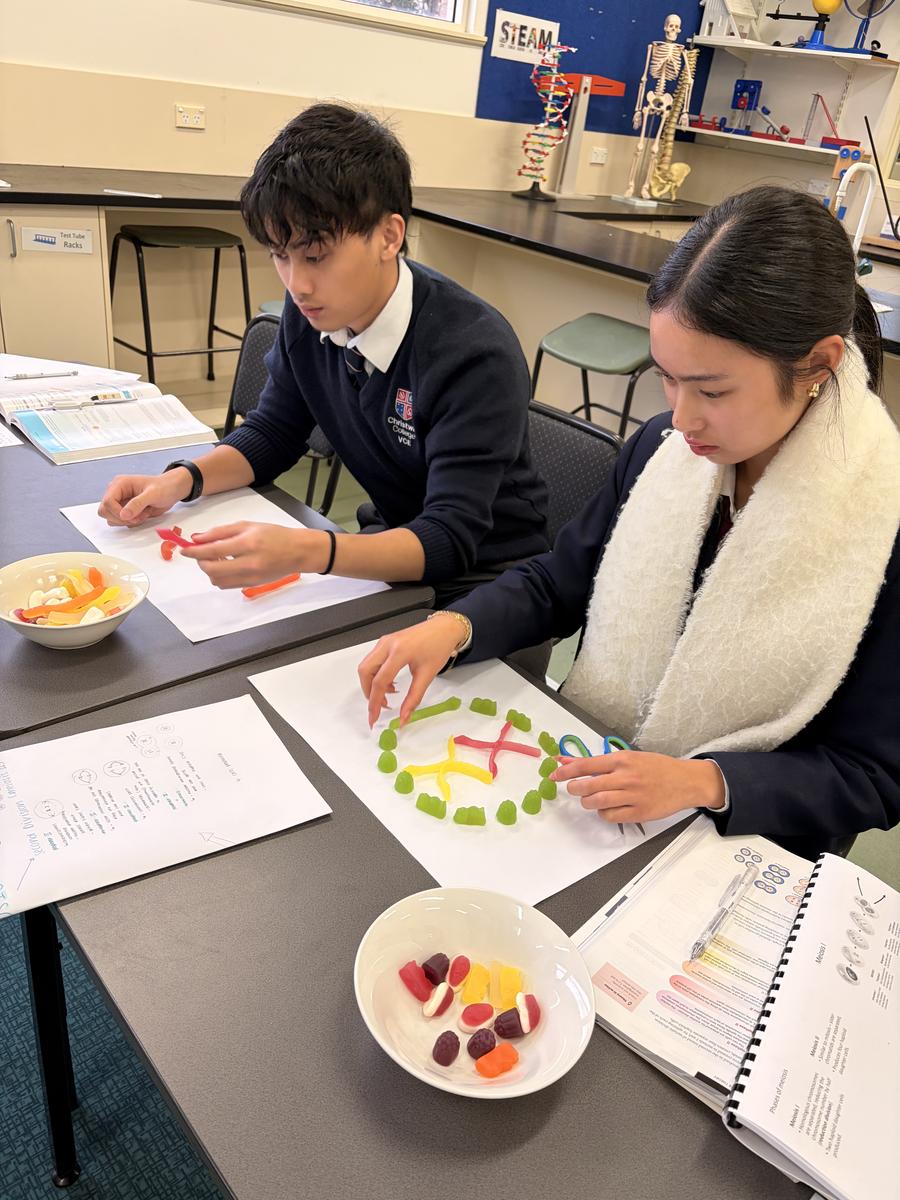
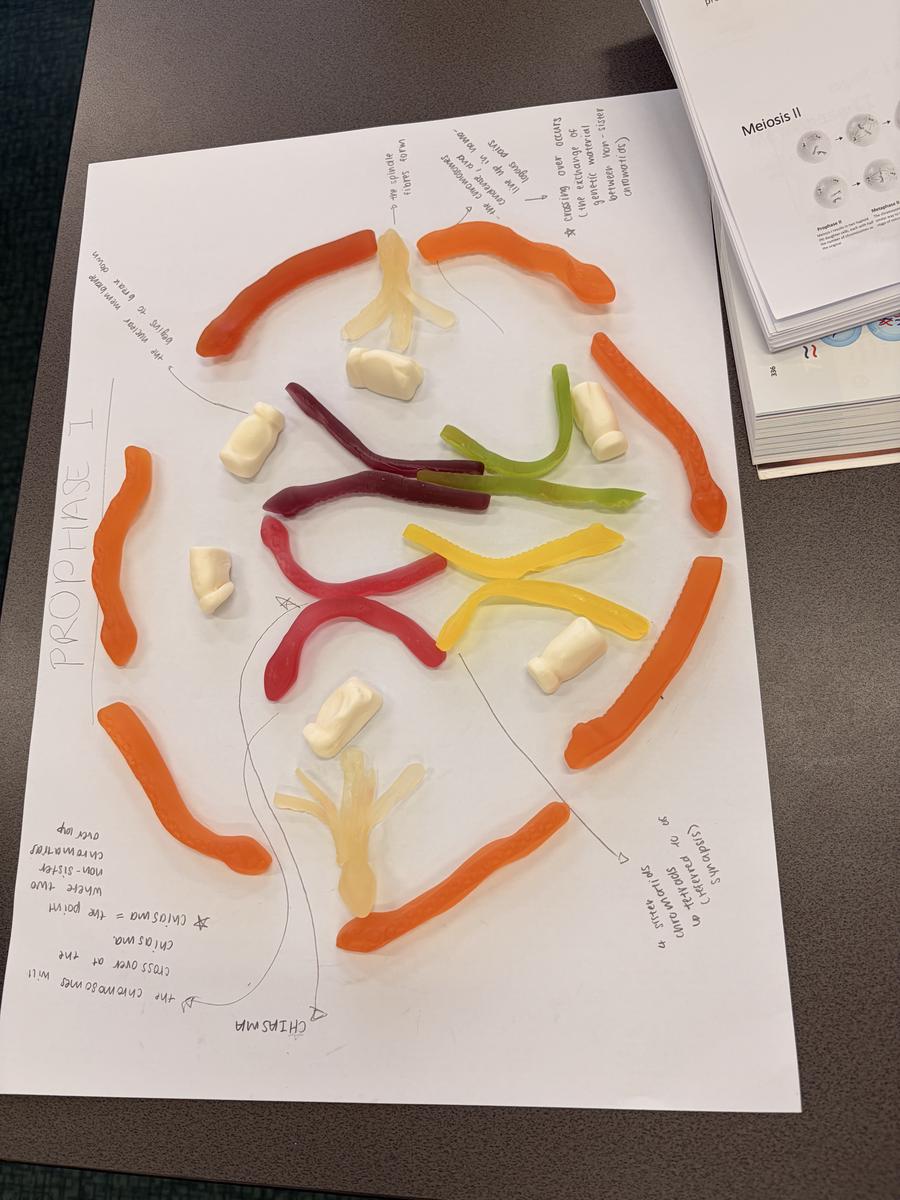
Meiosis is the specialized form of cell division that produces gametes (sperm and egg cells), cutting the chromosome number in half so that future generations maintain the correct amount of DNA. Because it involves a lot of moving parts—chromosomes crossing over, aligning, separating, and dividing twice—visualizing the process can be a challenge.
To bring these abstract microscopic concepts to life, students took part in a hands-on, practical modeling activity using jelly lollies! By mapping out every stage from Prophase I to Telophase II and cytokinesis, students directly addressed key knowledge from the VCE Biology Study Design, specifically focusing on:
- The importance of homologous chromosomes and how they segregate.
- Mechanisms of genetic variation, including crossing over and independent assortment.
The production of four unique haploid daughter cells from one diploid cell.
By translating a complex cellular sequence into a tangible (and delicious) 3D layout, our VCE biologists have built a fantastic memory anchor for their upcoming assessments.
Year 12 Chemistry Major SAC Investigation
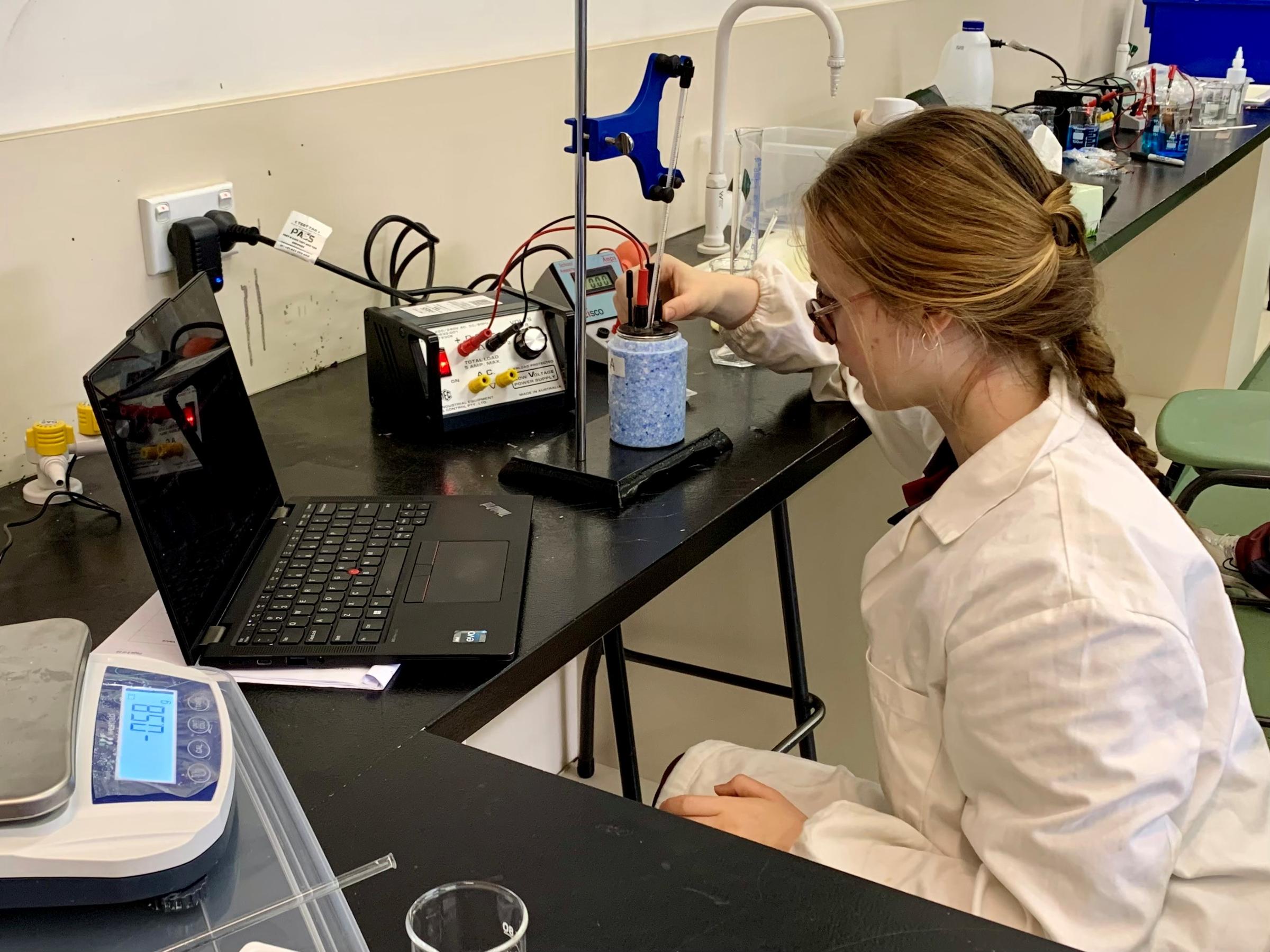
In Year 12, students undertake a self-designed scientific investigation that involves generating primary data related to energy production, chemical synthesis, or the analysis of organic compounds. The investigation builds on the knowledge and key science skills developed throughout Units 3 and 4.
This year, students explored factors related to a variety of topics including electrochemistry, catalysis, and calorimetry. As part of the investigation, they developed a research question, stated an aim, formulated a hypothesis, and planned a methodical approach to address their question—ensuring adherence to safety and ethical guidelines.
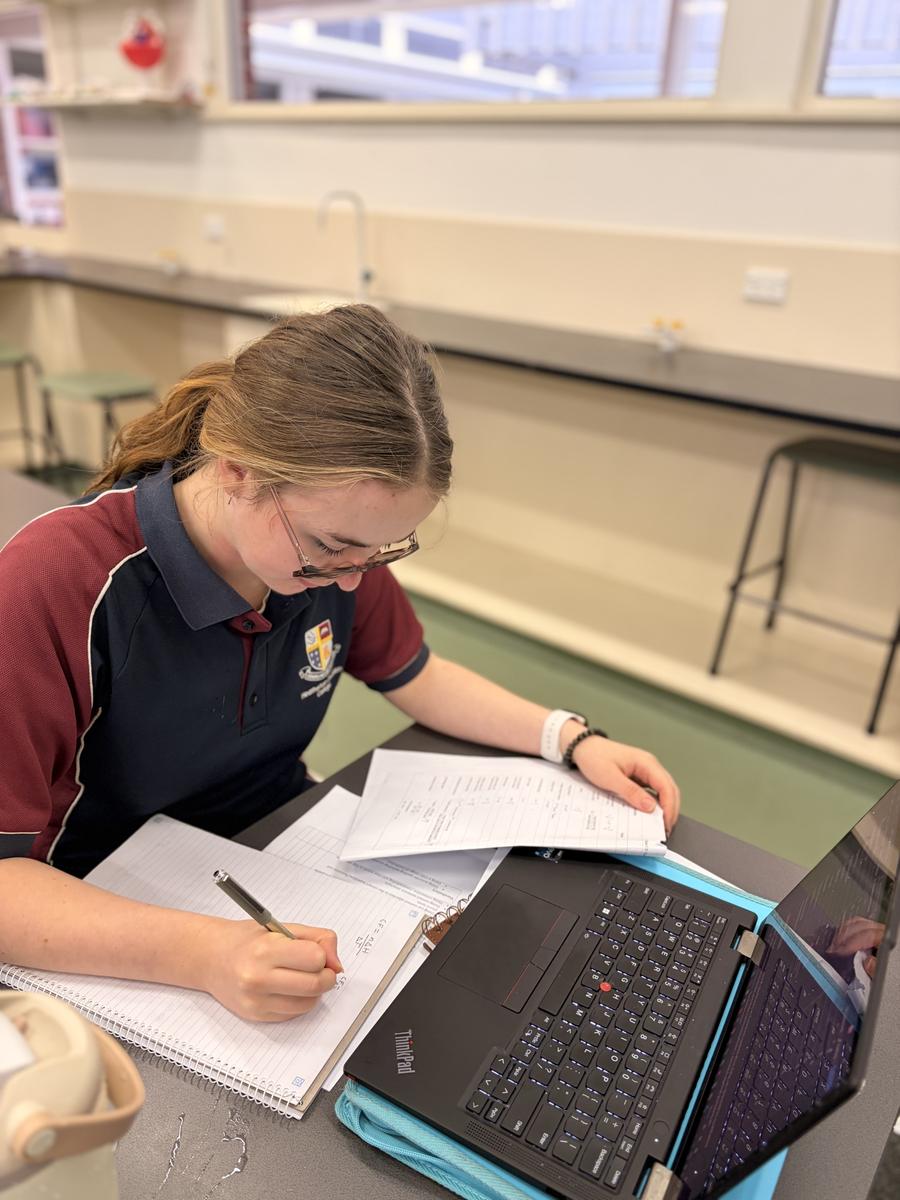
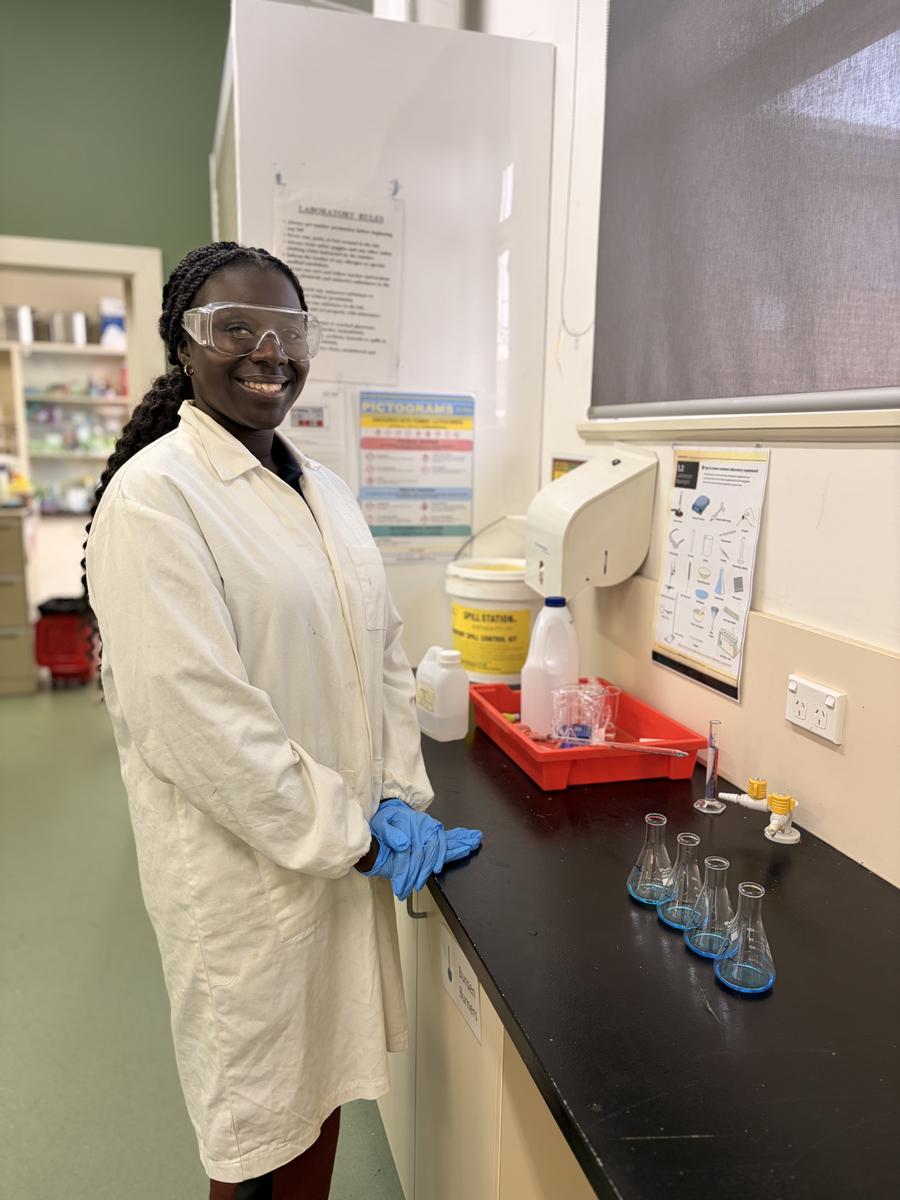
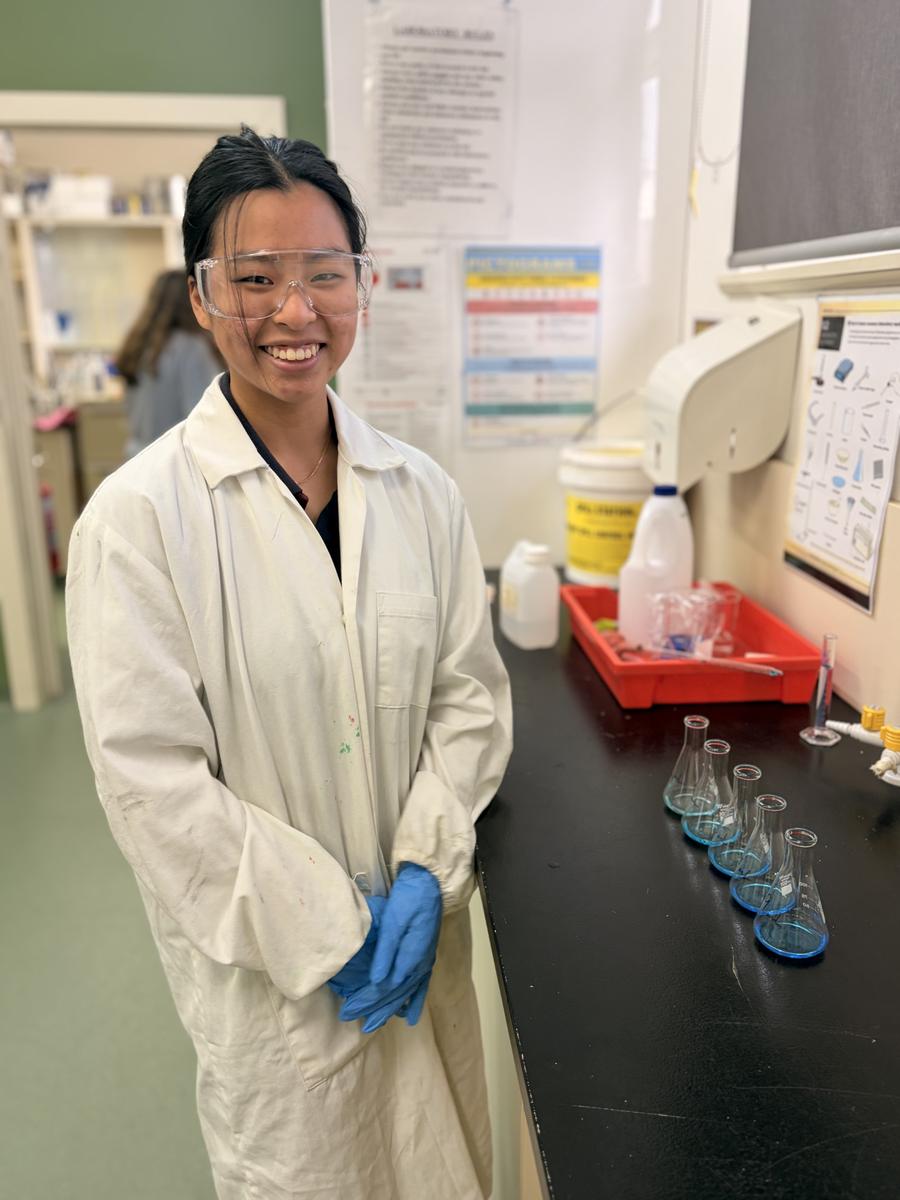
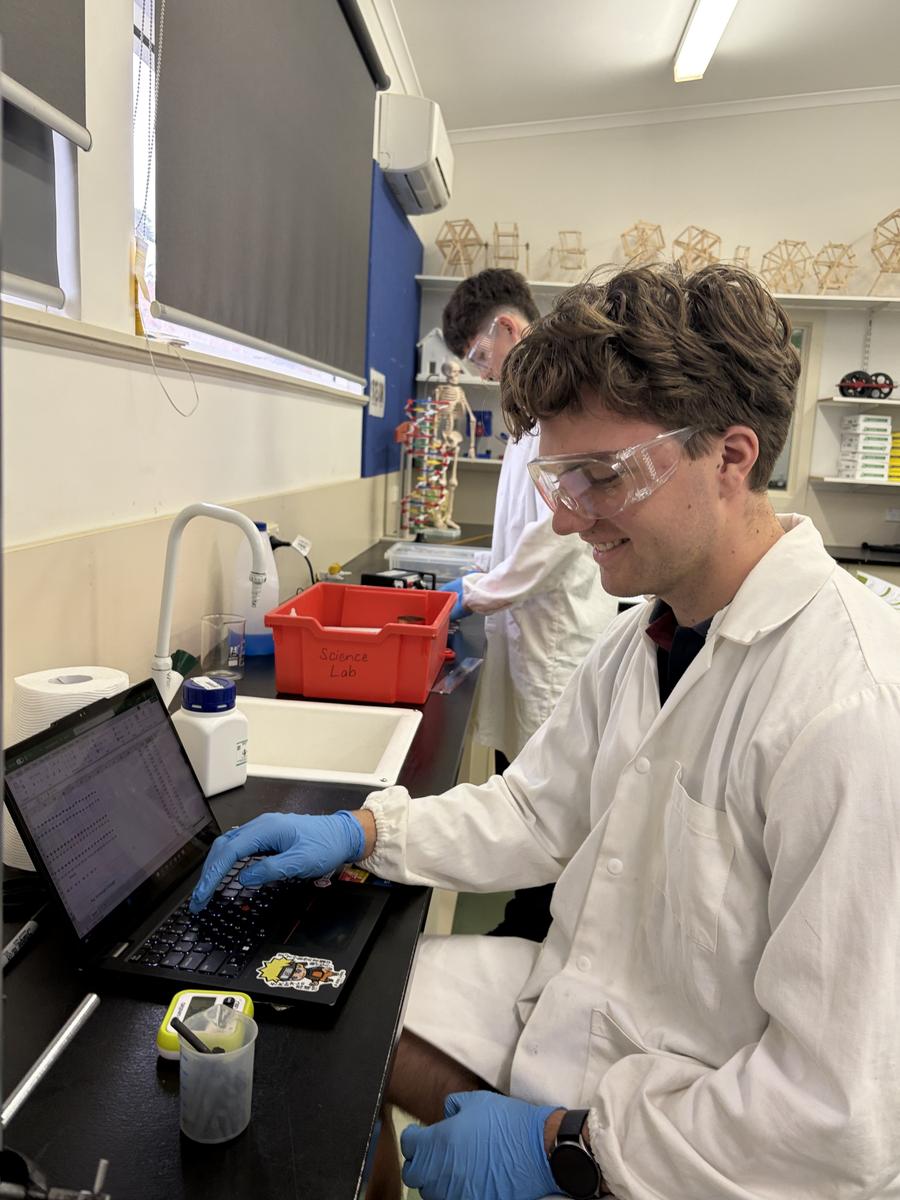
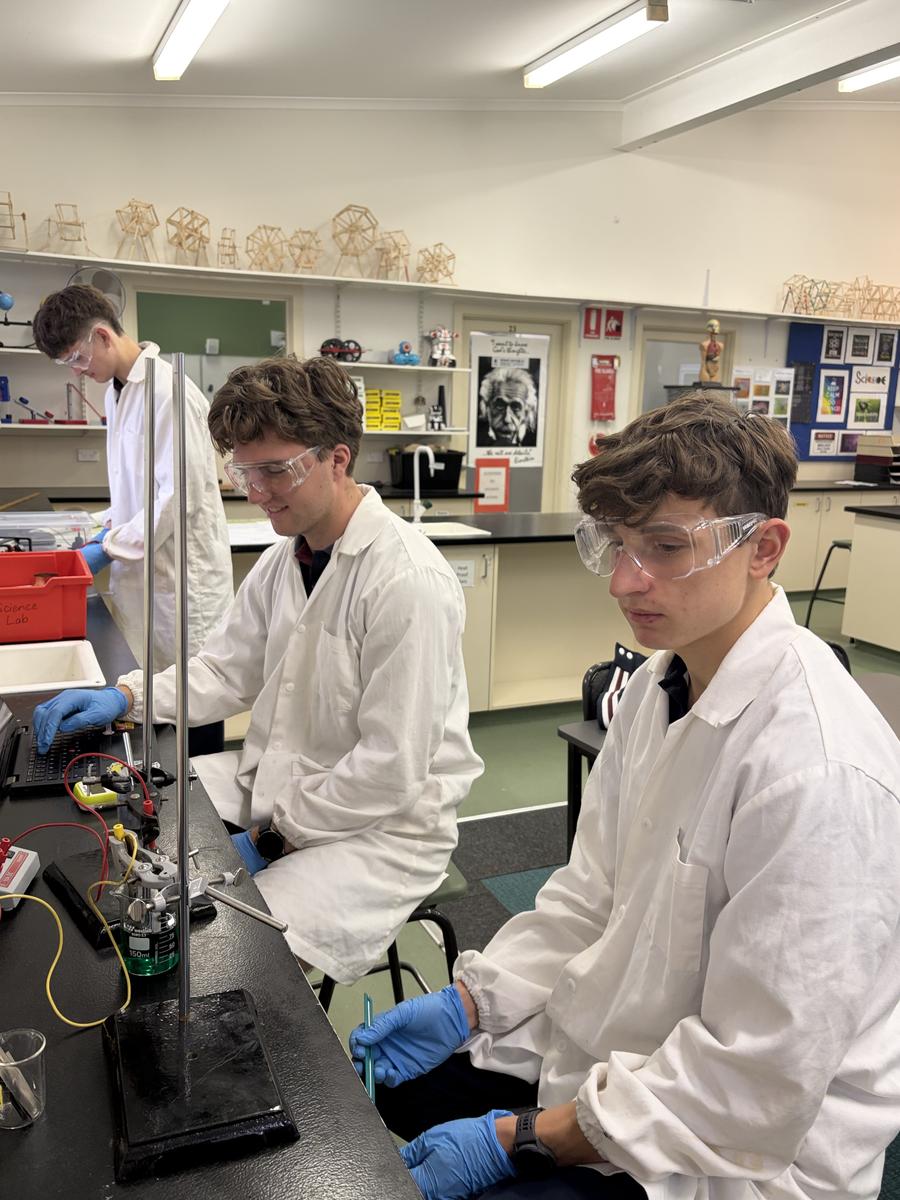
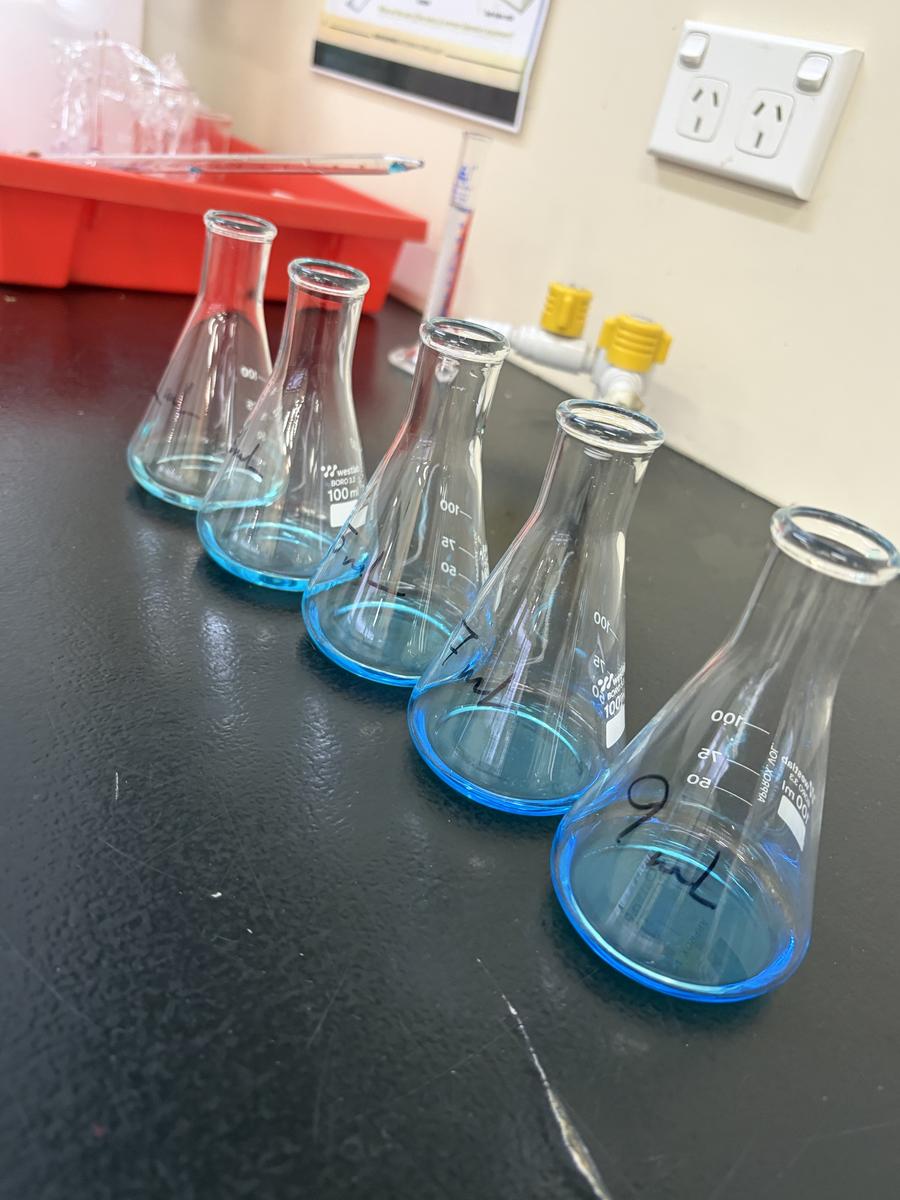
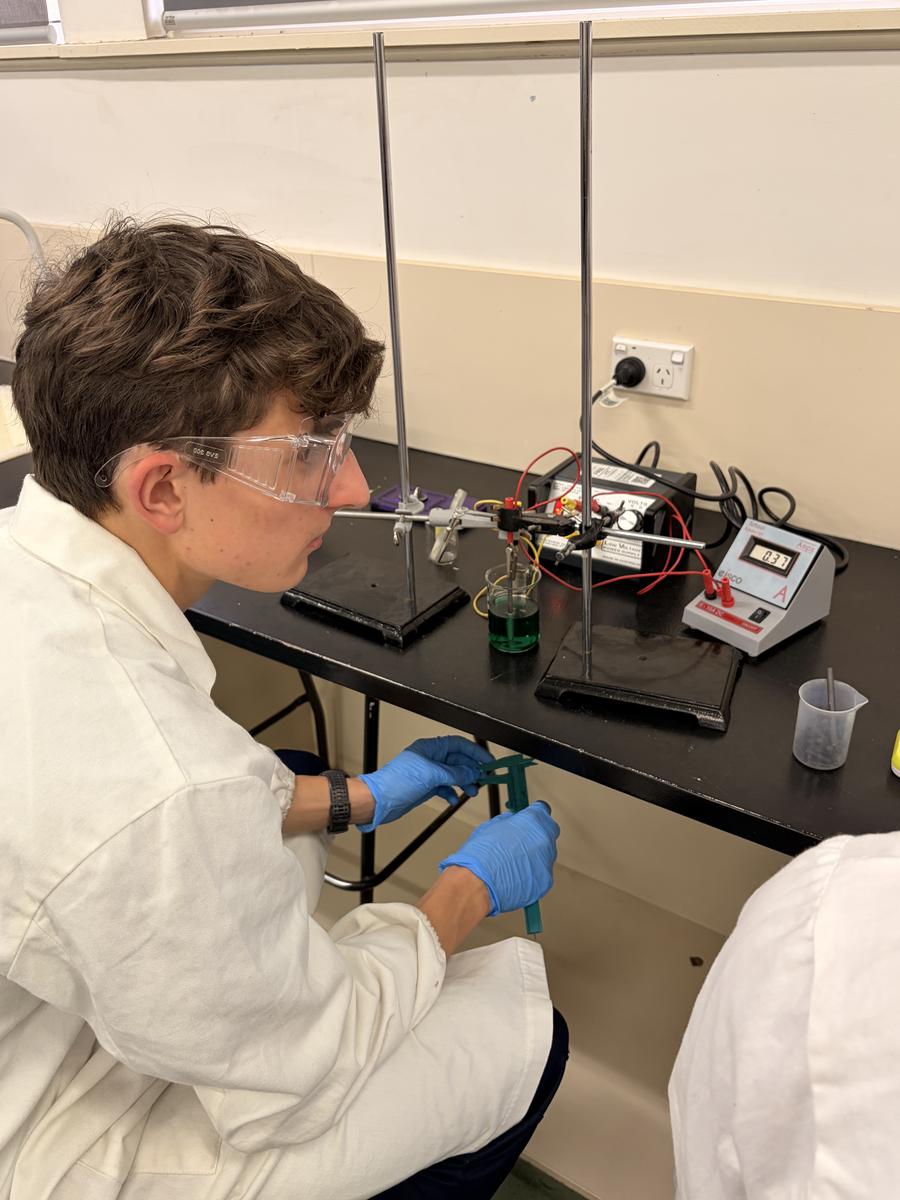
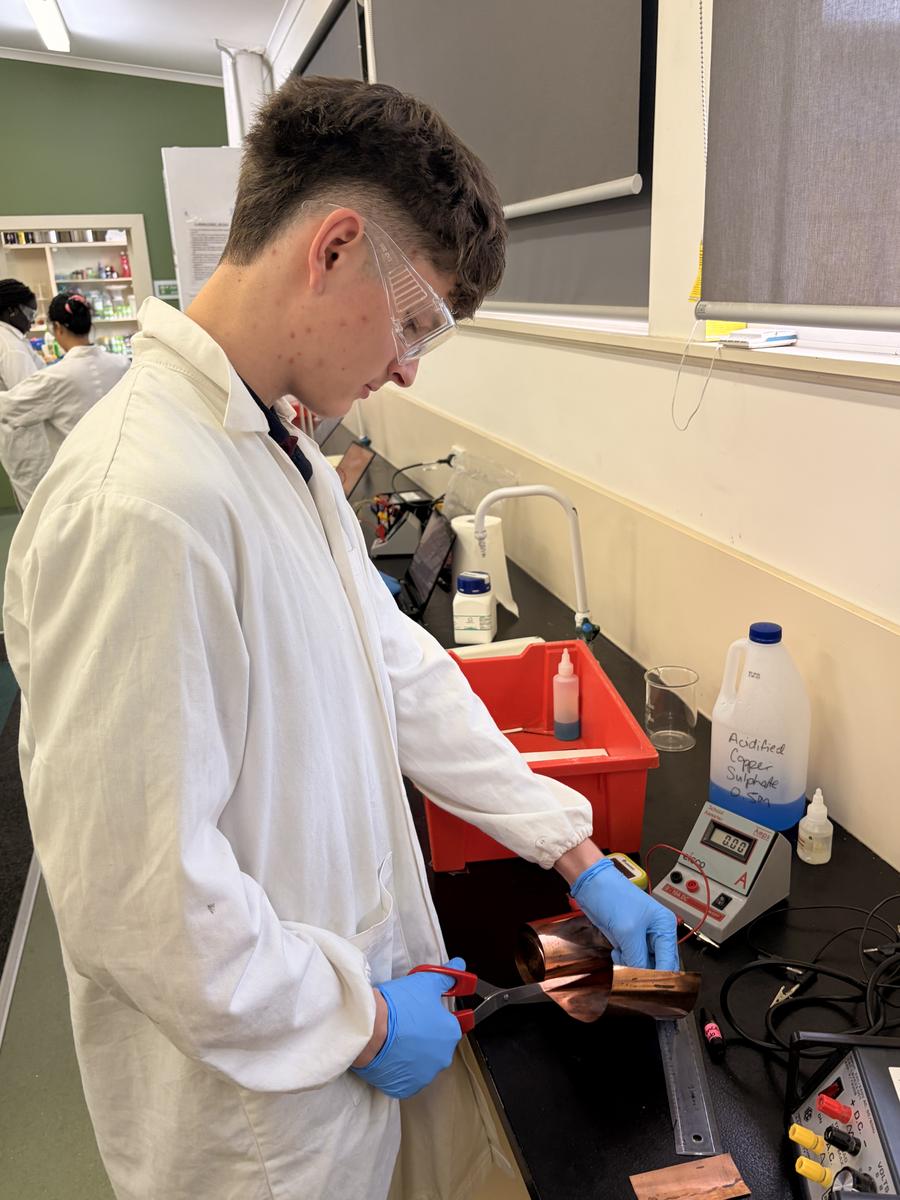
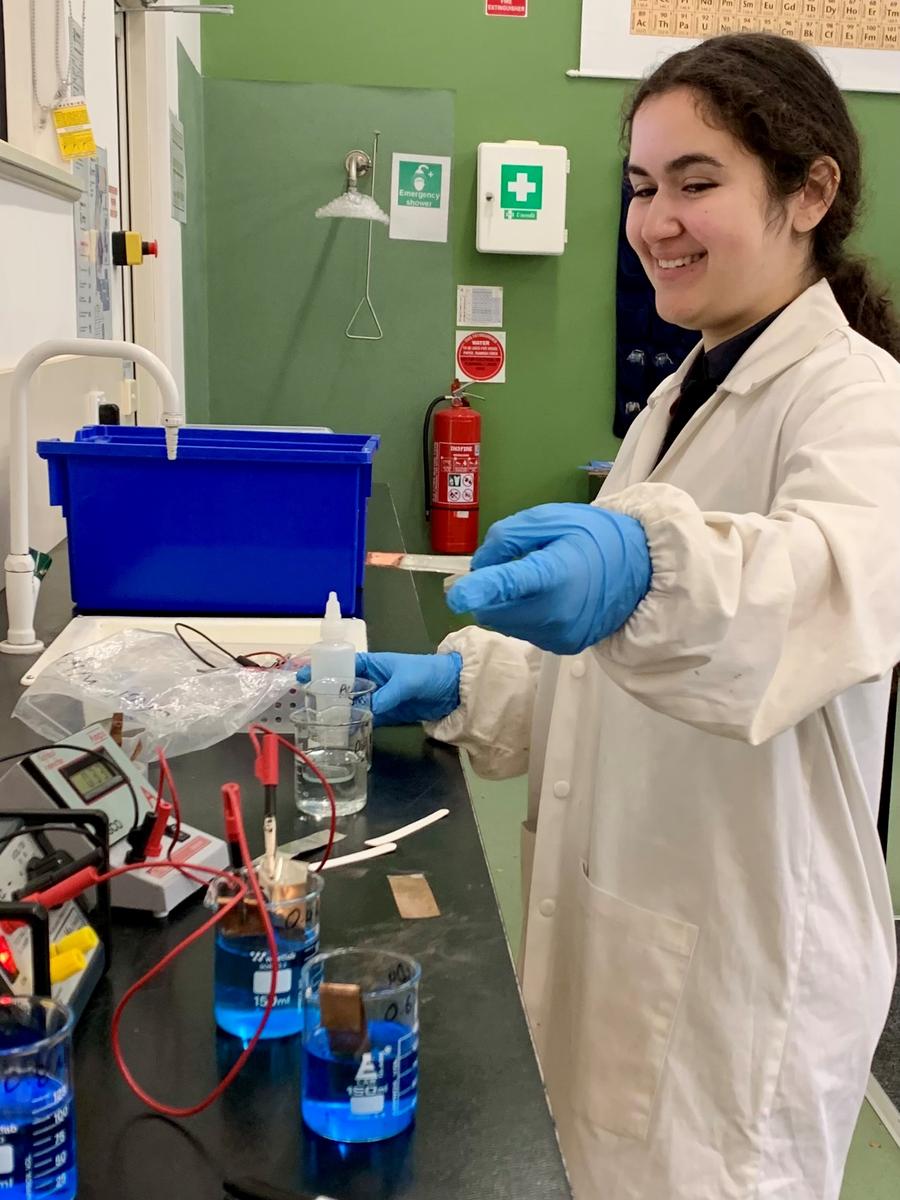
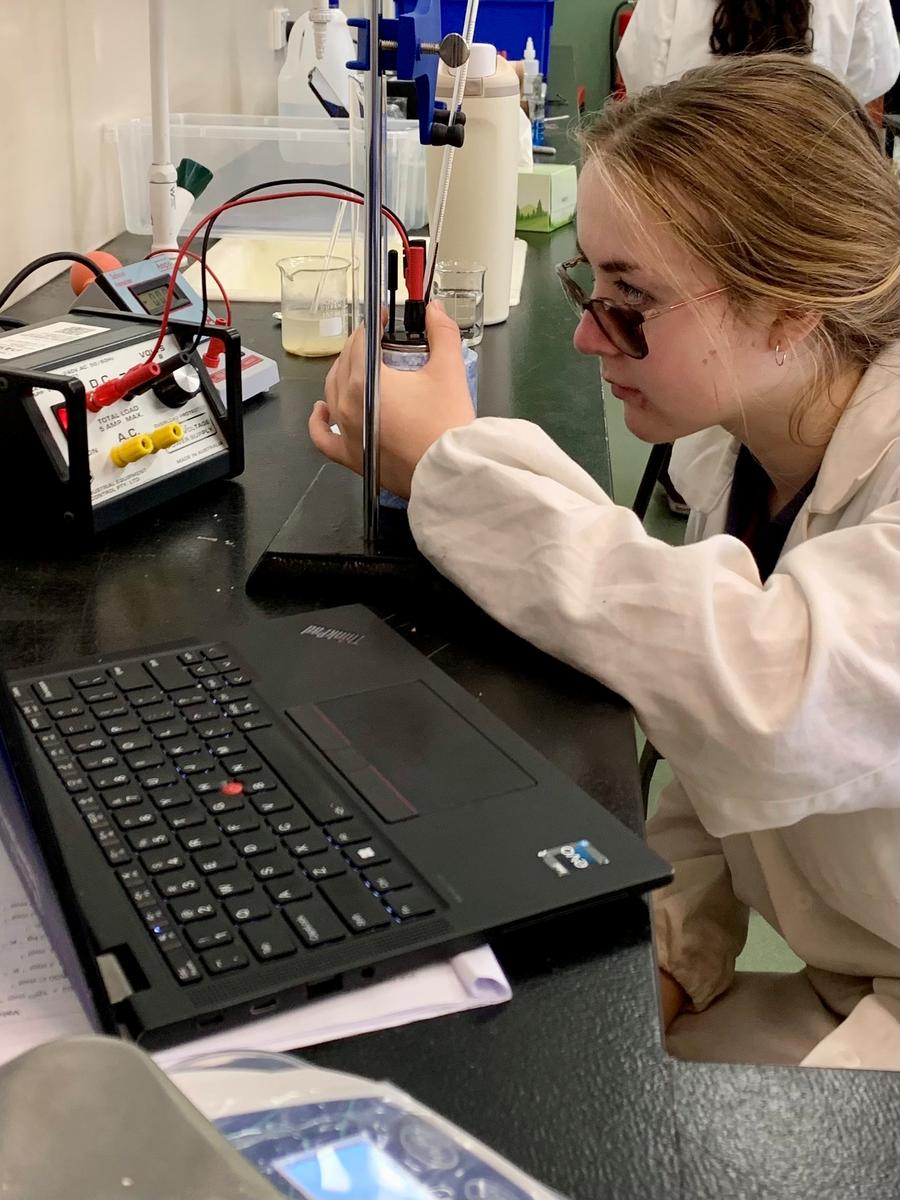
Students conducted a series of experiments to collect primary quantitative data, which they then analysed. This analysis involved identifying limitations in both the data and methods, linking experimental results to scientific concepts, discussing the implications of their findings, and drawing conclusions in response to their research question.
Throughout the investigation, students maintained a logbook to document their process and ultimately presented their findings in the form of a scientific poster.
Spiny Leaf Insects
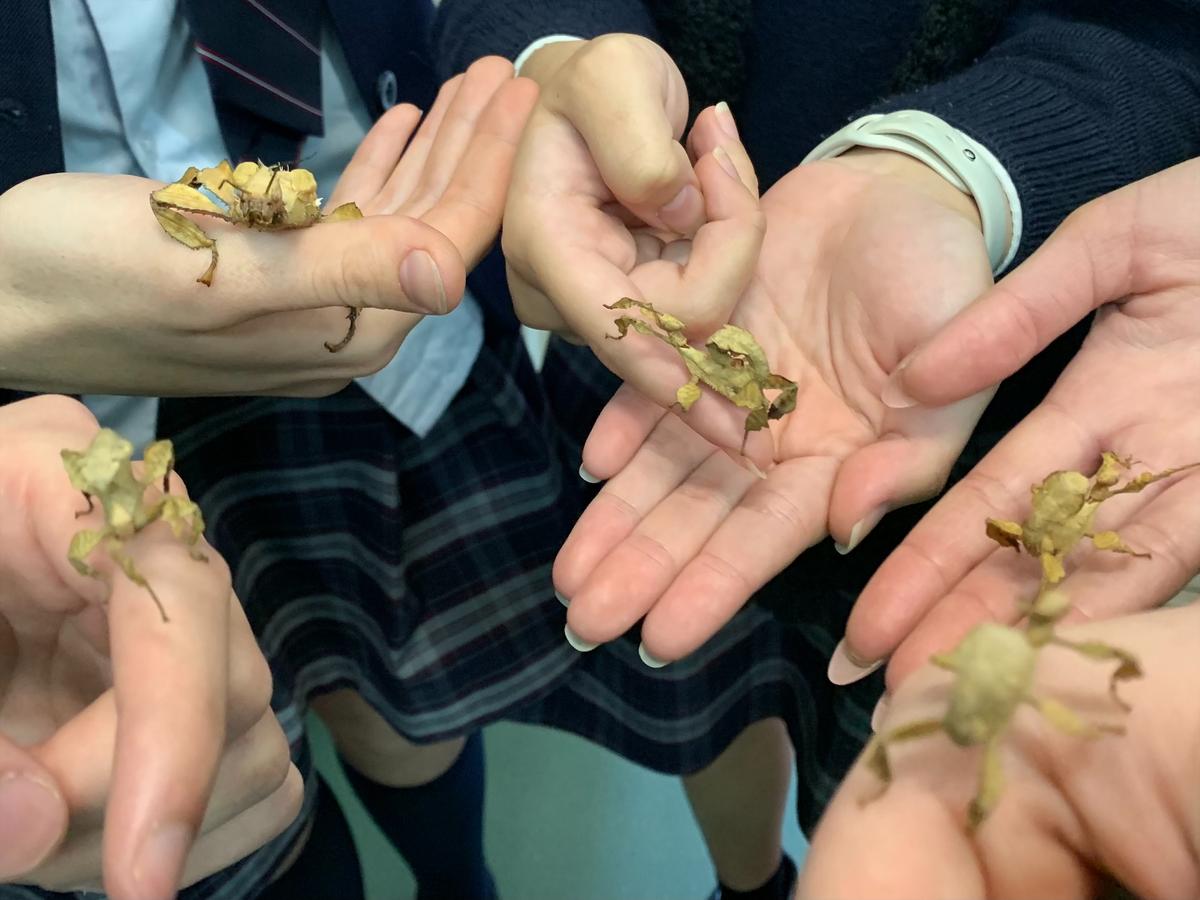
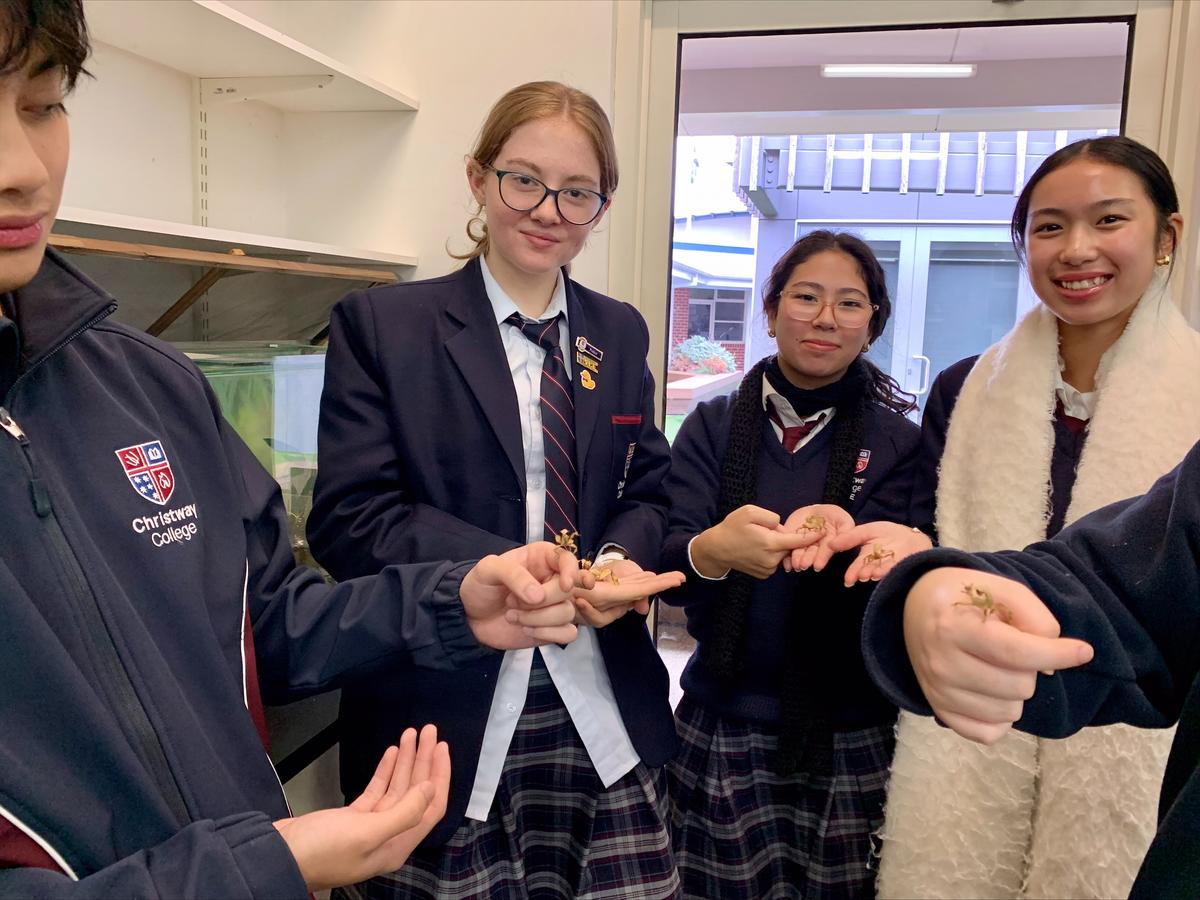
The Year 11 biology class had a hands on experience with our resident spiny leaf insects.
These fascinating creatures tell an amazing tale of adaptation and asexual reproduction.
Dr Phil Bergen Sarah Bergen
Science Teacher Science Technician