Numeracy
Have you ever wondered exactly when the middle of the school year is? This year, we have 41 school weeks spanning from late January to late December. If you do the maths, that means the exact middle of our school year falls in Week 1 of Term 3!
At BSPS, our vision is for students to understand that skills are learned, mistakes are opportunities for growth, and taking risks is an important part of learning. We want all students to develop and use a growth mindset.
Last week, I met with one of the Mathematics Leaders at Brunswick Secondary College. During our conversation, we shared insights about our schools and discussed ways we can continue to extend students throughout primary school while ensuring they are well prepared for high school. One key theme that emerged was the importance of students being organised, independent, and confident in using a growth mindset.
Every child is on their own learning journey. Below are some simple and practical ways you can support your child’s mathematical learning at home.Juniors
- Count the number of steps it takes to walk to the letterbox, or the number of birds you see at the park. You might even like to practise tally marks to record these observations.
- Count the number of items in a grocery basket. Ask your child questions such as, “How many are there if I add 2 more apples?” or “How many are left if I put 3 bananas back?”
- Play board games such as Snakes and Ladders. These games help students identify numbers, count using one-to-one correspondence, and move forwards or backwards.
- Use comparative language in the kitchen or backyard. For example: “This milk carton is heavier than the yoghurt cup,” or “Your shoe is shorter than my shoe.”
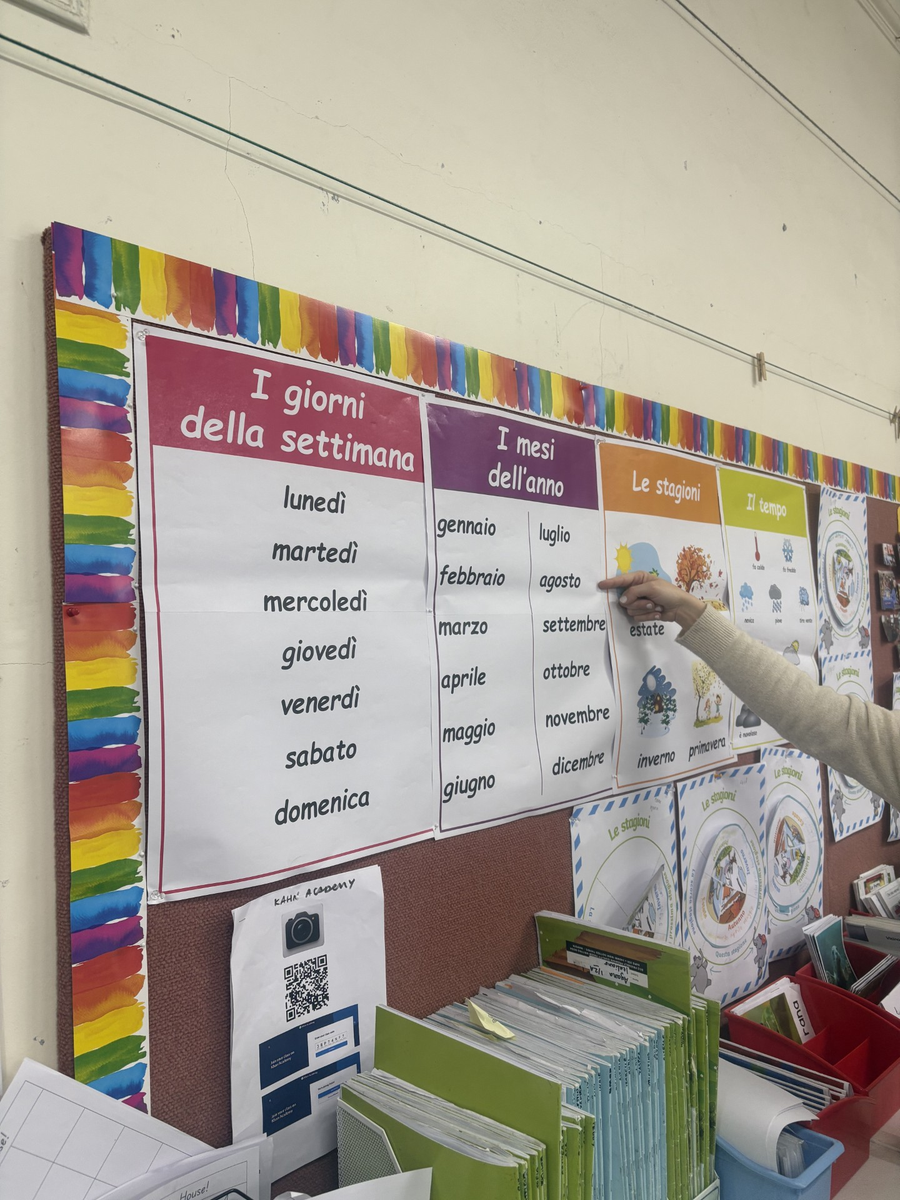
- Organise your weekly or monthly schedule on a calendar! Practise the months of the year and days of the week in order. Practise the days of the week by asking questions such as: “What day is it today?”, “What day will it be tomorrow?”, or “What day was yesterday?”
- Practise skip counting by 2s, 5s, and 10s.
- Read analogue clocks together to tell the time. Ask questions like, “If we leave home in an hour, what time will it be?” or “This cake needs to bake for three-quarters of an hour — what time should I set the alarm for?”
- Compare units of measurement and discuss where they are used in everyday life. For example, liquids are measured in litres (L), while fruit and vegetables are often measured in kilograms (kg). Ask your child to help collect these items while shopping.Seniors
- Practise times tables using online games and activities, such as: https://www.mathsisfun.com/numbers/math-trainer-multiply.html
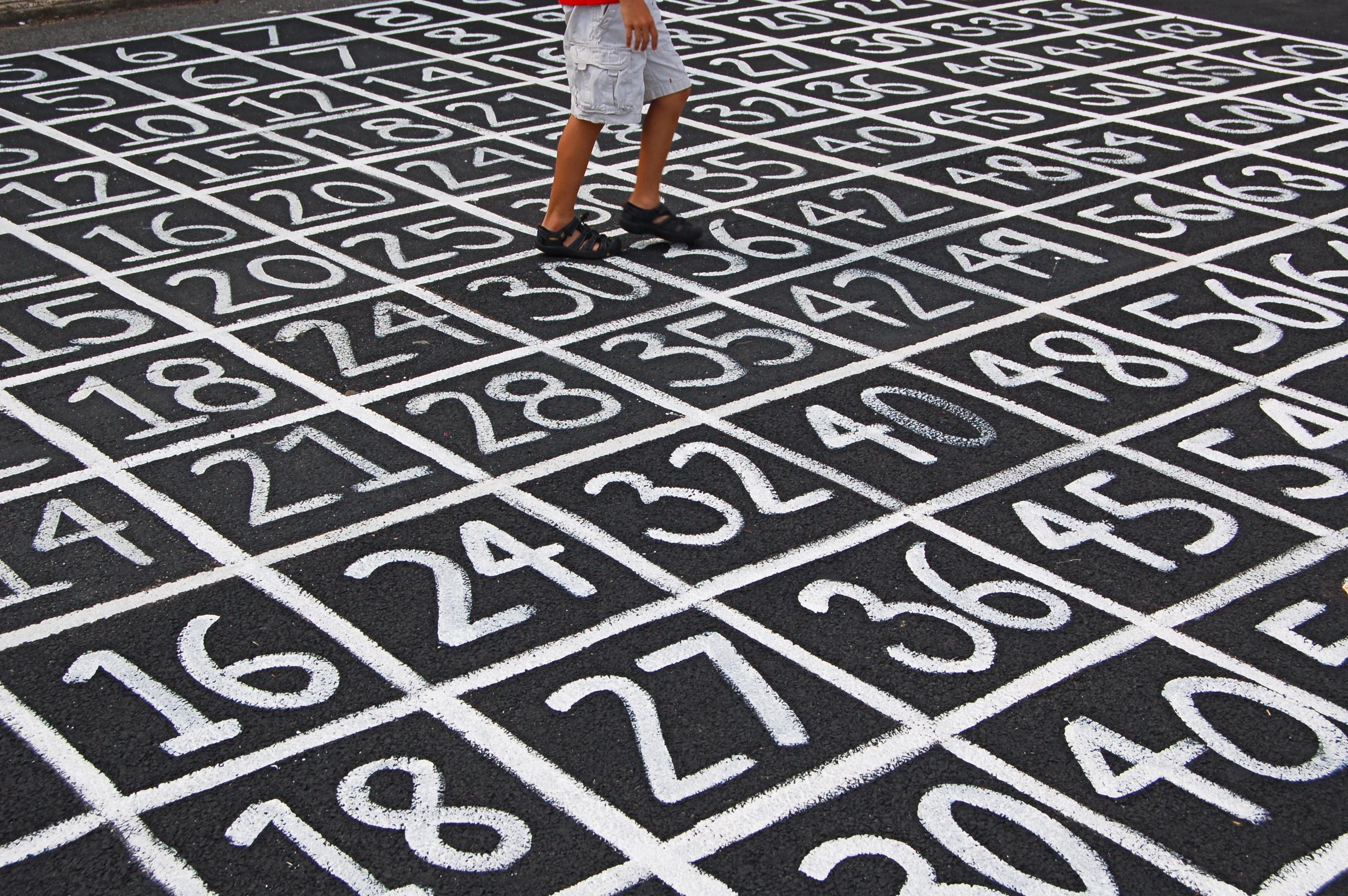
- Explore “real-life arrays”, such as the number of muffins that fit in a tray or the arrangement of windows on a building.

- Practise reading an analogue clock to the nearest five minutes.
- Cook at home using recipes that require conversions, e.g. recognising that 1.5 kg is the same as 1500 g.
- Explore measurement using formal units such as degrees, centimetres, and kilometres. For example: “How far will this tank of petrol take us?”
- Explore percentages and discounts by asking your child to compare product prices at the supermarket or shops.
- Encourage your child to read large numbers and decimals, such as petrol prices, car odometer readings, or weather temperatures.