
Chaplain's Spot
How to navigate a traumatic world
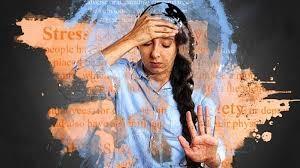
What Is Trauma? Trauma is a reaction to a distressing event that causes physical, emotional, or mental harm. Examples of traumatic events include the death of someone you love, experiencing abuse, a relationship breakup, or a natural disaster.
Feeling shocked, sad, anxious, or overwhelmed after difficult life events is common.
Individuals who have been traumatized may experience the following symptoms:
Difficulty sleeping or nightmares, unwanted thoughts or memories, hypervigilance, struggling to manage intense emotions, trouble concentrating, negative thoughts and beliefs, risky or harmful behaviour, feeling disconnected, difficulty maintaining healthy relationships, feelings of shame, guilt, or self-loathing, trouble trusting others, aggression or irritability, low self-esteem, substance abuse or eating disorders.
Accept Support: Finding and accepting support is crucial for managing mental health challenges. It's important to highlight the benefits of accepting support.
You might receive support from loved ones, a support group, a therapist, or from friends or colleagues. The important part here is to get into a mindset where you understand that others may likely be able to help you, and you are willing to take that help.
Find the Right Help: Next, consider finding the most suitable help for your situation. If you decide on therapy, seek a trauma-informed therapist who is equipped to address trauma effectively.
Connect With Others: It's important for trauma survivors to connect with others. It's important to build a network of 1 - 3 people with whom you can share difficult times, and a wider network of people who can help you connect to fun and joyful activities.
Connection with others is key to happiness as humans, and isolating yourself while dealing with trauma can lead to negative outcomes like depression. Spend time with friends when you feel up for it, and share what you've experienced when it feels right.
Physical Movement: As well as directly helping you heal, exercise and physical movement also provide you with much-needed feel-good chemicals like endorphins.
If you don't love working out, that's OK! Take walks, do something fun like bike riding or roller skating, move along to a yoga video, or have a solo dance party. Anything that involves moving your body will help you heal.
Work With Your Feelings: Journaling is a common way to manage stress and move through complex events. As you journal and work with your feelings, be curious about your emotions and sit with them if you are able to do so. Don't pressure yourself to feel things that can trigger a flashback.
Feeling your feelings, and accepting them, is key to healing from trauma. You may have some difficult feelings along the way, like anger, and that's OK. It's natural to have a wide variety of emotions, and there's nothing wrong if some of them are new for you.
Practice Self-Care: Self-care reduces stress, and feels good. Practice self-care through your healing journey by regularly taking action to do things that feel good and loving for yourself.
Self-care acts can be simple and free. What matters is that you set time aside to care for yourself, and you do things that make you feel loved. Here are some examples of self-care:
Practising sleep hygiene, daily exercise, belly breathing, grounding exercises, journaling, eating a balanced diet, hydration, connect with others, create art, practice a hobby.
Take Breaks: When moving through healing, you might find that you're more tired than usual. Or, you might feel like you have physical energy, but your mind doesn't work as well. Healing from trauma takes a lot of energy.
The best way to deal with reduced energy during this time, whether physical or mental, is to be gentle with yourself. Taking breaks, even from doing fun things, to pause and give yourself a moment will help keep your energy up and ensure you don't exhaust yourself.
Practice Mindfulness or Meditation: One practice that has been shown to support mental health is mindfulness. It's a method of experiencing life where you make a point of paying attention to each moment. You stay present for everything from your thoughts and feelings to how things are for you physically. This can help you relieve stress.
Also, meditation and breathwork, natural offshoots of mindfulness, can improve stress levels and help you feel more relaxed and settled. These are all helpful for healing.
Engage in Creativity: Lastly, having fun is a great healing tool. Getting creative, for you, might mean making music or just listening to it. It might mean writing poetry, journaling, or even just reading a fiction book. Engaging your brain in creative and artistic endeavours has been proven to improve physiological and psychological outcomes in people.
Healing from trauma might feel overwhelming. Know that there are many options at your disposal, and if you use them, you'll be on your way to feeling better soon.
www.verywellmind.com
Community Wellbeing:
Ben’s Place: 2 Liverpool Rd, Boronia VIC 3155
Ben’s Place provides a free food relief pantry to the Community servicing the Dandenongs and also the Yarra Valley, utilising surplus and donated fresh produce and goods. This has enabled people in need to put food on the table and ease the current cost of living crisis.
Founder and President, Liz Bullen, established the pantry in honour of her son, Ben, who was sadly lost to suicide several years ago. The group focus is supporting those with mental illness. These needs differ for each individual and can be complex, but we know how important food security is to people already struggling in life. “Ben’s Place” pantry has grown to become a lifeline for countless individuals and families facing financial hardships, providing them with access to nutritious food and essential supplies. Over 400 households visit the pantry each week. There is ample fresh fruit and vegetables daily, along with fresh bread and rolls, pantry staples, pet food, toiletries and personal care items. Visitors select their own items so that their dietary and cultural needs are met. Families struggling to make ends meet appreciate the sense of dignity and hope the pantry provides.
School wellbeing:
Toast Tuesday: Our free breakfast program runs weekly on Tuesdays at 8.30am, and is open to all students. Woolies Eastland supports us with a monthly gift card for our spreads.
Baker Delight goods: We are thankful to Bakers Delight Heathmont, for their generous provision of loaves for Toast Tuesday. If you would appreciate regular bakery items, please email me, or see me at school.
Second-hand uniforms etc:
Thanks to everyone who has donated unwanted uniform back to us. As a reminder, please don’t cut off the tag showing the size, and please wash items before returning. Thanks!
Contact: Feel free to contact me about anything that is of concern for you or your family, whether emotional, social, spiritual or practical.
Regarding students, I can meet with them once, and for further contact we ask parents to sign a Consent Form. If you would like a form, I can send one home or email one to you.
Alan Silverwood: Chaplain - Pastoral care for our community. [Tuesday & Friday]

[alan.silverwood@education.vic.gov.au]
Supporting the School community in emotional, social, spiritual and practical wellbeing.
Our Chaplaincy program is funded by the Federal Government’s ‘National Student Wellbeing Program’, the GRPS School Council and donations.