
Health & Wellbeing @ NLPS

Term 2 Parents' and Carers' Coffee Morning
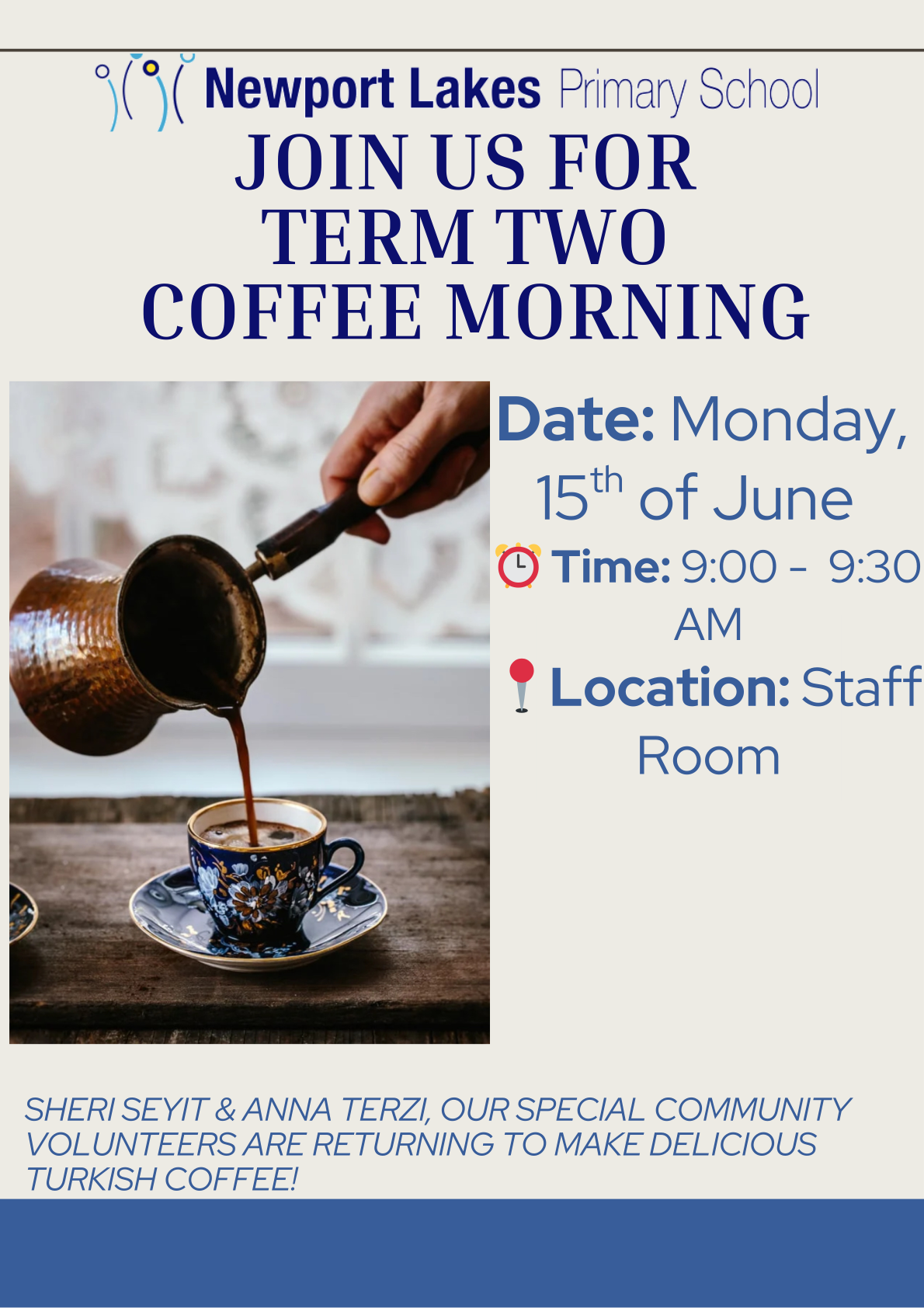
We warmly invite you to our upcoming Parents' and Carers' Coffee Morning.
📅 Date: Monday 15th June
⏰ Time: 9:00–9:30am
📍 Location: Staff Room
We are delighted to once again have our wonderful baristas, Sheri Seyit and Anna Terzi, who will be serving delicious Turkish coffee. Tea and water will also be available.
If you would like to bring along a snack or some biscuits to share, you are very welcome to, but most importantly we would simply love to see you there.
All parents and carers are warmly welcome, we look forward to seeing you there. 😊
Carlton Respects - Road to Respect
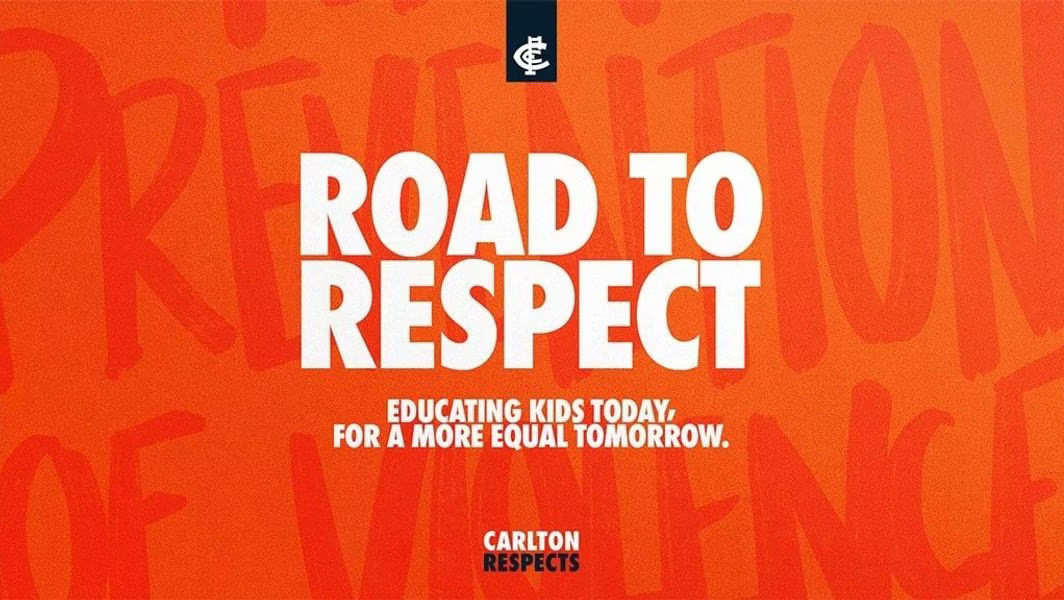
On Monday 26th May and Monday 1st June, NLPS welcomed visitors from the Carlton Football Club to run the Road to Respect program for our Year 3, 4 and 6 students. The students took part in a 2-hour session, learning about emotions, challenging stereotypes, and being upstanders in today’s society.
Here are some testimonials from our Year 6 students.
"The Carlton Respects program is a brilliant program for Year 6 students! The program talked about how to keep a positive mindset, how to deal with stereotypes and to be able to acknowledge your emotions and how to deal with them. As a current year 6 student, this program was very enriching and taught us about lots of very important stuff as we are growing up. I honestly would do this program again and strongly encourage other schools to do this program, as they are very enriching and very good to have as ‘tweens’ and going into older years."
Charlotte
NLPS Year 6 students really enjoyed Carlton’s respectful programs. We really appreciated how you taught us to be respectful and understand how different people can have different likings through games such as the celebrity heads and the game where you told us that Boys can like Taylor swift and painting nails and girls can be a 2 time leading goal kicker and like basketball. We really enjoyed how Lucy interacted with everyone and answered every single question. We really recommend this program to other schools and we are sure that a change of respect will happen.
Aren Jafari & Blake Julier
Calm Bodies, Big Feelings: Helping Children Feel Safe and in Control
All children experience big feelings, frustration, excitement, worry, anger, and joy. These emotions are a normal and important part of growing up. What children are still learning, however, is how to manage those feelings in a safe and helpful way.
A key message we like to teach children is: ‘When our bodies are calm, our brains can think clearly.’
Why does this matter?
Research in child development and neuroscience shows that when children feel overwhelmed, the ‘thinking part’ of the brain temporarily goes offline. In these moments, children are not being difficult, they are having difficulty.
Before children can problem-solve, listen or learn, they first need support to feel calm and safe in their bodies. The encouraging news is that these are skills that can be taught and practised over time.
What does emotional regulation look like?
Emotional regulation doesn’t mean children never get upset. It means they are gradually learning to:
- Recognise how they feel
- Express emotions safely
- Calm their bodies after strong feelings
- Ask for help when needed
Like learning to read or ride a bike, this takes time, practise, and support.
Supporting without rescuing
As parents, it is completely natural to want to step in quickly when our child is upset, or to protect them from anything that might make them feel worried or uncomfortable. We all want to make things better for our children as quickly as possible.
At times, however, when children are always rescued from discomfort or consistently allowed to avoid situations that make them anxious, they can miss important opportunities to build confidence and coping skills. Over time, this can actually increase anxiety rather than reduce it.
Instead, we can gently support children to face challenges in a way that feels safe and manageable:
- Pause before stepping in and give your child a moment to try
- Acknowledge the feeling: “I can see this feels hard”
- Offer support, not immediate solutions: “I’m here if you need help”
- Encourage small, manageable steps rather than full avoidance
This approach sends a powerful message: children can feel uncomfortable and still cope, and they are not alone while doing it.
How we support this at school
At school, we help students build these skills through simple, consistent strategies such as:
- Naming emotions: “I can see you’re feeling frustrated”
- Practising calm breathing
- Taking short movement or brain breaks
- Creating safe, supportive classroom environments
- Explicitly teaching social and emotional learning through our Health Scope and Sequence
These approaches help children feel understood, which is the first step in helping them feel calm.
You may like to try these strategies at home:
Connect before you correct
When your child is upset, start with connection: “I can see this is really hard right now.” Feeling understood helps calm the nervous system.
Focus on the body
Encourage simple calming strategies:
- Slow, deep breaths: in through the nose for 3, out through the mouth for 5
- A drink of water
- A short walk or movement break
Name the feeling
Helping children label emotions builds awareness: “It looks like you’re feeling disappointed.”
Be the calm
Children borrow our calm. Speaking in a steady, gentle voice can help de-escalate big emotions.
Talk later, not in the moment
Once your child is calm, that is the time to reflect, problem-solve and guide.
Learning to manage big feelings takes time, practise and support, and every child’s journey will look a little different. When children feel supported both at school and at home, they begin to build the confidence to say, “I can handle this!”
By helping children learn to calm their bodies, we are giving them skills that will stay with them not only at school, but in everyday life.
Supporting Your Child with Worries
Supporting children with worries, big feelings, or possible anxiety can sometimes feel overwhelming. Having access to the right information and tools can make a meaningful difference. Below are some trusted, evidence-based resources that families can explore at their own pace. These programs are designed to build understanding, develop practical coping strategies, and support both children and their parents/carers. They can be a helpful starting point, or a valuable support while waiting to access additional professional services.
- The Brave Self-Help Program is free for both the child and parent/carer.
- Cool Kids Online through the Centre for Emotional Health is a fee-based program with content for both the child and parent/carer.
- Momentum provides free tailored online treatment programs for children and adolescents to help them learn new ways to cope with anxiety and/or unhappiness.
- Growing Minds Check-In is designed for parents and carers of children up to 17 years to get a free snapshot of their child's wellbeing. N.B. It does not provide a diagnosis or replace a clinical assessment by a health professional.
We are, of course, in partnership with families in supporting your child’s wellbeing. If you notice any ongoing or significant worries, please don’t hesitate to speak with your child’s teacher so we can work together to support them.
Samantha Meddis
Mental Health and Wellbeing Leader