
Curriculum News, Year 5
Term 1, 2025
Curriculum News, Year 5
Term 1, 2025
Term 1
We are looking forward to an exciting Term with the House Swimming Carnival, Student Agency Team elections and Summer Interschool Sports program.
Different perspectives influence the way people treat each other
The meaning of perspective
Understanding perspectives
Characteristics of respectful relationships
Establishing a harmonious community
perspective, responsibility
Social Skills, Communication Skills
Past events shape the present and the future
causation
change
Research Skills and Self-Management Skills
Reading
The focus during literature studies is to appreciate the techniques that the author and illustrator use to convey a message and/or tone. Reading in class and at home is intended to build reading stamina and to encourage consistent reading habits. The literature studies will aim to connect with the units of inquiry.
The Year 5 Literature Program incorporates the DAILY 5 Framework and the strategies to bolster reading comprehension, accuracy, fluency and expansion of vocabulary. These strategies will also be supported by our reading group sessions with the students where we will explore a variety of literature. We will investigate different character perspectives in a variety of mentor texts helping students to relate to others and be open minded.
Our writing program will be supported by the ‘Writing Workshop’ which follows the Writing Process of; Prewriting, Drafting, Teacher Conference, Peer Conference, Revising, Peer Editing and Publishing. Specific attention will focus on the Writing Traits of; ‘Ideas’ ‘Voice’, ‘Word Choice’ and ‘Organisation’ within Persuasive and Narrative text types.
The Writer’s Notebook will also be used to encourage free writing and the development of ideas or techniques that support our core writing program.
Our writing this term will focus on persuasive writing techniques, with emphasis on developing strong arguments supported by clear explanation and evidence.
The SMART Spelling Program determines part of our weekly spelling focus, as well as vocabulary related to units of inquiry. We focus on further expansion of vocabulary and word knowledge through student choice with the selection of words that are relevant to the weekly spelling focus.
Daily classroom and homework activities reinforce the spelling program.
Student writing will integrate punctuation, tone, emotive language, accurate spelling, and including interesting word choice to enhance their writing pieces.
Number
In Term 1 we will be learning to recognise, represent, and order numbers in the millions and beyond, apply place value to partition, rearrange, and regroup numbers, solve problems involving multiplication of large numbers by one- or two-digit numbers, solve problems involving division, including interpreting remainders, compare and order fractions, decimals and percentages and solve problems involving addition and subtraction of fractions.
This term we will be learning to choose appropriate units of measurement for length, area, volume and capacity and estimate and measure using metric units.
Space
This term the students will be learning to describe and perform translations, reflections, and rotations of shapes and create and interpret grid reference systems using coordinates.
Student wellbeing and inclusion will be addressed through Resilience, Rights and Respectful Relationship lessons to build emotional literacy, resilience, empathy, and positive social skills, fostering a supportive and inclusive classroom environment where all students feel valued and respected.
The Cyber Safety sessions guide us in discussing aspects relating to the self-management of privacy and security online and how to be responsible users of digital technologies.
The Zones of Regulation, developed by Leah Kuypers, is a systematic framework that helps individuals, especially children, understand and manage their emotions. It categorizes emotions and states of alertness into four color-coded zones:
Blue Zone (low alertness), Green Zone (optimal alertness), Yellow Zone (heightened alertness), and Red Zone (extremely high alertness).
By fostering emotional awareness, teaching self-regulation strategies, creating a Zones-friendly environment, and using visual supports, we empower children with essential skills for emotional well-being and self-control.
February: caring
March: communicators
Swimming Carnival – February 21
School Photos – March 3
NAPLAN - March 12-24
Colour Run – March 25
Cybersaftey Incursion – 18 February


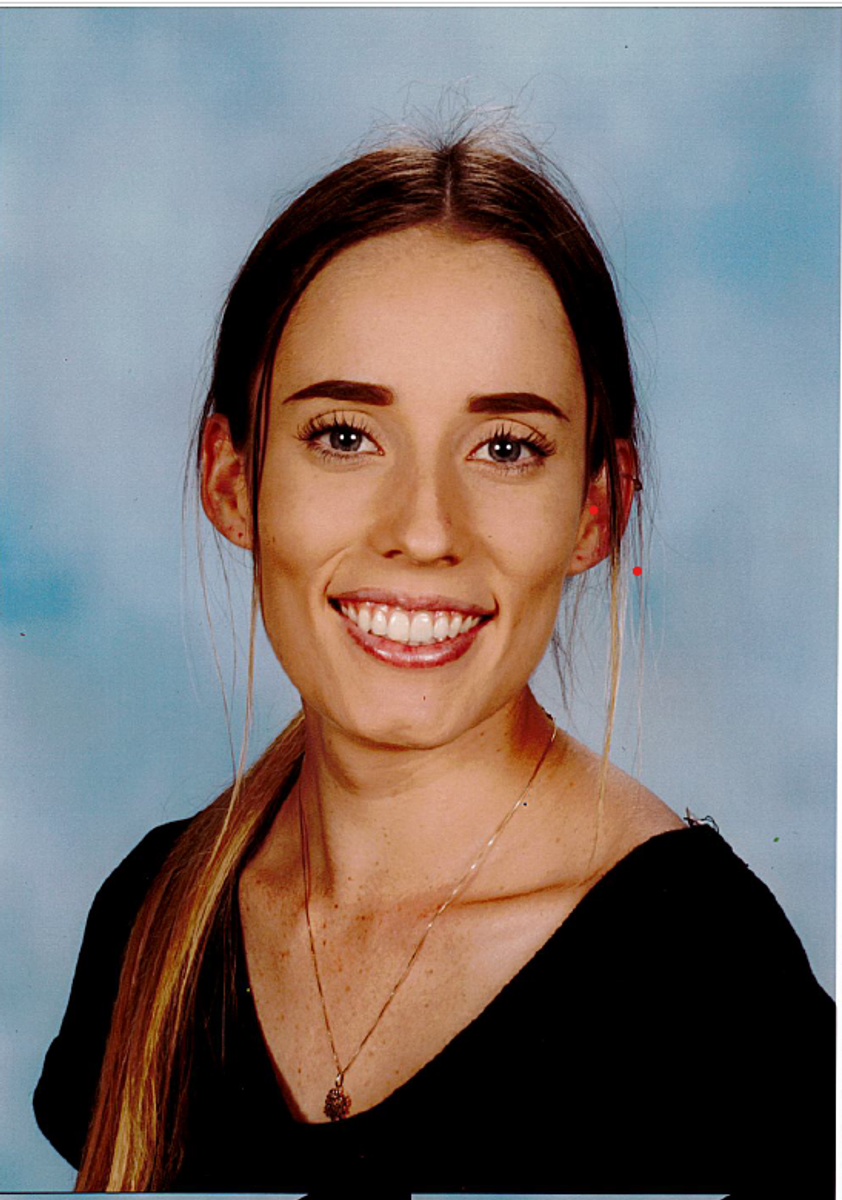

The Year 5 Team
Mr Angus Ross, Mrs Jenna Morecroft, Ms Brook Vincent and Mr Pete Stanbrook