
Science & STEAM

A Wild Day of Learning at Melbourne Zoo!
Earlier this term, our Year 7 students swapped their classrooms for the wild world of Melbourne Zoo — and what a day of adventure and discovery it was! From analysing animal skulls to getting up close with fascinating artefacts, students explored the incredible ways animals are classified and how they adapt to survive in their environments.
The day began with a warm welcome and introduction, followed by a hands-on Zoo Teacher workshop that had everyone thinking like real zoologists. The 40-minute session was packed with curiosity and excitement as students compared skulls, studied animal features, and debated which adaptations belonged to which species. Keeper talks throughout the day added a special behind-the-scenes touch, giving students a glimpse into the daily lives of some of the zoo’s most amazing residents.
It’s one thing to read about adaptations in a textbook — but quite another to hold a Snow Leopard’s skull in your hands! Students were captivated by the opportunity to see the structure of animals up close, making the concepts of classification and adaptation come alive right before their eyes.
Through engaging activities, students learned how scientists group animals based on shared characteristics and discovered just how diverse the animal kingdom really is. They were challenged to think critically: How does a penguin’s streamlined body help it glide through icy waters? Why does a giraffe’s long neck give it an advantage on the savannah? Each question sparked thoughtful discussion and plenty of “aha!” moments.
The learning didn’t stop at the zoo gates. In the lead-up to the excursion, students prepared by researching different animal groups and exploring how scientists use observable traits to classify living things. Back at school, they reflected on their experience and applied their knowledge to new projects about wildlife conservation and the impact of humans on ecosystems.
By the end of the excursion, students had developed a deeper appreciation for how animals survive and thrive — and how humans can play a role in protecting them. They explored food chains and food webs, discussed how species depend on each other, and considered how our choices can affect habitats around the world.
Most importantly, students walked away understanding that science isn’t just something that happens in a lab or classroom — it’s all around us, from the tiniest insect to the mightiest lion. The Melbourne Zoo experience helped bring biology to life, showing that by learning about animals, we can also learn how to care for our planet.
As one student summed it up perfectly: “It didn’t feel like school — it felt like an adventure!”
The Year 7 Classification and Adaptations excursion truly reminded us that learning can be wild, wonderful, and full of discovery.
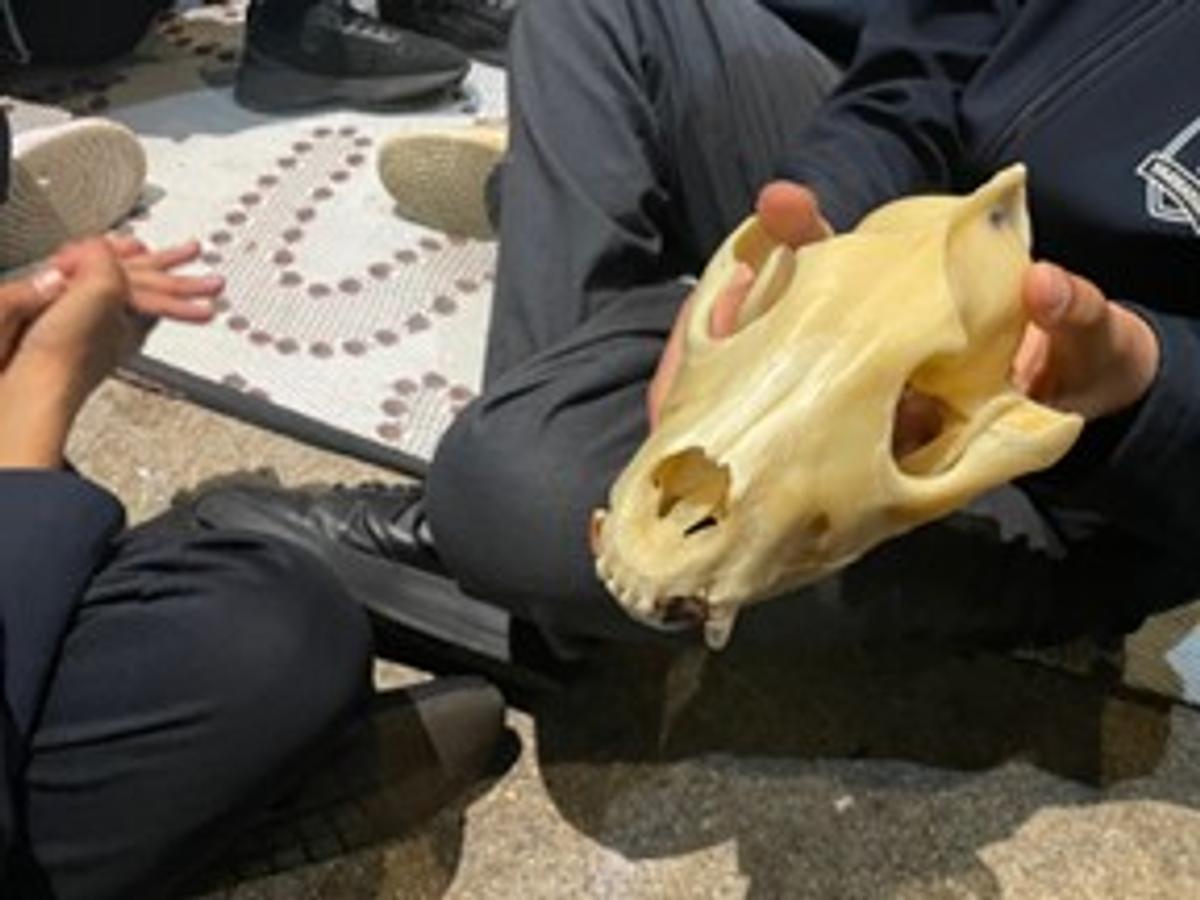
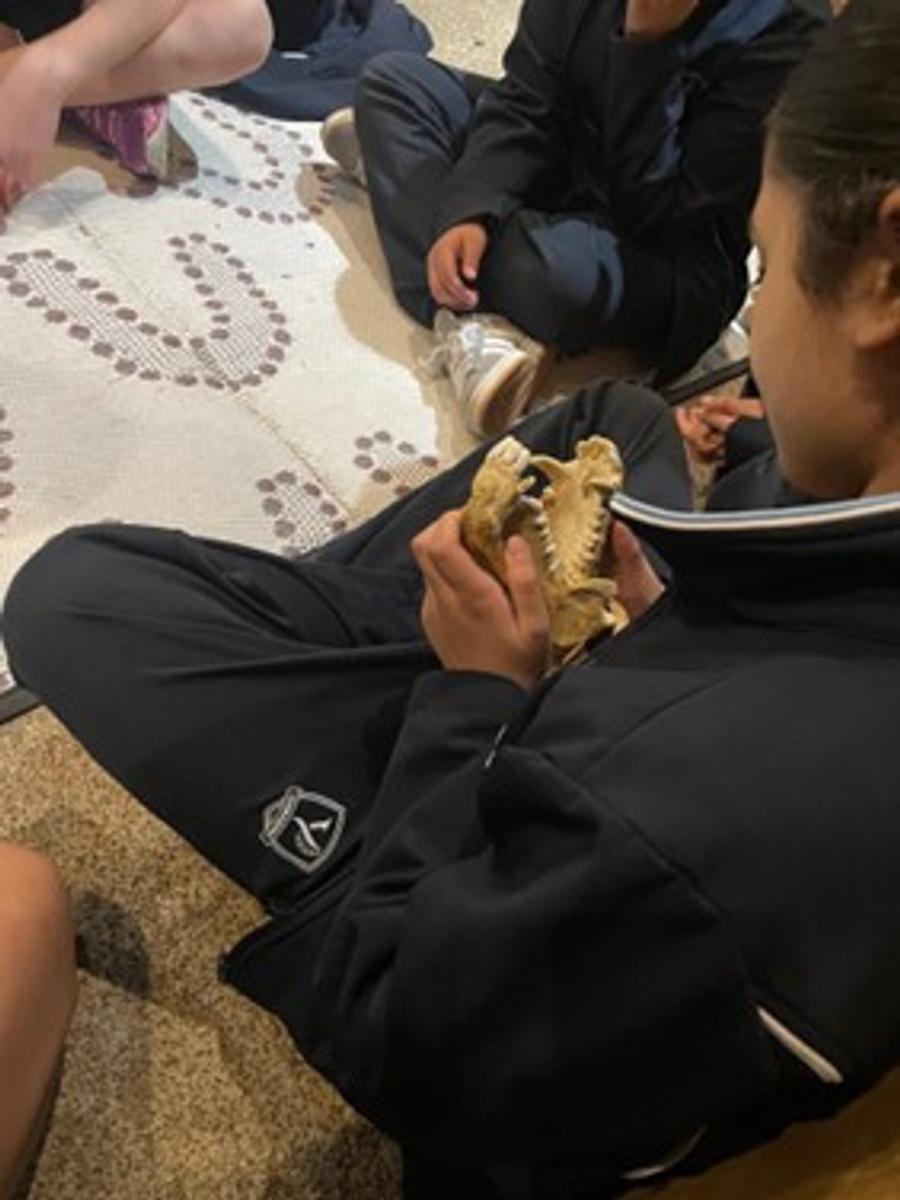
Students studying various skulls to observe the organisms structural adaptations.
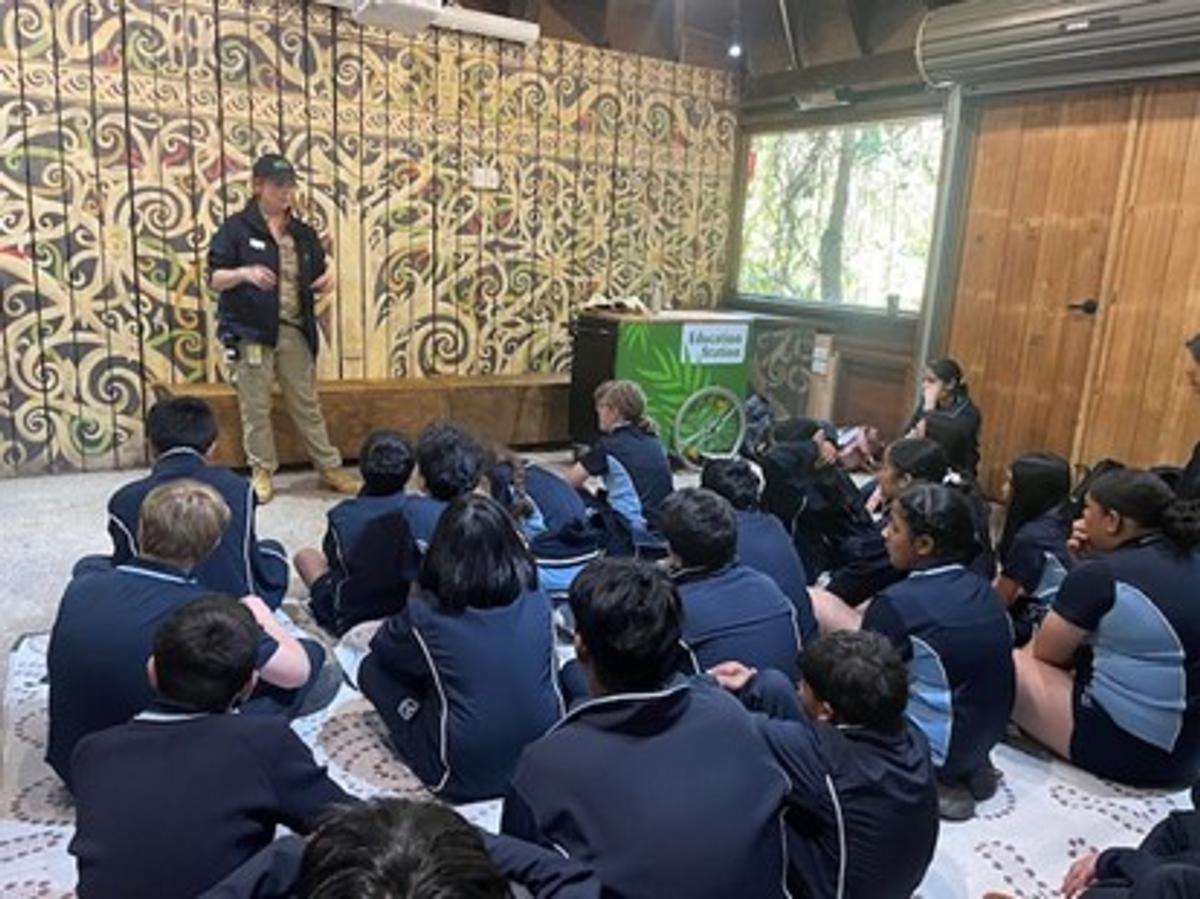
Students listening to the Zoo Teacher discuss structural, physiological and behavioural adaptations of some of the Zoo residents.
Students listening to the Zoo Teacher discuss structural, physiological and behavioural adaptations of some of the Zoo residents.