
Wellbeing

End Of Term 1:
Kenko Centre
A lot of people have asked me what is the meaning of Kenko-so I did a bit of research and some investigating and came up with the following:
What does Kenko mean?
Kenko is a Japanese word that means health, wellbeing, or living well.
In everyday language Kenko is about feeling good in your body, your mind, and your relationships. It’s the idea that being healthy isn’t just about not being sick — it’s about having balance, connection, and habits that help you thrive.
For children and young people
You might say:
“Kenko means taking care of yourself so you can learn, play, and grow.”
For families
You could frame it as:
“Kenko is about supporting your child’s whole wellbeing — helping them feel safe, confident, and ready to learn.”
The broader meaning
In Japanese culture, Kenko often includes:
· Healthy routines
· Emotional balance
· Strong relationships
· A sense of calm and purpose
· Connection to nature and community
It’s a holistic view — very aligned with wellbeing frameworks in schools.
Kenko Centre Update
Here in the Kenko Centre, we focus on the big picture of mental health and wellbeing. We know that every young person is unique, so our work is centred on understanding the whole child—their strengths, challenges, interests, and the environments they learn and grow in.
We take time to get to know each student as an individual. This might look like:
· supporting a young person to build confidence in social situations
· helping them develop strategies to manage worries or strong emotions
· creating a quiet space for a student who needs time to reset during the day
· working alongside teachers to adjust learning tasks so students feel capable and supported
A key part of our approach is partnering with families, because you play such an important role in your child’s wellbeing. We value your insights and work with you to create consistent support between home and school. This could involve:
· checking in together about how your child is going
· sharing simple strategies that work well at school so they can be used at home
· collaborating on plans that help your child feel safe, settled, and ready to learn
· celebrating progress—big or small—so your child feels encouraged and understood
At the Kenko Centre, our goal is to create a warm, supportive environment where students feel seen, heard, and empowered. By working together—students, families, and staff—we can help every young person thrive.
We look forward to working alongside you,
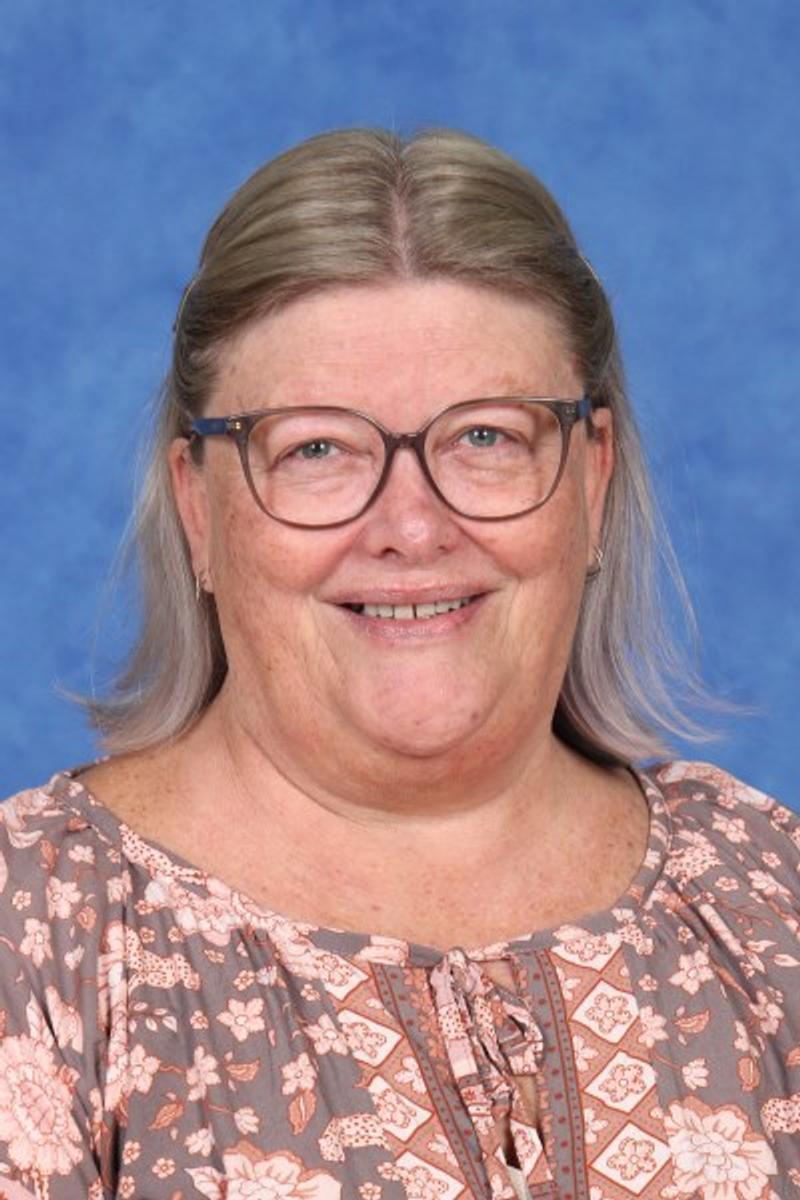
Debbie Walters
Director of Kenko Cantre
Cultural Diversity Week 21-29 March 2026
Victoria is home to people who speak 290 languages and have 314 different ancestries. Cultural Diversity Week is a time to celebrate our diverse multicultural communities. It’s about inclusiveness, respect and a sense of belonging for everyone.
Did you know?
· More than 7.5 million people have migrated to Australia over the past 70 years.
· More than half of Australian residents were born overseas or have a parent who was.
Cultural diversity is great as it helps us to do things in different ways and brings together traditions, religions, languages and of course, food! However, it can be challenging as well. This might range from being misunderstood by others or feeling unrepresented, to experiencing racial abuse.
While you might not experience these challenges personally, there are many ways you can support the people in your life who may face discrimination or racism.
· Stand up against discrimination:
These situations can be intimidating and it’s normal not to know how to react. Some key things to do are to remain calm, ask them why they have a particular point of view, offer an alternative perspective, show empathy, and if necessary, make notes on or record the incident and report it to the police.
· Open up the conversation:
Support in a less confrontational setting by having a 1:1 chat with your friend if you know they’ve been targeted. Let them know that you’re on their side and you think racism is wrong.
· More knowledge = being more empowered:
Broaden your cultural awareness. For example, read/watch/listen to other people’s stories. Know more about the history of your own country is also an important part of this learning experience.
· Don’t forget to take care of yourself:
Be proud of your role as an ally. However, being a passionate supporter can take its toll. Remember that in order to help others feel good, you also need to feel good yourself. If you need to, you can always reach out for support.
#CulturalDiversityWeek #CDW2026 #CultureConnectsUsAll
The above information has been sourced from ReachOut.com and is available at https://au.reachout.com/articles/standing-up-to-racism
Reduce the risk of measles
Share advice to help protect your school community against measles
Edition date
24/03/2026
School audience
Principals and assistant principals
School type
All schools
Measles cases are rising in Victoria and around the world. Returned travellers make up most cases, but local spread has also been detected.
Vaccination is the most safe and effective way to protect yourself and others against measles. People need 2 doses of a measles-containing vaccine to be fully protected.
To help protect your school community against measles, please:
- share this template text with parents and carers to remind them of the importance of keeping measles vaccinations up to date. This is important before school holidays, when families might be planning overseas travel
- remind staff to check their vaccination status. School staff born during or after 1966 should check their protection against measles. To do this, staff can check their immunisation history statement from the Australian Immunisation Register speak to their GP or immunisation provider.
About measles
Measles is a viral infection. It spreads easily from airborne droplets, such as from coughing or sneezing, and nose and throat secretions.
Measles can cause serious illness and be life-threatening. People who are not fully immunised or have not had a previous measles infection are at increased risk. Pregnant women, children aged under 5 years and those with weakened immune systems are at increased risk of severe illness and complications.
Notification requirements
Prompt action helps prevent the spread of measles.
Victorian government schools must follow the Infectious Diseases policy.
If your school is made aware of a possible student or staff case of measles, you must contact:
- your Local Public Health Unit as soon as possible for advice
- the Incident Support and Operations Centre on 1800 126 126, to report the notification.
If there is a confirmed measles case linked to your school, the Local Public Health Unit will contact your school with guidance.
Please note:
- primary schools must follow exclusion requirements for children. These are set out in the Public Health and Wellbeing Regulations 2019 and the School exclusion table
- secondary schools are not bound by the legislative exclusion requirements that apply to primary schools. They may need to follow the directions of the Chief Health Officer or Local Public Health Unit.
Staff may be entitled to infectious disease leave as per the Infectious Diseases Leave – Teaching Service policy.
All students and staff who develop measles symptoms should stay home and seek medical care and testing.
Policy, guidance and resources
Our Policy and Advisory Library includes all related policy information, guidance and resources under the relevant menu tabs:
- Infectious Diseases
- Infectious Diseases Leave – Teaching Service
- Immunisation
- Managing and Reporting School Incidents (Including Emergencies).
Find out more
For more information, refer to:
- the Department of Health for translated resources about measles and measles immunisations.
- Local Public Health Units for information about your school’s local unit and vaccination campaigns.
For further enquiries, contact the Wellbeing, Health and Engagement Division by email: health.advice@education.vic.gov.au

Penny Hsiao
Health Promotion Nurse