Science
Science has had a strong start to the year, with all year groups settling confidently into their new topics. This year, we are introducing the updated Science curriculum from the School Curriculum and Standards Authority (SCSA), which brings some changes to the concepts taught compared to last year.
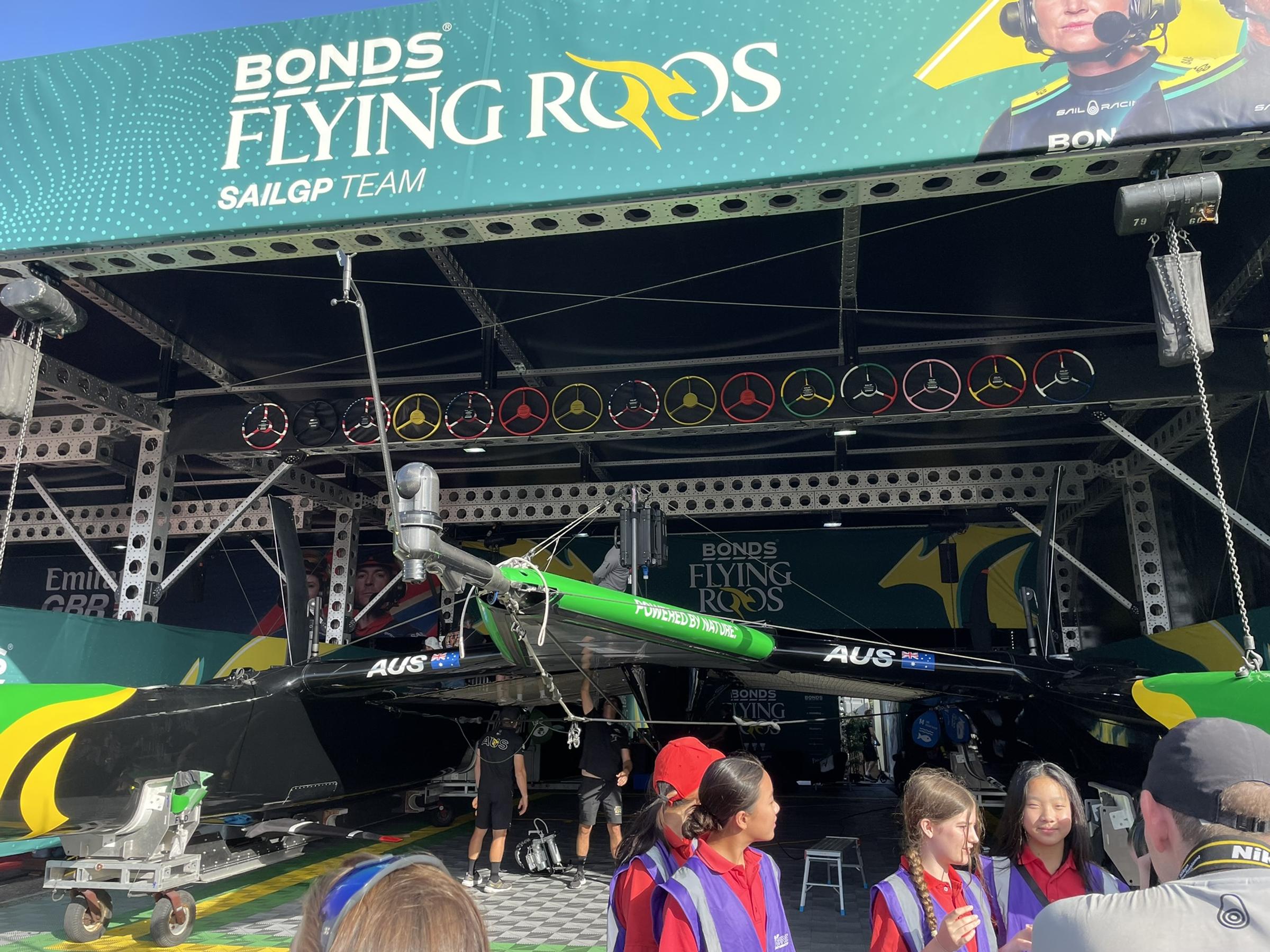
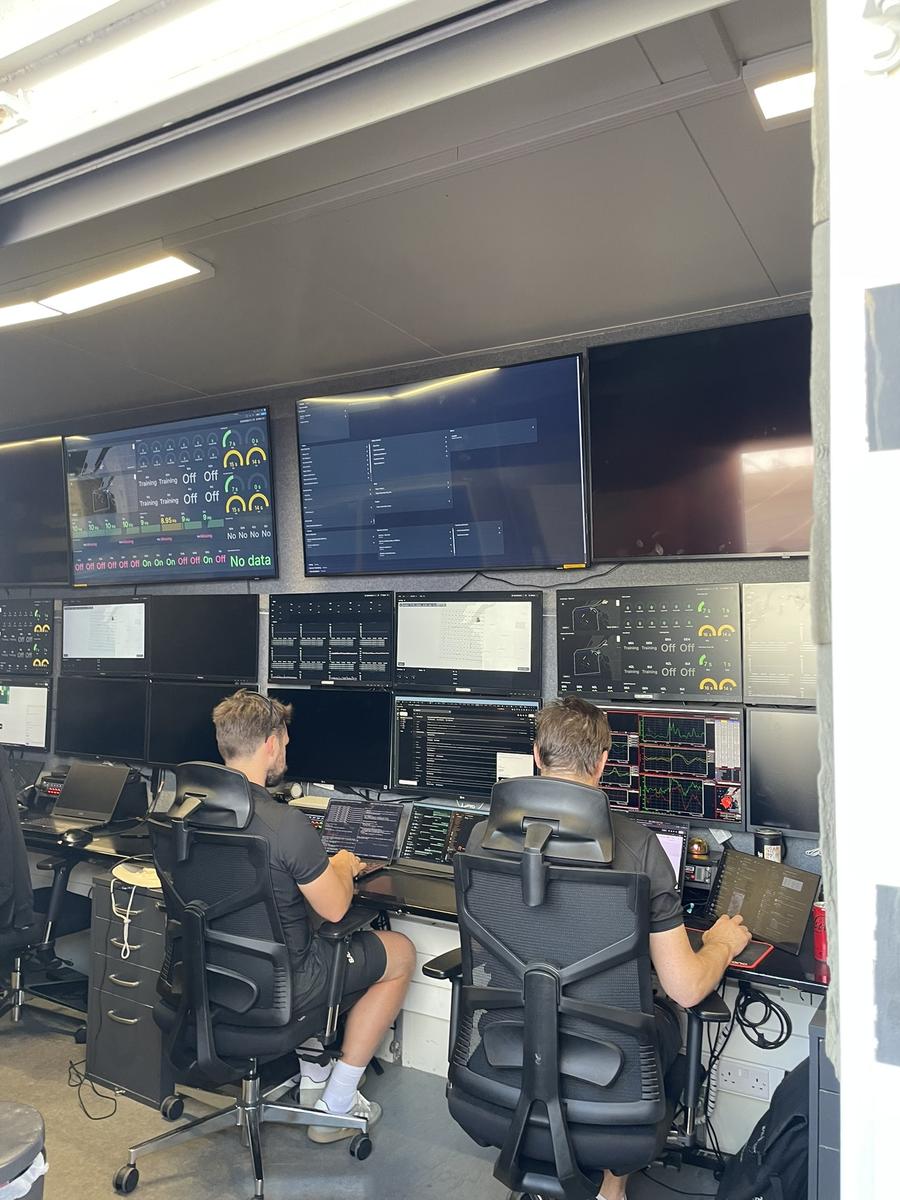
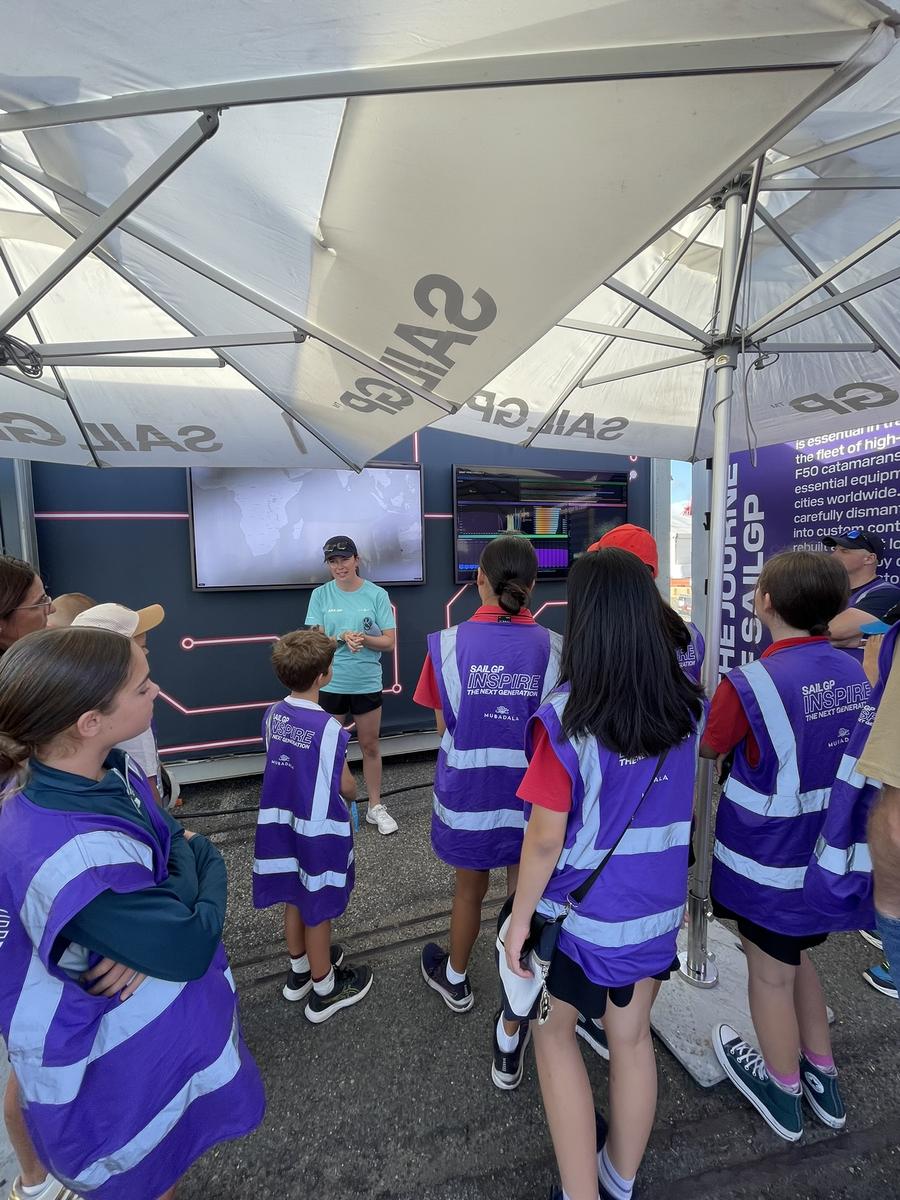
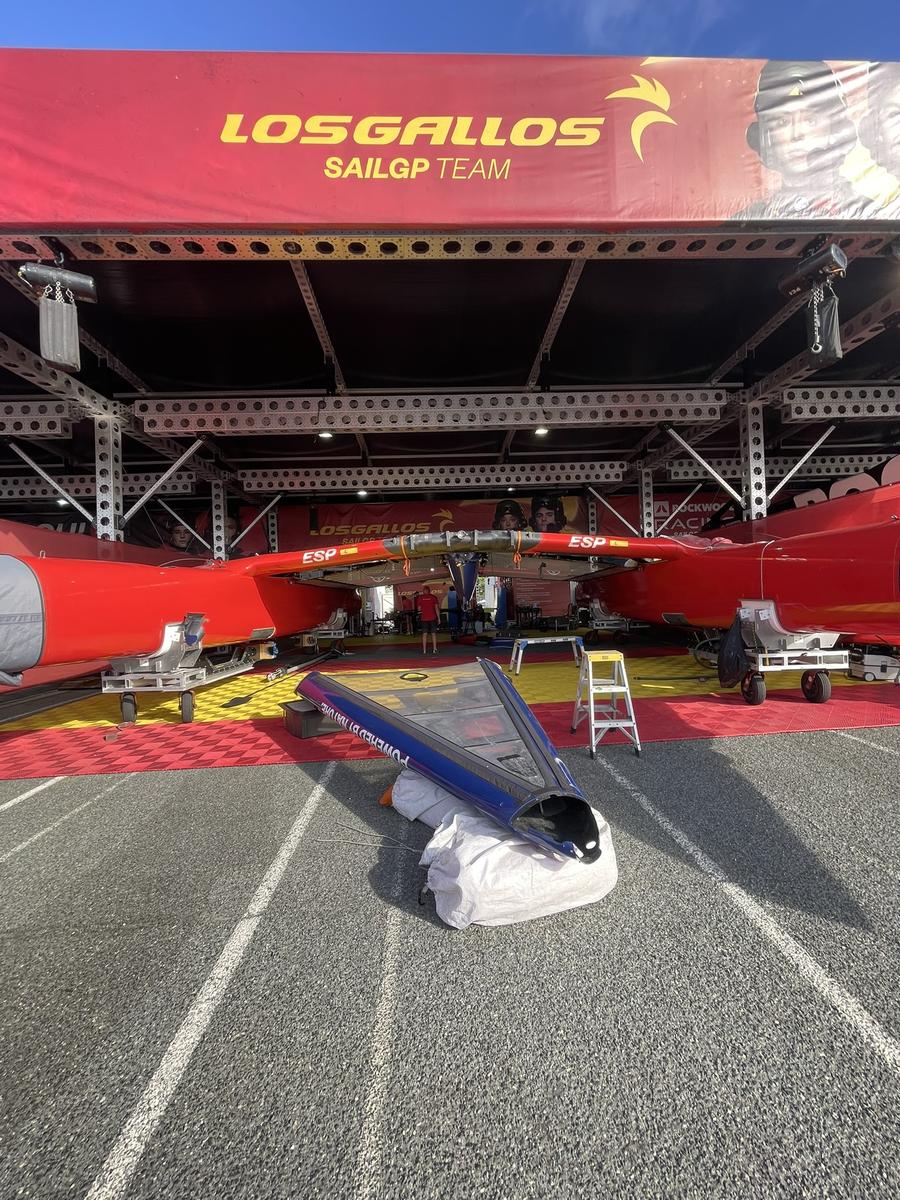
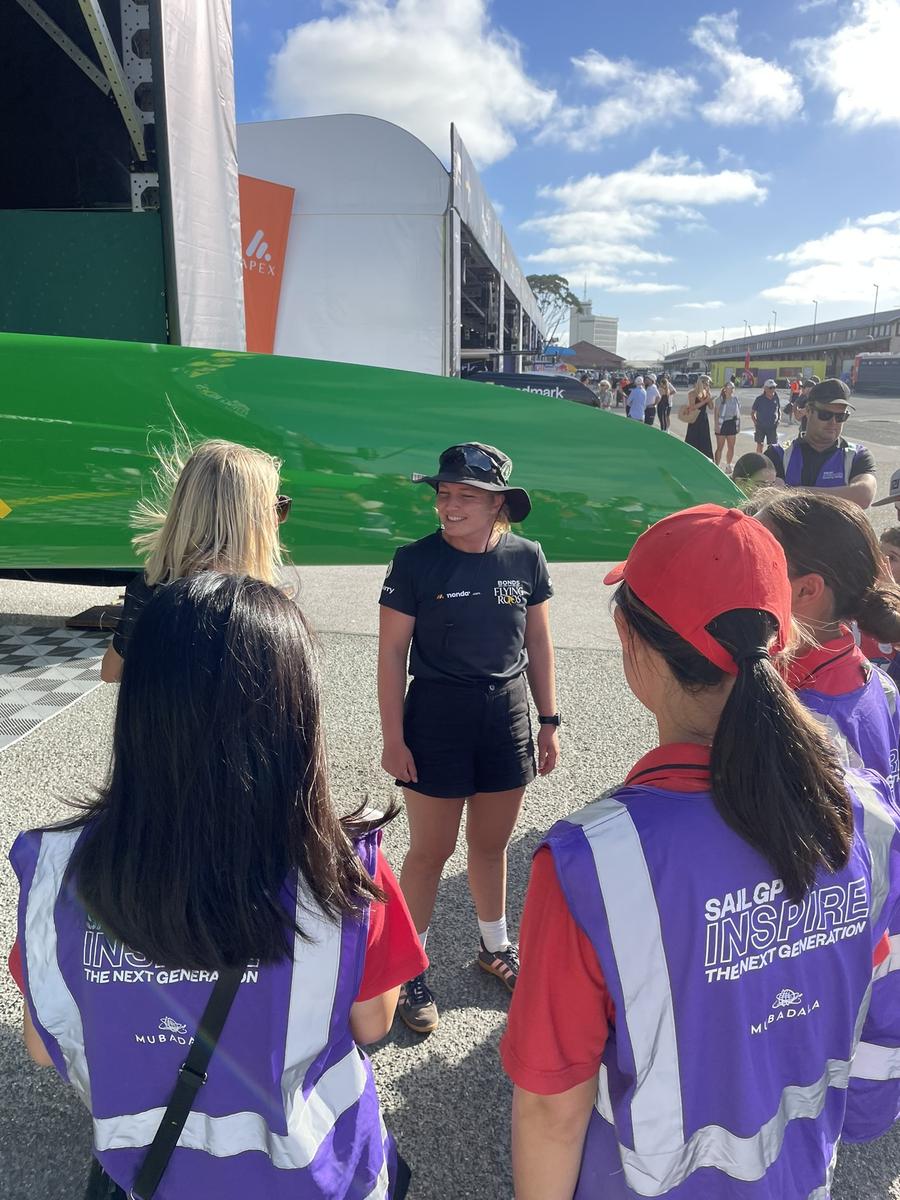
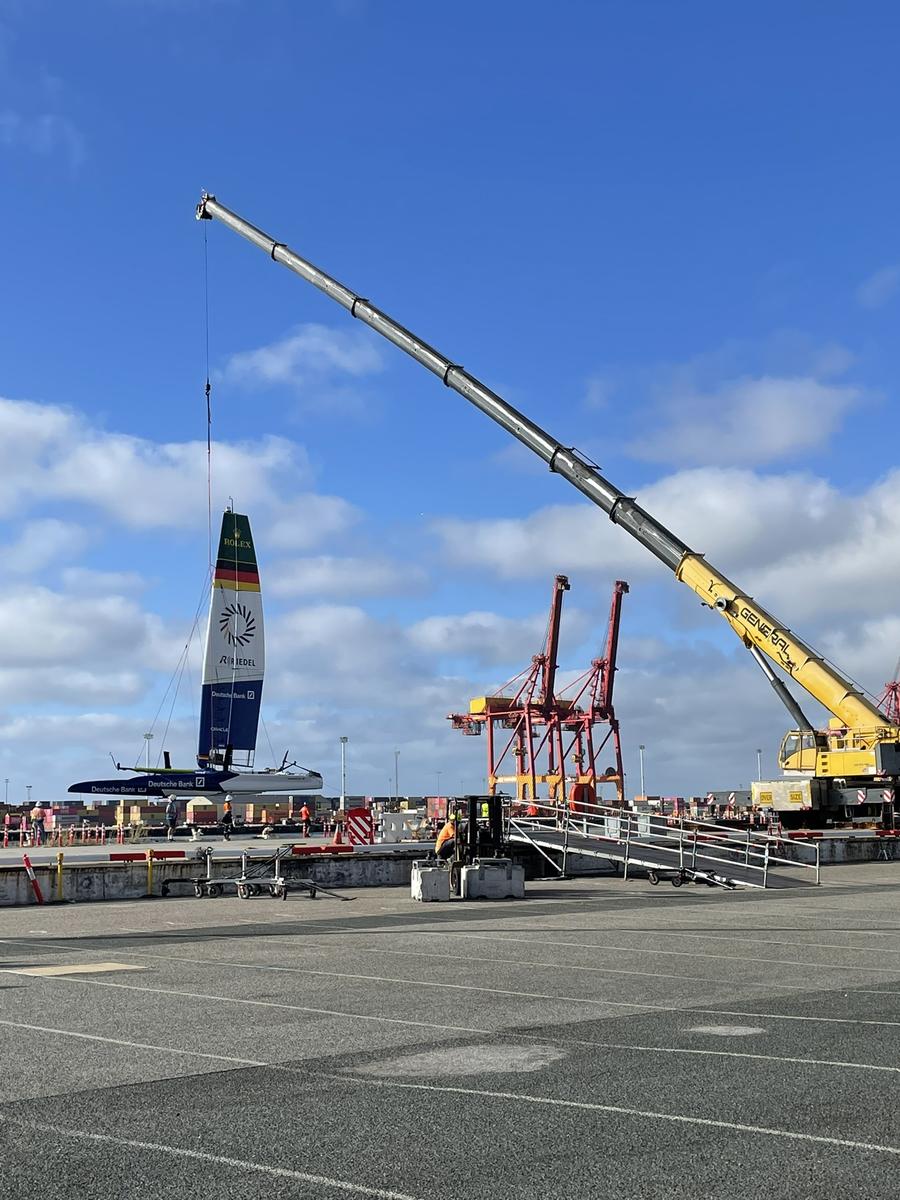
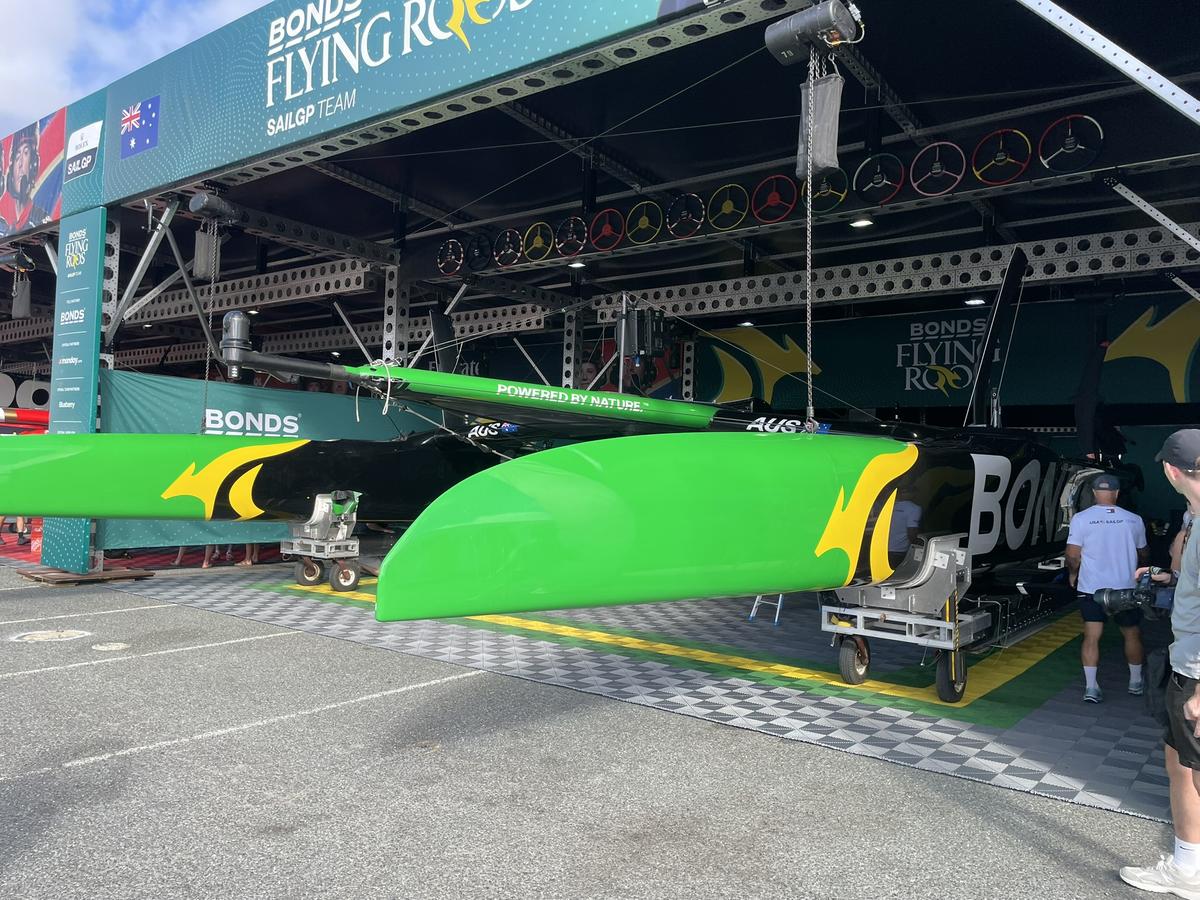
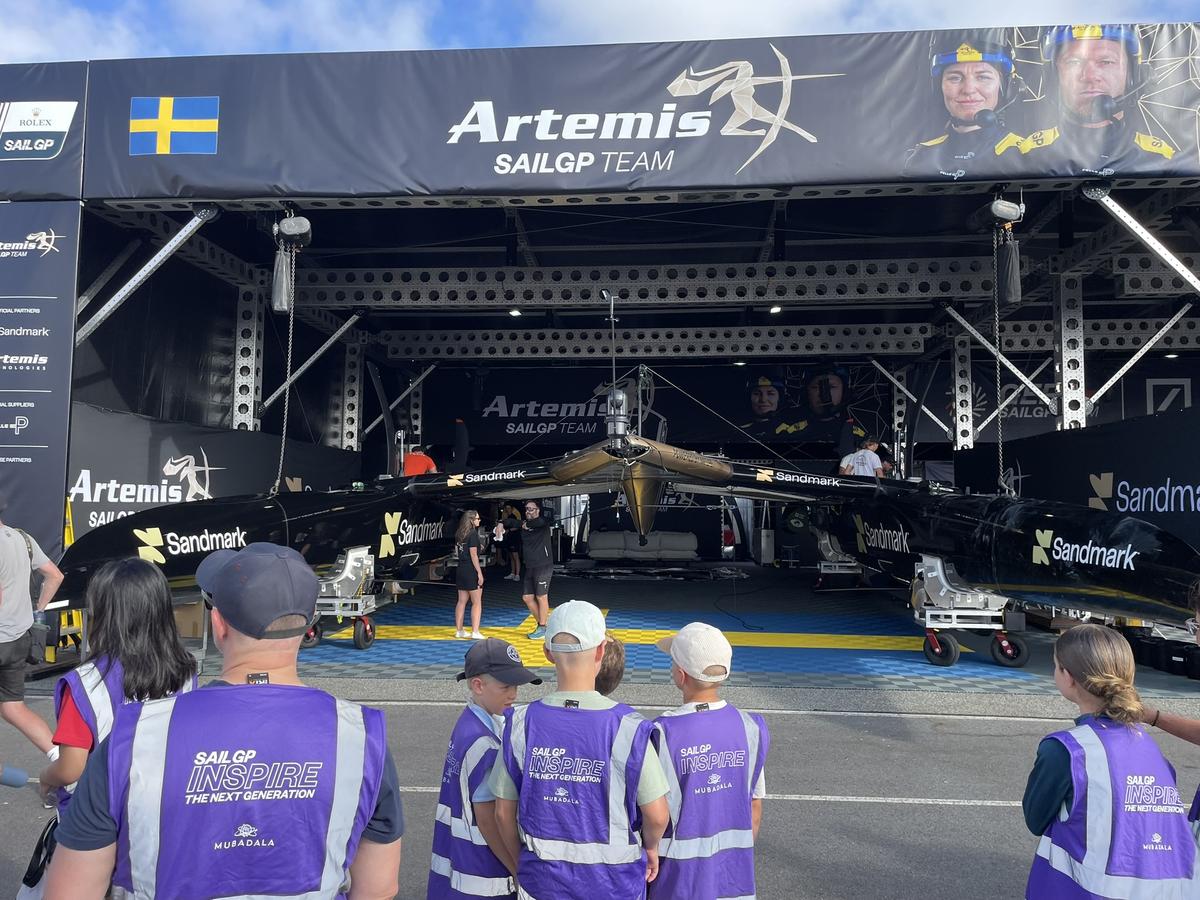
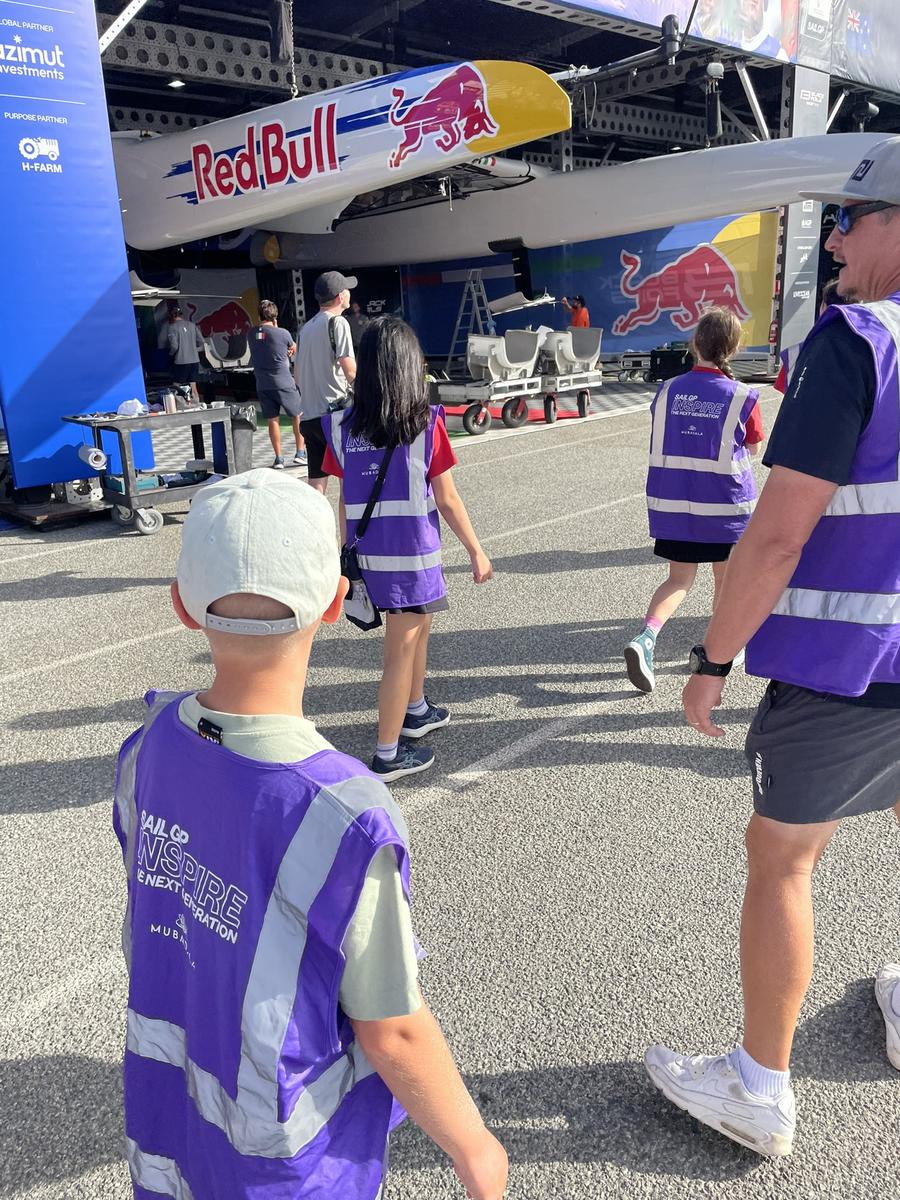
Over the holiday break, Fremantle came alive as SailGP took over the harbour, and our Year 7 Extension students had a front‑row seat to the action! Thanks to their involvement in last year’s SailLab program, developed in close partnership with Sailing Australia, they were given an incredible behind‑the‑scenes tour. Students watched the world‑class boats being hoisted, repaired and polished as crews prepared between practice and race days.
It was wonderful to see so many students give up part of their holiday to witness science in action, experience the excitement of elite sailing, and even enjoy a quick Q&A with Australian SailGP athlete Tash Bryant.
What's on in Science Extension?
The Year 7 Extension classes have kicked off the SailLab program, beginning with the unit “Finding the Breeze.” Students are learning about wind and how weather is forecast, and they’ll soon put this knowledge into action by building their own anemometers. From there, they’ll explore the importance of hull design, working through an iterative design process to test and refine their ideas just like real engineers.
Our Year 8 Extension students have begun their exciting journey in the LaunchBox Aerospace Program, where they are collaboratively designing, building and preparing to launch their own functioning CubeSat. Working in teams, students have established their own “space companies,” taking on specialised crew roles while investigating how satellites influence everyday life, including communication, navigation, and environmental monitoring.
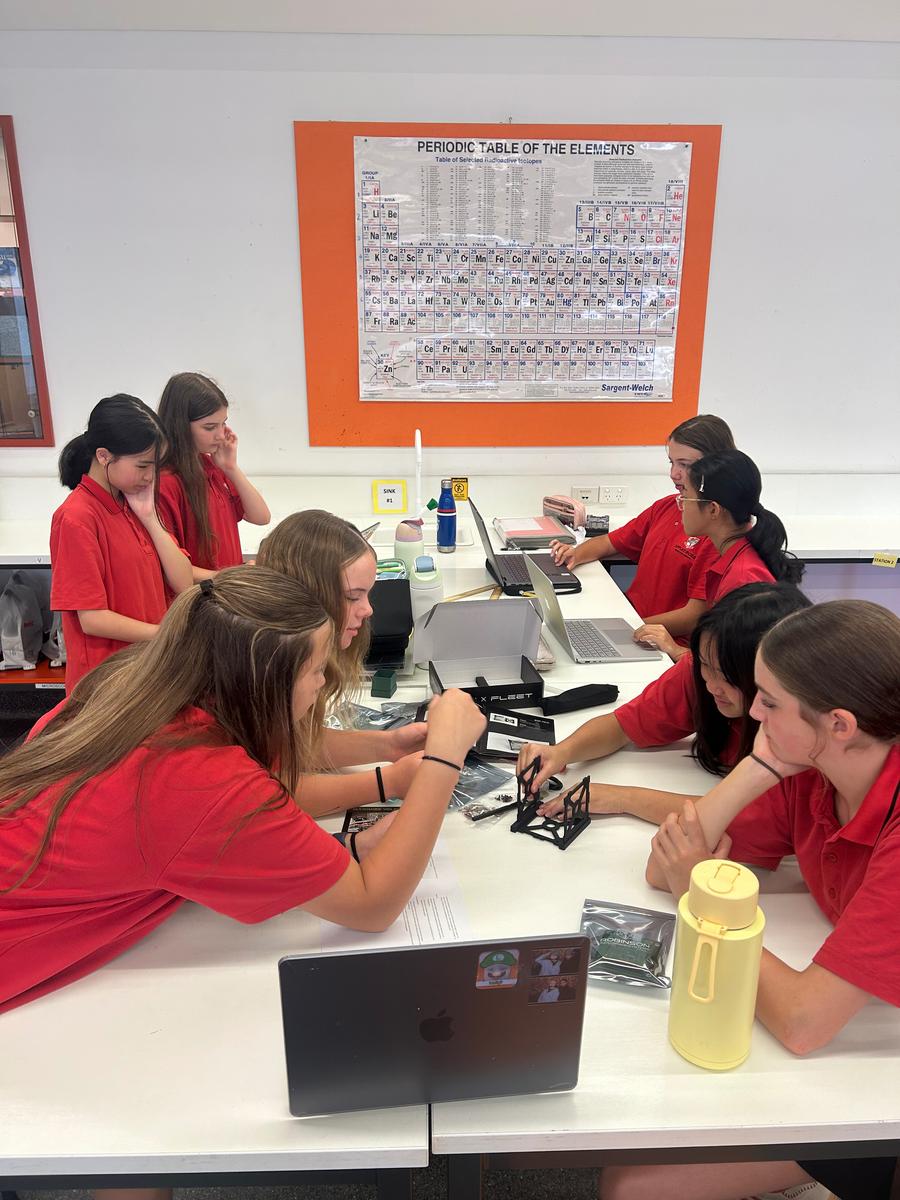
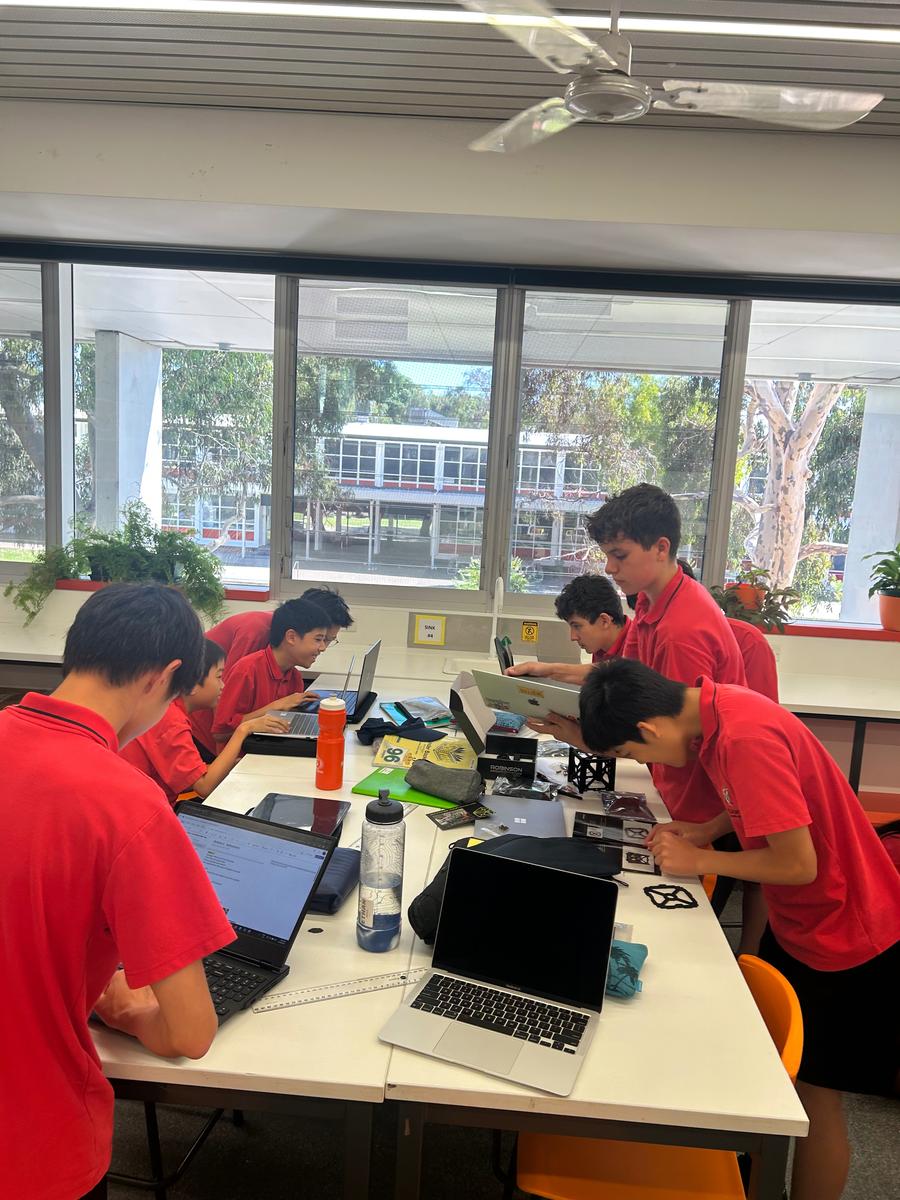
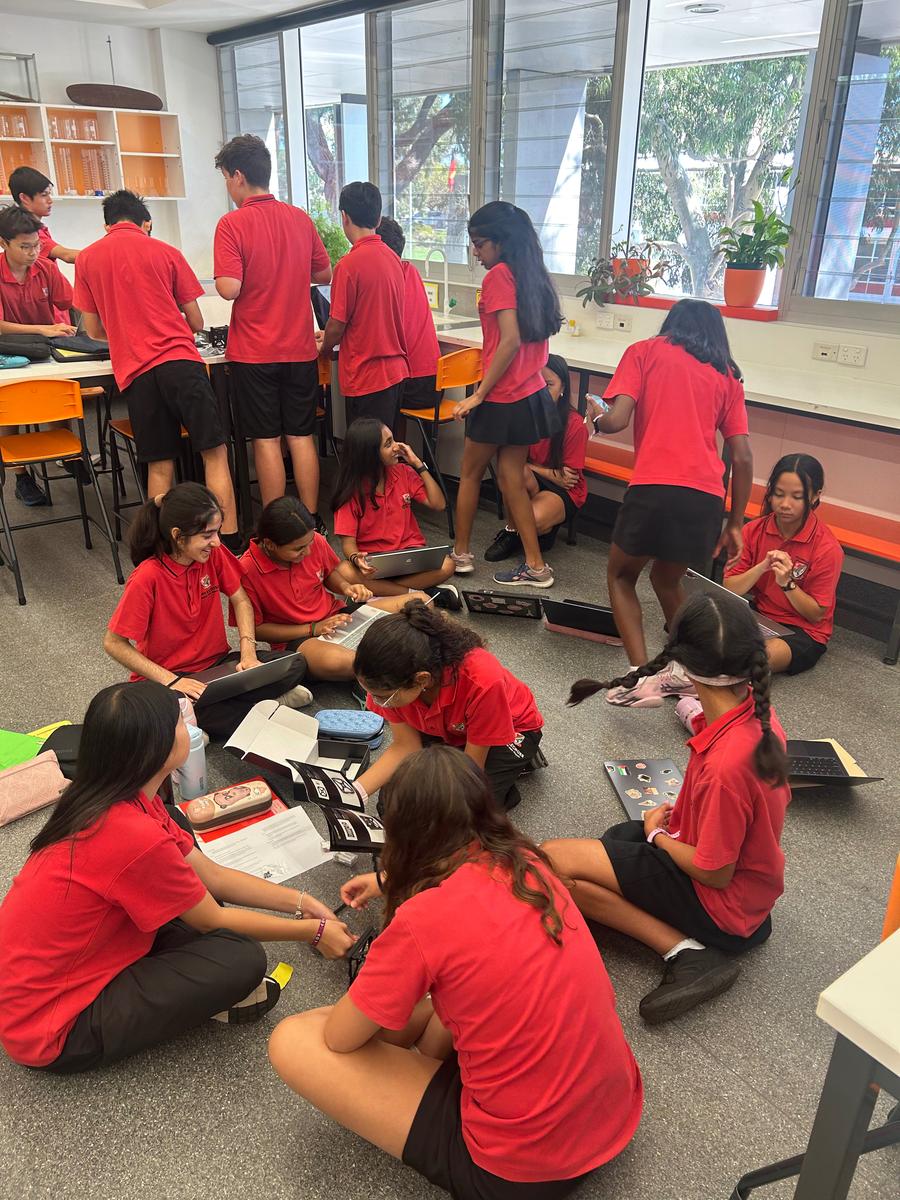
As part of the engineering process, students are interpreting schematics and safety protocols to assemble their satellite kits, conducting diagnostic testing, and preparing a launch sequence. Alongside the technical build, they are also developing branding and communication strategies, which will form the foundation of their final mission pitch at the conclusion of the unit.
Our Year 9 Extension students have been exploring a creative intersection of science and the arts by transforming a scientific dataset of their choice into a short sound or music piece. They’ve been experimenting with how changes in data, such as patterns, trends or fluctuations can be expressed through rhythm, pitch and melody.
This week, they will present their finished pieces to their classmates, sharing not only their scientific insights but also the unique ways they’ve turned data into sound.
The Year 10 students have reached the halfway point of Chemistry and have learned all about different methods of bonding and precipitation reactions. Students have had a chance to form their own precipitates by mixing two ionic substances and monitoring their results. The extension students will begin their projects into Biomimicry in the near future.
Our Year 10 Psychology students have commenced making their personality masks and are taking up the challenging introspective task with gusto. Keep an eye on this space for pictures of the final masks!
The Science Upper School Space
Year 11 Biology Update
Our Year 11 Biologists have been learning about Biodiversity and classification. They have had their first lot of assessments and will have the opportunity to spend World Biology Day at the Perth Zoo in the coming weeks.
Year 11 Psychology Update
Our Year 11 students have been exploring the structure and function of the nervous system and the brain. They have learned about the organisation of the central and peripheral nervous systems, including the roles of the somatic and autonomic divisions, and the functions of the sympathetic and parasympathetic responses.
Students have examined the structure of neurons and how information is transmitted through the nervous system via electrochemical processes, synapses and neurotransmitters. They have also investigated key brain structures and their functions, including the hindbrain, midbrain and forebrain, as well as the cerebral cortex, hemispheres, lobes and areas responsible for specific functions.
To support their understanding, students explored the classic case study of Phineas Gage, the split-brain research of Roger Sperry as well as the controversial lobotomies conducted by Walter Freeman.
Year 12 Psychology Update
Our Year 12 students have been exploring the engaging topics of sensation, perception and memory. They have investigated how we detect and interpret information from the environment, before examining how memory functions.
Students have studied the multi-store model of memory developed by Atkinson and Shiffrin and the Working Memory Model by Baddeley and Hitch, while also learning about the different types of memory. To support their understanding of the brain’s role in memory formation, they explored the well-known case study of Henry Molaison.
Year 12 Human Biology
Students have hit the ground running this term, recapping their Science Inquiry Skills and studying the nervous system. In the coming weeks, students will learn the endocrine system, and then put it all together to understand how our bodies can regulate themselves through homeostasis. Students are already able to explain how their bodies are able to quickly adapt to getting into their hot cars at the end of the day!
Year 12 General Human Biology
Students have started to explore cells, mitosis and meiosis, and are now learning about the male and female reproductive systems and gametogenesis. This will then lead into the formation and development of babies. The next assessment for this subject is at the end of term, with much of the current content being highlighted as being in the EST next term.
Year 12 Chemistry
Students have successfully completed their first unit on equilibrium and reaction rates, two challenging yet foundational concepts in ATAR Chemistry. A key component of this topic includes the work of French scientist Henri Le Chatelier, whose principle helps explain how chemical systems respond to changes in conditions.
Throughout the unit, students have demonstrated strong engagement and perseverance. They have completed three practical laboratory activities and two Lucarelli problem sets, building both their experimental skills and theoretical understanding. The first formal assessment task (Task 1), a laboratory validation, has also been completed.
Due to the interschool swimming carnival, the Task 2 assessment, the theory test covering reaction rates and equilibrium, has been rescheduled to Week 7.
We are now progressing into our next area of study, reviewing and consolidating our understanding of acids and bases as we continue to build depth in chemical concepts.
Lauren Pascoe, Science Teacher - 2IC