
Science
An understanding of and competence in science is demanded by an increasingly technological society. From a Christian perspective, science enables us to develop appreciation and understanding of the created world. Science also helps us to understand and live in the invented world of technology. Decisions about stewardship in health, technology and ethical issues need to be made on an informed and critical basis. A study of Science enables students to develop concepts, skills and attitudes to explore these issues appreciate the detail and complexity of creation, and the love and providence of the Creator;
• Reflect God’s love in personal lifestyle and behaviour
• Investigate and appreciate the inter-dependence of all things
• Establish a predisposition in caring and protecting the natural world
• Consider the contributions and limitations of science and technology
• Consolidate fundamental inquiry, experimental and research skills.
Students are encouraged to make responsible decisions on various ethical issues relating to science and technology through considering and appreciating differing points of view held by Christians, and to form their own opinions without losing respect for others. The Christian growth of students can be assisted through helping them to have a reverence of God, a sense of wonder at creation, and a balanced view of man’s place in the universe. Developing an understanding of both the usefulness and limitations of scientific models assists students’ ability to describe our world.
Science in Years 7, 8 and 9 is taught as a separate subject which follows the curriculum standards as outlined in the Victorian Curriculum. Over Years 7 to 9, students develop their understanding of microscopic and atomic structures, how systems at a range of scales are shaped by flows of energy and matter and interactions due to forces and develop the ability to quantify changes and relative amounts.
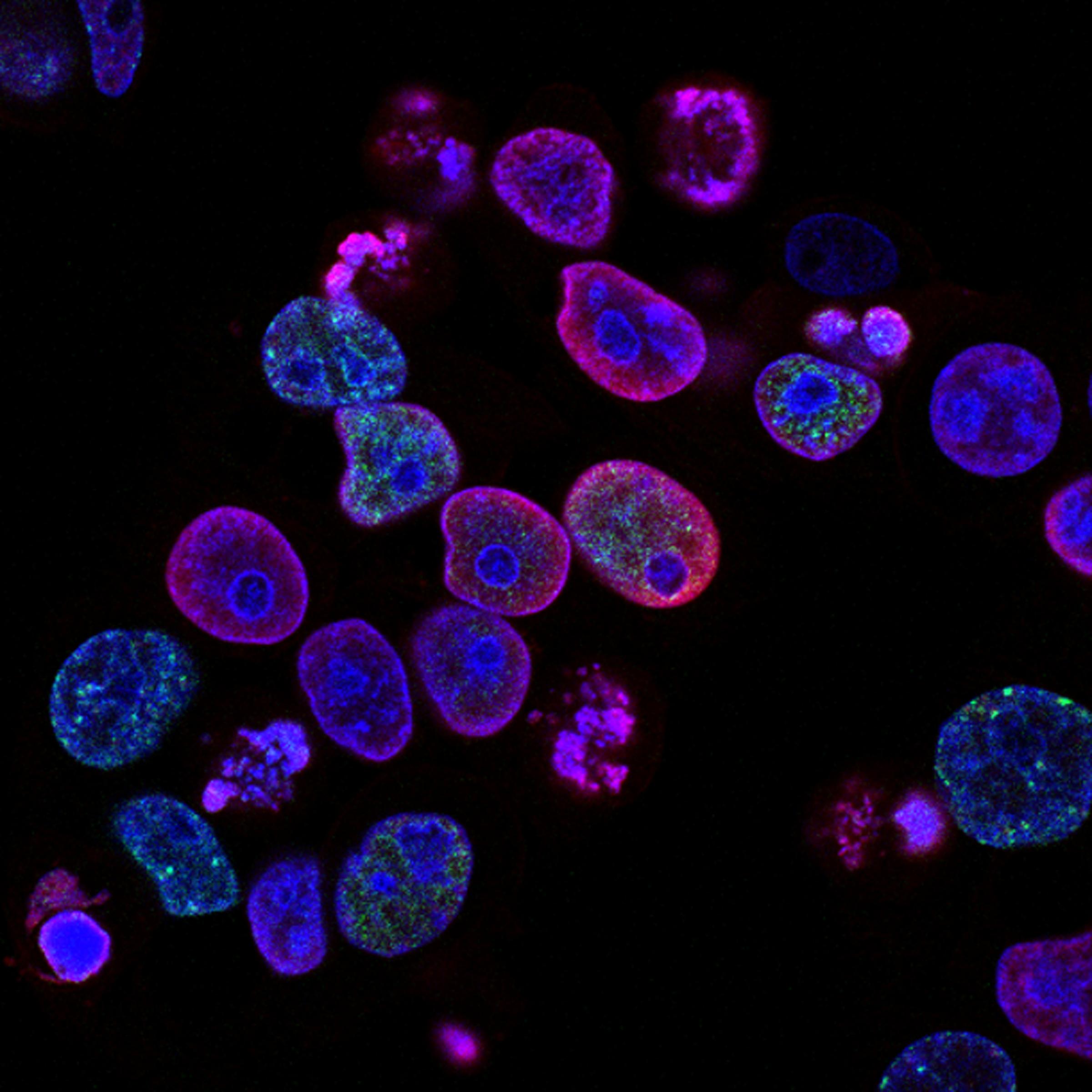
In Year 8, students are introduced to cells as microscopic structures that explain macroscopic properties of living systems. They link form and function at a cellular level and explore the organisation of body systems in terms of flows of matter between interdependent organs. Similarly, they explore changes in matter at a particle level, and distinguish between chemical and physical change.
Students use experimentation to isolate relationships between components in systems and explain these relationships through increasingly complex representations. They make predictions and propose explanations, drawing on evidence to support their views.