English News
End of Term 4:
English Department
The English department has been very busy and productive throughout the year. Preparing students with the necessary skills and knowledge they will need in order to make advances with their abilities and learning. Please enjoy the reviews from our classes.
Year 7 English: A Year filled with Creativity and Curiosity
What an incredible year it has been in Year 7 English. Students have certainly challenged their imaginations.
Poetry
We began the year by experimenting with poetry, discovering just how powerful language can be. Students crafted lines filled with amazing alliteration, snappy assonance, intense consonance, and bursts of onomatopoeia. We explored different forms of poetry and rap, and used figurative language like metaphors, similes, and personification to bring the poems to life!
His Name Was Walter
Next, we stepped into the mysterious, nested narrative of ‘His Name Was Walter’. This fantastical story followed four students who discover a curious old book - and the tragic, magical tale of a boy named Walter. With twists and hidden messages, students were fascinated to discover that the animals in the story were actually secret codes representing people in the town.
Each student selected a character and meaningfully connected with their chosen characters’ journeys.
Some standout insights of the novel were:
- Finn R noticed that “the beehive represents capitalism”, a system built on endless productivity and constant work.
- Mabel C pointed out that “the story is parallel between Sparrow and Tara,” with both characters inheriting magic passed down from their grandmothers.
- Sean L explained that Walter carries “a protective shell around his heart,” not literally, but as a symbol of how hard it is for him to open up after everything he has been through. He further interpreted that when “a sort of innocence had left” Walter, which reflected that “he had experienced a lot.”
- Peleg observed that Walter’s final confrontation with Lord Vane shows that “he has grown to be brave and not afraid to tell the truth, even if it is scary or uncomfortable.”
This novel offered so many lessons that stay with us – those of courage, identity, and the importance of telling stories. What a wonderful year.
Best of luck for Year Seven as you commence your Eight English studies. Don’t forget to read both Year Eight novels over the Summer holidays and have a restful time.
Year 7 Advanced English – Year in Review
The Year 7 Advanced English class has had a busy and productive year. Students began by creating their own newspaper reports based on well-known fairy tales, rewriting the stories as sensational news events. They looked at real news articles to learn how journalists use techniques such as alliteration in headlines, puns, and emotive language to capture a reader’s attention. This helped students understand how language can shape the way events are presented.
Another study area was the class novel, Trash, set in the rubbish dumps of the Philippines. Before reading, students completed background research to understand the ideas of power, corruption, and inequality. Throughout the unit, they discussed the lives of the characters and compared their experiences with what life is like in Australia. These discussions helped students think more deeply about fairness, wealth, and the impact corruption can have on a community.
Students investigated advertising and how companies persuade people to buy products. They studied how word choice, colour, images, and camera angles all work together to influence consumers, then used this knowledge to design their own products and advertisements. Finally, our film study of Back to the Future introduced the C.A.M.E.L.S.+D framework, which helped students analyse key scenes by looking at camera work, sound, lighting, and more. Their scene reports showed a clear understanding of how films create meaning and keep an audience engaged.
Year 8 English: A Year filled with Opportunities and Consolidation
Year 8 English – Year in Review
This year, our Year 8 English students embarked on a rich and varied journey through language, literature, and film. We began by exploring the evolution of the English language — from its early origins to the ever-changing slang of today. Students examined how language reflects culture, identity, and shifting social trends, gaining a stronger appreciation for the words they use every day.
Our first major text study took students deep into the dusty, desolate landscape of Holes, where they followed Stanley Yelnats to a run-down juvenile detention centre in search of a long-lost treasure. Throughout the unit, students grappled with the themes of destiny versus fate, considering how much of our lives are shaped by choice, luck, or something greater.
Students were also fortunate to trial a new Department of Education unit: a film study of Hunt for the Wilderpeople. This heart-warming and humorous New Zealand film invited students to explore how love, belonging, and family can grow from the most unlikely partnerships. The unit encouraged thoughtful discussion and analysis of how relationships shape who we become.
We concluded the year with our dystopian text, The Giver. Students designed their own dystopian societies before stepping into Jonas’ seemingly “perfect” world — a society that, as they soon discovered, was far from ideal. The novel prompted deep conversations about freedom, individuality, and what truly makes a community humane. Even now, students continue to debate the novel’s ambiguous final scene: Did Jonas find his happy ending?
It has been a year full of curiosity, creativity, and critical thinking in Year 8 English, and we are incredibly proud of what our students have achieved.
Year 8 Advanced English – Year in Review
This year the Year 8 Advanced English students have shown a continued commitment to their learning. They have worked with focus, curiosity, and maturity as they explored a range of rich and challenging English curriculum areas. As a class, they read and analysed a shared text, discussing the author’s ideas, characters, language choices, and the world of the story. Their thoughtful conversations and willingness to look more deeply into the text helped them develop stronger analytical skills.
Students completed an oral presentation task where they researched well-known mentor speeches delivered by influential people throughout history. They studied how great speakers use language, structure, and emotion to communicate their message. Using these examples as inspiration, students crafted and delivered their own speeches with confidence, clarity, and a strong sense of purpose.
In another unit of work, students were immersed in the “Choose Your Own Dystopian Adventure” reading task. Students selected their own dystopian novel and kept a reading journal that explored the themes, characters, and big ideas of the genre. They then wrote a text response essay, drawing on their notes, discussions, and independent thinking. They drew upon textual evidence to support their ideas and justify their opinions in class discussions. Throughout the semester, students were encouraged to share their ideas, consider different viewpoints, and challenge themselves academically. Their effort, teamwork, and positive attitude have been excellent, and they should feel proud of the progress they have made.
Year 9 English: A Year filled with Personal growth and Achievement
This year students in Year 9 created and developed their own short stories incorporating story structures and considering the audience who would be reading their work. Students came up with original and compelling ideas and explored themes tat were important to them.
They read the novel “Hatchet” by Gary Paulsen and completed a text response easy based on the novel where they analysed the story in relation to the "Hero's Journey”. The key ideas and themes were addressed in class discussions and enabled the students to explore their thinking and explain their ideas.
A unit of work titled “Growing up in Australia” focused on the genre of memoir and the classes read a collection of short stories looking at people’s lives and recollections of growing up in different family households and situations. Students then wrote their own personal memoir in response to the examples they had read over the previous weeks.
The historical fiction “Runner” - by Australian author Robert Newton transported students to the 1920’s in Richmond, Melbourne. Here they read about life of the working poor and how personal struggles and the choices people make can have serious consequences. Students reflected on the characters' background and contrasted his journey through the text.
Year 9 Advanced English – Year in Review
Students participated in a range of activities that built their knowledge and application of English skills in the different areas of the curriculum. They read the novels “Laurina” by Alice Pung and “To Kill a Mockingbird” by Harper Lee. They investigated the key themes and ideas in each text - prejudice, courage and empathy (Mockingbird) & power, identity, belonging (Laurinda). Students worked on completing detailed essay responses to focus questions, drawing upon their understanding of the text, the author's purpose and their use of language devices to express their thinking.
Year 10 English: A Year filled with Possibility and New Challenges
Students completed a creative writing CAT exploring short mentor stories where they reflected upon and engaged with the ideas from the text and created their own writing.
They read the book - “Catching Teller Crow” by A & E Kwaymullina. The book is an Australian novel written by indigenous authors that explores the themes of grief, loss, justice and healing. Students needed to really engage with the novel as the story slowly revealed itself and the underlying secrets that had been hidden away for many years.
Students had an introduction to Shakespear investigating the ideas and themes in “Romeo & Juliet”. Students needed to become familiar with the traditional writing styles of the 1590’s and understand the evolution of words and language. Fortunately, the book they were reading included a modern translation. Students worked on composing their own poetry and sonnets along with completing additional follow up and application tasks to demonstrate their understanding of the text.
Year 10 Advanced English – Year in Review
Students read 2 key texts this year - “Like a House on Fire” by Cate Kennedy and “Macbeth” by William Shakespear.
These books provided the overall stimulus for students to develop and refine their analytical reading and application skills to address focus questions based on the texts. The students ability to identify themes and motifs placed in the lines of the stories helped them to build understanding and further enhance their comprehension. They then composed detailed responses to focus questions and more detailed essay responses.
Summer Reading Suggestions
Over the summer break, it always seems to be the perfect time to catch up on some reading. It could be by the pool, at the beach, in a park, in the backyard or inside with air conditioning.
Members of the SOC English team has put together a few suggestions that you may like for your summer. Please, ensure you read the blurb yourself to see if these suggestions best suit you.
From Mr Myors -
I am thinking my "Summer Read Recommendation" this year is "Tomorrow and tomorrow and tomorrow" by Gabrielle Zevin. This is a book about friendship, hope, ambition, love, grief and the possibility of “what if?” A great page turner that I really enjoyed.
A close second is a new book I picked up recently called "Remarkably Bright Creatures" by American author Shelby Van Pelt. The story is about Tova, a widow who works at an aquarium at night. After the death of her husband, she forms a friendship with a giant pacific octopus. But this octopus (named Marcellus) is no ordinary octopus. Sounds interesting - and it has a great cover.
From Ms Pelitidis -
“Between the Ceiling and the Sky” is a poignant exploration of the effects of time and place on the human heart; of the struggle to make a new life in a new land while memories of a homeland pull at one's very being. Diana longs to uncover the truth of her past; her only clues a few greying photographs, the colours long faded, and the memory of the dreaming she knew in the house of her childhood. Author Eugenia Tsoulis.
From Mr Morlin -
For 'Summer Reading', I'd put “Scoop” by Evelyn Waugh. It's a satirical novel commenting on sensationalist journalism. The protagonist is mistaken for a fashionable novelist of the same name and is sent to a fictional state in East Africa to report on a crisis. Despite a series of unfortunate events and his total ineptitude, the protagonist accidently gets the journalistic 'scoop' of the century.
From Ms Levin -
“Go, Went, Gone” by Jenny Erpenbeck, follows a recently retired professor in Berlin, Richard, whose quiet life shifts when he encounters a group of African refugees demanding recognition and safety. What starts as a mild academic interest soon becomes a personal reckoning, as Richard grows to understand their individual stories and the wider political forces shaping their lives. Through his evolving connection with the men, the novel examines compassion, identity, and the gap between policy and humanity.
From Ms Hoernel -
The first book I am planning to read is “Station Eleven” by Emily St John Mandel. This is a work of speculative fiction that has a focus on the survival of human culture after an apocalypse. A group of surviving artists and musicians become nomads after a global pandemic has wiped out 99% of the population. This book has been highly recommended to me and I'm looking forward to setting up my Cool Cabana on the beach and getting stuck into it!
From Ms Chen -
I recommend Lian Hearn's "Tales of the Otori" trilogy:
1. Across the Nightingale Floor2. Grass for His Pillow3. Brilliance of the Moon
The story is set in feudal Japan. The genre is historical fantasy. The books follow a young warrior named Takeo in his struggles to avenge his adoptive father, escape the legacy of his biological father, and pursue the love of his life in the midst of an enormous power struggle involving dozens of clan lords and thousands of warriors.
From Mr Cochrane -
Over the summer holidays, I will be reading The Power of Choice by AFL icon, Neale Daniher. I have chosen this book as his story living with MND is inspirational, and a powerful reminder of how much influence our mindset has on the challenges we face. I am hoping to takeaway some insights from Daniher’s reflections on his experiences in sport, leadership and family life. I’m looking forward to starting 2026 with his message in mind - while we can’t control everything, we can always choose how we respond.
From Ms Tatman -
One book that I’ve just started is R.F. Kuang’s ‘Katabasis”. I’m a big fan of her previous work, so when Katabasis came out, I immediately grabbed a copy. The title refers to a hero’s descent to the underworld, and the story follows Alice and Peter, two Cambridge students who journey to Hell to rescue their dead professor. I’m looking forward to reading this during the holidays, curled up on the couch indoors and avoiding the hot summer weather!
From Ms Teazis -
Over the holidays, I will being re-reading "The Female Detective," written by Andrew Forrester (his Pen name). His actual name being James Redding Ware (1852-1902). The novel's about Britain's first female detective. An exceptional detective and woman that's in a class of her own.
From Ms Walters -
My holiday reading will be: "Dhoombak Goobgoowana: A History of Indigenous Australia and the University of Melbourne: Volume 1: Truth" Edited by Ross L Jones, James Waghorne and Marcia Langton. Dhoombak Goobgoowana acknowledges and publicly addresses the long, complex and troubled relationship between the Indigenous people of Australia and the University of Melbourne. It is a book about race and how it has been constructed by academics in the University. It is also about power and how academics have wielded it and justified its use against Indigenous populations and about knowledge, especially the Indigenous knowledge that silently contributed to many early research projects and collections endeavours. I will be reading this by the pool at my little place in Tegal Cangkring in Bali.
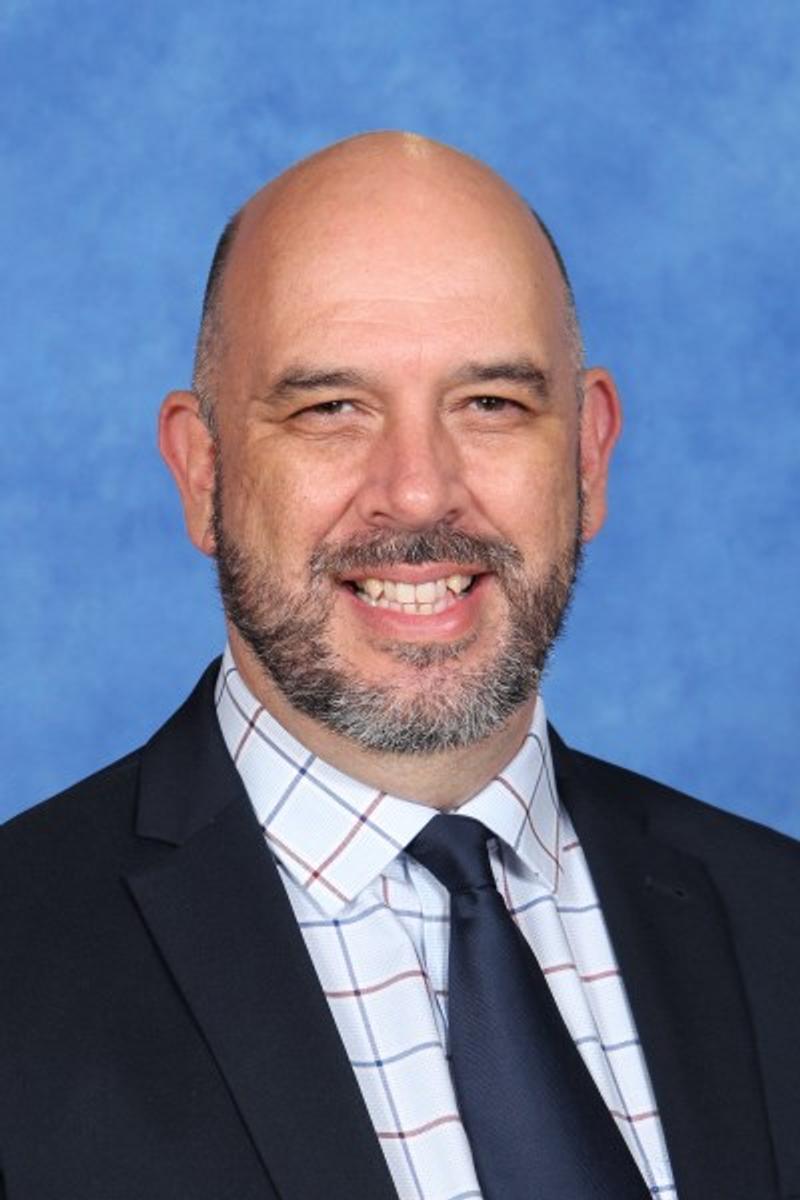
Adam Myors
Director of English
Victorian High Ability Program – Term 4
This term, Rafael Andrade, Kintan Chakraborty, Adele Evans, Abhya Gupta, Anusha Kesarwani, James Sanders, Zac Schuant, Reuben Singh and Michael Volpertwere selected to participate in the Victorian High Ability Program (VHAP) in either Mathematics or English. This Department of Education initiative provides enrichment opportunities for high-achieving students, allowing them to explore advanced content beyond the standard classroom curriculum.
In English, students engaged in high-level discussions about texts, explored authorial intent, and refined both their analytical and creative writing. The program focused on expanding students’ thinking, encouraging deeper interpretations and sophisticated responses to literature.
The VHAP program ran for nine weeks and was delivered online by specialist educators. Our students embraced the experience with curiosity and confidence, demonstrating excellent commitment to their learning.
We congratulate all participants on their achievements and look forward to seeing how they continue to extend their learning in the future.
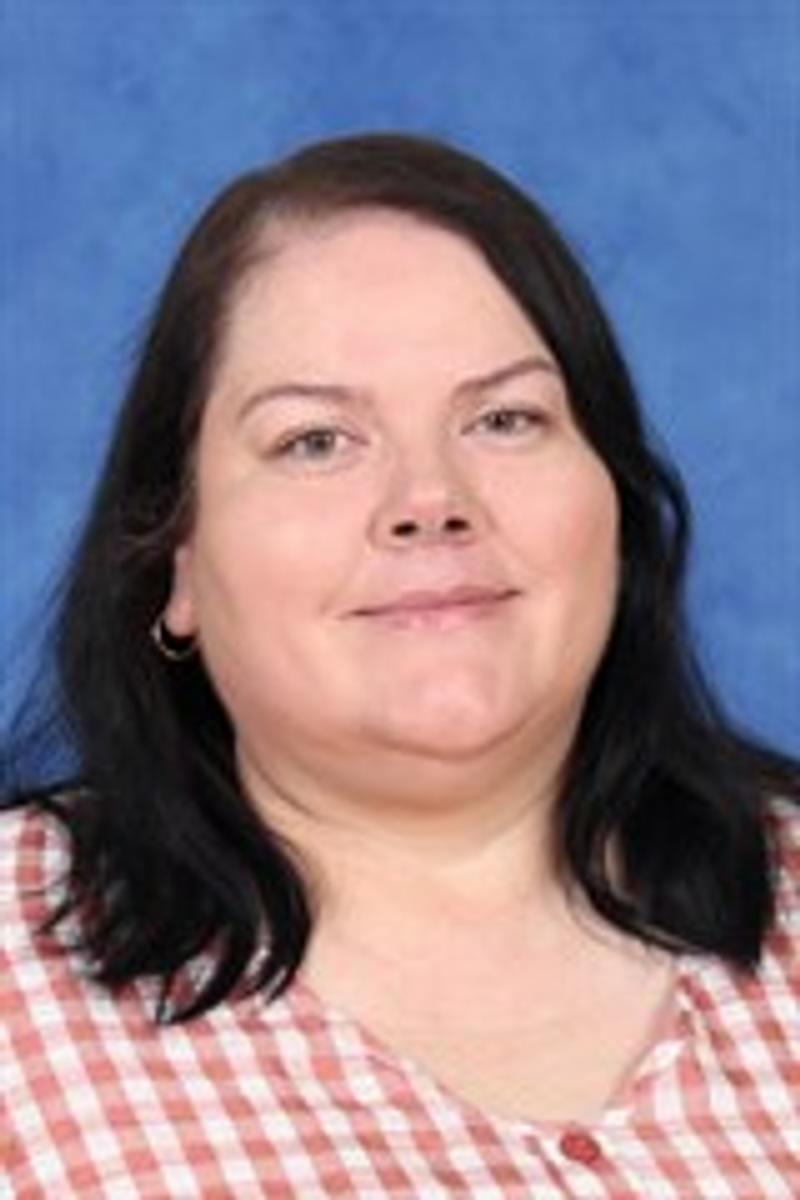
Amanda Tate
VHAP Coordinator