OCCUPATIONAL SUPPORT

Movement breaks vs brain breaks: How can we use them in the home
Teens often need short breaks during schoolwork, chores, or other tasks to stay focused and manage their energy. These breaks can be a powerful tool for self-regulation, attention, and overall well-being. Two types of breaks can be particularly helpful.
Movement breaks
Movement breaks involve physical activity to release tension, reset attention and regulate emotions. This is particularly important for when kids are studying or completing homework tasks as they help teens reset their focus, release built-up energy and feel calmer before returning to a task.
- Quick walk or jog outside
- Stretching or yoga in their room
- Shooting a basketball/netball outside
- Kicking the footy in the backyard
- Jumping on the trampoline
Brain breaks
Brain breaks are short mental or creative pauses that give the mind a rest, reduce fatigue and improve engagement. These breaks can help teens reset attention and manage frustration, especially during longer study periods.
Examples:
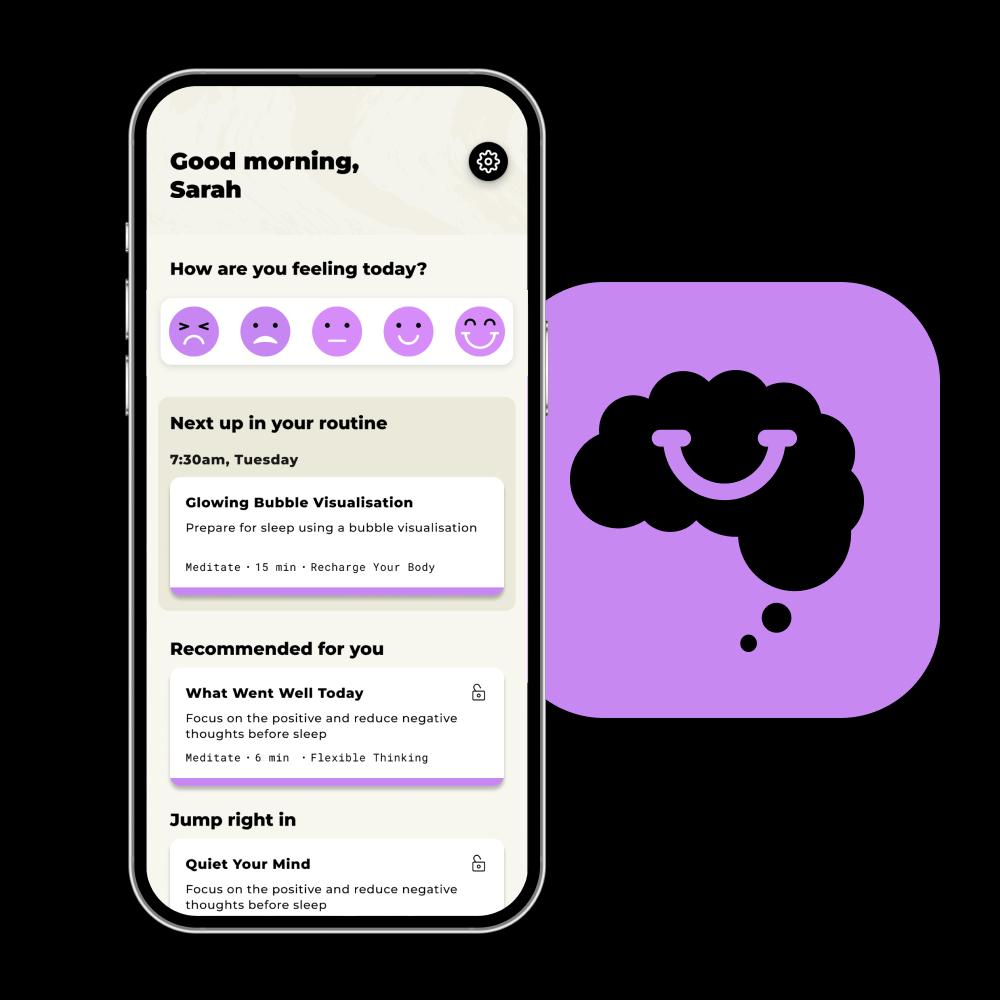
Smiling Mind
Smiling Mind
- A game of connect 4 with a family member
- Drawing and sketching
- Colouring in
- Calling or texting a friend
- Mindfulness or breathing exercises (refer right for a great app that can support the practice of this)
- Playing a short online game can be a mindful brain break if teens set a timer, choose a specific game, and focus on enjoying it without distractions.
A great way to embed these strategies at home is to help your teen create a personalised Movement and Brain Breaks Poster. Include a mix of activities they enjoy so they have a visual reminder of what helps them reset when they feel overwhelmed or distracted