Mind, Body, Us
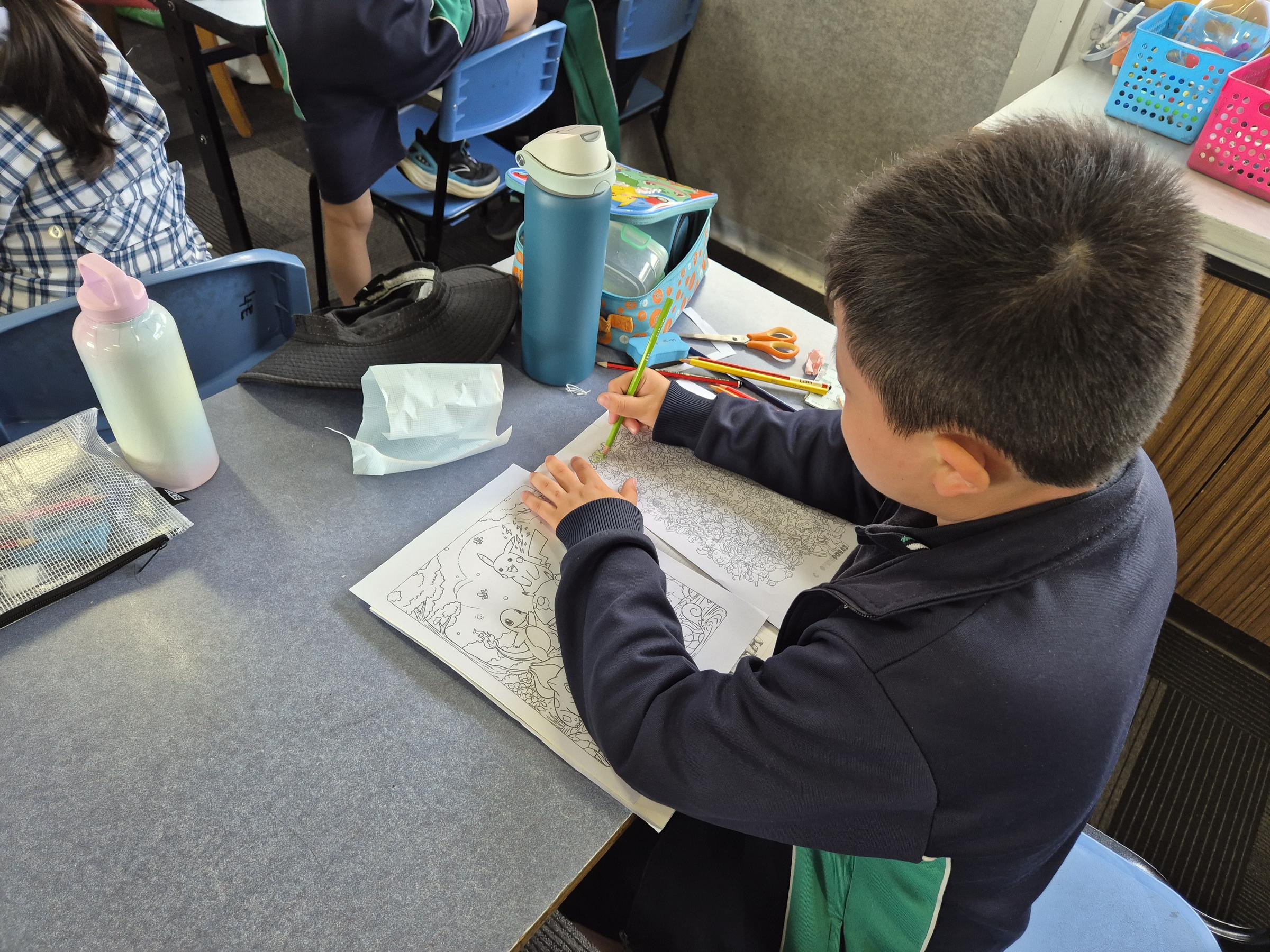
Welcome to Mind, Body and Us for 2026, and to this term’s focus:
The Zones of Regulation.
Across Prep to Year Six, students will take part in a rich and engaging learning program designed to build emotional understanding, resilience, respectful relationships, and effective coping strategies. Through hands-on activities, guided discussions, and purposeful reflection, students will learn to recognise emotions, respond to challenges, seek help when needed, and make positive choices that support their wellbeing. Our goal is to equip every learner with practical tools they can use confidently both in and beyond the classroom.
Prep
Throughout Term One, our Prep students will participate in a nurturing program that supports them to recognise emotions, practise self-regulation strategies, and develop positive peer relationships. They will explore familiar feelings—such as happy, sad and worried—through drawing, games and expressive play, and will learn to sort emotions into colour-coded Zones of Regulation. Students will practise calming strategies including breathing and stretching and will create their own personal Zones Toolbox with items like stress balls, picture cards and visuals. They will also explore how to recognise emotions in others and respond with kindness through shared tasks such as roleplay, identifying body language and creating a class Kind Words Poster. This learning will help our youngest students understand their own feelings, support others and begin to confidently navigate social situations.
Curriculum Links:
- Identify emotions they experience VC2HPFP04.
- Identify protective behaviours and rehearse help-seeking strategies that help keep them safe VC2HPFP06.
- Practise personal and social skills to interact respectfully with others VC2HPFP03.
Key Vocabulary:
Emotions, regulation, zones, relationships, help-seeking, strategies, safe, social skills, respect
Year 1
During Term One, our Year One students will develop their skills in emotional awareness, respectful communication and help-seeking through a series of interactive lessons. They will learn how to ask for and give permission politely, practise using kind words and tone, and take part in discussions, drawings and roleplay to explore how feelings influence behaviour. Students will identify trusted adults and community helpers, learn about safe and unsafe secrets and practise how to ask for help in different situations. They will also strengthen their understanding of emotions through storytelling, charades and calming activities such as deep breathing and creating glitter jars. These experiences will build their confidence, support their social development and help them manage their emotions in positive and age-appropriate ways.
Curriculum Links:
- Practise strategies they can use when they need to seek, give or deny permission respectfully VC2HP2P05.
- Identify and demonstrate protective behaviours and help-seeking strategies they can use to help them and others stay safe VC2HP2P06.
- Identify how different situations influence emotional responses VC2HP2P04.
Key Vocabulary:
Respect, protective behaviours, managing emotions, understanding emotions, help-seeking strategies, feelings, relationships
Year 2
In Term One, our Year Two students will take part in lessons that build respectful communication, help-seeking skills and emotional regulation strategies. They will explore how feelings influence interactions and will practise asking for permission, listening to others and making shared decisions through group activities and roleplay. Students will identify trusted adults who help keep them safe, learn how to respond to unsafe situations and explore ways to show kindness and responsibility within their school community. They will also examine what triggers emotional changes and will develop a bank of calming strategies to support their wellbeing. Through problem-solving challenges, guided scenarios and reflection, students will learn to make positive choices when experiencing strong emotions, supporting their growth as confident, thoughtful learners.
Curriculum Links:
- Practise strategies they can use when they need to seek, give or deny permission respectfully VC2HP2P05.
- Identify and demonstrate protective behaviours and help-seeking strategies they can use to help them and others stay safe VC2HP2P06.
- Identify how different situations influence emotional responses VC2HP2P04.
Key Vocabulary:
Confidence, communication, emotions, techniques, skills, positive choices, regulation
Year 3
This term in Mind, Body and Us, Year Three students will explore their emotions, learn effective regulation strategies and practise interacting respectfully with others. Early lessons will revisit the Zones of Regulation, helping students recognise how emotions shift and identify their personal emotional triggers. They will complete hands-on activities such as creating a personalised Zones Chart and building a class Trigger Map. Students will then learn and apply emotional regulation strategies, such as deep breathing and mindfulness and match coping tools to specific emotional triggers. They will also design their own Zones Toolbox filled with personalised tools. Later in the term, students will focus on empathy, giving compliments and resolving conflicts using tools like "I Statements." Through games, discussions and collaborative tasks, students will strengthen key emotional and social skills that support positive wellbeing and relationships.
Curriculum Links:
- Explain how and why emotional responses can vary and practise strategies to manage their emotions VC2HP4P06.
- Investigate and apply strategies that contribute to their own and others’ health, safety, relationships and wellbeing VC2HP4P10.
Key Vocabulary: Emotional triggers, emotional regulation, Zones of Regulation
Year 4
Throughout Term One, Year Four students will explore their emotions, build resilience and learn strategies to manage change. They will begin by exploring the Zones of Regulation, recognising how emotional responses shift across different situations and reflecting on their own experiences. Through discussion, scenario work and journaling, students will build their understanding of emotional triggers and resilience. They will then learn and practise regulation tools—such as mindfulness and grounding strategies—through roleplay and group activities. Toward the end of the term, students will explore coping with change and transitions by identifying common changes, planning strategies and reflecting on what works best for them. Engaging tasks such as creating a Resilience Roadmap, playing Emotional Jenga and writing to their future selves will help them build lifelong emotional and social strengths.
Curriculum Links:
- Investigate how success, challenge, setbacks and failure strengthen resilience and identities in a range of contexts VC2HP4P01.
- Explain how and why emotional responses can vary and practise strategies to manage their emotions VC2HP4P06.
- Plan, rehearse and reflect on strategies to cope with the different changes and transitions they experience, such as physical, social and emotional changes VC2HP4P02.
Key Vocabulary: Resilience, Zones of Regulation, transition, emotional triggers
Year 5
During Term One, Year Five students will deepen their understanding of emotions, how they influence behaviour and how to regulate them effectively. They will begin by revisiting the Zones of Regulation, identifying emotional triggers and practising mindfulness strategies. Through role-play, reflection journals and emotional-strategy toolkits, students will explore how to manage their responses in social situations. They will then investigate how emotions shape relationships and conflicts, practising de-escalation strategies and constructive peer feedback. Later in the term, students will evaluate different sources of health information to make informed decisions about emotional wellbeing. By applying these strategies to real-life scenarios and sharing insights with peers, students will develop the skills needed to recognise, manage and communicate emotions effectively.
Curriculum Links:
- Apply strategies to manage emotions and analyse how emotional responses influence interactions VC2HP6P06.
- Investigate different sources, quality and types of health information and how these apply to their own and others’ health choices VC2HP6P09.
Key Vocabulary:
Zones of Regulation, conflict, de-escalation, emotional awareness
Year 6
In Term One, Year Six students will deepen their understanding of self-identity, emotional regulation and informed decision-making. They will begin by exploring the Zones of Regulation, recognising emotional fluctuations and identifying personal triggers and strengths. Through activities such as Identity Mapping and Emotion Check-ins, students will connect their emotions to external influences and build stronger self-awareness. They will then develop social-emotional skills through Empathy Circles, respectful communication tasks and roleplay, highlighting how emotional intelligence supports healthy relationships. Finally, they will evaluate a range of health information sources and explore practical wellbeing tools, including mindfulness apps and personalised Zones Toolkits. By participating in reflective conversations, collaborative projects and real-world applications, students will strengthen their ability to navigate emotions, relationships and decision-making with confidence.
Curriculum Links:
- Explain how identities can be influenced by people and places, and how we can create positive self-identities VC2HP6P01.
- Describe and demonstrate how respect and empathy can be expressed to positively influence relationships VC2HP6P04.
- Investigate different sources, quality and types of health information and how these apply to their own and others’ health choices VC2HP6P09.
Key Vocabulary:
Self-identity, emotional regulation, critical thinking, emotional intelligence
How can you support your child’s Mind, Body and Us learning at home?
- Ask your children throughout the day to describe to you how they are feeling.
- Look at images of people in books and magazines and discuss how the people may be feeling by their facial expressions and body language.
- Ask your children throughout the day to explain what Zone they are in and why.
- As a family, discuss the strategies you could use to cope with different emotional situations.
- Create your own family ‘Emotional Toolbox’ display, that shows strategies and images of how to manage different emotions.