Student News
Foundation - Grade 2 Religion:
Where is God in your life?
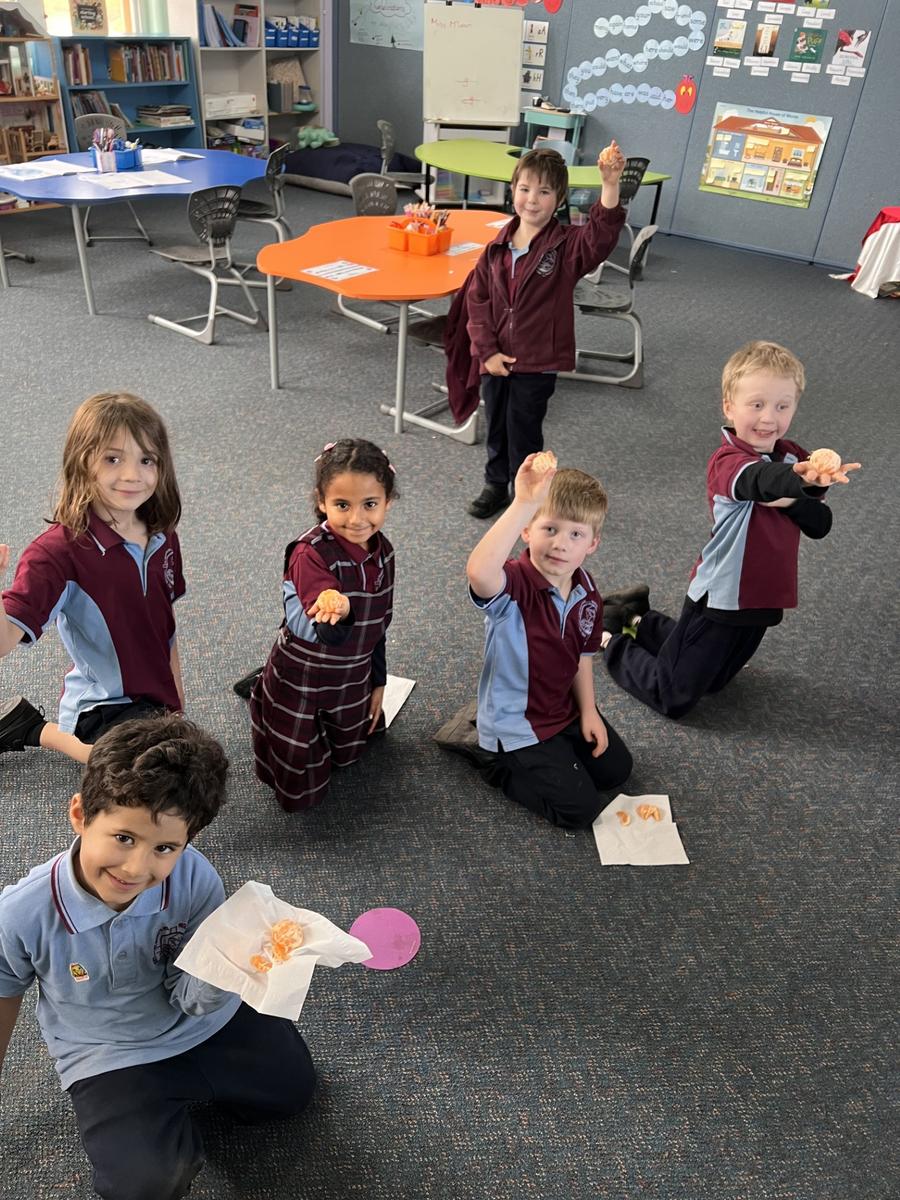
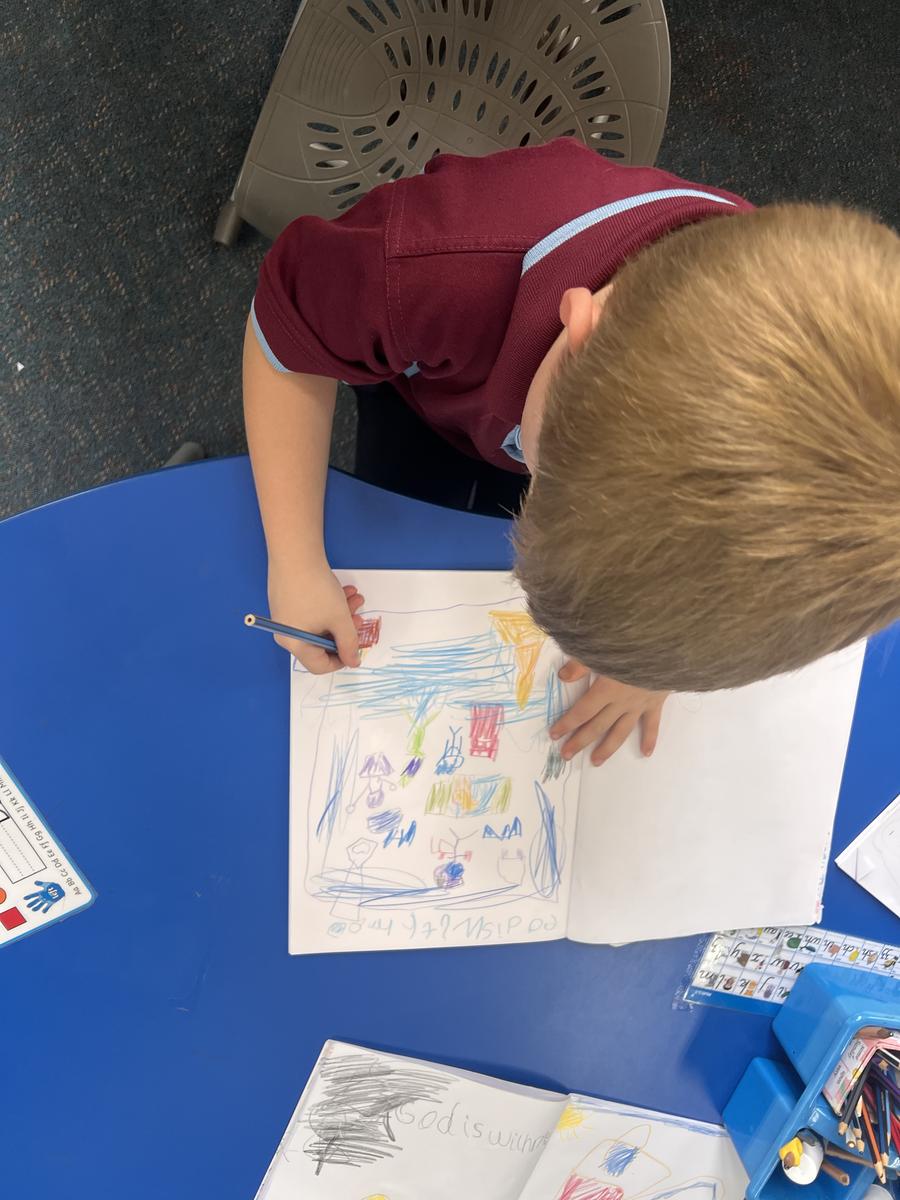
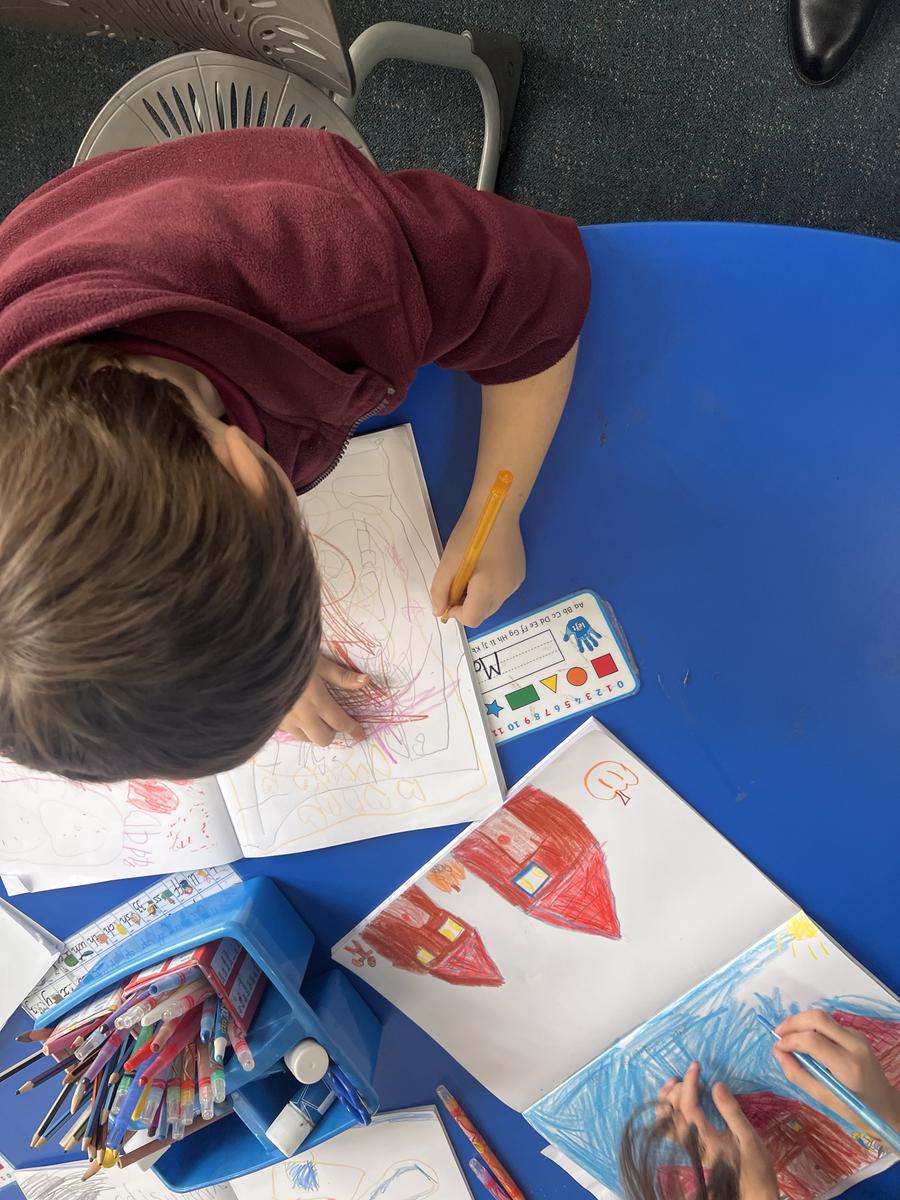
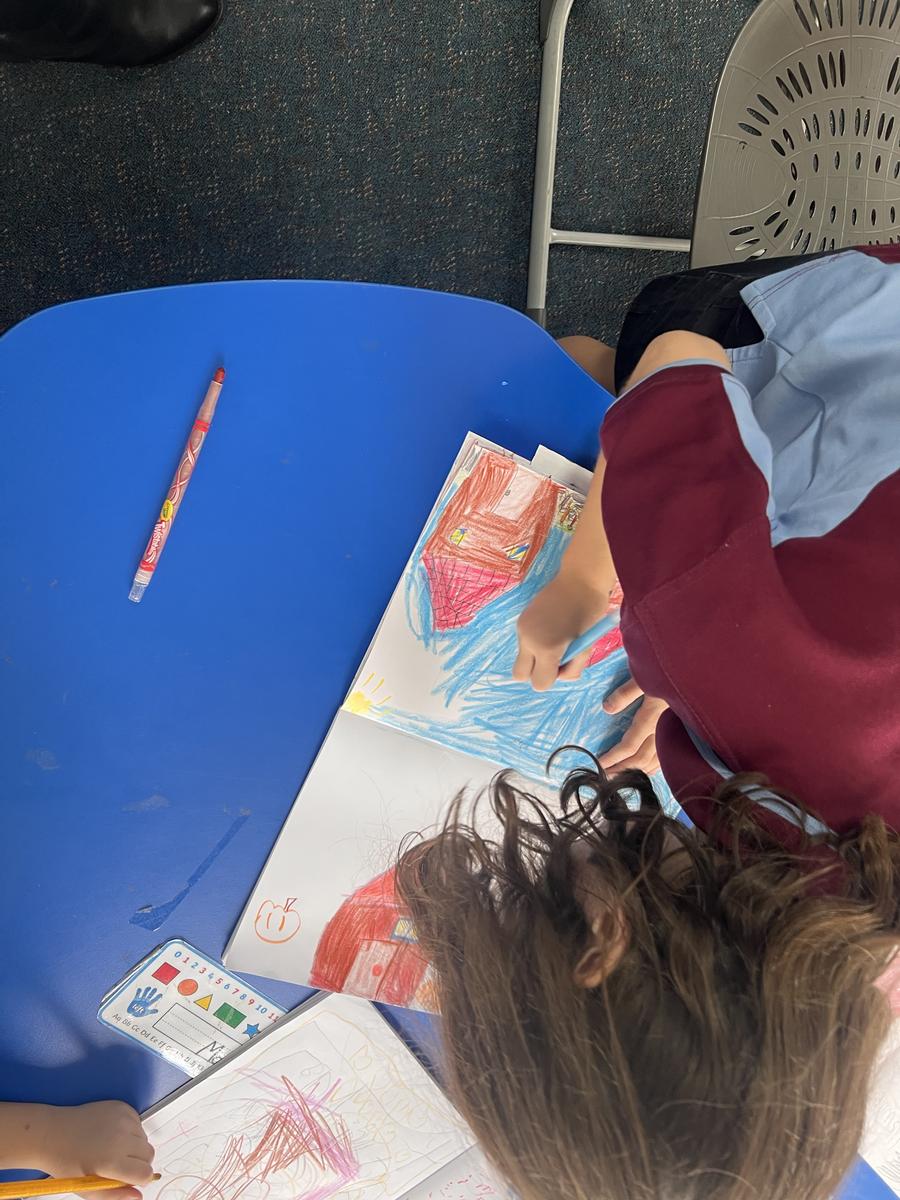
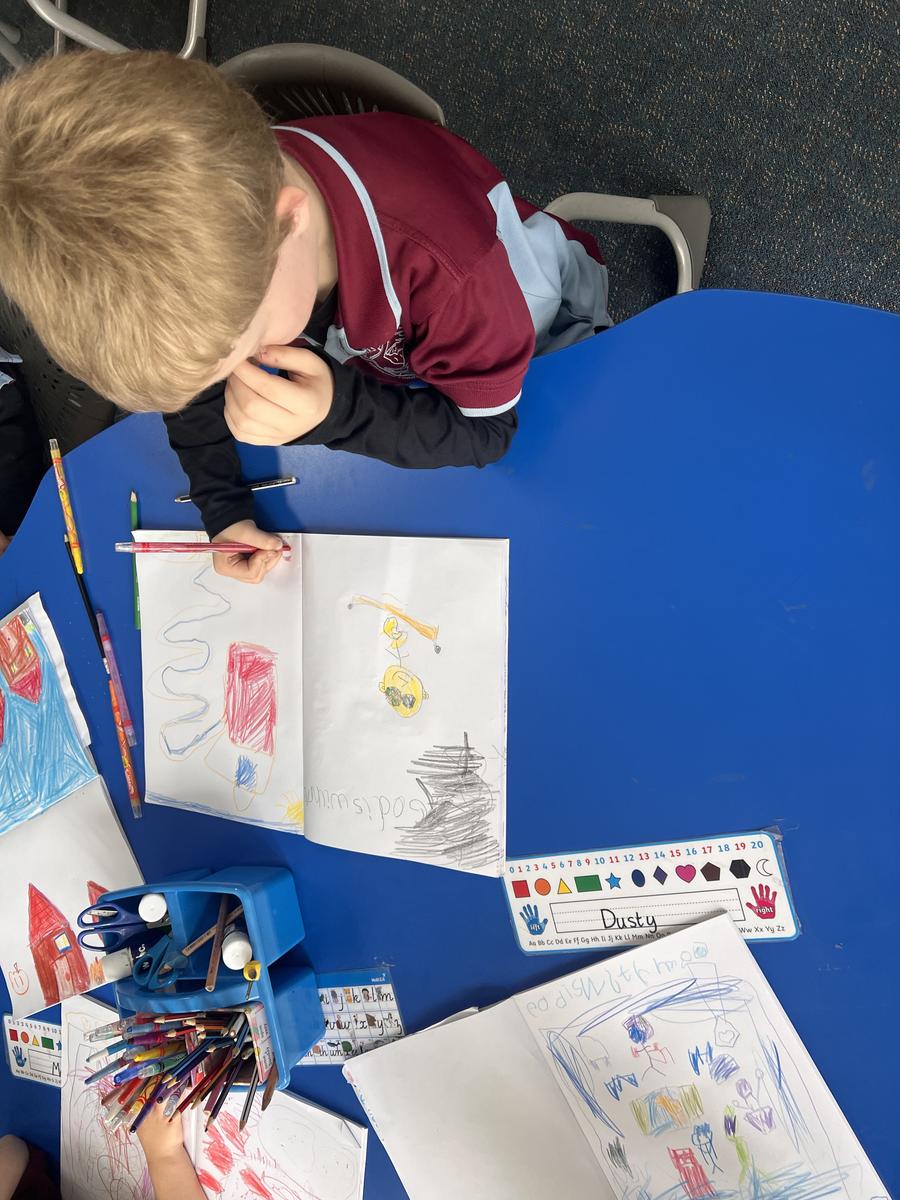
This week the Foundation - Grade 2 students started their new unit on "Finding God in all things" where they began to explore that the Christian belief is that God is with them in every feeling and moment. Students were able to identify that God can be with us no matter what emotion we may be feeling. They then looked closely at the natural world to identify God's love through creation. We found God all around our school including in the mandarins we found growing on the fruit tree out the front of the school.
Year 3-6 Literacy
Through our texts in Literacy this term, we have been learning a lot about the significance of country to Aboriginal and Torres Straight Islander people, and of some of the significant events which have created change for them throughout our history. The 1967 Referendum was one such significant event in Australia's history.
The 1967 Referendum
By Lucy Morrison
The lead up to the 1967 referendum push Government into action to change the constitution and to let First Nations Australians be counted in the Australian population. Before the referendum, First Nations Australians were not legally considered people and were not allowed the same rights as non-indigenous Australian. Throughout the 1960’s activism to raise awareness for the treatment of First Nations Australians cultivated a wave of support for the referendum, eventually resulting in a successful amendment to the constitution so that First Nations Australians would be counted in the Australian population.
Life before the 1967 referendum First Nations Australians were treated unfairly and weren’t even considered human beings. First Nations Australians have been treated unfairly for many years even going back to the stolen generation. Because of the constitution being written in 1901 and not being amended till 1967 white Australians thought their way of living was the ideal way of living, leaving First Nations Australians to be ignored. Until the government saw a start to social change in Australia consisting of Push for women’s rights, unpopularity of the Vietnam war and the unfair treatment of First Nations Australians was starting to be recognised. Activists started to campaign for changes pushing government into action.
Leading up to the Referendum many events occurred which showed change in peoples mind set towards First Nations Australians. Events took place pushing government to change the constitution one main event was the “Freedom Ride”. This was a 15-day bus ride undertaken in 1965 in was organised by a group of Uni students to bring attention to the racism of First Nations Australians. Lot’s more events occurred like the All Colours Show cofounded by Jimmy Little. All this activism led to a 90.77 percent of “YES” votes for First Nations Australians to be counted in the Australian population. The 1967 Referendum had many events to make this out standing change to the constitution happen.
Life after the Referendum lots changed but not all the discrimination was solved but First Nations Australians were now counted as Australian citizens and their living conditions improved. The 27th of May 1967 First Nations Australians were now recognised and reassured they mattered. After all this First Nations Australians had hope for future generations and that their traditions could be carried on. The change of the constitution also provided practical changes that gave First Nations Australians the power to advocate in the Australian government to help future generations. After all the events and the Referendum First Nations Australians were given the opportunity to be called Australian.
During the 1960’s many things happened but most of all Australian citizens stood up for the rights and recognition of First Nations Australians. Before the Referendum First Nations Australians were not recognised as people but recognised as “Flora and Fauna”. The 1967 Referendum occurring changed the Australian in many ways but most importantly we now in writing have that First Nations Australians matter.
The 1967 Referendum
By Kiarah McEwan
The 1967 Referendum was held for Australians to vote “Yes” or “No” to change the constitution to allow First Nations Australian’s to be recognised in the Australian population. Before the Referendum the First Nations Australian’s were not legally considered people and because of this, they did not have the same rights as Non- Aboriginal Australian’s. Everyday Australian’s started to realise the treatment of the First Nations Australian’s, so they made many groups to changes the constitution to make equal rights for Non-Aboriginal Peoples and the First Nations Australian’s.
Prior to the 1967 Referendum the First Nations Australian’s were not recognised as human beings so they were not counted in the census. Before the 1967 Referendum there was a lot of segregation meaning the First Nations Australian’s were not allowed to go to the same shops, schools and buses as non-aboriginal people. There was also a lot of discrimination meaning the non-Aboriginal people said, “You can’t sit next to me.” Or they were put in a different place on a bus, or they weren’t allowed to go on excursions. However, in the 1960s social change in Australia was being made. People started to realise the poor treatment of the First Nations Australian’s and, with all the young men who were dying in the Vietnam war. So, the non-Aborigines started to petition to change the Referendum.
Leading up to the Referendum people started to recognise the First Nations Australian’s and changed the way they lived, and campaign for changes through many events. In 1962 Jimmy Little started the All-Coloured Show to recognise the First Nations Australian’s and acknowledge them. Charles Perkins and the University of Sydney took a 15-day bus journey for Freedom Rides organised by the University students to Australia because they heard about the racism towards the First Nations Australian’s rights. Lyndon, B, Johnson was the first American President to visit Australia to see for himself what was happening to the First Nations Australians to change their rights. The results of the activism throughout this decade made a huge improvement to the Referendum with a resounding 90.77% of “yes” votes towards the Referendum. The 1967 Referendum was changed hugely due to the significant people who fought for the First Nations Australian’s so they could have equal rights.
The life after the 1967 Referendum was significant because the First Nations Australian’s were finally allowed equal rights to the non-aborigines. The First Nations Australian’s were finally recognised for their culture and land ownership empowered within the government. The sad thing is not all the discrimination and inequality did not stop, the First Nations Australian’s were still being discriminated because of their race and religion, and the inequality still effected the First Nations Australians by them not able to go to the same places as the non-aborigines. But people still fought for equal rights for the First Nations Australian’s, and they were provided with hope to future generations. So, by these amazing people the First Nations Australian’s were allowed equal rights as all the other Australian citizens.
Even though the First Nations Australian’s were not counted as Australian citizens, through the 1960s many changes were achieved to make them counted as Australian citizens. Before the 1967 Referendum the First Nations Australians were not even legally considered people at this time. The 1967 Referendum took place to allow the First Nations Australians to be recognised as Australian citizens.
The 1967 referendum
by Braxton Barns
In 1959 Jesse street pearl Gibbs and Faith Balmont made the aboriginal Australian fellowship to help change the constitution so aboriginal people would be counted as Australian citizens instead of not being counted as people. In 1978 a referendum was started to change the constitution so First Nations Australians would be counted in the census throughout the 1960s activism to raise awareness of the treatment of First Nations Australians then later people petitioned for First Nations Australians to be counted as people resulting in a successful change to the constitution helping First Nations Australians to be counted as Australians.
Before the referendum First Nations Australians were treated unfairly and weren’t considered human or Australian and were instead seen as flora and fauna. Segregation and discrimination meant that First Nations Australians weren’t allowed in certain places and white Prior to 1967 First Nations Australians not recognised as Australian people and were instead seen Australians were rude to First nations Australians. social change began in the 1960s with the unpopularity of the Vietnam war and the women’s rights movement led to people realising the unfairness to First Nations Australians. As these societal changes began to take place the path towards a referendum was paved.
In the years leading up to the referendum there was a lot of events to change people’s mind about First Nations Australians including the freedom ride cofounded by Jimmy Little and Charles Perkins it was a 15 day bus journey undertaken in 1965 to bring attention to the racism experienced by First Nations Australians. First Nations Australians wanted change, so they campaigned and collected signatures. First Nations Australians were allowed to vote in 1962 which was a big change for them. Australian migrants also were not assessed on race or religion but on skills and ability. So in the years leading up to the Referendum people campaigned and did many things to earn First Nations Australians the rights they deserved.
The referendum didn’t fix all of the problems for First Nations Australians but it was a significant moment forging change that empowered First Nations Australians within government systems. The referendum forged a path to recognise First Nations Australians so they would be counted as Australian citizens in the census. They were also able to gain ownership of their land. They were empowered with gov meaning they were entitled to full political and civil rights it gave hope to First Nations Australians for a better future. Although it did not turn out to all they hoped for because it did not solve all discrimination and changes were slower than expected. Although the referendum didn’t fix all of the discrimination experienced by First Nations Australians it was a significant change in government systems.
During the 1960s activism to raise awareness for the treatment of First Nations Australians grew a wave of support from Australians leading to a successful change to the constitution. It was unfair to First Nations Australians they weren’t granted the same rights regular Australians were given. So a referendum occurred to change the constitution and allow First Nations Australians to be considered the same as regular Australians and be granted equal rights.
Science - Years 3-6
In Science, students have been investigating natural disasters, with a focus on earthquakes. This week, students explored how earthquakes occur in the lithosphere when pressure builds up in the Earth’s crust and is suddenly released. They learnt that this movement often happens along tectonic plate boundaries, where plates may move apart, push together or slide past each other. Students also discussed the three main types of plate boundaries: divergent, convergent and transform.
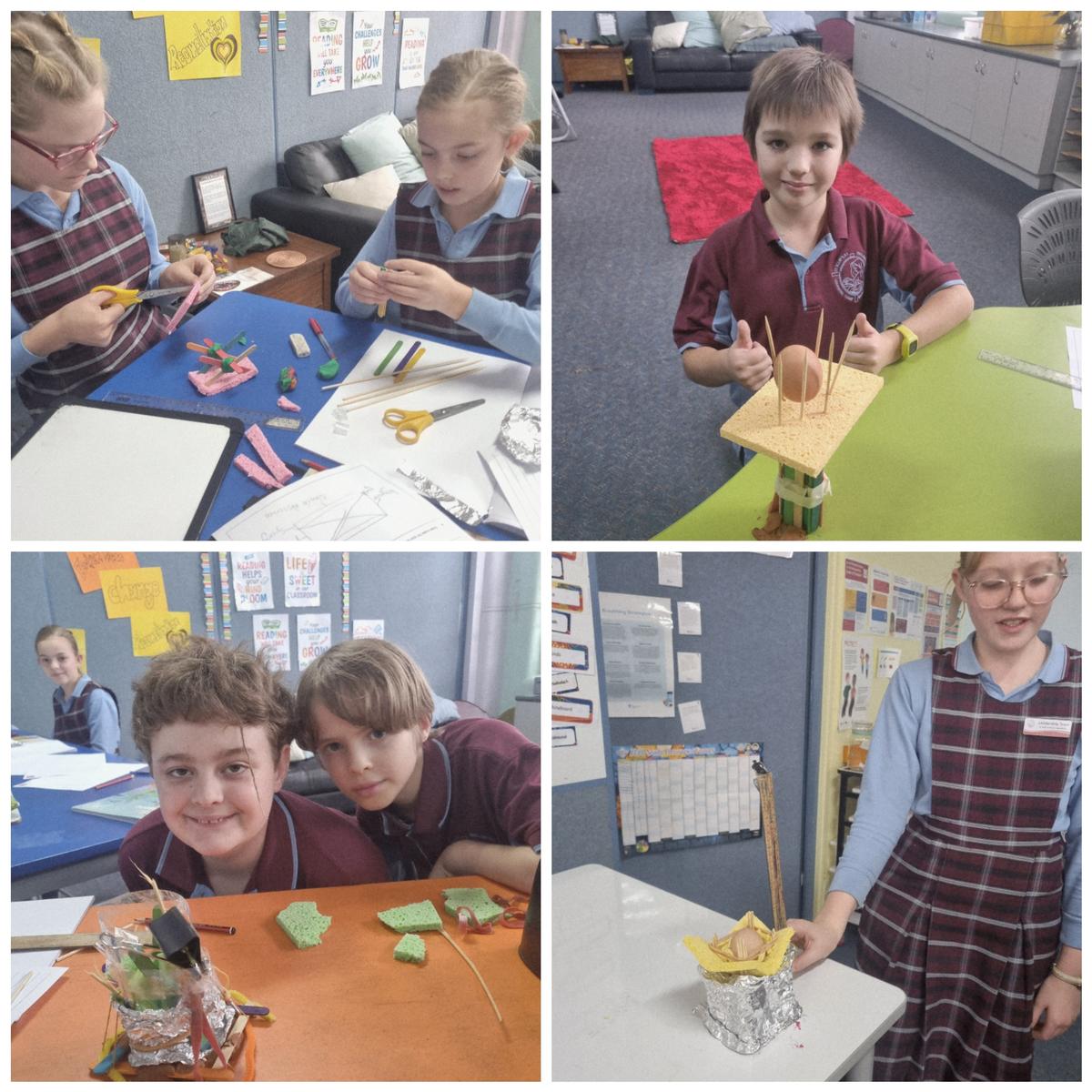
As part of their learning, students investigated how engineers design buildings and structures to reduce damage during earthquakes. They explored features such as base isolators, which act like giant shock absorbers, cross bracing to strengthen buildings and reduce swaying, lightweight roofs and walls, flexible designs that allow buildings to bend rather than break, and anchoring systems that help secure buildings to their foundations.
To apply their learning, students conducted a hands-on experiment where they constructed their own earthquake-resistant structures. Their challenge was to design a building that could withstand a simulated earthquake by being shaken on a table for 10 seconds from a height of 10cm. This was a great opportunity for students to test, observe, improve and explain their designs using scientific thinking.
PE: Basketball Program
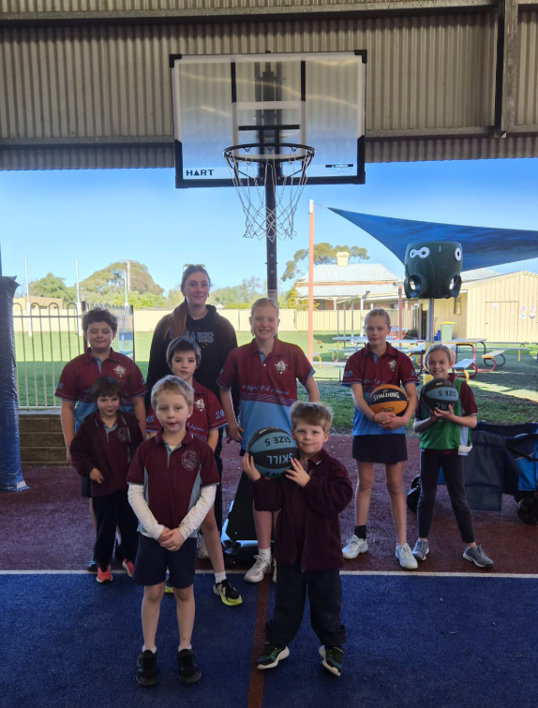
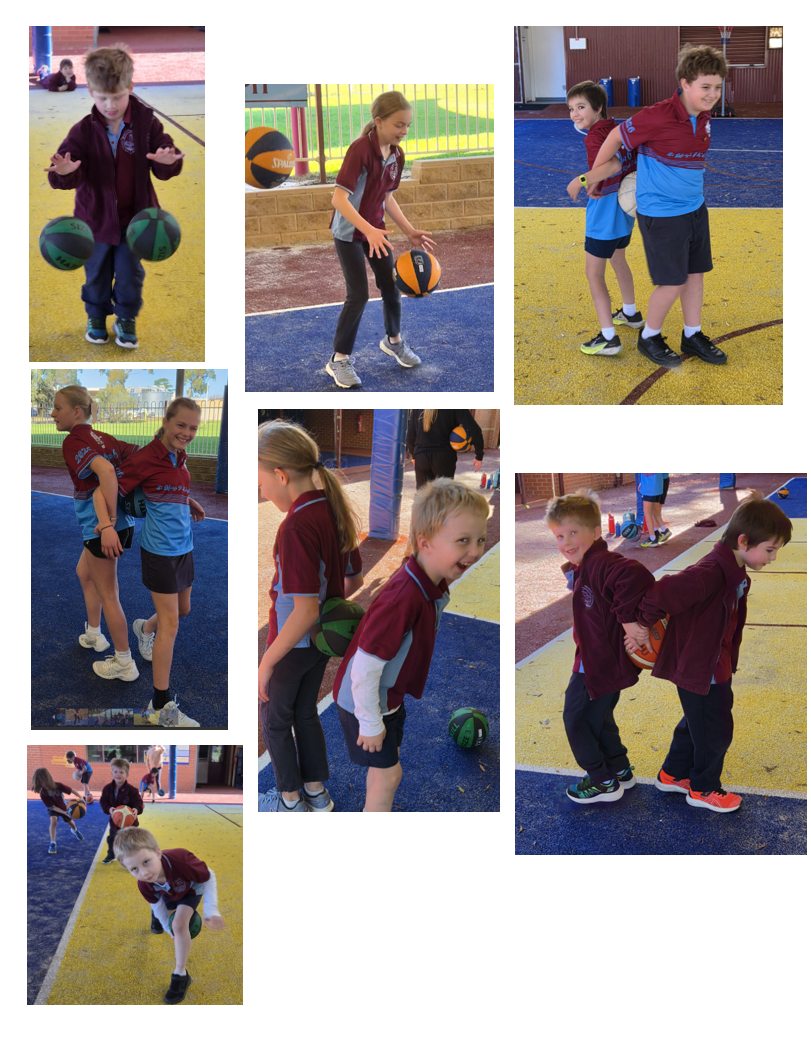
Today was our 4th week of our 5-week basketball program has provided students with an exciting opportunity to develop their basketball skills, teamwork, and confidence in a fun and supportive environment. Led by the dedicated Braves Basketball coaches, Kiara and Erin, students have been learning the fundamentals of the game, including dribbling, passing, shooting, and defensive skills, while also building resilience, sportsmanship, and communication. The energy and enthusiasm shown by all participants have been outstanding, and it has been wonderful to see students encouraging one another and growing in confidence each week. We thank the Braves Basketball coaches for their expertise, encouragement, and commitment to inspiring our young athletes.