
Learning and Teaching
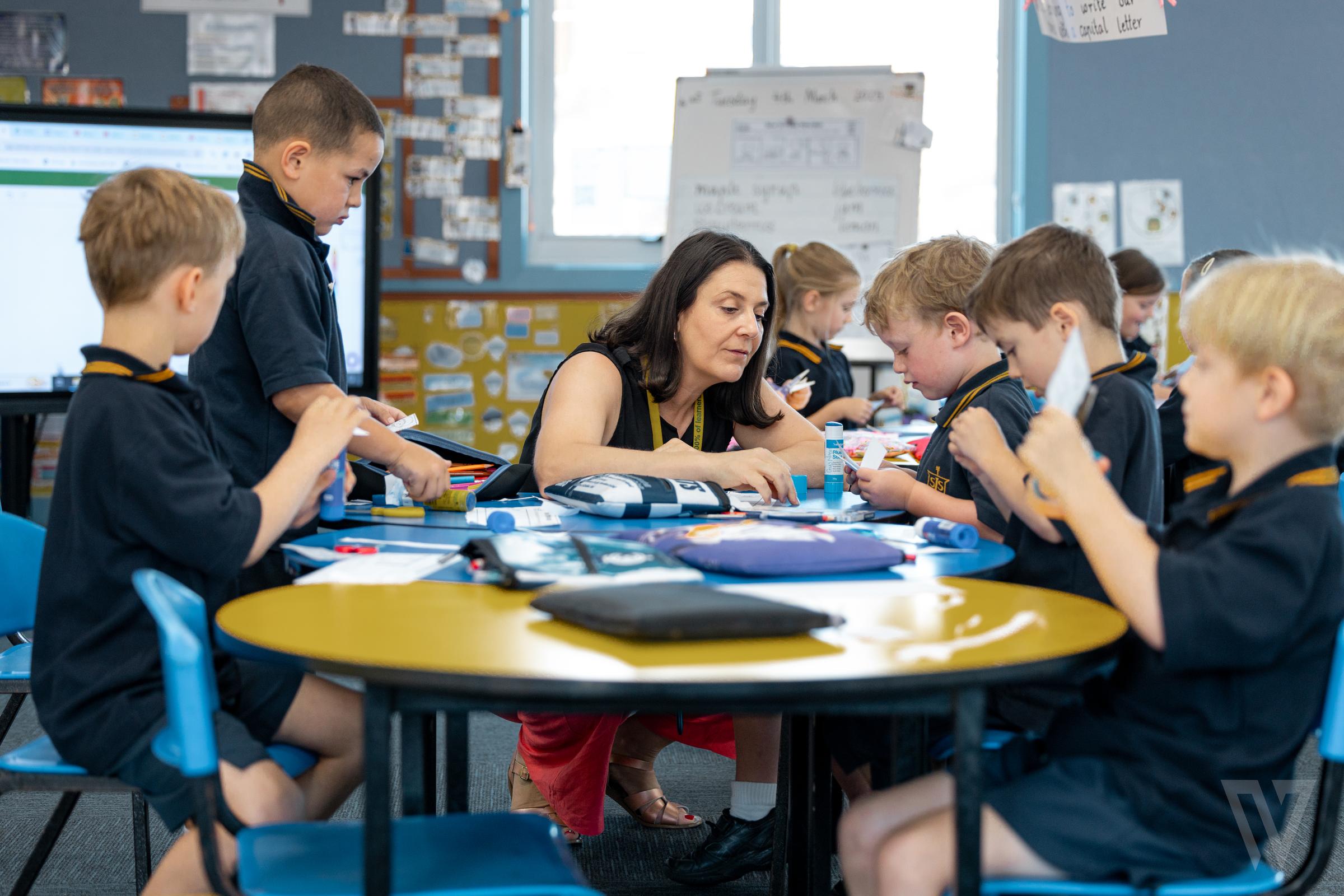
Building Fluency and Confidence in Mathematics
As part of St Joseph’s Annual Action Plan (AAP) this year, we are focusing on improving student achievement in Mathematics by building fluency and automaticity with number skills. This year, students are focusing on improving their achievement in Mathematics by building fluency and automaticity with number skills. Fluency means being able to recall number facts quickly and accurately, while automaticity develops when students can apply these skills confidently without needing to stop and think about every step.
To support this goal, students are participating in daily mental maths activities and learning a range of strategies to help them solve problems efficiently. Through regular practice, students are developing stronger number sense, faster recall of facts and greater confidence in their mathematical thinking.
Mental maths strategies may include counting on, doubles, near doubles, making tens and recognising number patterns. These strategies help students solve problems flexibly and build a strong foundation for future mathematics learning.
Families can play an important role in supporting maths learning at home. Here are some simple and practical ways to help:
- Practise counting forwards and backwards while driving or walking.
- Ask quick addition or subtraction questions during everyday activities.
- Play card games or board games that involve numbers.
- Encourage your child to explain how they solved a maths problem.
- Use cooking, shopping or telling time as opportunities to discuss numbers and problem solving.
- Practise number facts regularly in short, positive sessions.
By working together, we can help students build confidence, persistence and success in Mathematics. We are excited to see the growth our students are making through daily practice and consistent support both at school and at home.
Kind regards
Megan Barber