
CREATE, PE & JAPANESE

Welcome to CREATE
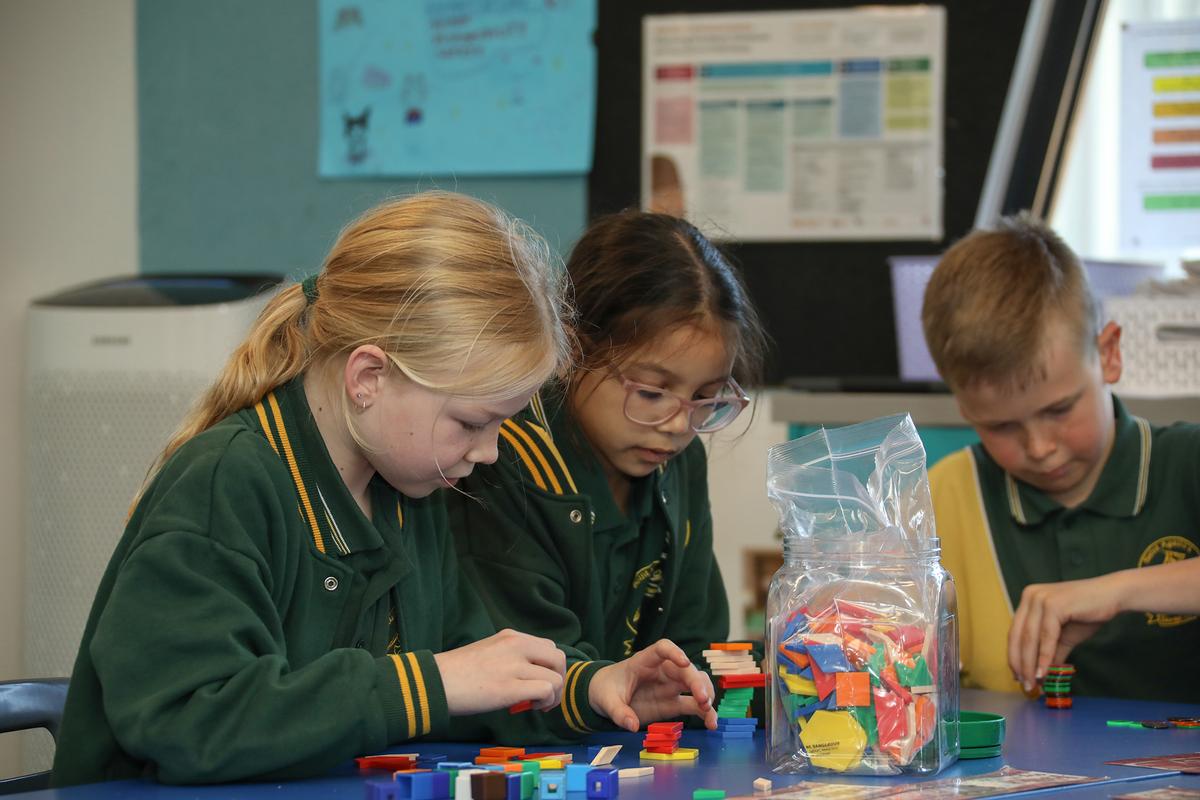
This year we are excited to introduce CREATE, a dynamic new subject that brings together the arts and technologies to inspire confident, innovative and adaptable learners.
CREATE encourages students to think critically and creatively as they explore ideas, take risks, and reflect on their learning. Through hands‑on experiences, students learn to generate ideas, solve problems, and design solutions that are ethical, sustainable and culturally aware, helping students develop the skills they need to thrive as active members of their communities.
This term, students from Foundation to Year 6 will be exploring the themes of identity and emotions. Through music, drama, visual art and digital technologies, they will investigate how people express who they are and how they feel. Students will experiment with different creative tools, develop new technical skills, and work both independently and collaboratively to bring their ideas to life.
We look forward to seeing the curiosity, creativity and confidence that students will develop as they begin their CREATE journey.
Welcome to Physical Education


Physical Education (PE) plays a vital role in every child’s development, and in our primary setting it’s about far more than learning sports skills. PE gives children the chance to explore movement, build confidence, and develop healthy habits that can last a lifetime. Through a balance of games, skill-building activities, and teamwork challenges, students learn how to stay active, look after their bodies, and enjoy being part of a supportive, energetic environment.
Our program is designed to be inclusive and engaging for all children, regardless of their starting point. We focus on fundamental movement skills, cooperation, resilience, and the joy of participating. Most importantly, we aim to create positive experiences that help children feel capable, motivated, and excited about physical activity.
We look forward to working together to support your child’s wellbeing, growth, and love of movement.
Foundation
This term in Physical Education, our Foundation students will be learning and practising a range of fundamental movement skills through fun, play-based activities. Students will be running, hopping, skipping, galloping, leaping, dodging, doing basic hurdles, as well as jumping and throwing — all in a safe and supportive environment designed to build confidence and enjoyment.
These lessons will gently prepare students for the Foundation Athletics Carnival in Week 4. The day is all about having a go, trying new things, and having fun. All activities are age-appropriate, with lots of encouragement and support from staff to help students feel happy and confident.
Years One and Two
In Term One, Years 1 and 2 students will develop their movement skills through Athletics and a Basketball unit.
Athletics lessons will focus on running, hurdling, jumping with a run-up, and throwing. Basketball lessons will develop dribbling, passing, shooting, and catching through fun, game-based activities.
The Athletics Carnival will take place in Week 4 and is a relaxed, supportive day focused on participation and having a go. Students rotate through short events with their class and are always supported by staff.
Years Three and Four
This term, Years 3 and 4 students will participate in Athletics and Net/Wall Minor
Games units. Athletics lessons will focus on running (sprints, relays and pacing), jumping (high jump, long jump and triple jump techniques), and throwing (introduction to discus and shot put).
Later in the term, students will take part in Net/Wall minor games, developing skills such as underhand and overhand serving, forearm passing, setting, volleys, and court positioning, with links to sports like volleyball and pickleball.
The Athletics Carnival is a structured but supportive day where students compete in age-appropriate events with their class, focusing on effort, teamwork, and personal improvement rather than winning.
Year 4 students who qualify for the school cross country team will have the opportunity to represent the school at the District Cross Country in the final week of Term 1. Year 4 students will be required to run 2km and further information will be provided closer to the event.
Year Five
In Term One, Year 5 students will participate in Athletics and Soccer units designed to develop skills, confidence, and game understanding.
Athletics lessons will focus on specialised events including sprint technique, hurdles, relays, high jump, long jump, triple jump, javelin, discus, and shot put, with an emphasis on personal best tracking and pacing strategies.
Later in the term, students will move into a Soccer unit, developing skills such as advanced passing, shooting placement, defensive tactics, goalkeeping, formations, and set plays through structured drills and game-based activities.
The Athletics Carnival is a supportive and well-organised day where students compete in age-appropriate events, focus on personal improvement, and represent their house with encouragement from staff throughout the day.
Year 5 students who qualify for the school cross country team will have the opportunity to represent the school at the District Cross Country in the final week of Term 1. Year 5 students will be required to run 3km, and further information will be provided closer to the event.
Year Six
In Term One, 6 students will participate in Athletics and Soccer units designed to develop skills, confidence, and game understanding. Athletics lessons will focus on specialised events including sprint technique, hurdles, relays, high jump, long jump, triple jump, javelin, discus, and shot put, with an emphasis on personal best tracking and pacing strategies.
Later in the term, students will move into a Soccer unit, developing skills such as advanced passing, shooting placement, defensive tactics, goalkeeping, formations, and set plays through structured drills and game-based activities.
The Athletics Carnival is a supportive and well-organised day where students compete in age-appropriate events, focus on personal improvement, and represent their house with encouragement from staff throughout the day.
Students in Year 6 who qualify for the school cross country team will have the opportunity to represent the school at the District Cross Country in the final week of Term 1. Year 6 students will run 3km, with further information provided closer to the event.
Year 6 students will also participate in a Lightning Premiership, where they will play Soccer, Netball, Newcombe, and Touch Rugby against other local Catholic schools in a fun, competitive, and well-supported environment.



LOTE: Japanese
Welcome to LOTE: Japanese
Learning a language in primary school opens a window to the wider world, and our Japanese program gives students the chance to explore a rich and vibrant culture from an early age.
In LOTE, children begin to understand how language works, develop communication skills, and build cultural awareness that supports them as global citizens.
Japanese is especially engaging for young learners. Its visual writing systems, rhythmic sounds, and strong cultural traditions make it both accessible and exciting. Through songs, stories, games, and hands‑on activities, students learn basic vocabulary, simple phrases, and cultural practices such as greetings, seasonal celebrations, and everyday customs.
The focus is on curiosity, confidence, and enjoyment rather than perfection.
Our aim is to nurture a positive attitude toward language learning, helping children appreciate diversity and develop skills that will benefit them well beyond the classroom. We look forward to sharing this journey with your child as they discover the beauty and fun of Japanese language and culture.
FOUNDATION
This term, Foundation students will begin their journey in learning Japanese. FT, FB and FL classes will be taught by Yandell Sensei, and FD by Ashcroft Sensei. During Japanese lessons in Term 1, students will be introduced to basic greetings and learn polite ways of giving and receiving. They will also practise following classroom routines and expectations. Students will learn about Hinamatsuri, a traditional Japanese celebration that will help them understand more about Japanese culture and customs.
Japanese lessons will focus on building confidence, showing respect and developing an interest in the Japanese language and culture through songs, games and interactive activities.
Year One
During Japanese lessons this term, Year 1 students will participate in a unit focused on developing positive learning behaviours when studying another language. They will practise using Japanese expressions and appropriate gestures to exchange greetings with their teacher and peers and to follow simple teacher instructions in Japanese.
Students will also take part in a topic titled “The Farm.” They will participate in choral reading a story and learn the names of eight farm animals. Students will learn to read colour nouns and create simple sentences stating the colours of the animals they have learned about.
In addition, students will recognise, trace, and copy single Kanji and Hiragana characters related to the vocabulary they learn, helping to build early literacy skills in Japanese.
Year Two
During Term One, Year 2 students will be introduced to Japanese through a focus on classroom routines and expectations that align with our whole school expectations. These routines and behaviours will be explicitly taught to support confident and respectful learning.
Students will also learn the well-known Japanese children’s song Red Bird, Little Bird. This unit introduces and reinforces colour adjectives. Lessons will combine music, language, movement, visuals, and hands-on craft activities to build listening skills, reinforce vocabulary and bring Japanese language and culture to life in a fun and engaging way.
Students will recognise, trace and copy single Kanji and Hiragana characters for the introduced vocabulary.
Year Three
During Japanese lessons in Term One, Year 3 students will participate in a unit focused on developing positive learning behaviours when studying another language. In addition, they will explore an “I Went to the Zoo” topic where they will learn zoo animal vocabulary, read and write simple sentences and practise sequencing events.
Year Four
In Japanese this term, Year 4 students will participate in a unit focusing on building effective learning habits and positive learning behaviours when studying another language. They will also take part in a topic titled “In My School Bag.” As part of this unit, students will learn to comprehend statements they hear and read about the contents of school bags.
Through reading, writing, and creative activities, students will build confidence and improve their listening and comprehension skills. This unit also includes a cultural focus, allowing students to make comparisons between school life in Japan and Australia.
Year Five
In Japanese this term, Year 5 students will participate in a unit focused on developing effective learning habits and positive learning behaviours when studying another language. They will also explore a Family unit where they will learn to count the number of people in a family and ask and answer questions about family size. Students will learn the names of family members and use this vocabulary to practise saying, reading, and writing simple statements. Through these activities, students will build confidence in their language skills.
Year Six
During Japanese lessons this term, Year 6 students will participate in a unit focusing on developing effective learning habits and positive learning behaviours when studying another language. 6M and 6B classes will be taught by Talia Sensei and 6N by Ashcroft Sensei.
Students will explore a cultural unit on the significance of New Year in Japan, learning about the traditions and customs associated with this important celebration and increasing their knowledge and understanding of Japanese culture. Through language activities, greeting and response routines, discussions and creative tasks, students will build confidence in their Japanese learning while developing intercultural understanding.