
Banner Photo

Wellbeing

Dimi

Child Safe Standard 1 — Aboriginal Cultural Safety 

Gallery Image

At our school, we are committed to ensuring Aboriginal and Torres Strait Islander students feel safe, respected, valued and included. We recognise the importance of celebrating culture, identity and belonging so that every child feels welcome and supported.


We understand that when schools are not culturally safe, students may feel disconnected or less likely to seek help if they need it. That is why we actively work to create an environment where Aboriginal students and families feel a strong sense of trust and connection.


What we already do:

  • Have clear policies that promote child safety, wellbeing, inclusion and bullying prevention.
  • Work closely with our Koorie Engagement Support Officer (KESO) to guide our practices and planning.
  • Develop Individual Education Plans (IEPs) for all Aboriginal students, reviewed each term with families.
  • Celebrate important cultural events such as NAIDOC Week and include Aboriginal perspectives across the curriculum.
  • Provide culturally inclusive spaces such as our Indigenous garden, yarning circle and library resources.
  • Monitor student wellbeing and learning through our school support systems.
  • Display the Aboriginal flag and promote cultural awareness across the school.


What we are continuing to improve:

  • Involving students in creating a school-specific Acknowledgement of Country.
  • Strengthening connections to culture and community.
  • Providing additional support plans where needed, including attendance support.
  • Continuing to work with KESO to review student progress and identify further supports.
  • Checking in regularly with Aboriginal students to ensure they feel supported both in and out of the classroom.


Our goal is for every Aboriginal and Torres Strait Islander student to feel proud of who they are, connected to culture, and confident that school is a safe place to learn and grow.


If you would like more information or to share feedback, please contact the school.
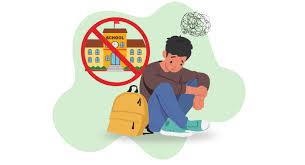


Article: School refusal: children and teenagers

Gallery Image

Key points

  • School refusal is when children get very upset about going to school, and they won’t or can’t go.
  • Children might refuse to go to school because of worries about leaving home, learning difficulties, social challenges or other reasons.
  • The best way to get children back to school is by working with the school.
  • If school refusal is related to anxiety or depression, children might also need mental health support.
  • It’s good to acknowledge children’s feelings about school, but let them know that you expect them to go back to school.


                                                            The read follow the link