
KITE

Eyes on the Future: A Culture of Collective Thought Leadership
When teachers view teaching [as] a collective endeavour, they are more likely to take risks, engage in innovative practices, develop a greater sense of efficacy, be more confident and empowered in their teaching, and increase their motivation… Not surprisingly, student outcomes also improve dramatically - Dr. Ron Ritchhart, 2023, p.128
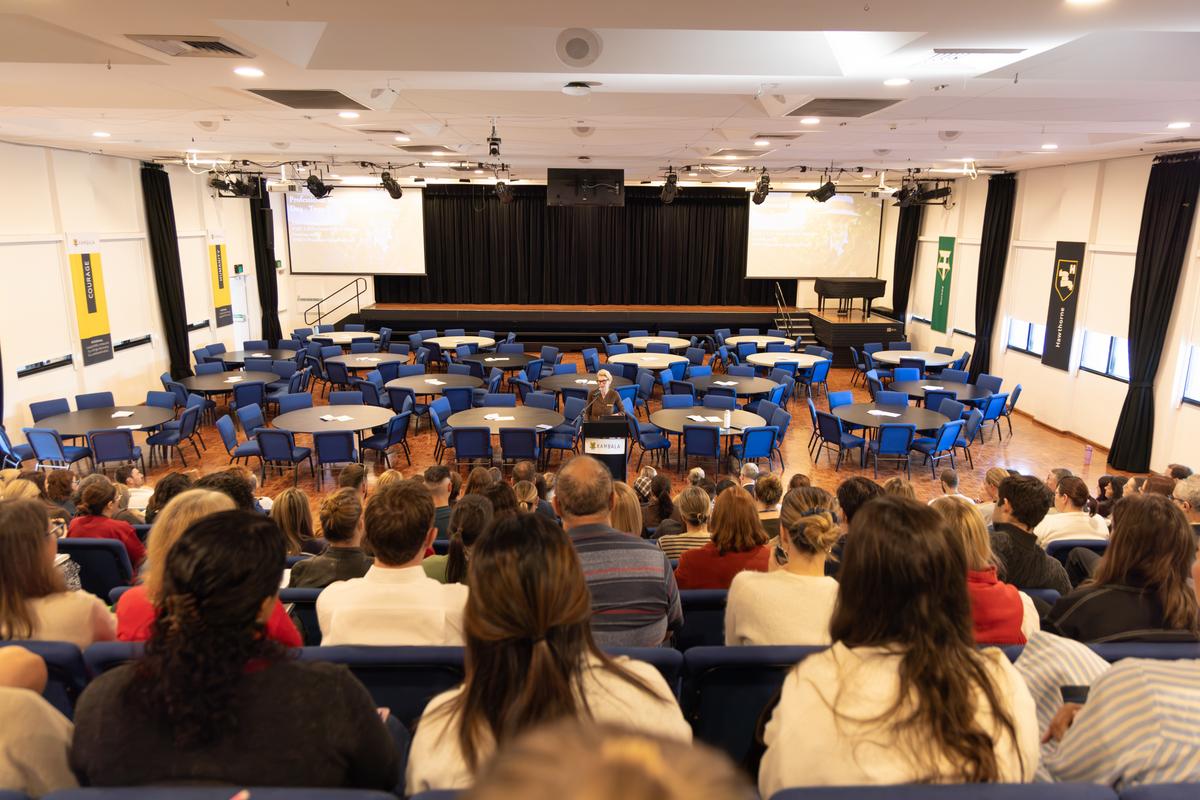
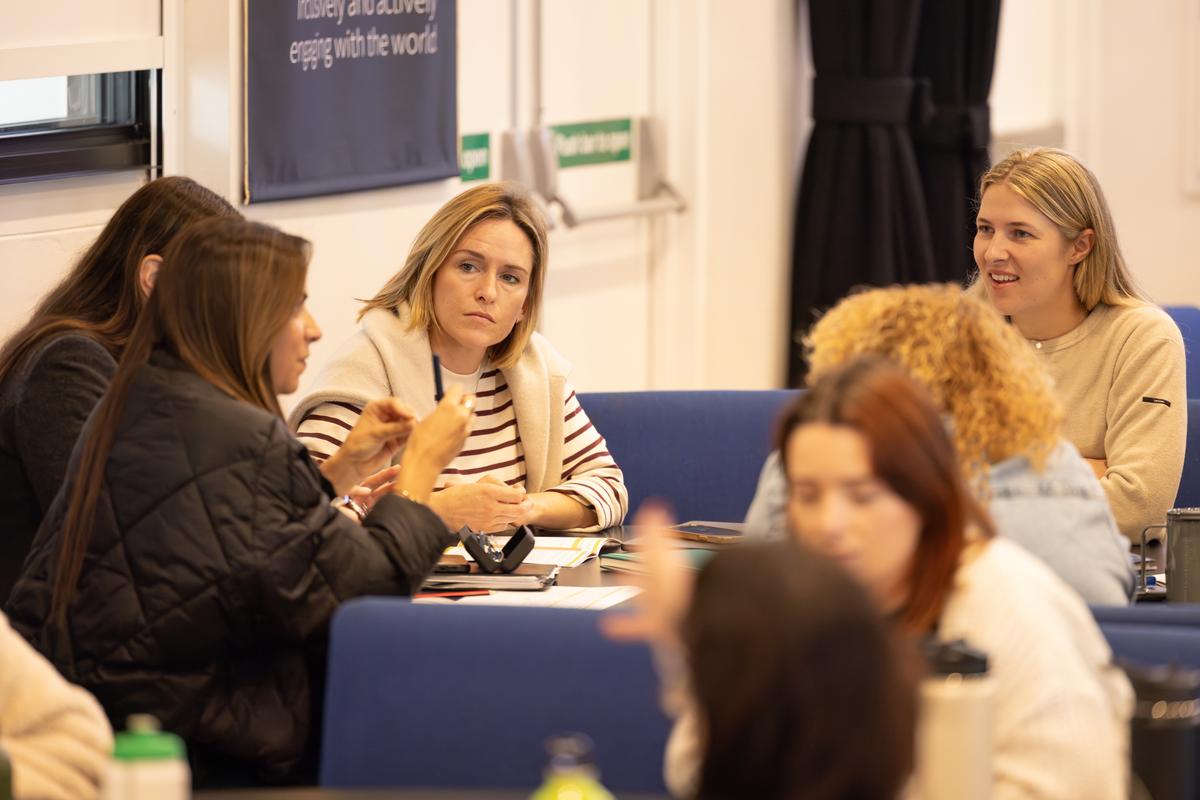
Our Term 2 Professional Staff Development Day placed collaboration at the centre of our thinking, inviting our teachers to engage deeply with a series of provocations designed to challenge assumptions about the future our students will inherit. With an emphasis on educating students “for their future, not our past,” (Schleicher, 2018) our Kambala Learning Groups interrogated readings that spanned across subject areas, such as AI educator bots, digital dementia in young people, and evolving conversations about women’s rights and the law. These served as prompts to consider implications for the classroom, designing interventions that support our students to nurture the key dispositions required to be future ready. The day was another display of the Kambala collaborative magic that emerges from a “greater sense of [collective] efficacy”.
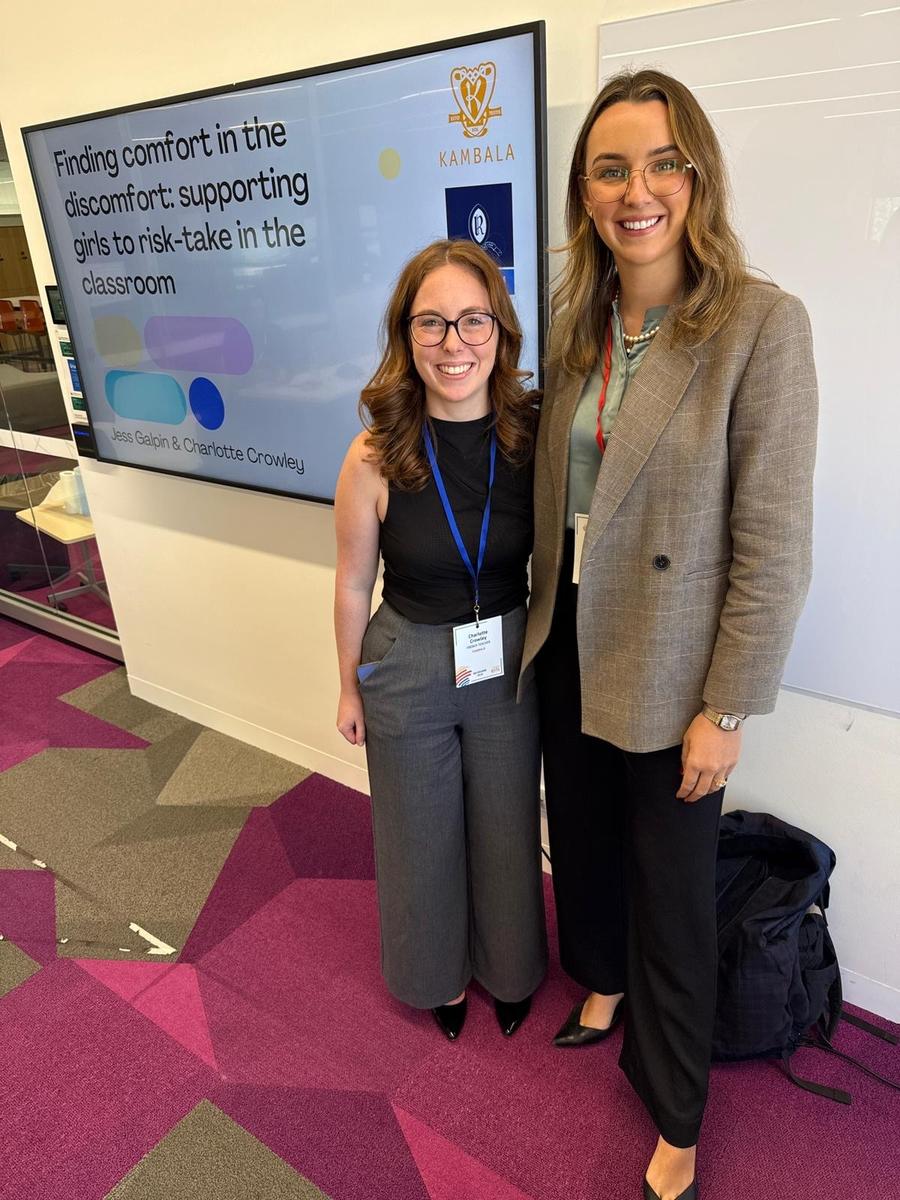
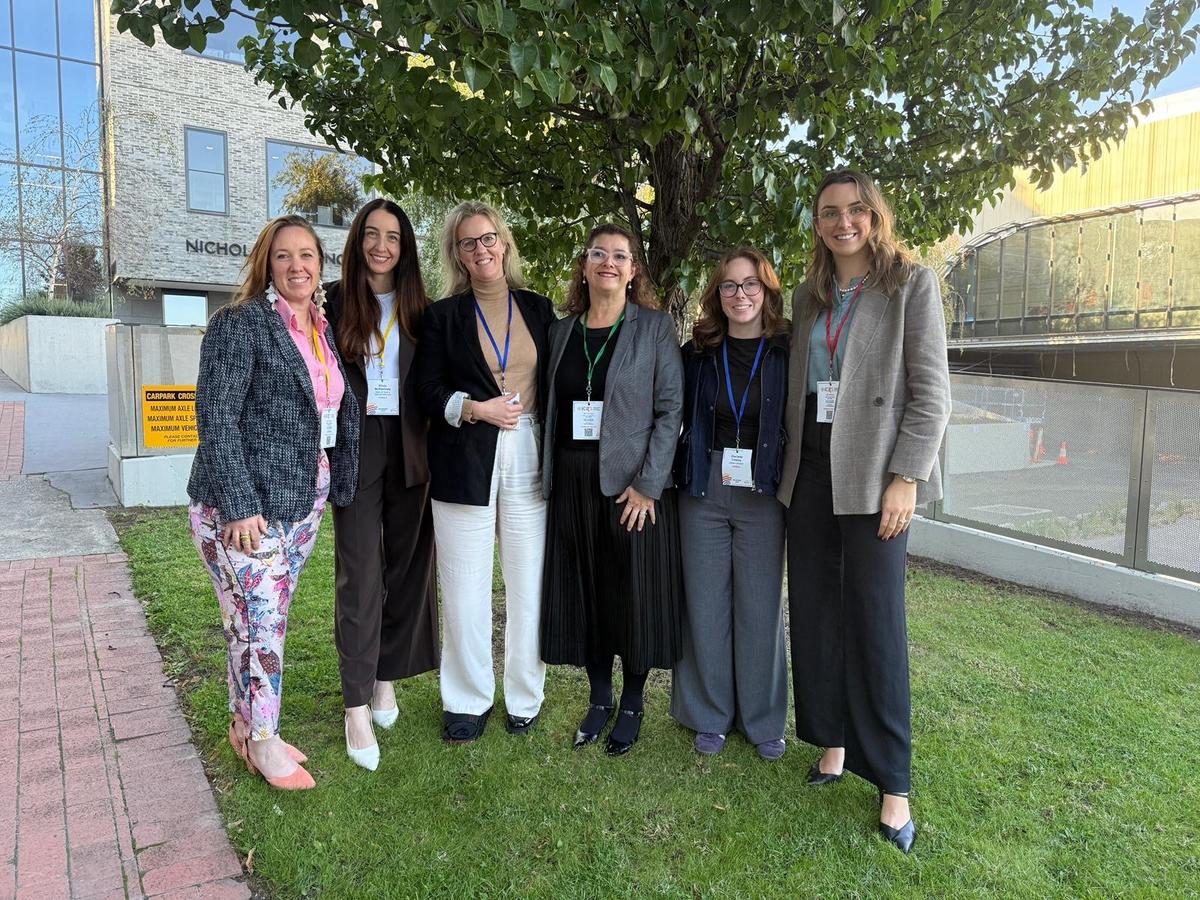
The commitment to shared inquiry extends beyond our campus. Our second iteration of the Kambala–Ruyton Action Research Alliance culminated in an inspiring showcase of practitioner research, with Olivia McAtamney, Jess Galpin, and Charlotte Crowley presenting their findings at the International Coalition of Girls’ Schools Symposium, Melbourne. Their work, centred on strengthening student agency and risk-taking, reflects a deliberate shift towards classrooms that privilege courage, experimentation, and growth. It is fitting that this research has also been recognised on a broader educational stage, with all three educators presenting with their Ruyton research colleagues - an affirmation of the strength of our collaborative model.
At the same symposium, our Leader of Digital Innovation and Strategy, Olga Ibrahim, amplified Kambala’s presence as a thought leader with her presentation on the future of AI and girls’ education. Highlighting the significant underrepresentation of women in AI (with currently only 25–30% of the workforce and less than 15% in senior leadership), her work underscored both the urgency and responsibility of girls’ schools in this space. By foregrounding Kambala’s whole-school Digital Strategy and structured AI literacy program, Ms. Ibrahim articulated a clear vision for our students to be actively shaping the evolving technological landscape.
Together, our staff day, action research alliance, and contributions to global conversations reflect a unified direction. At Kambala, we are using collaboration, research, and intentional design to “engage in innovative practices” that ensure our students are supported to be future-ready.
Ms Lauren Walsh
Executive Director - Professional Practice and Learning Culture (KITE)
CGS Symposium
CGS Symposium
CGS Symposium
CGS Symposium
Staff Day - Term 2
Staff Day - Term 2
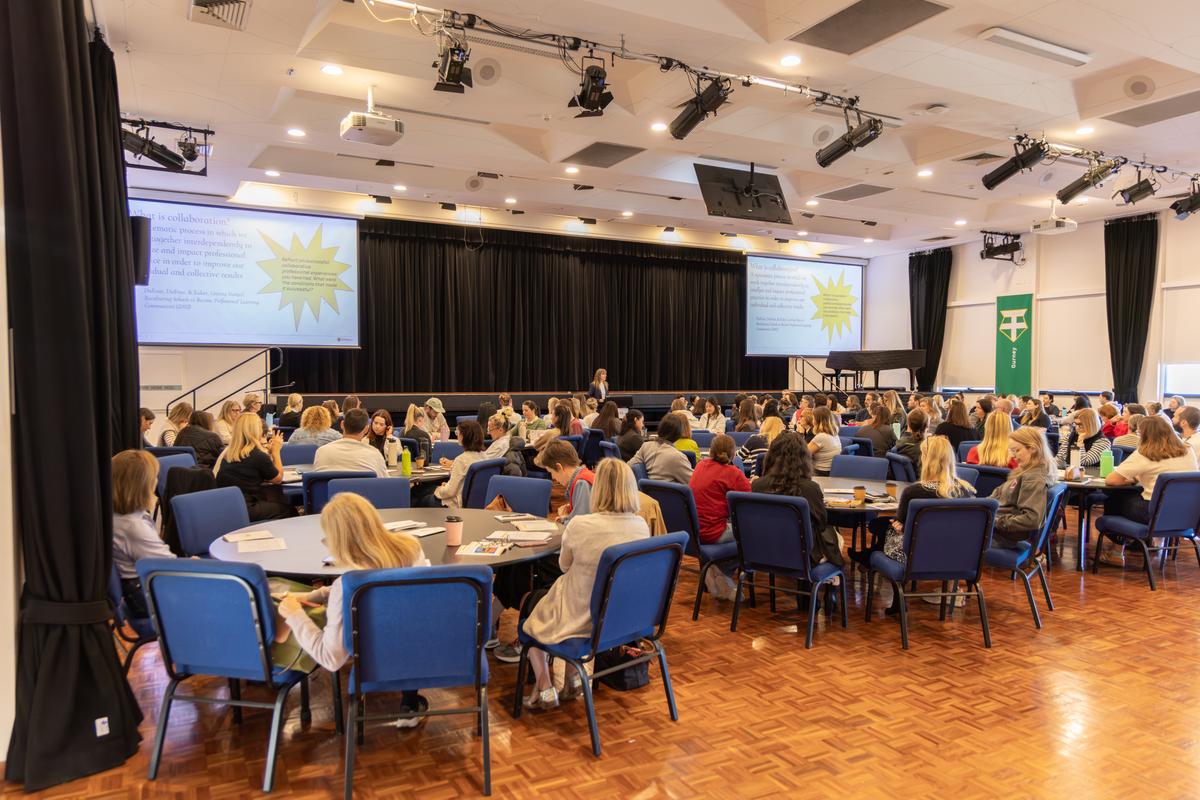
Staff Day - Term 2
Staff Day - Term 2
Staff Day - Term 2
Staff Day - Term 2