Senior School
First for Kambala at the HTANSW History Extension Essay Prizes
Kambala students achieved outstanding success at the History Teachers Association of NSW History Extension Essay Prize, announced at the HTANSW High Achievers Awards Evening held at the Chau Chak Wing Museum at the University of Sydney. Anna Mavrakis was awarded First Prize and Anna van Gelder received the Runner-Up prize in the overall state competition. Each school is permitted to submit a maximum of two essays to the judging panel, and that both Kambala entries were recognised, receiving First Prize and Runner-Up, is a first for the school and a remarkable achievement.
Anna Mavrakis was awarded First Prize for her essay, “Sanitised History: The CIA’s historical accountability in Guatemala – Assess how conflicting objectives of national security and freedom of information have shaped the CIA’s official historical record of the 1954 Guatemalan coup.” Anna van Gelder received the Runner-Up prize for her essay, “The Voice of Silence – To what extent can historical fiction be reconciled with the empiricist demands of Western historiography to serve as a valid source of historical knowledge in addressing the ‘Great Australian Silence’?” Both essays will be published this year in the History Teachers Association of NSW journal Teaching History, an outstanding recognition of the quality of their work.
In History Extension, students undertake a major independent research project of 2500 words on an issue of historical contestability and interpretation. The project requires students to develop a proposal, evaluate the significance of sources, maintain a log of their research and thinking process, and produce a fully referenced historiographical essay. The History Project is a demanding task that requires independence, critical thinking, and sustained research over many months.
In her acceptance speech, Anna Mavrakis spoke about the ongoing politicisation of history and argued that the CIA should be understood not only as a security organisation, but also as a repository and gatekeeper of archival material. Her reflections connected closely with the address given by guest speaker Professor Julia Kindt, who spoke about the challenges historians face in the pursuit of truth, and how the search for truth remains both history’s greatest challenge and its greatest quest.
Reflecting on the experience, Anna Mavrakis thanked the Kambala History Department for its ongoing support throughout the research process. Both Anna Mavrakis and Anna van Gelder also undertook Modern History, and their commitment and enthusiasm contributed to the outstanding learning environment across both History Extension and Modern History classes within the cohort.
Anna and Anna can be incredibly proud of their achievements. Their success is a testament to the deep thinking, intellectual curiosity and exhaustive research they brought to topics about which they were deeply passionate, and we are enormously proud of what they have accomplished.
Mr David Van Tol
Head of History, Philosophy and Religious Education
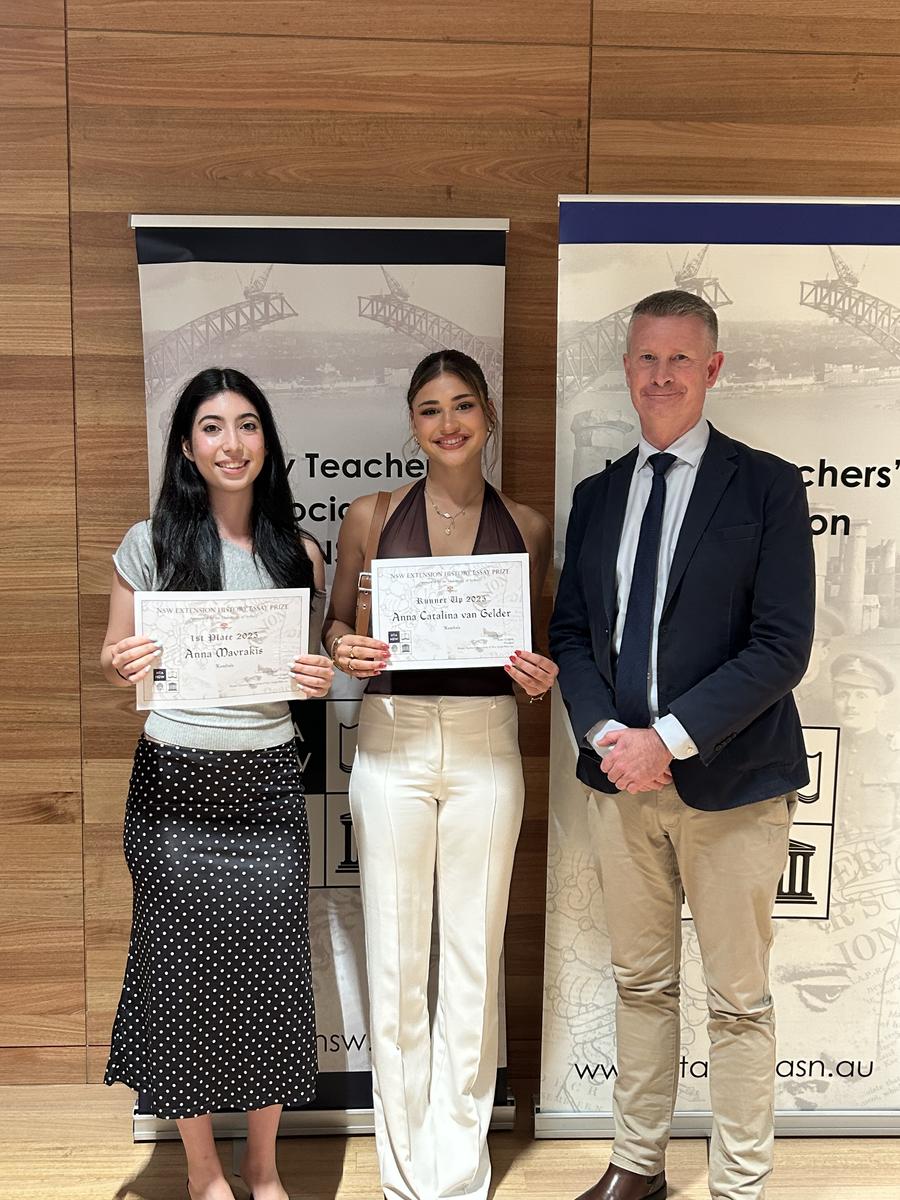
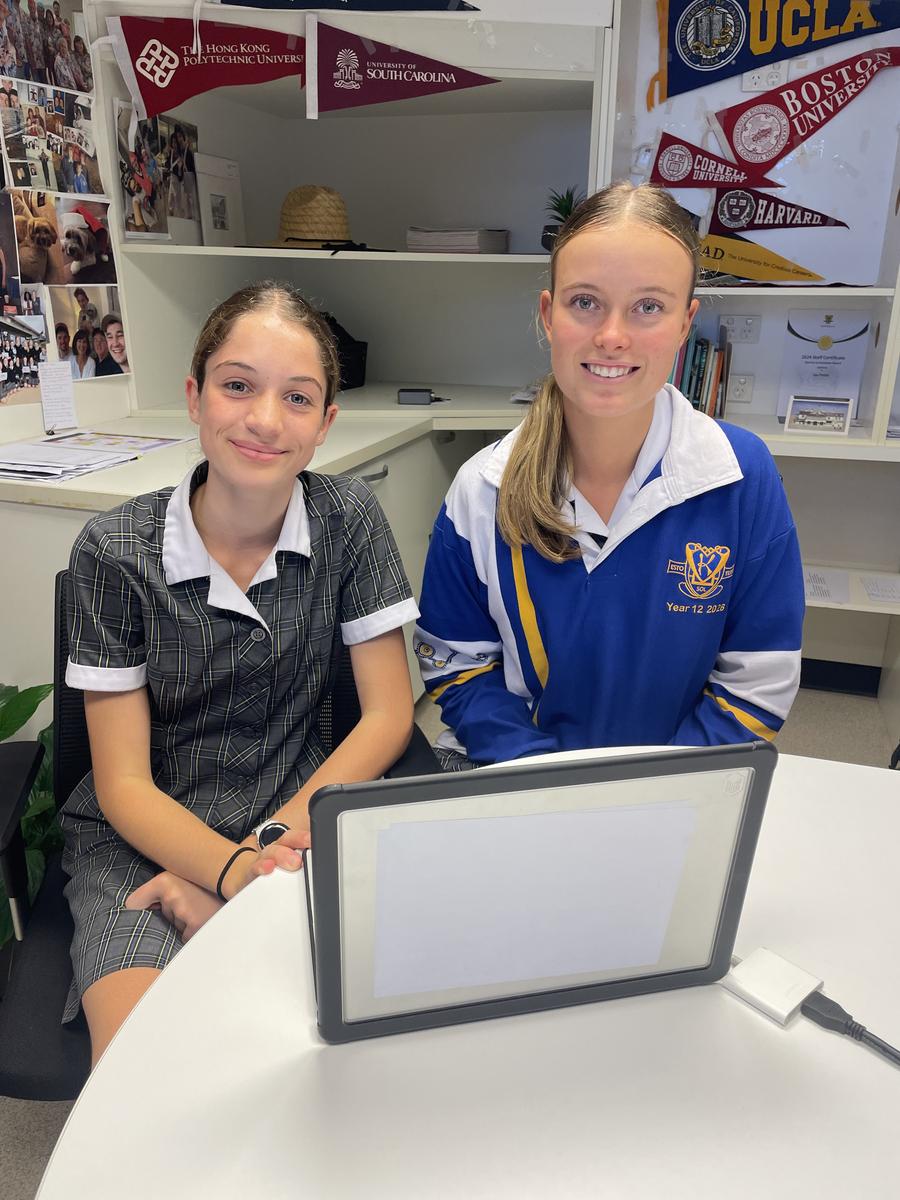
Anna M, Anna v G and David Van Tol
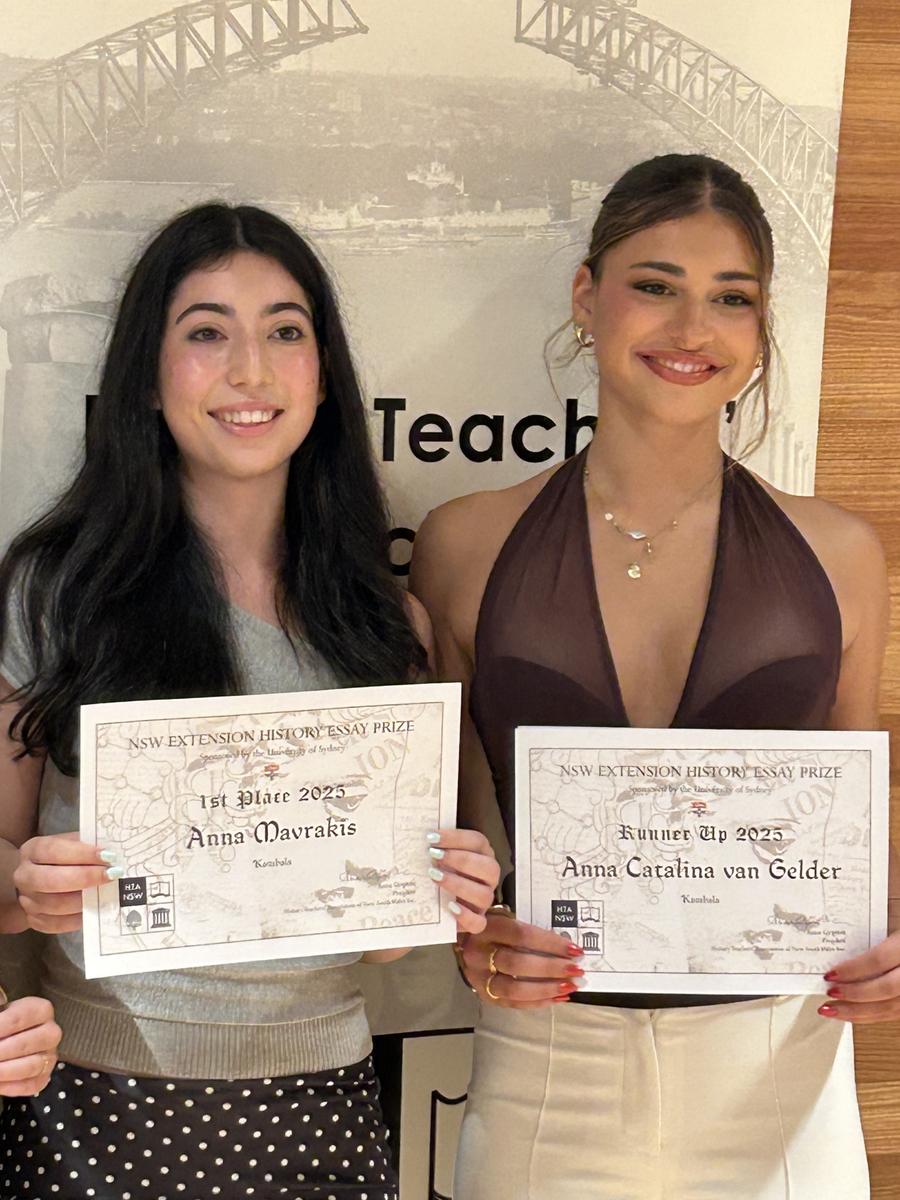
Anna M, Anna v G and David Van Tol
Cosy Companions - an initiative by Skye Wells - Year 11
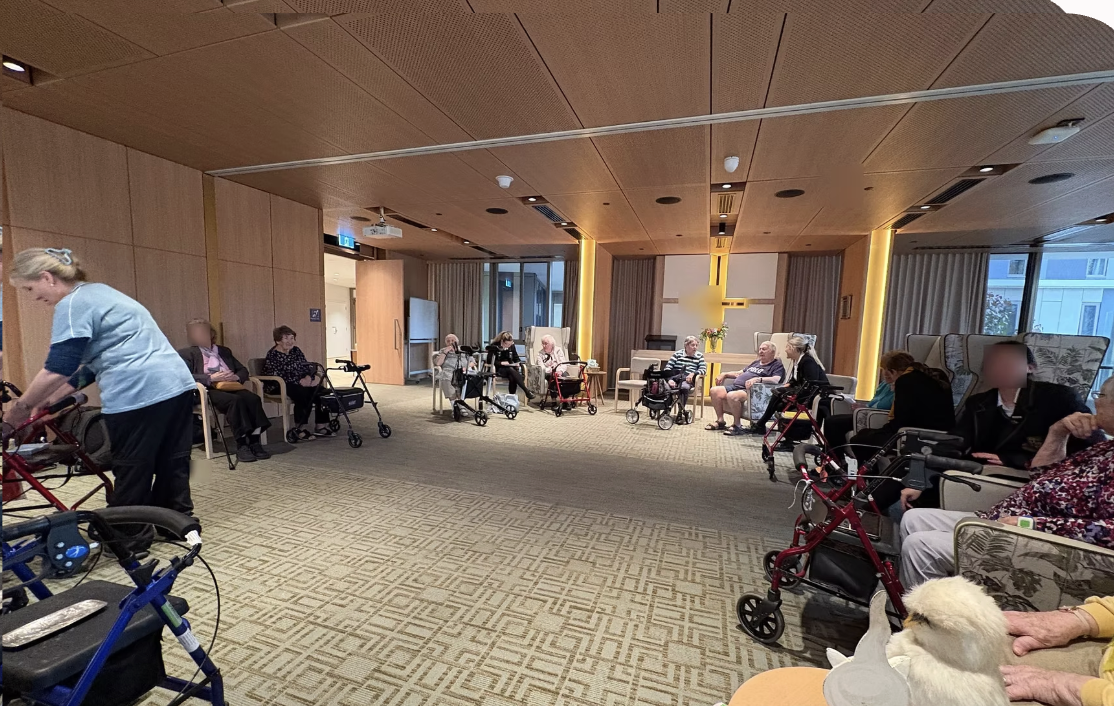
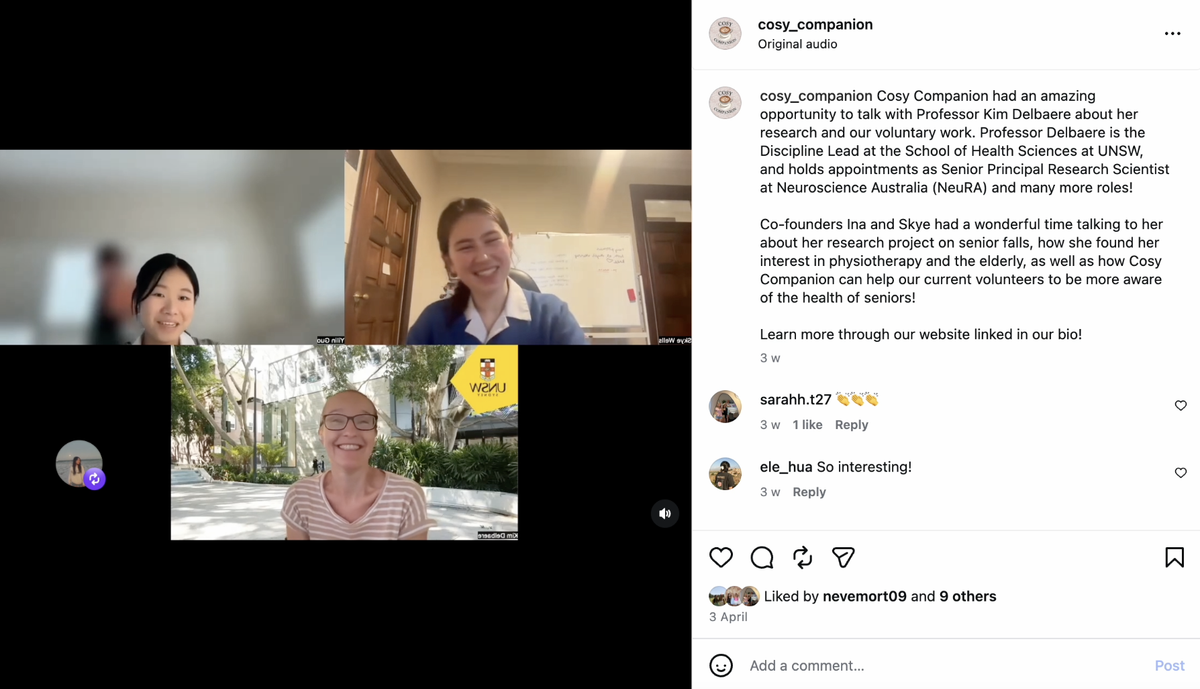
Every year, 40% of aged care residents go a full year without a single visitor. It’s a problem Kambala student Skye Wells and Abbotsleigh student Ina Guo noticed in their local community and decided to do something about.
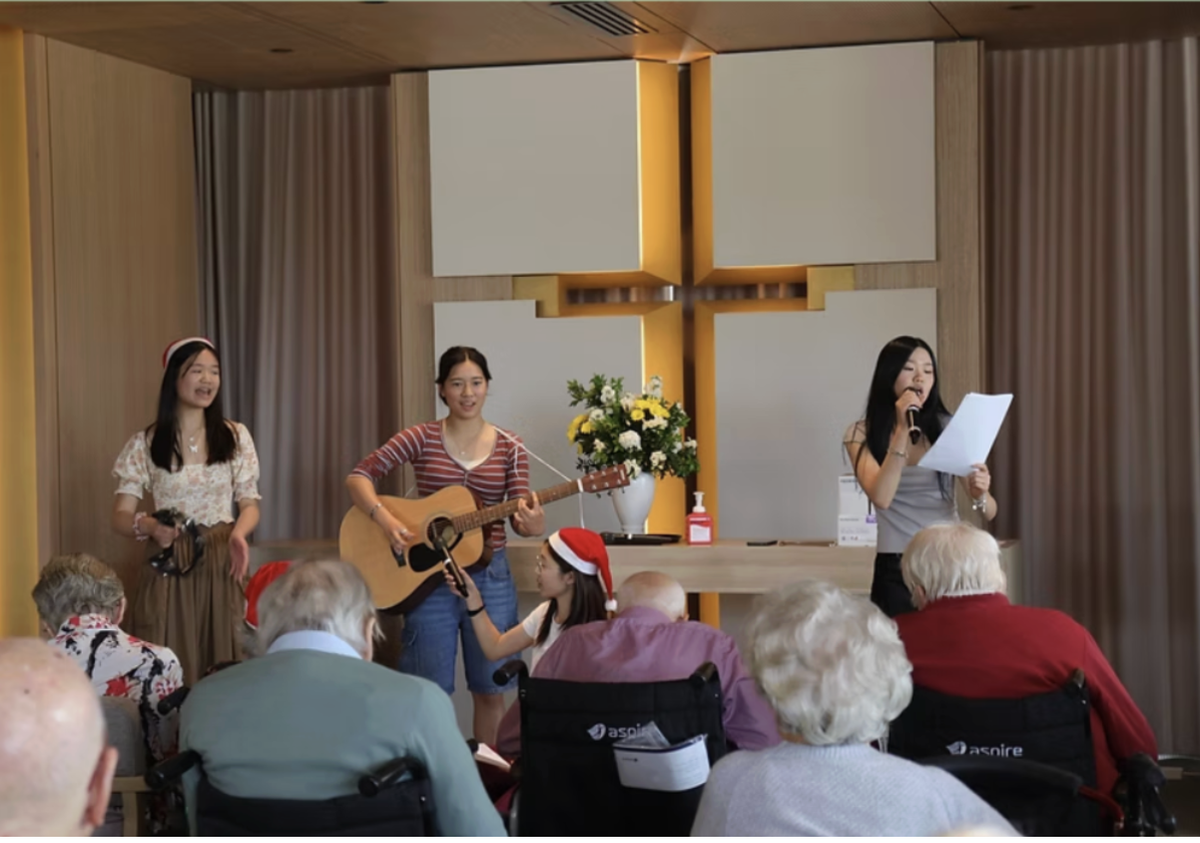
Cosy Companion is a youth-led non-profit that facilitates connection between young people and the senior community through nursing home visits, rural pen-pal programs, social media advocacy, and partnerships with other youth organisations.
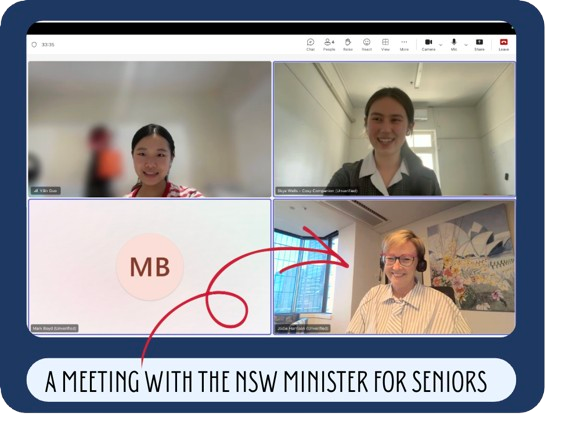
Since launching, we’ve established chapters across seven Sydney schools, including Kambala (feel free to ask the Year 11’s about their experience volunteering!), and developed a research collaboration with UNSW’s Professor Delbaere on falls prevention. Additionally, we’ve worked with the Australian government to advocate for the rights and wellbeing of older Australians.
Want to get involved? Head to cosycompanion.org, follow us on Instagram at @cosycompanion - or come find me at school for a chat!
Skye Wells
Year 11
Kambala - A Connected Community
In an era defined by the emerging ability of AI, research overwhelmingly continues to inform and direct us as educators that human connection and a sense of belonging is a key factor in improving student outcomes. Fostering a sense of belonging among students is crucial for their engagement, academic success and overall wellbeing. Belonging and connectedness as peers and to our community is a key contributor to the development of many of the programs that define the Kambala educational experience. One that aims to foster inclusion, support, collaboration and sisterhood.
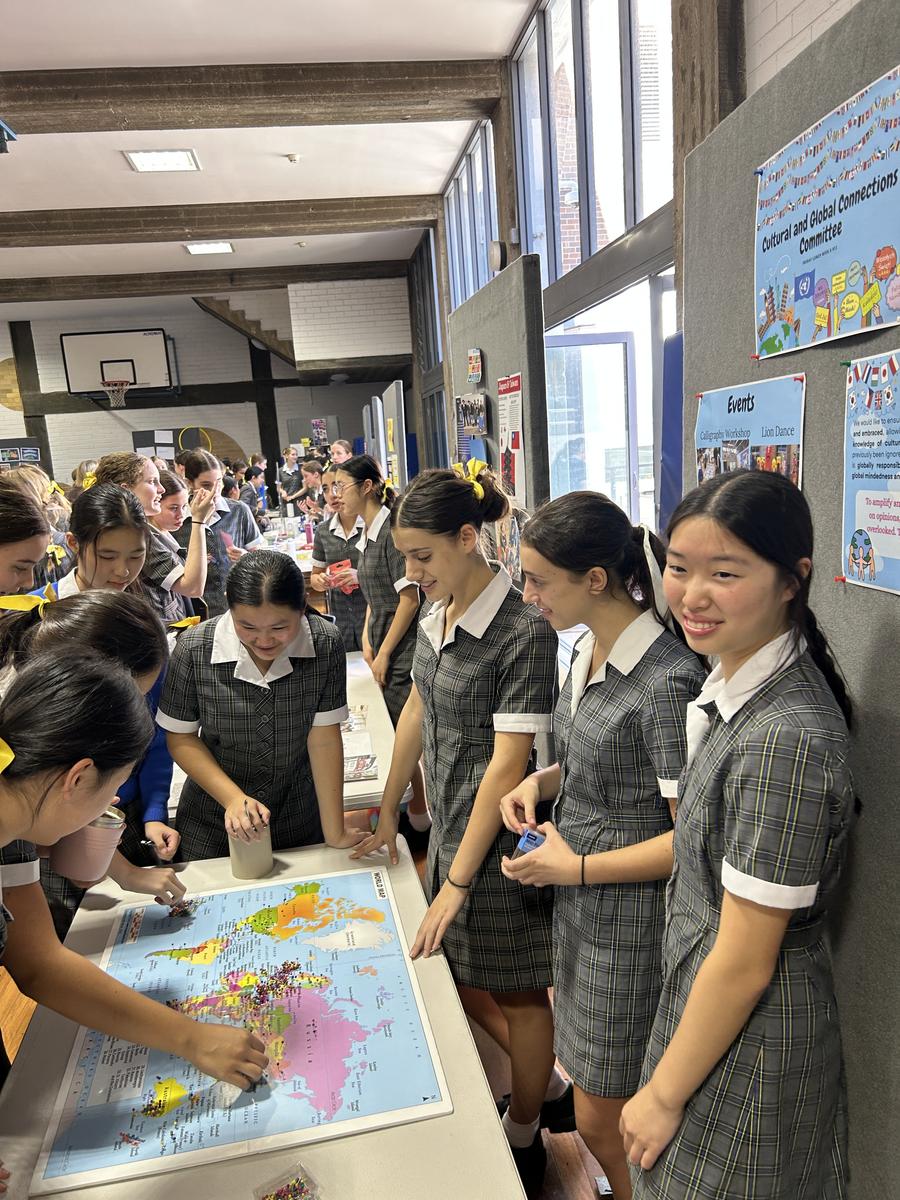
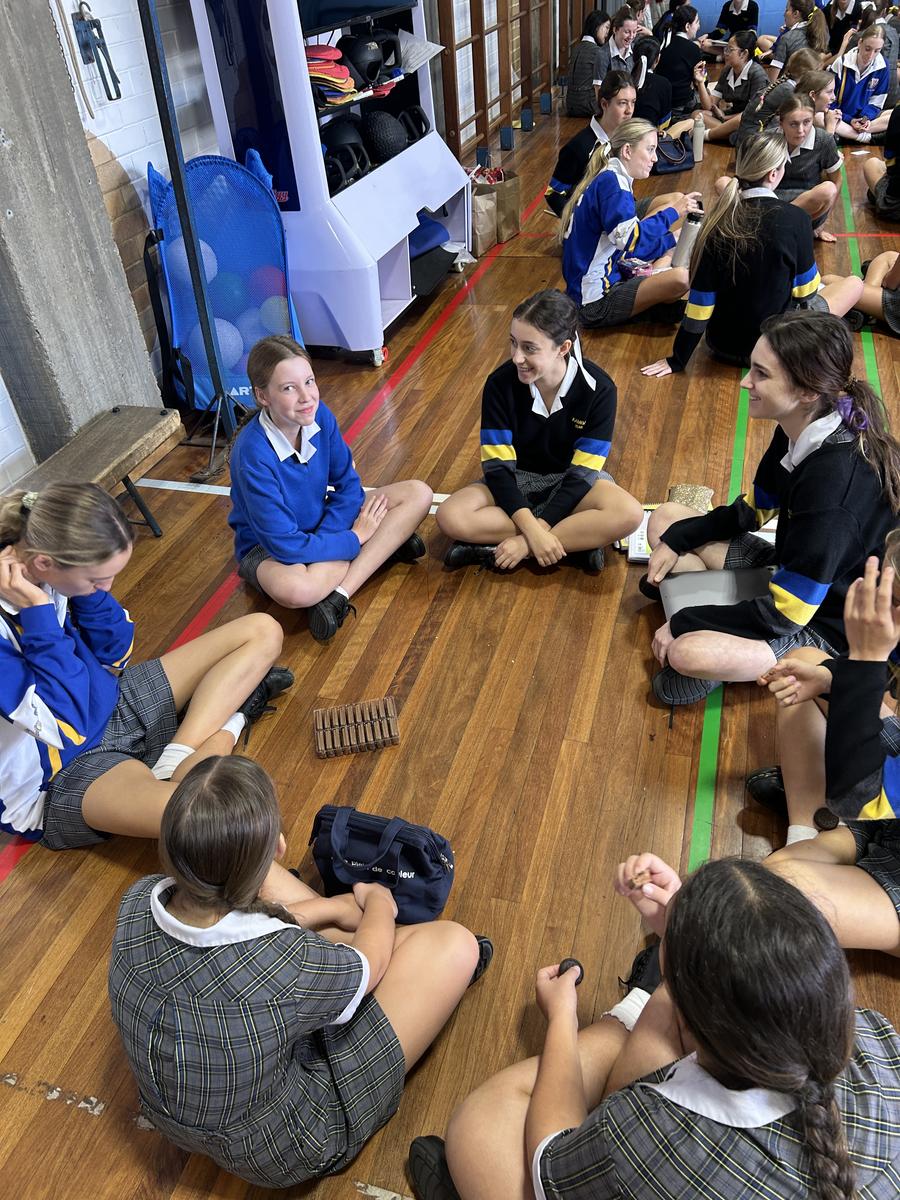
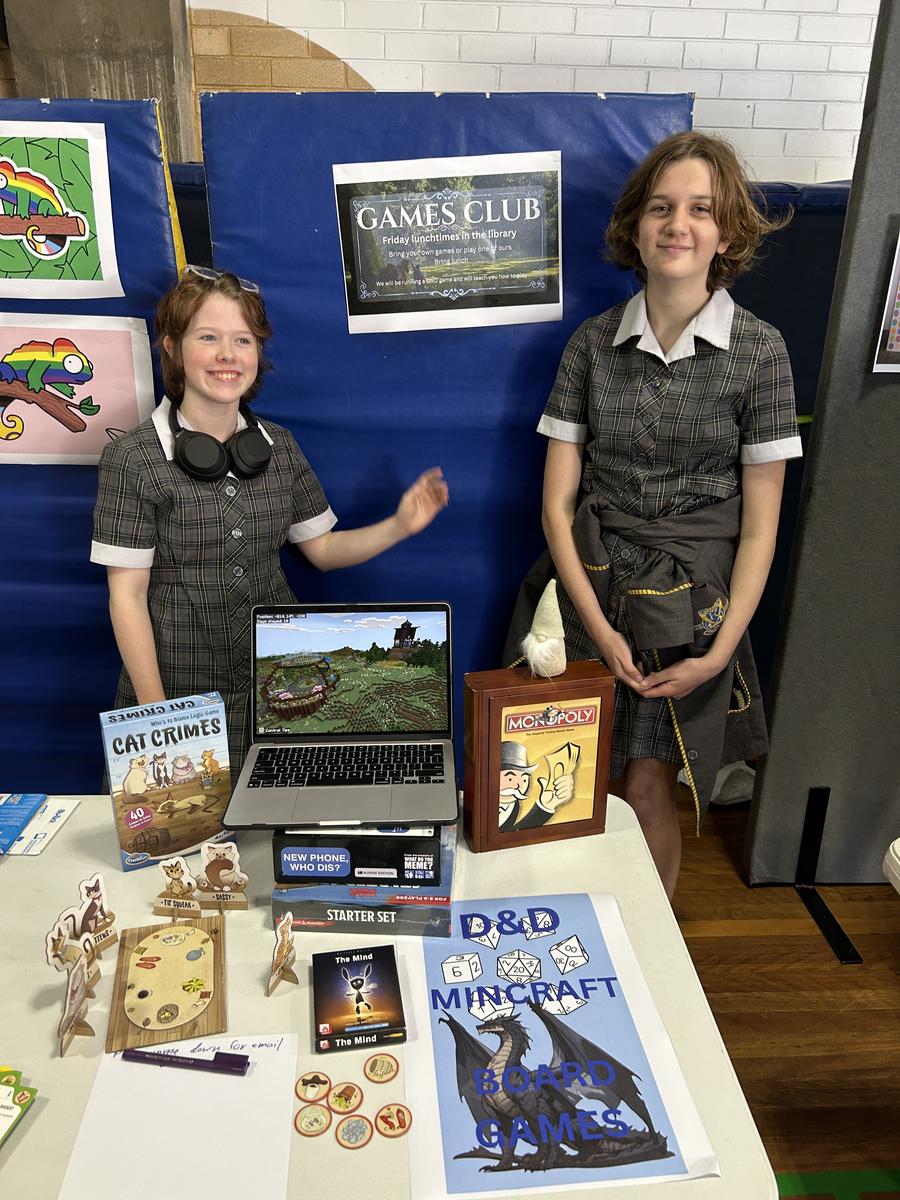
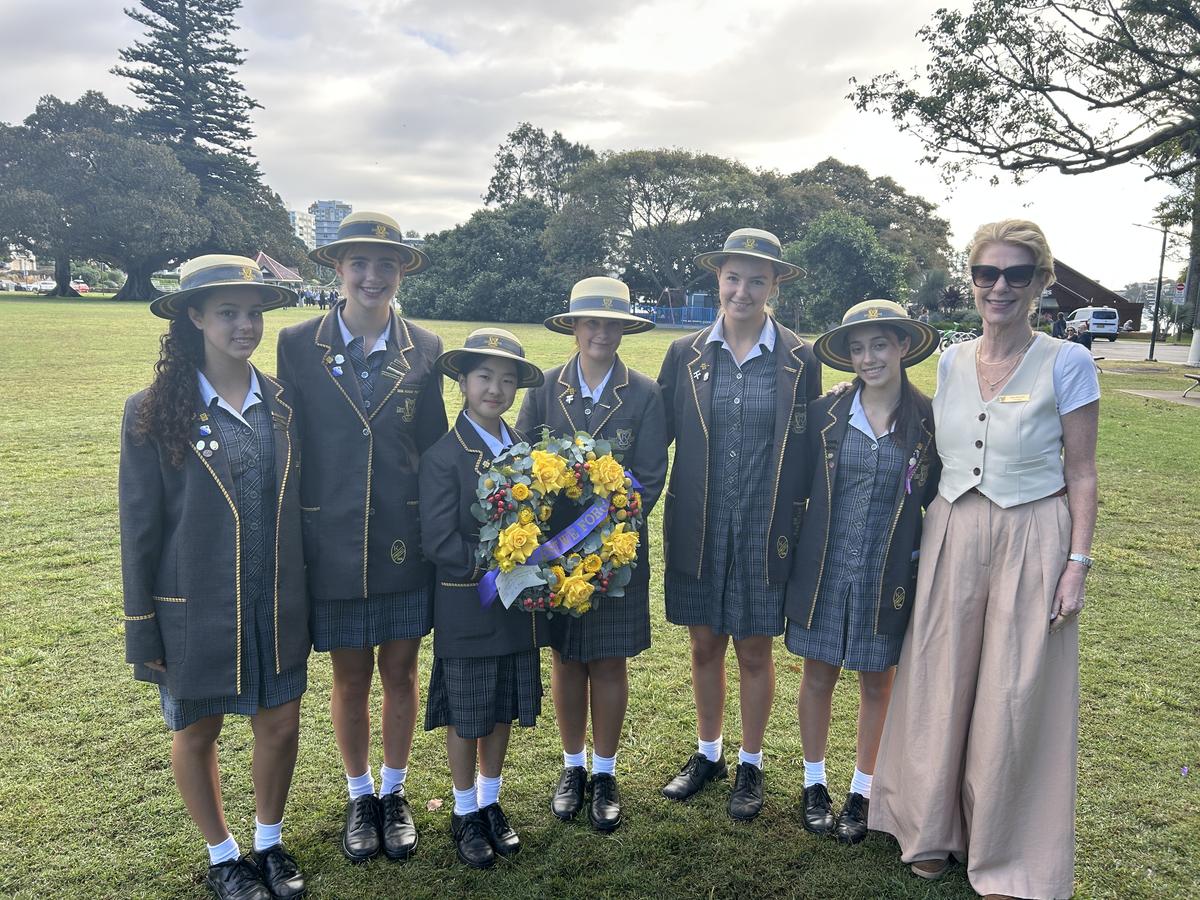
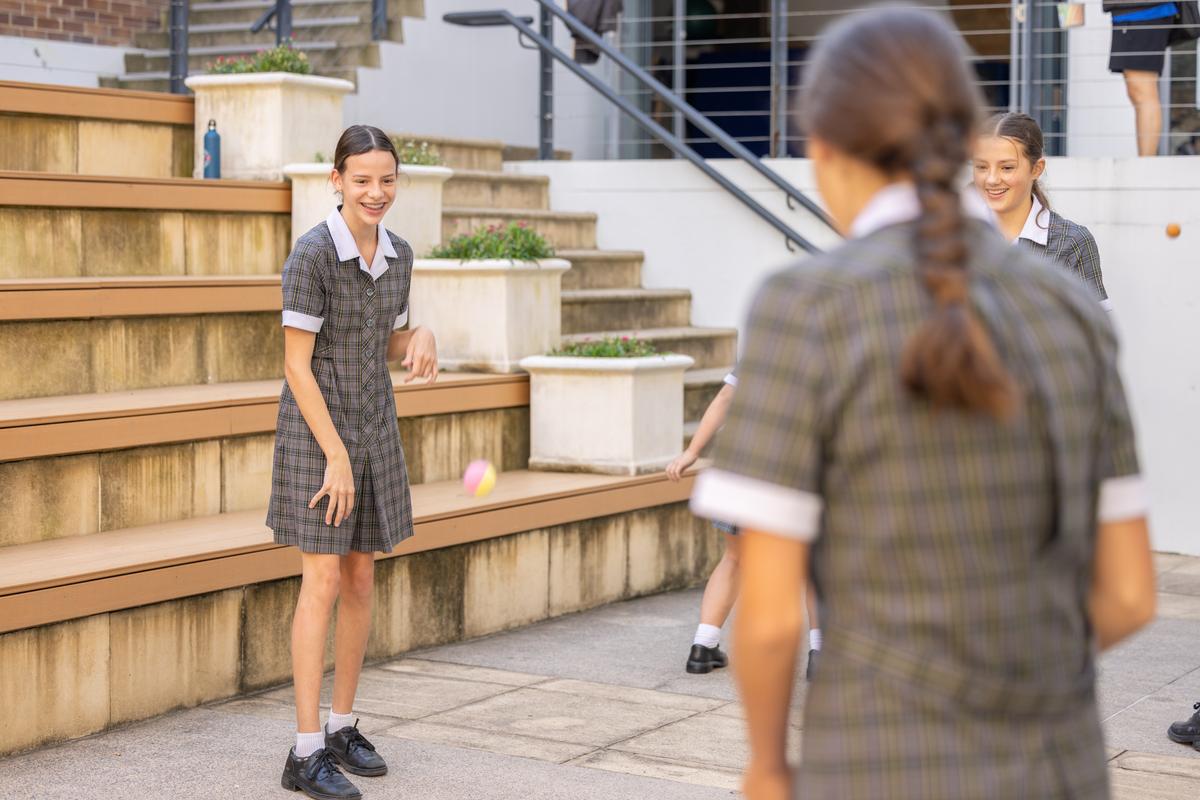
Student voice and agency is a driving force to these experiences as your daughters know what authentic connection looks and feels like, particularly in their ‘girl world’. In the Kambala Senior School there has been and continues to be many opportunities for students to be involved in and contribute to our wonderful, connected school community both during the school day and beyond. There have many moments of connection already this year, including the Committee’s and Clubs Fair organised and led by the Year 12 Prefects. The end of Term 1 Big Sister, Little Sister Cookies and Catch up. The Year 10 Peer Mentors and Year 7 House handball session, the 2026 Inter-House Theatre Sports Festival and the Woollahra Council ANZAC Day Wreath Laying Ceremony just last weekend.
When we consider who we want our young people to be in an ever-changing world, our hope is that the young women of Kambala are compassionate and recognise that their participation matters to create a connected community, ready to be the leaders of change for all.
Julie Laytham
Head of Student Life
Year 11 IB Biology Excursion
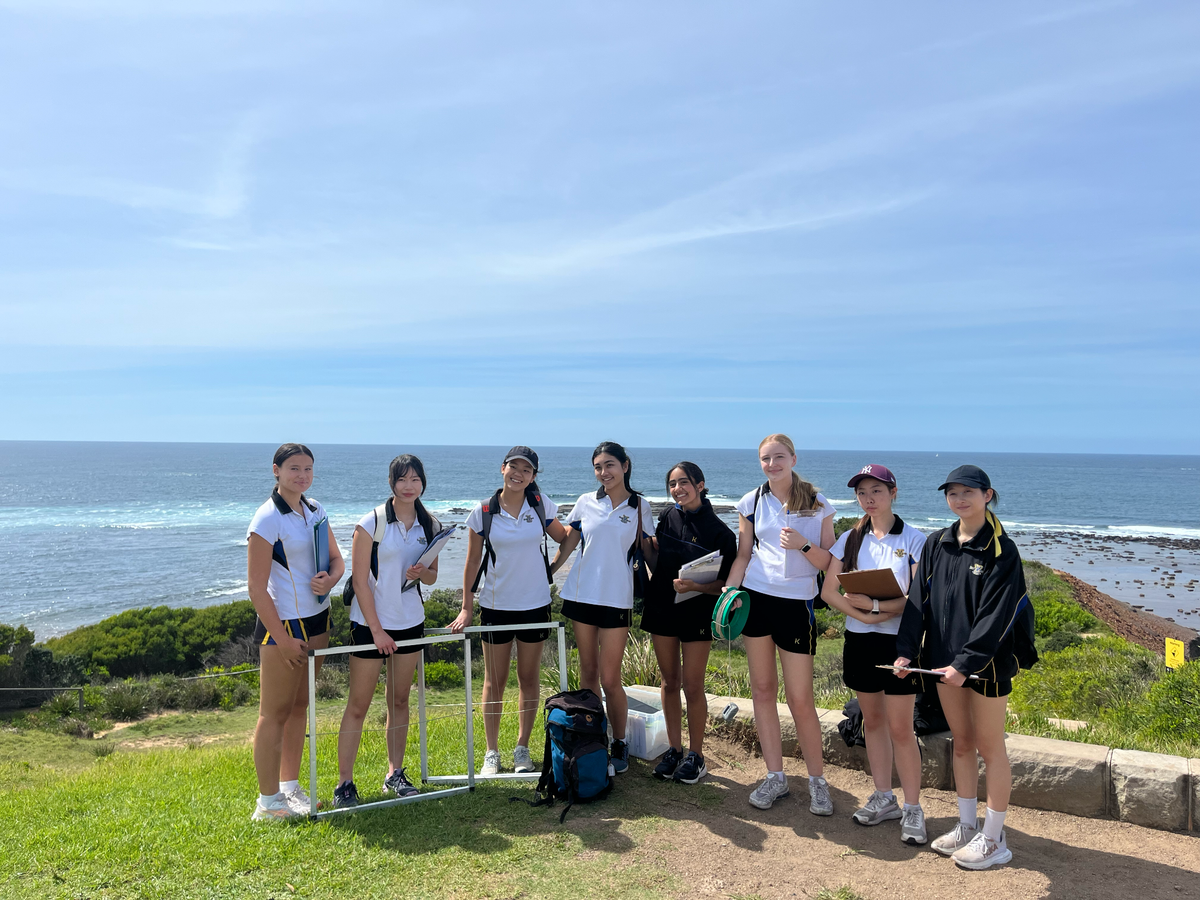
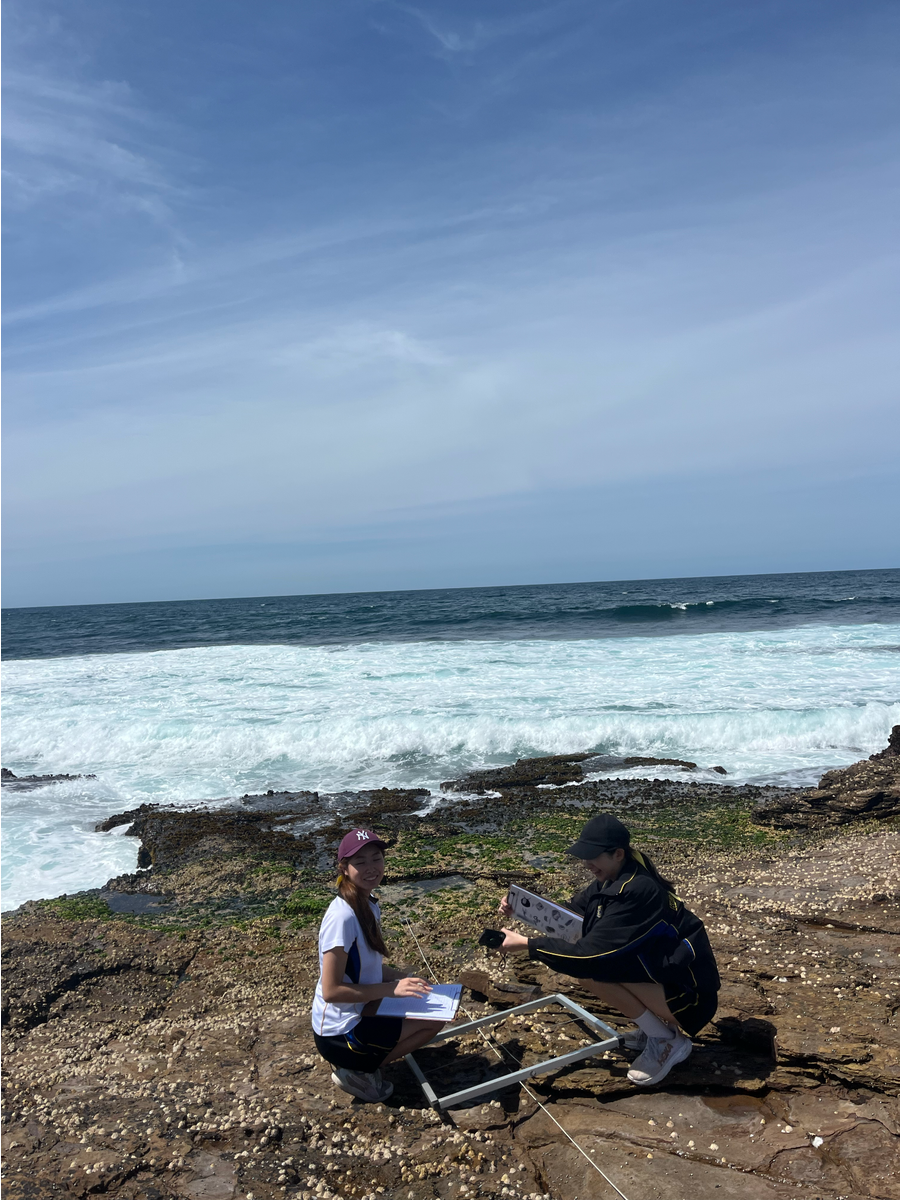
On Monday 16th March, our Year 11 IB biology class hopped on a bus and travelled up to Long Reef to practice sampling methods. We started the day learning about the different littoral levels of the rock platform, which dictate the level and frequency that the area is covered by high tide – these are supralittoral, littoral and sublittoral.
In the morning, after meeting our guide, Jenny, the tide was still high so none of the rock platform was visible. However, we did observe some cool foil boarding enthusiasts. Our class went down to the beach and collected seawater to calculate its pH and salinity, where we were able to practise using a range of specialised equipment.
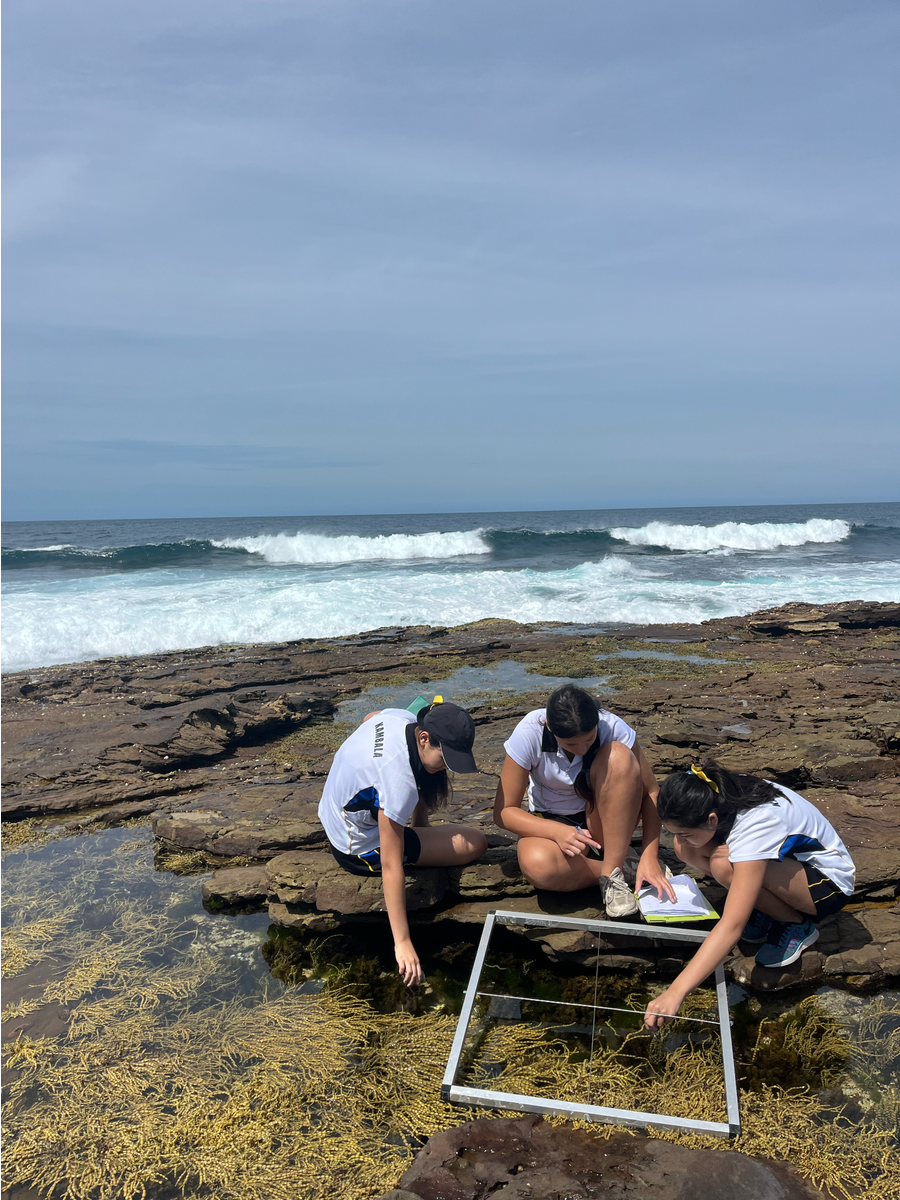
Later on, we had the opportunity to come up with our own research projects in small groups, where we had opportunities to try a variety of different sampling and measurement techniques – these included quadrat sampling and transect sampling, as well as using refractometers and pH metres to strengthen our results. On the rock platform, we enjoyed exploring rock pools and discovering limpets, knobbling winks, and the huge diversity of species within them.
After collecting our data and samples, we explored the marine life on the rock platform. Lifting up rocks, we found fire worms, starfish, crabs, and sea slugs, which we were able to pick up and observe. Of course, as true ethical scientists, we returned these creatures to their habitat so we could prevent any damage to the reserve and took many photos of the scenery and these exquisite animals!
Overall, we found this to be a very enjoyable experience which really strengthened our understanding of the importance and methodology of sampling in biology!
Sarah Tay, Tara Chen and Kalia Finou
Year 11 IB
Emily Grace Year 12 Interview - The Women's College Formal Dinner
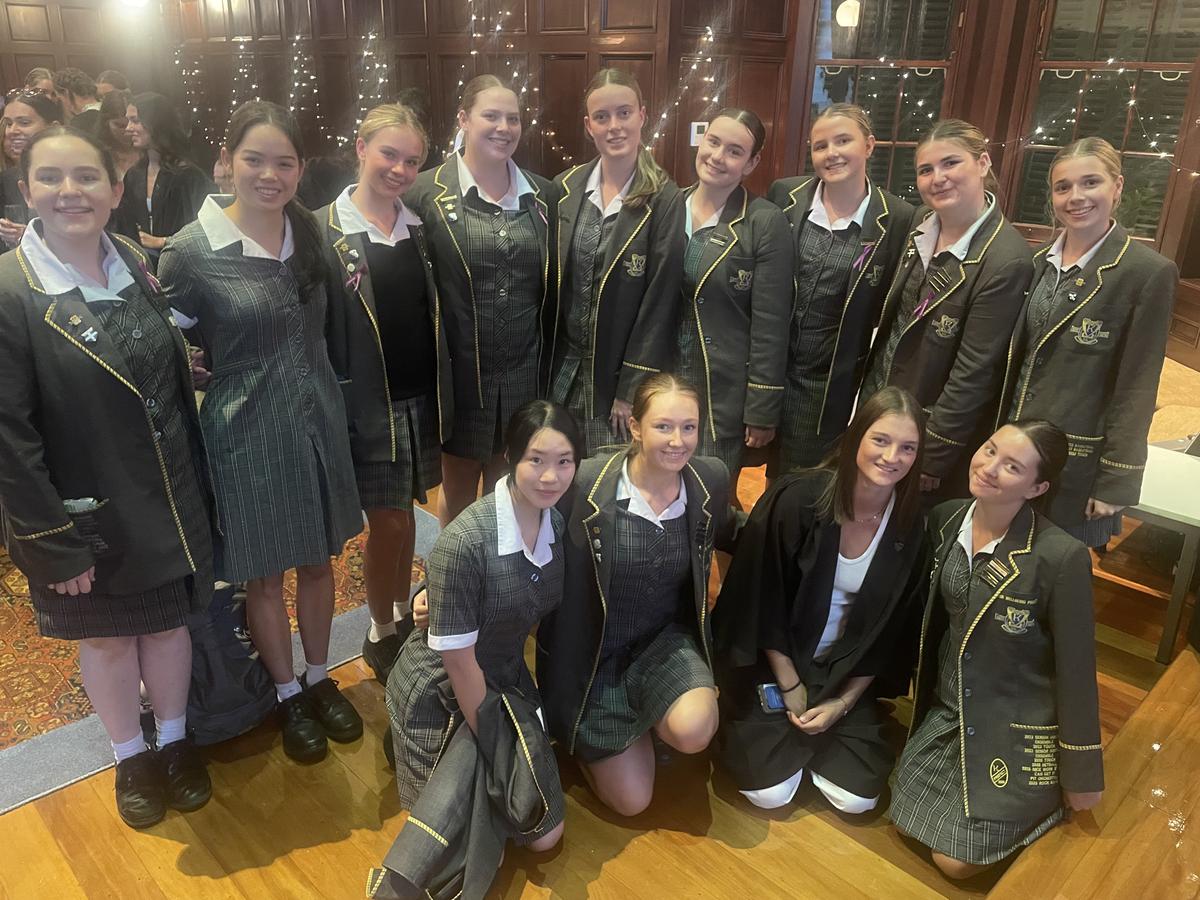
I recently interviewed current Year 12 student, Emily Grace about her experience at the Women’s College Formal Dinner at the University of Sydney. This dinner is held to enable current Year 12 students across NSW to learn more about the University in the lead up to applying.
1. What are you thinking about doing after school?
I began considering my future as early as Year 8, already certain that I would pursue a career in medicine. From that point, I have set my sights on becoming a surgeon, with a particular interest in specialising in ENT.
2. What did you do at The Women’s College Formal Dinner at University of Sydney?
At the University of Sydney, the Women’s College hosts formal dinners to welcome prospective students and give them a taste of university life. The night began with a tour around the facilities, separated into smaller groups, the girls were able to immerse themselves in the college. They then came back to the bigger group to have pre-dinner drinks, where they mingled with professors, old girls, and students staying in the Women’s College. During the formal dinner they heard announcements and upcoming events, followed by the "Spoon Ceremony". Emily said, “it was basically like the Official Party entrance at Assembly,” but instead of silence, they were banging spoons. It was a great way to network with those at the college, and to get a glimpse into university life and residency.
3. When did you start thinking about your future, including exploring future pathways, and researching universities and colleges?
I started in Year 8, which is quite early, but I knew what I wanted to do. That being said I understand that not everyone has an understanding as to where they want to head or what they want to do. I would recommend starting to think about it seriously in Year 10.
If you know what you want to do, you should start as soon as possible; making meetings with Mr Pettit and researching universities.
I really appreciated Emily taking the time to chat with me about her experience.
Natalia Desmond
Year 10 Future Pathways Ambassador
Year 10 Visual Arts - Oil Painting
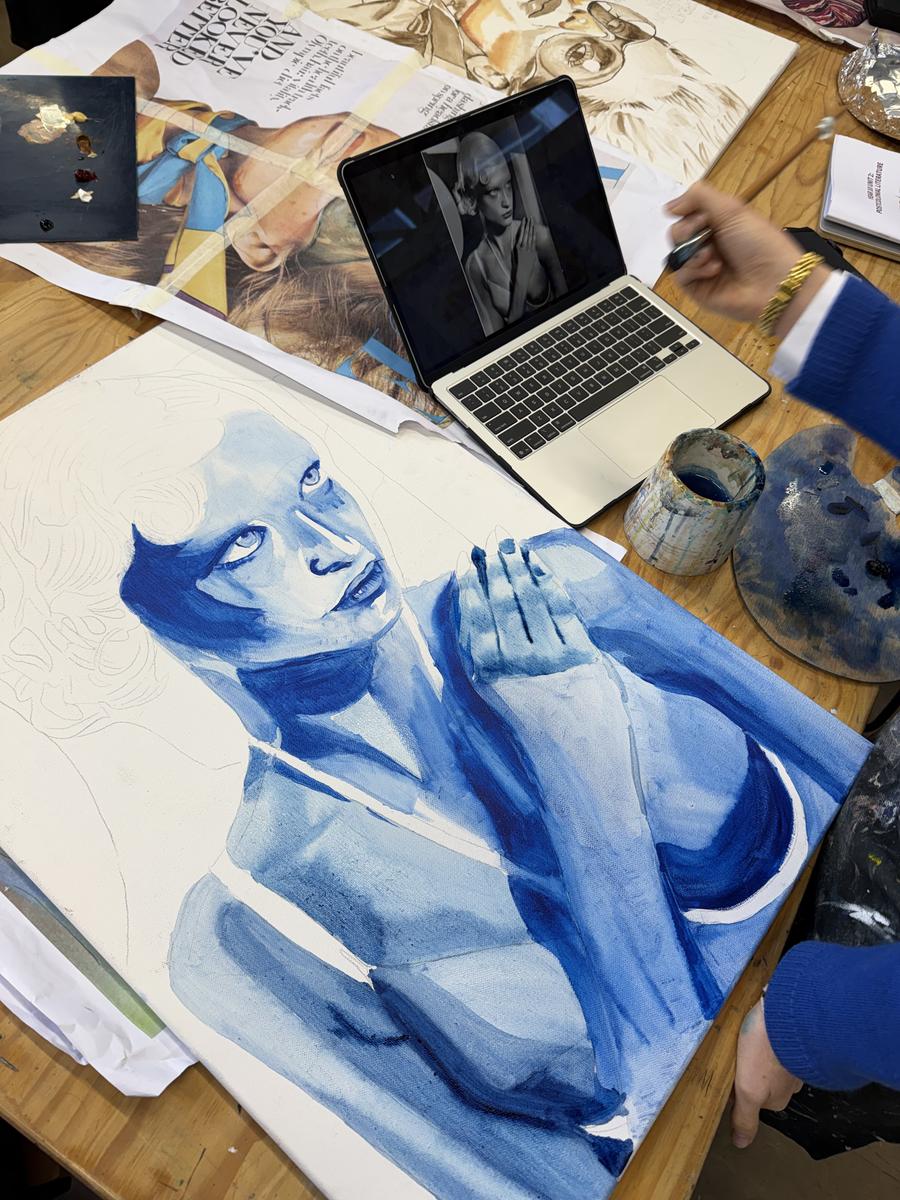
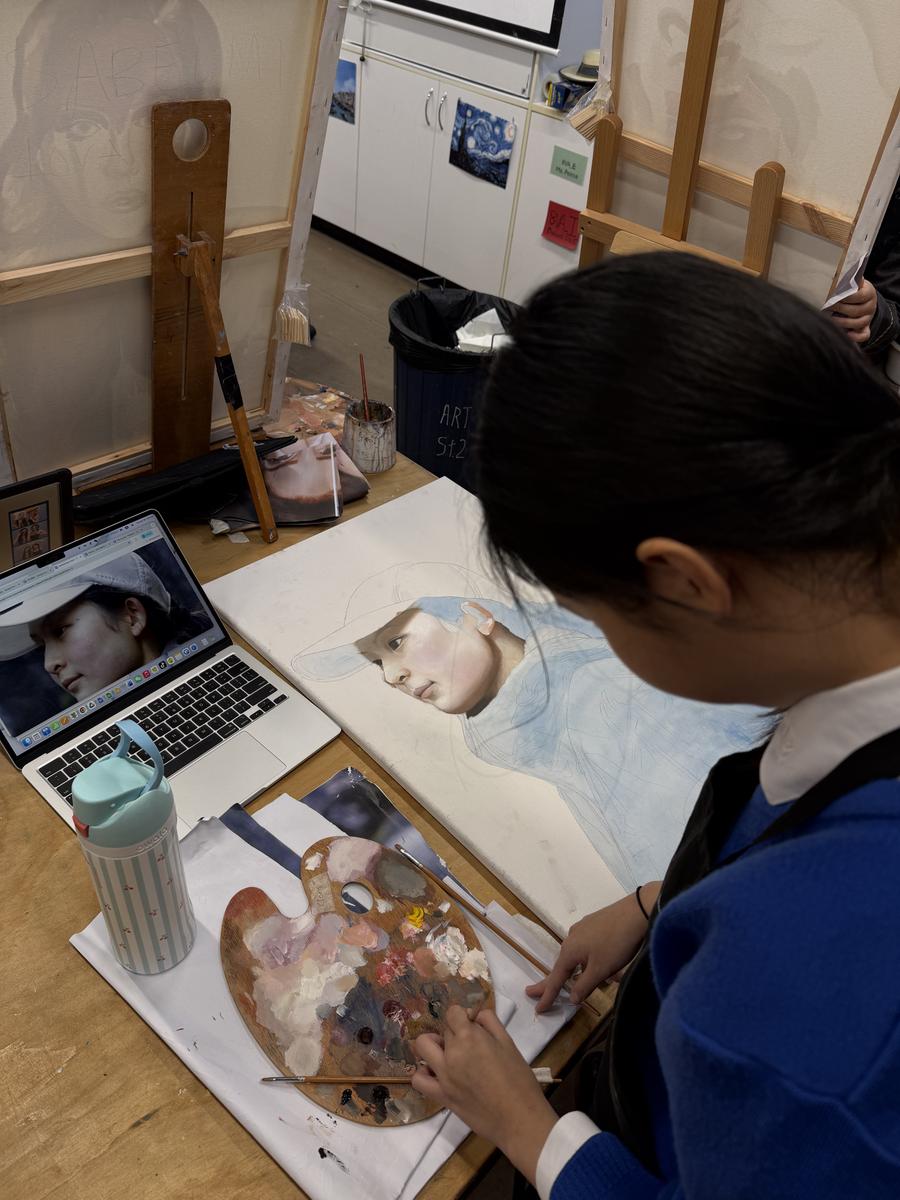
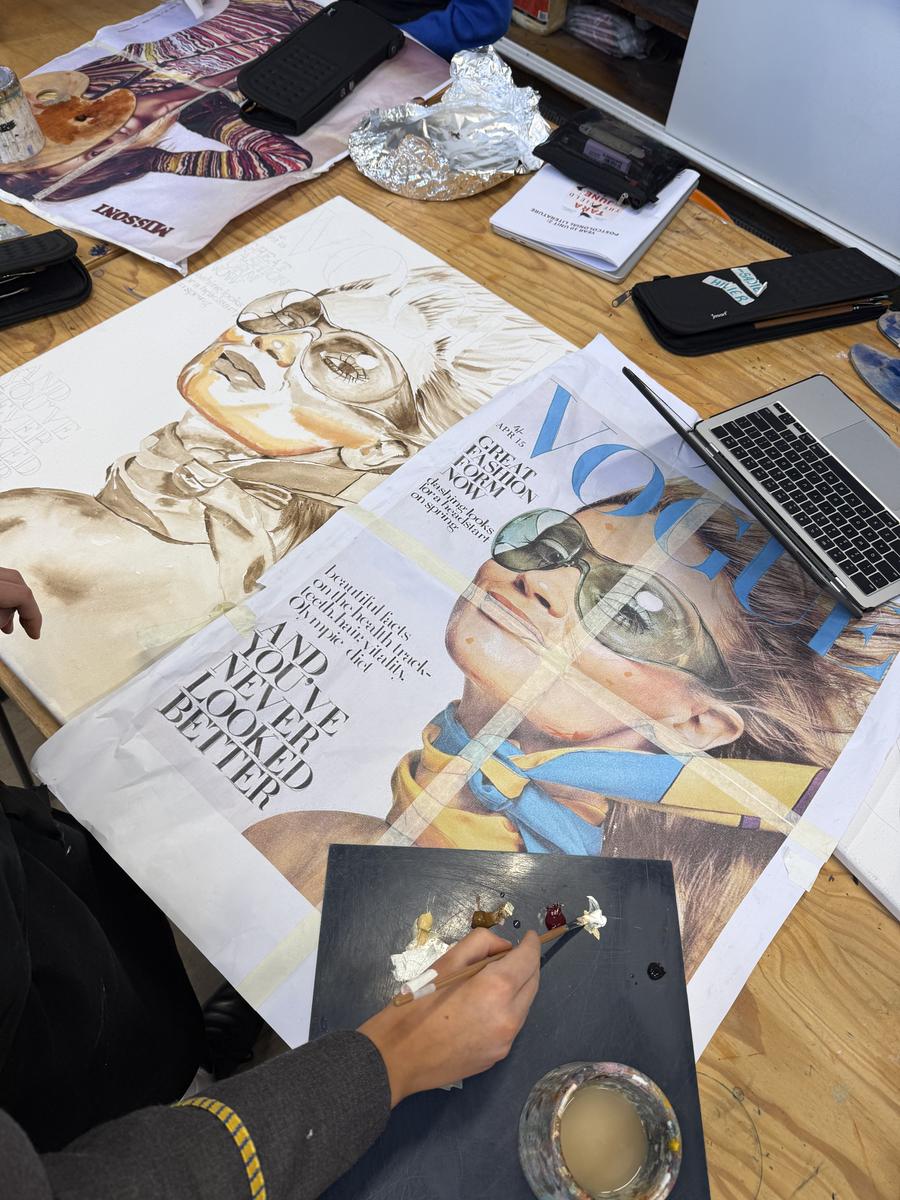
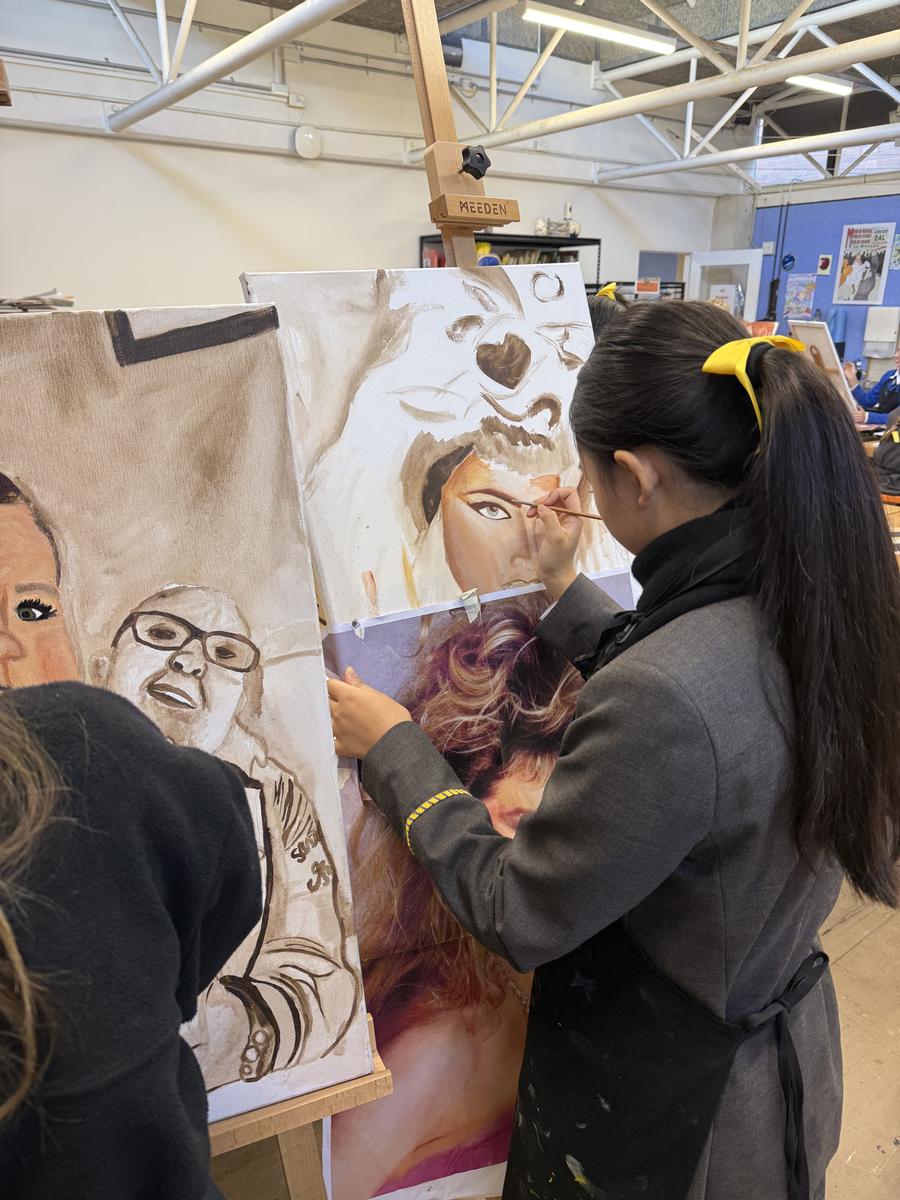
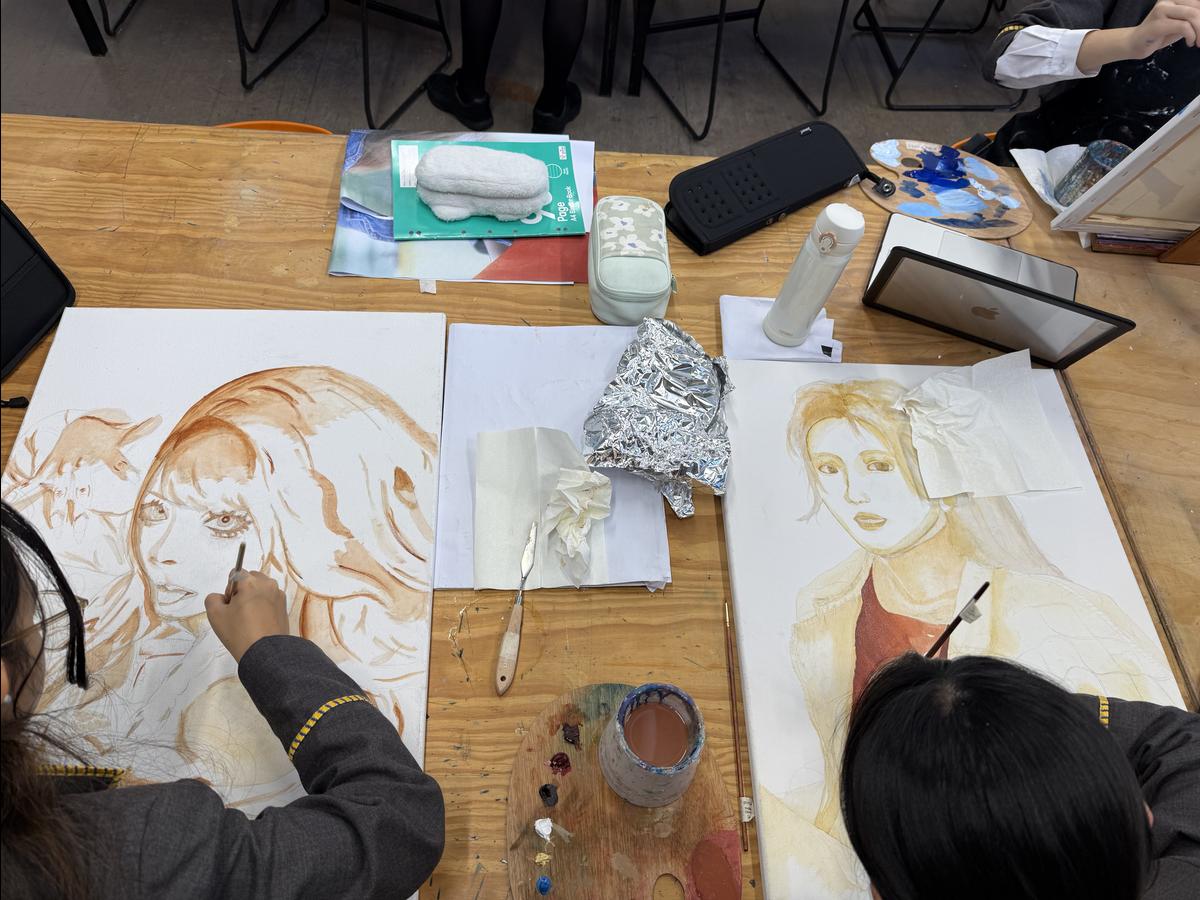
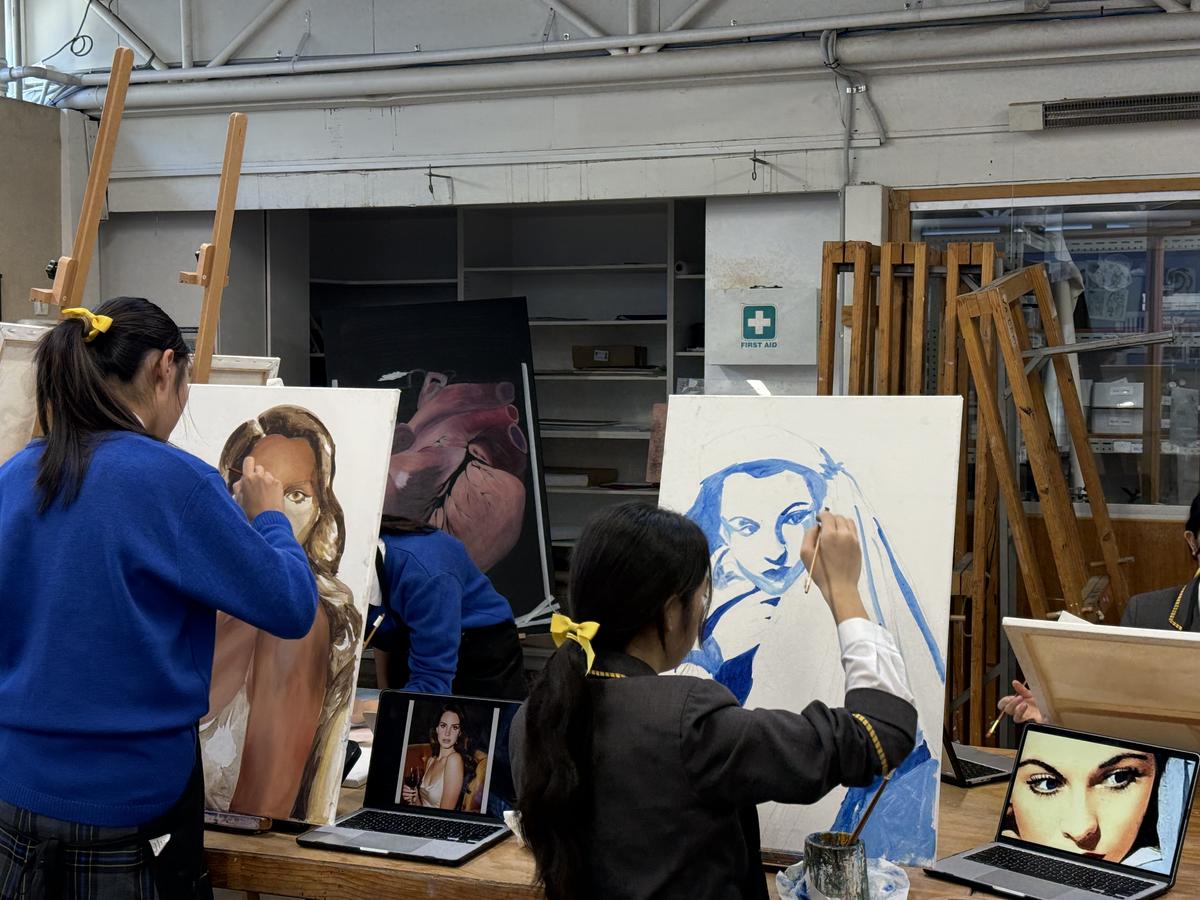
This term, Year 10 Visual Arts students have begun developing their large-scale portrait paintings using oil paints. Drawing on reference images of iconic women from the 1970s–1990s, featuring bold hairstyles, dramatic eye makeup, and richly textured fabrics, students are exploring how stylistic choices communicate identity and cultural context.
Throughout the unit, students have been learning how to mix and apply oil paint with increasing control and confidence. They are developing an understanding of colour mixing, layering, and brushwork to create expressive and visually engaging portraits.
This practical work forms part of a broader investigation into the representation of women throughout art history, with a particular focus on the female form. Students are encouraged to consider how artists construct meaning through visual language and how representations of women reflect changing social and cultural values over time.
Coco Pierce
Visual Arts, Design and Technology Teacher
Soar - A Charitable Art Exhibition for Animal Welfare
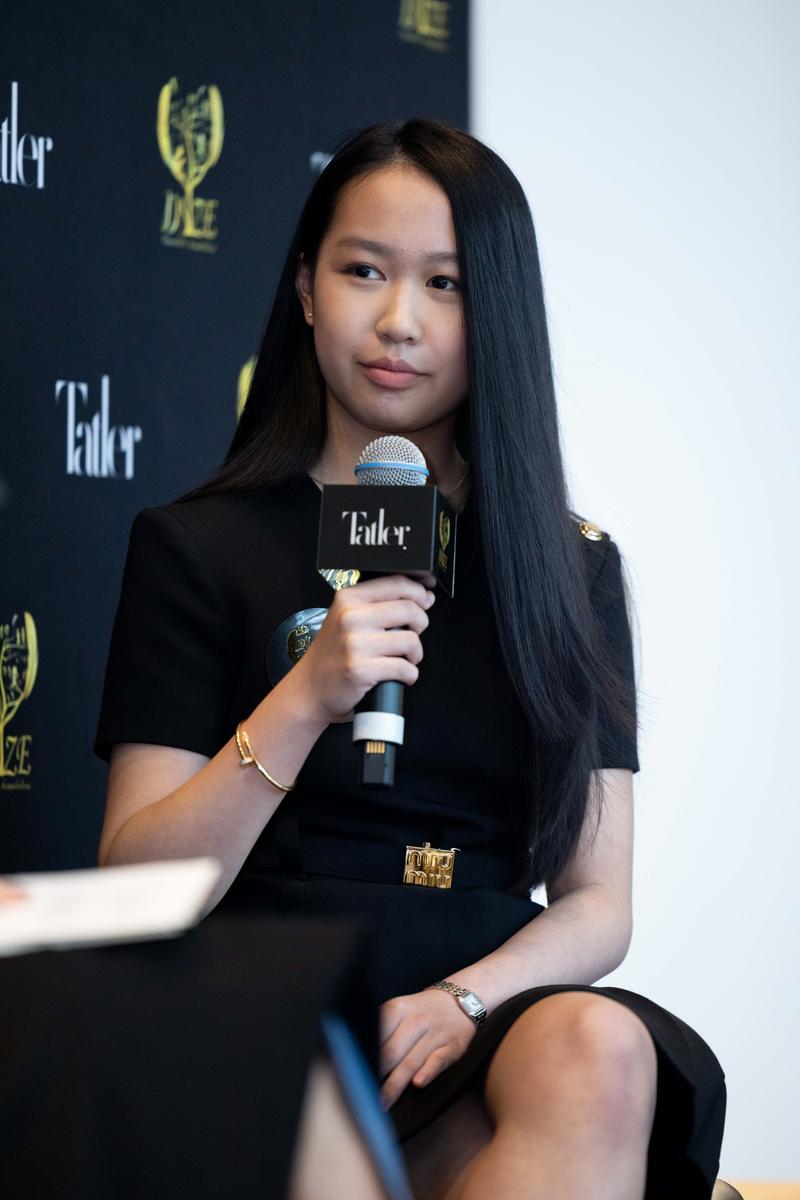
Year 10 Poppy D Sze's recent charitable art exhibition, “Soar—A Charitable Art Exhibition for Animal Welfare”, was held at Art Basel Hong Kong 2026.
The exhibition featured original artworks of rescue animals and used art as a platform to advocate for animal welfare, empathy, dignity, and coexistence. It was especially meaningful to see Poppy D’s work presented in such an internationally respected setting while remaining grounded in a genuine charitable purpose. We were also honoured to see the exhibition presented at Art Basel Hong Kong and featured in Tatler Asia, recognising both the artistic merit of the work and the importance of its wider mission.
Well done Poppy!
Term 1 Senior STEM Club
“My brother keeps stealing my snacks. Can we build something to stop him?” - said several STEM club members!
With that design prompt from last year, I knew the first STEM club project of 2026 had to be an electronic safe.
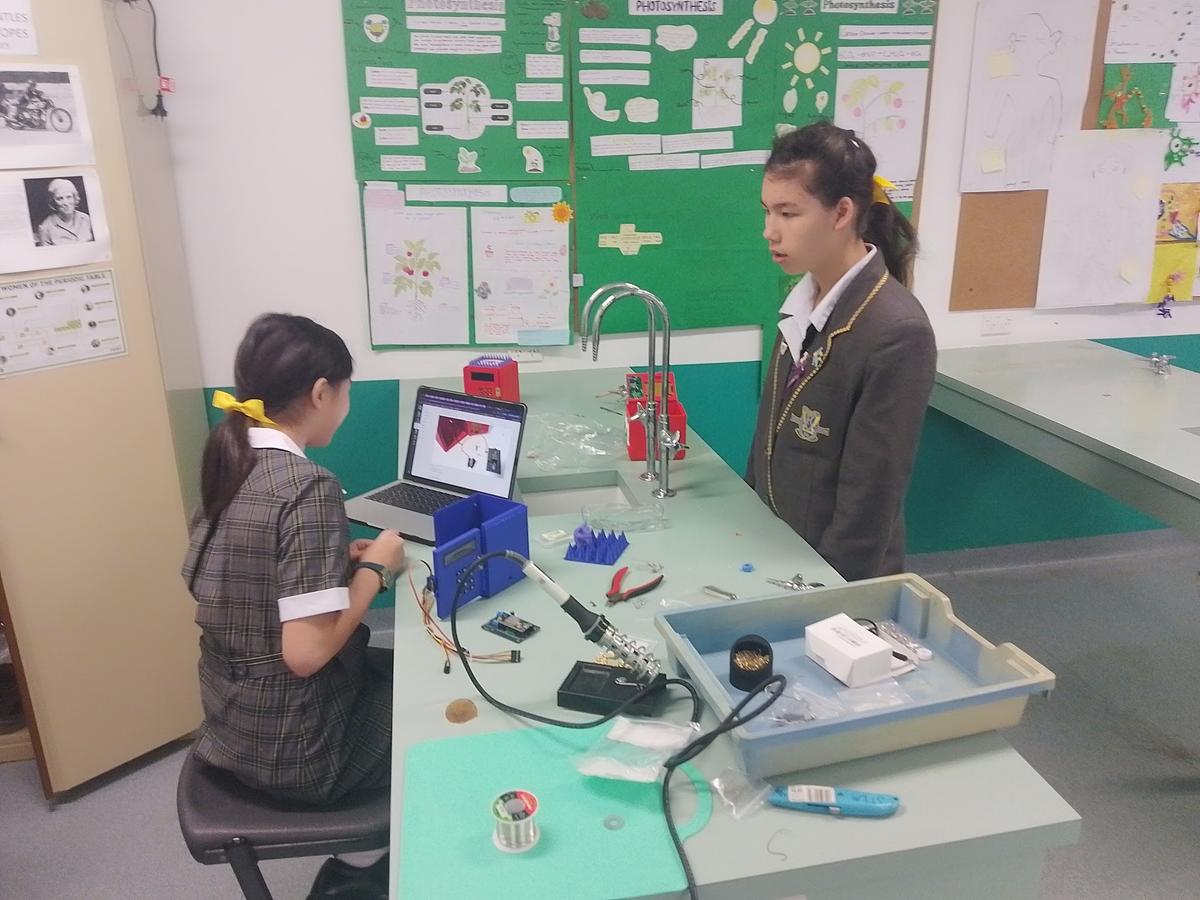
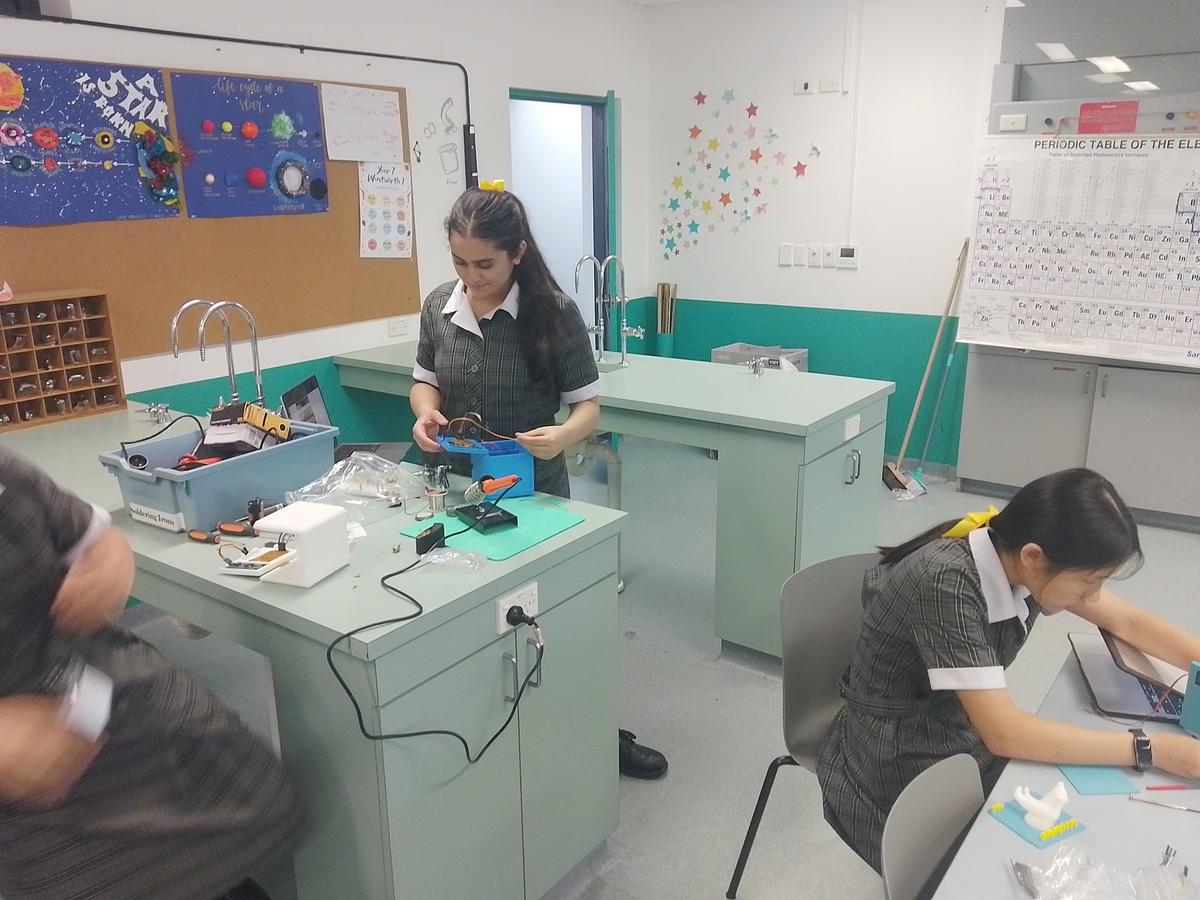
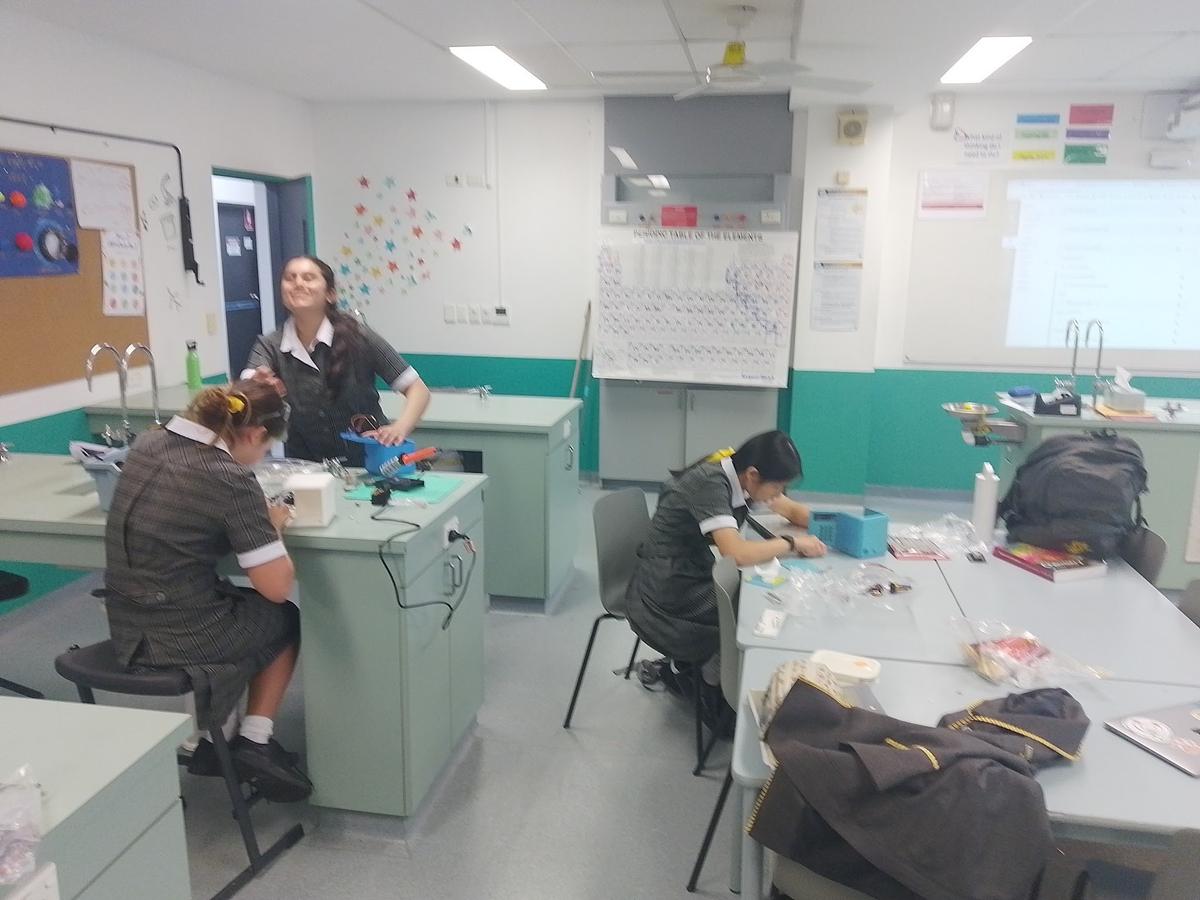
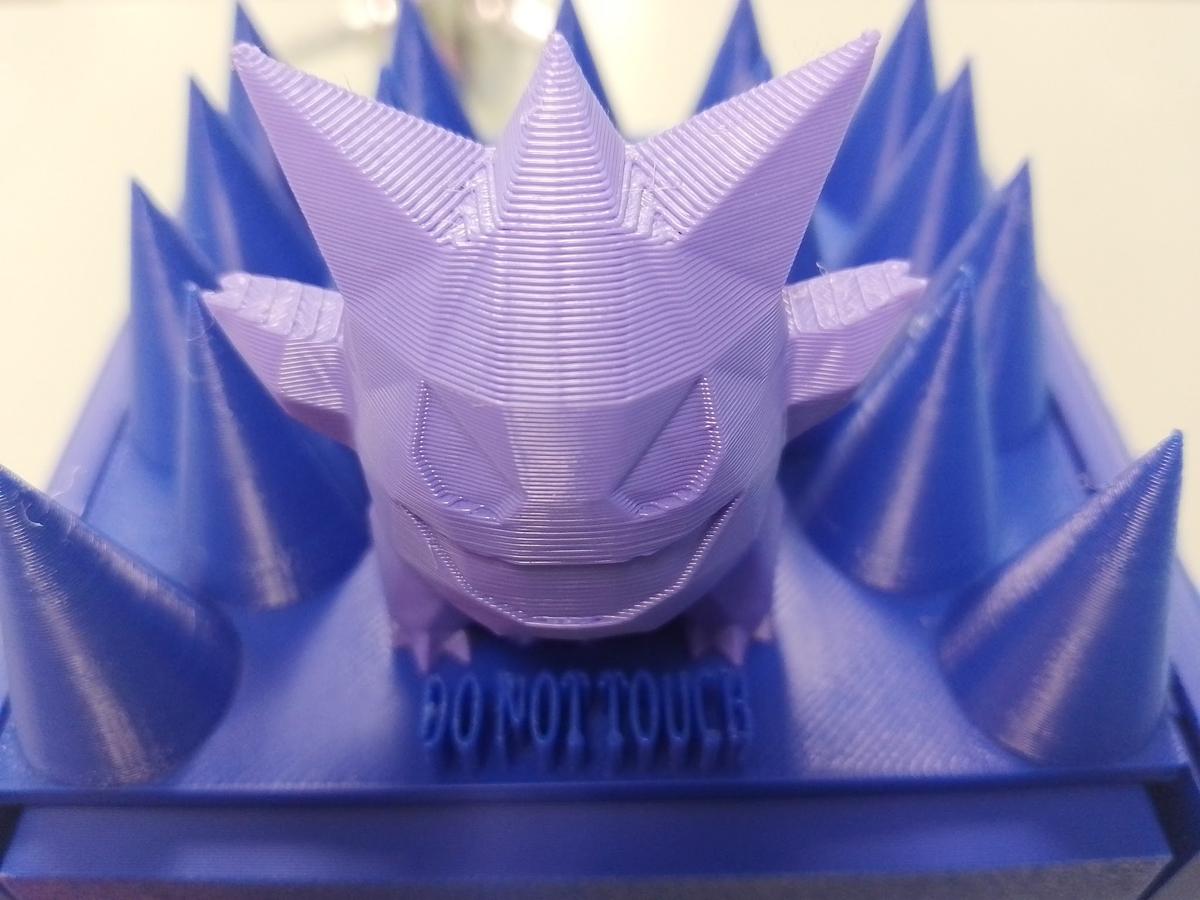
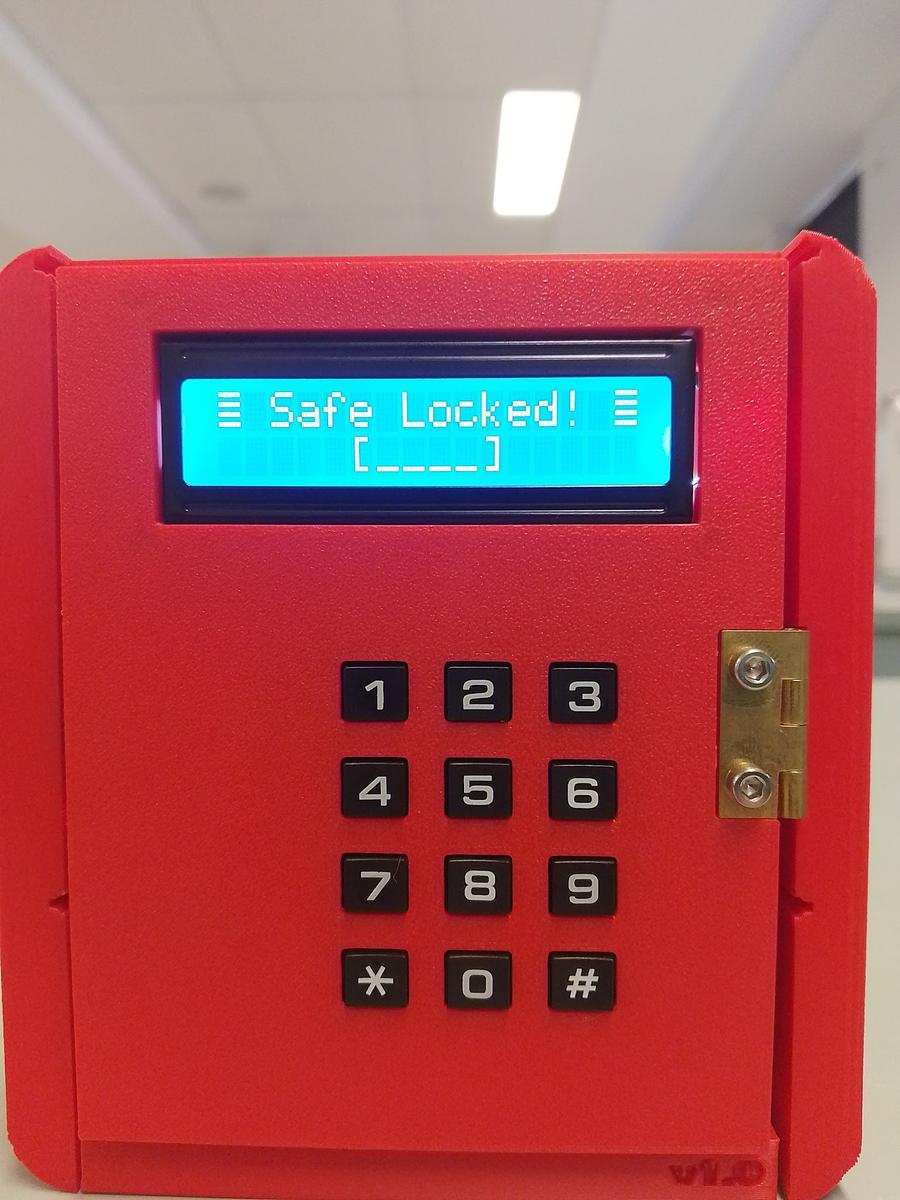
Our engineers followed easy instructions from NexGen STEM School to learn basic 3d modelling to modify and personalise their safes. Students then learnt to program the 3d printers to make multicoloured safes. Prickly spikes, polar bears, Pokemon and glaring eyes helped protect valuables from thieving brothers.
Basic circuits were assembled on breadboards to test keypads, lcd screens and servo motors to lock and unlock the safes. Soldering irons turned those prototypes into permanent circuits. Nuts and bolts turned 6 flat plastic parts into a cube and all students learned just how hard hanging a door straight is when the front door hinge had to be installed.
The Senior STEM club will be doing a different individual project in term 2. Then in terms 3 and 4 will enter multiple robotics competitions against other schools. Beginners can learn robotics with Lego kits while advanced students will fabricate robots from aluminium extrusions or 3d printed parts.
Mark Goodwin
Science Lab Manager
Global Horizons Await
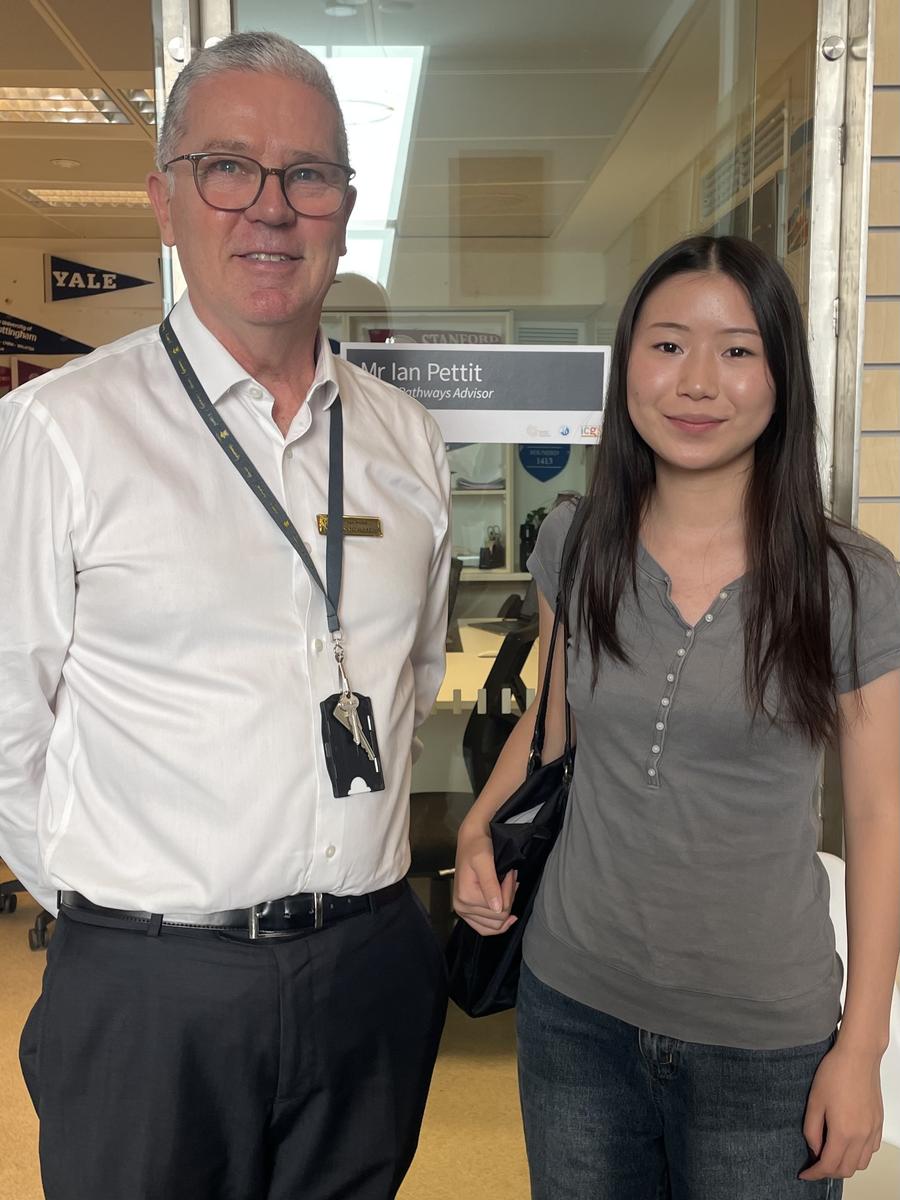
We are currently collecting information regarding the destinations of our 2025 cohort students. Alina Yi (pictured) came to Kambala last week to finish up her successful admission requirements for the University of Southern California. We have 35 students from our current cohort of 2026 interested in studying overseas in 2027.
While our data collection is still in its early stages, the preliminary results showcase an incredibly diverse range of academic and personal pathways for our most recent graduates. Highlighting a strong interest in interdisciplinary study, the current findings reveal a significant leaning toward Law, Commerce, and Politics, often pursued through prestigious double degrees or specialised PPE programs.
However, the cohort's interests are by no means uniform; we are seeing aspiring professionals in fields as varied as Dental Science, Fashion Design, Forensic Science, and Computational Design. Beyond the lecture theatre, several students have opted for gap years to travel through Europe and beyond, reflecting a balanced desire for both global experience and academic rigour. We look forward to sharing the final, comprehensive breakdown once all responses are tallied.
Initial Destination Survey Results
| University / Institution | Count |
| University of Sydney (USyd) | 24 |
| University of New South Wales (UNSW) | 11 |
| University of Technology Sydney (UTS) | 6 |
| Australian National University (ANU) | 5 |
| University of Melbourne | 4 |
| Macquarie University | 3 |
| The University of Queensland (UQ) | 3 |
| International Universities (Oxford, Cambridge, UCLA, etc.) | 8 |
| Other Domestic (Notre Dame, QUT, Monash, ACU, Whitehouse) | 5 |
| Gap Year / Undecided | 10 |
Ian Pettit
Future Pathways Advisor