
Focus on Learning

Stage 3 Focus:
Teacher: Miss Kayla Latter
Maths
Over the past few weeks, Stage 3 students have been immersed in the world of our 'Data' unit. We have been exploring how to choose the most effective visual tools - such as column graphs, timelines, and line graphs - based on the specific story the data needs to tell.
A core focus of our unit was understanding the "why" behind the "how" (the purpose of graphs and how to construct the graphs). Students learned that the success of a graph relies heavily on its vertical and horizontal scale. By practising the use of evenly spaced spacing on both the vertical and horizontal axes, they ensured their results were not only visually clear but accurate.
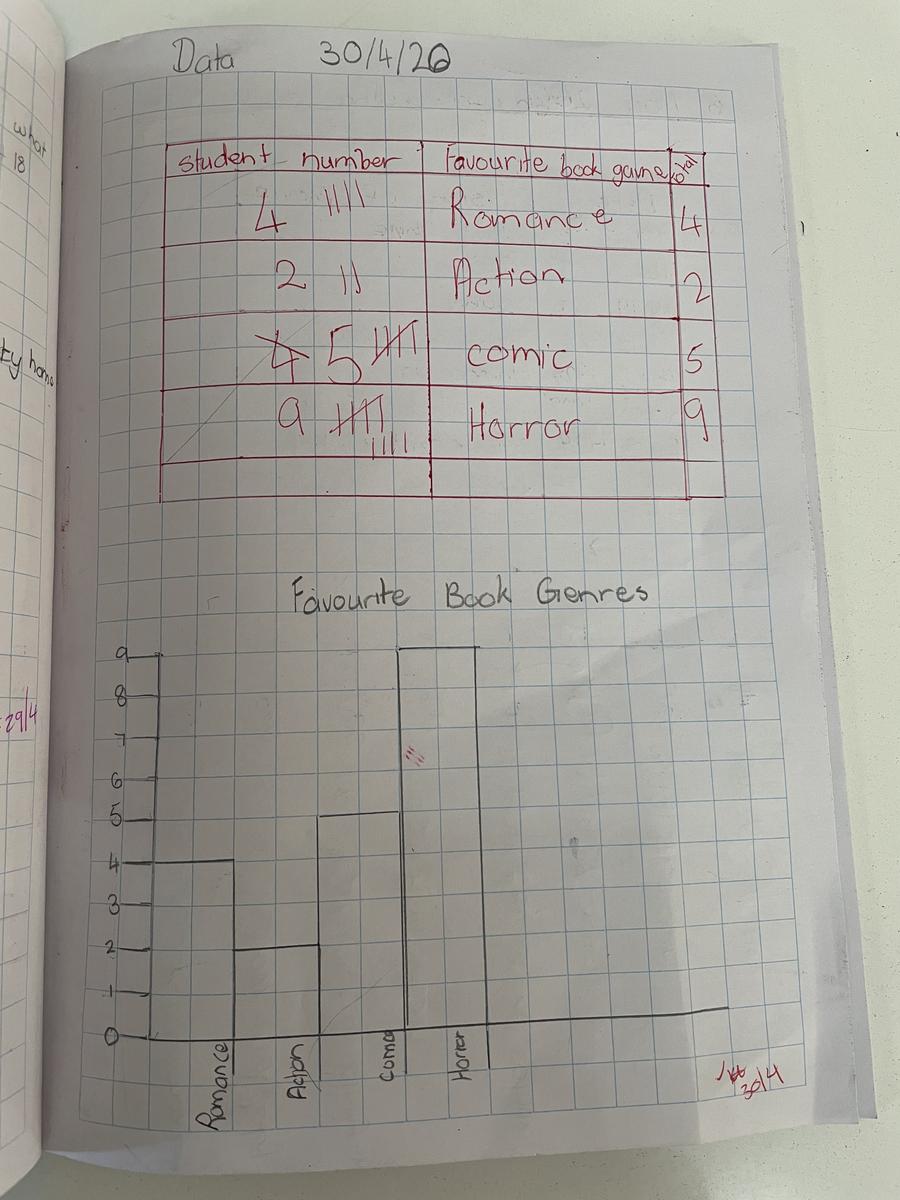
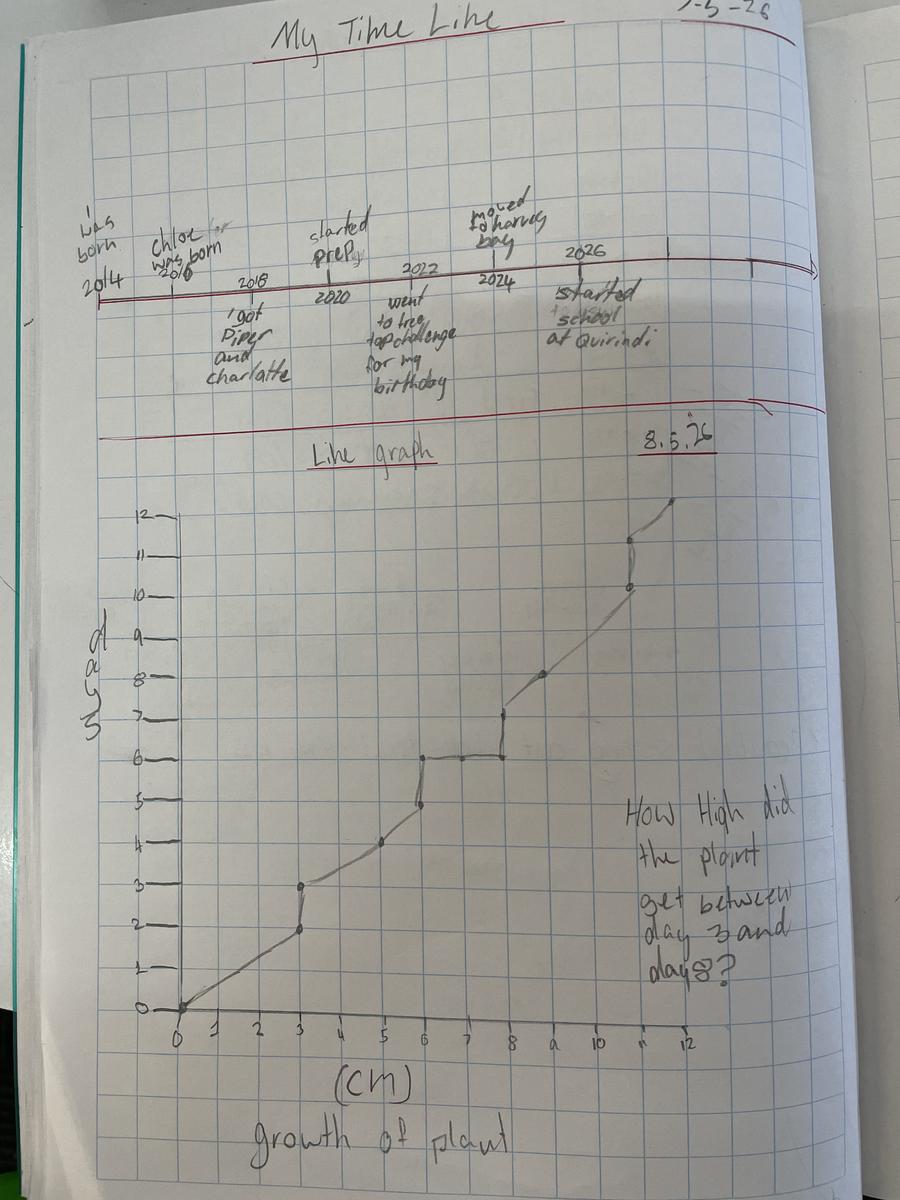
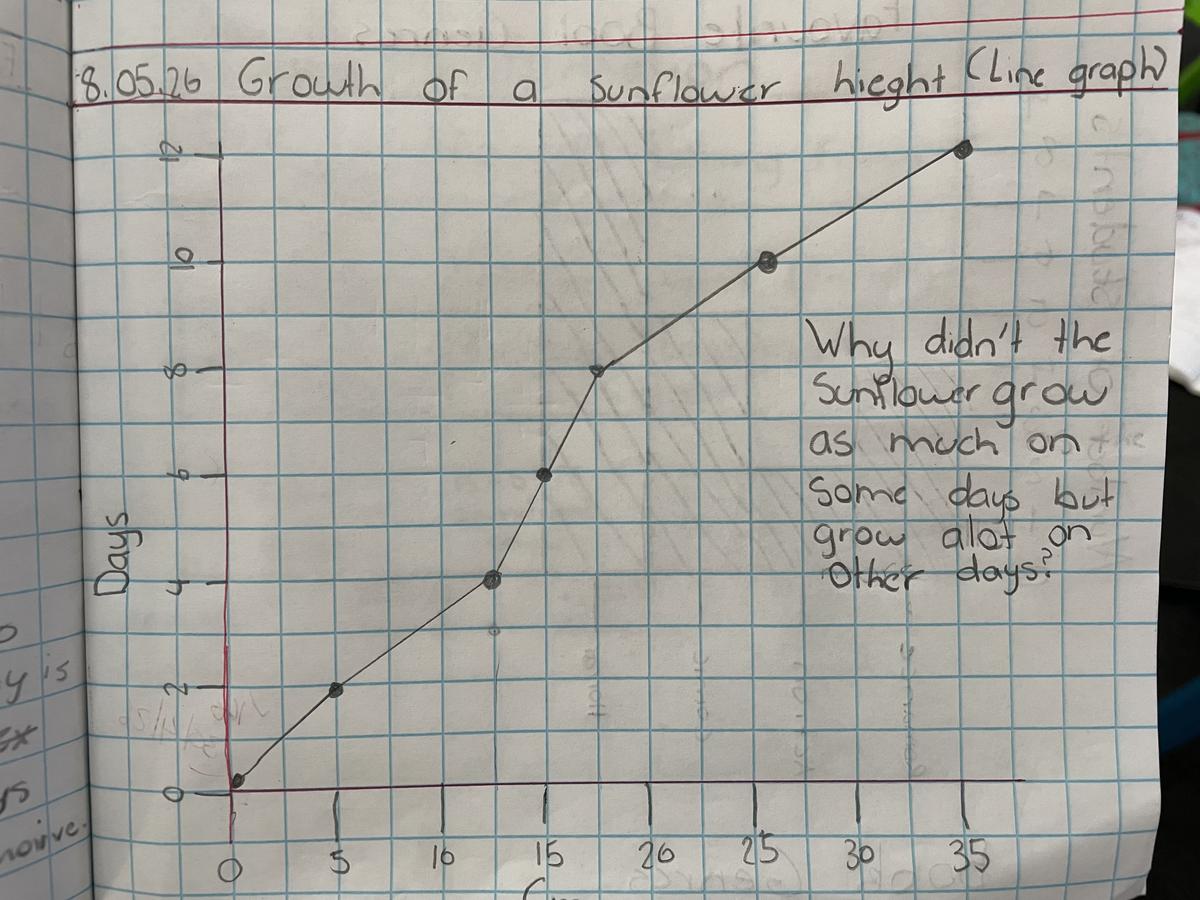
The learning journey didn't stop at constructing. Once their graphs and timelines were complete, students put their interpreting skills to the test. They moved beyond just looking at the pictures to understand the data by identifying specific details, making comparisons, and extracting meaningful insights from their collected data; identifying trends, making predictions and making observations.
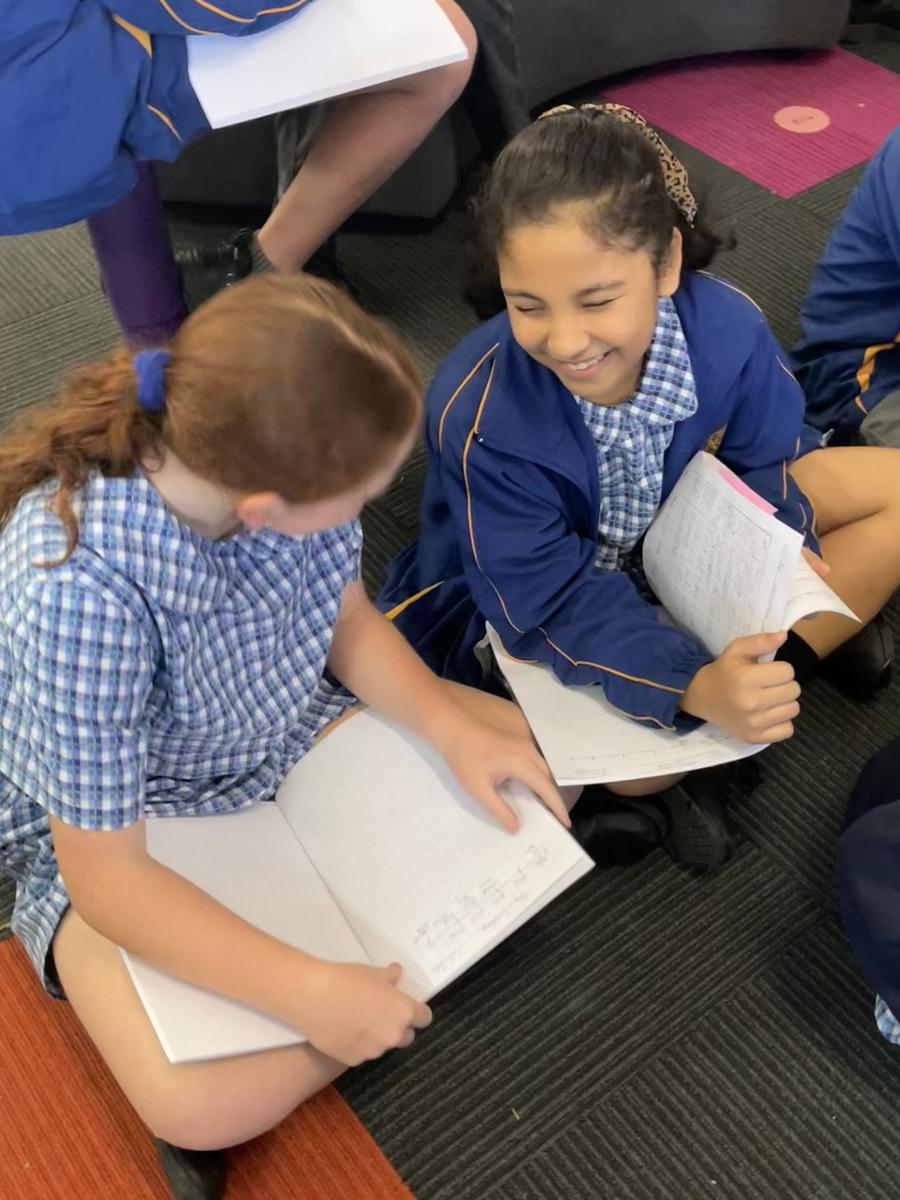
Writing
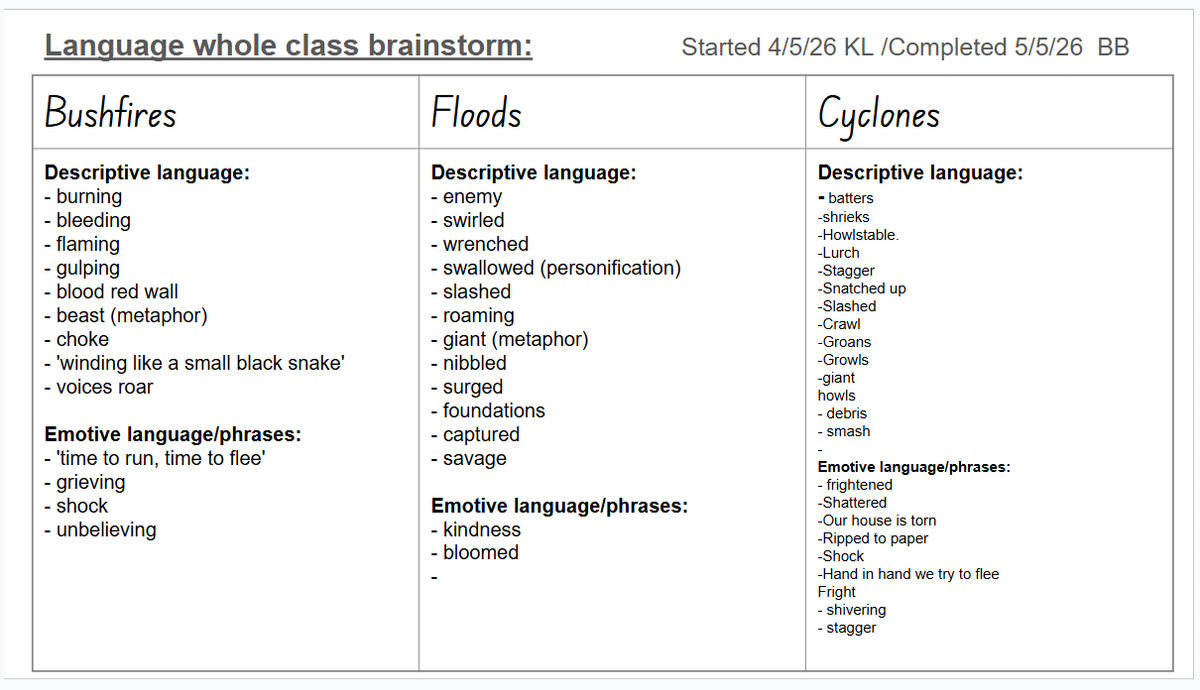
Focusing on the dramatic impact of natural disasters on the Australian environment, we have been exploring the power of factual recounts, specifically examining how natural disasters of floods, fires and cyclones reshape the Australian environment and the lives of those within it.
Students are learning to reconstruct and retell this factual information with precision and impact.
The foundation of a great recount is solid evidence. Students have been practising how to interpret research information—taking factual information and constructing into their own words. This ensures their writing is authentic and avoids the trap of simply "copying and pasting" facts.
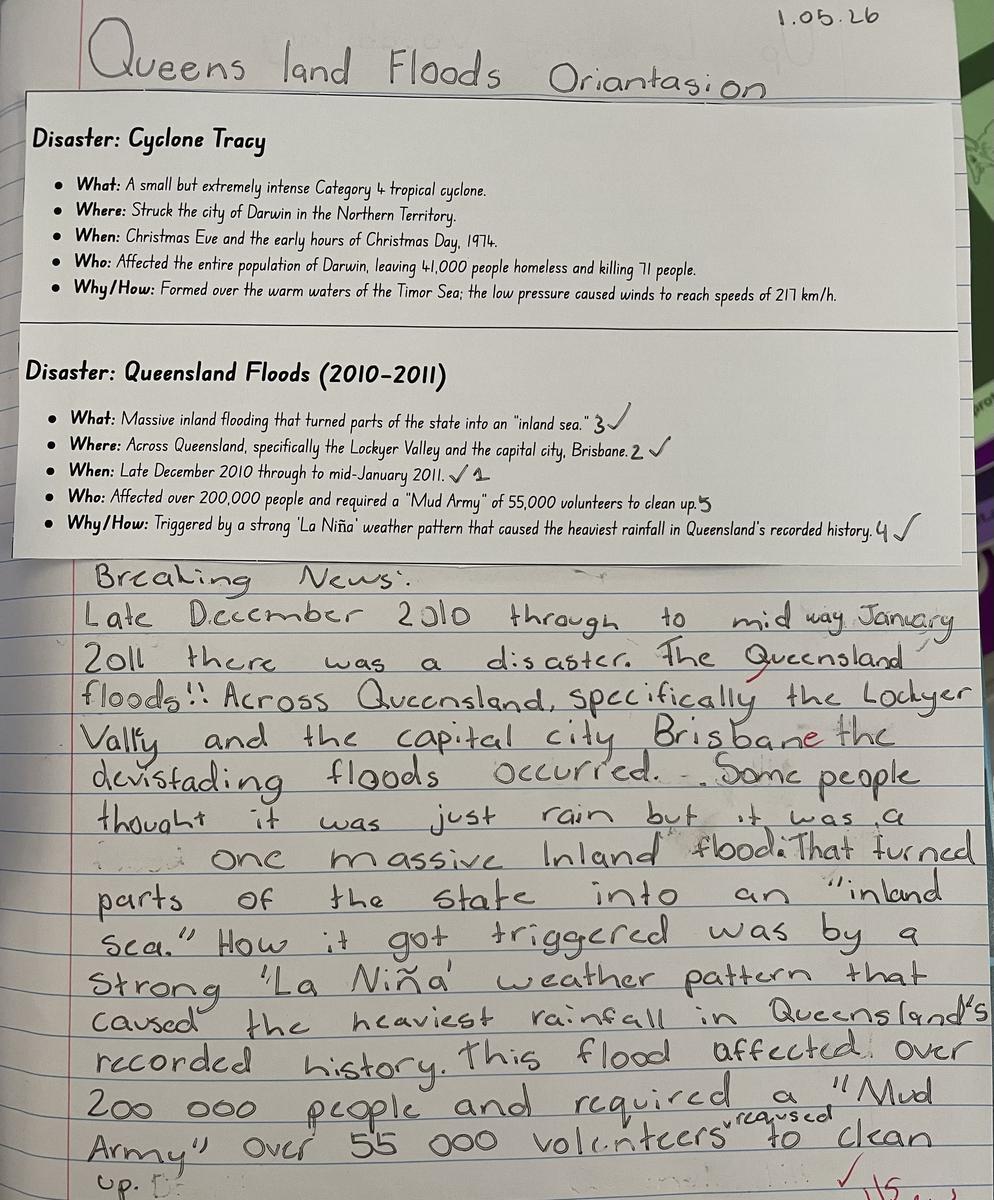
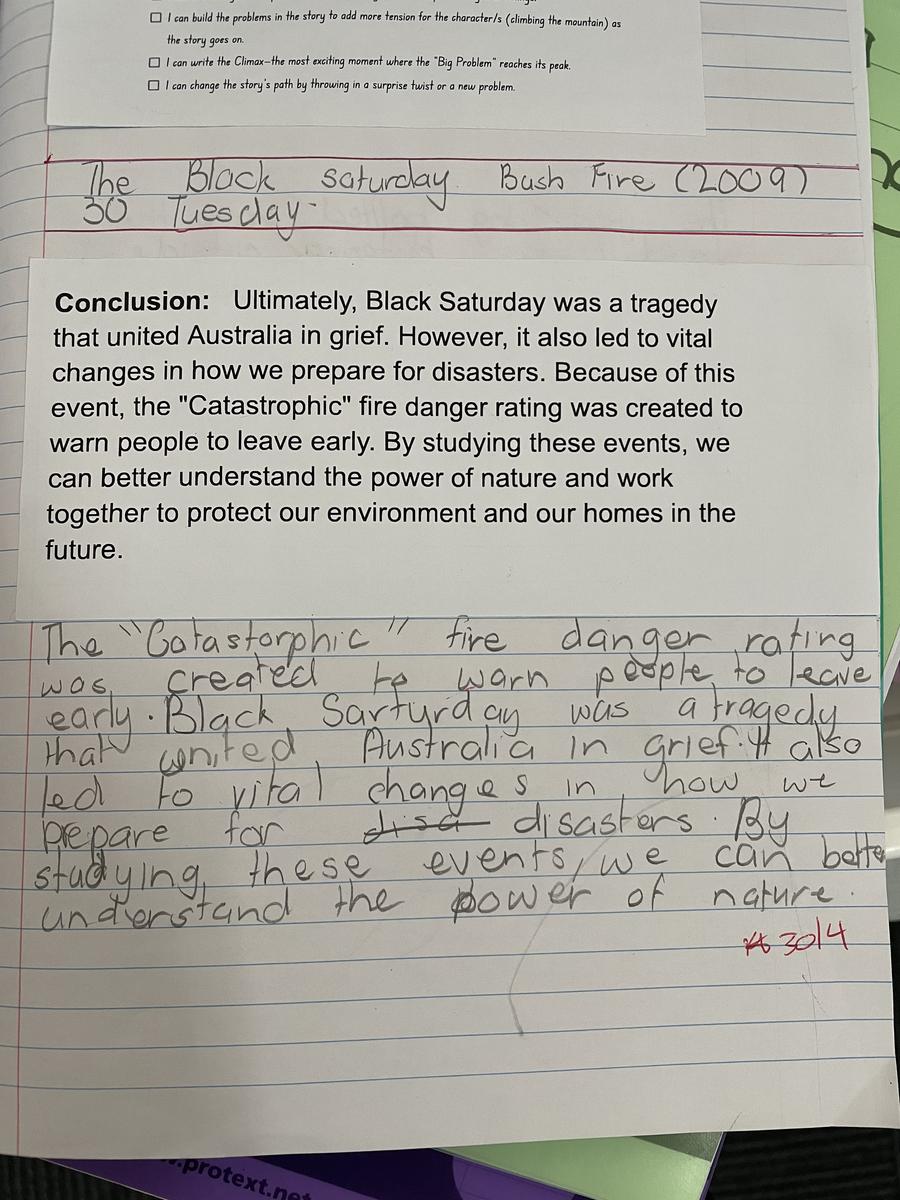
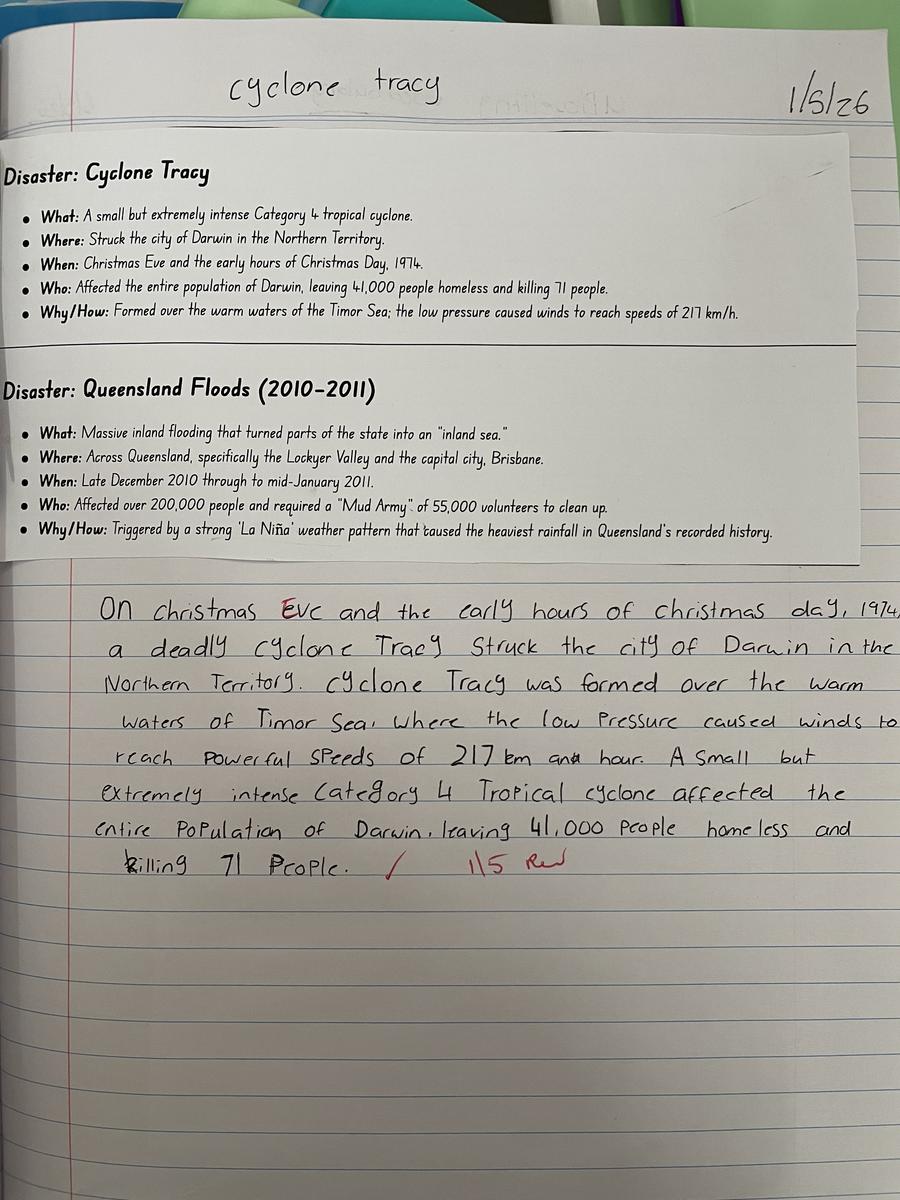
A strong factual recount relies on a clear orientation. We have been focusing on constructing opening paragraphs that establish the who, what, where, why/how and when, providing the essential context needed before diving into the sequence of events. Bringing this factual information to life for a visual mental image, we have been moving beyond basic vocabulary and expanding into using more descriptive and emotive language.
As we complete this factual information process further into this term, we will begin to explore other ways informative texts can be presented.
Sport
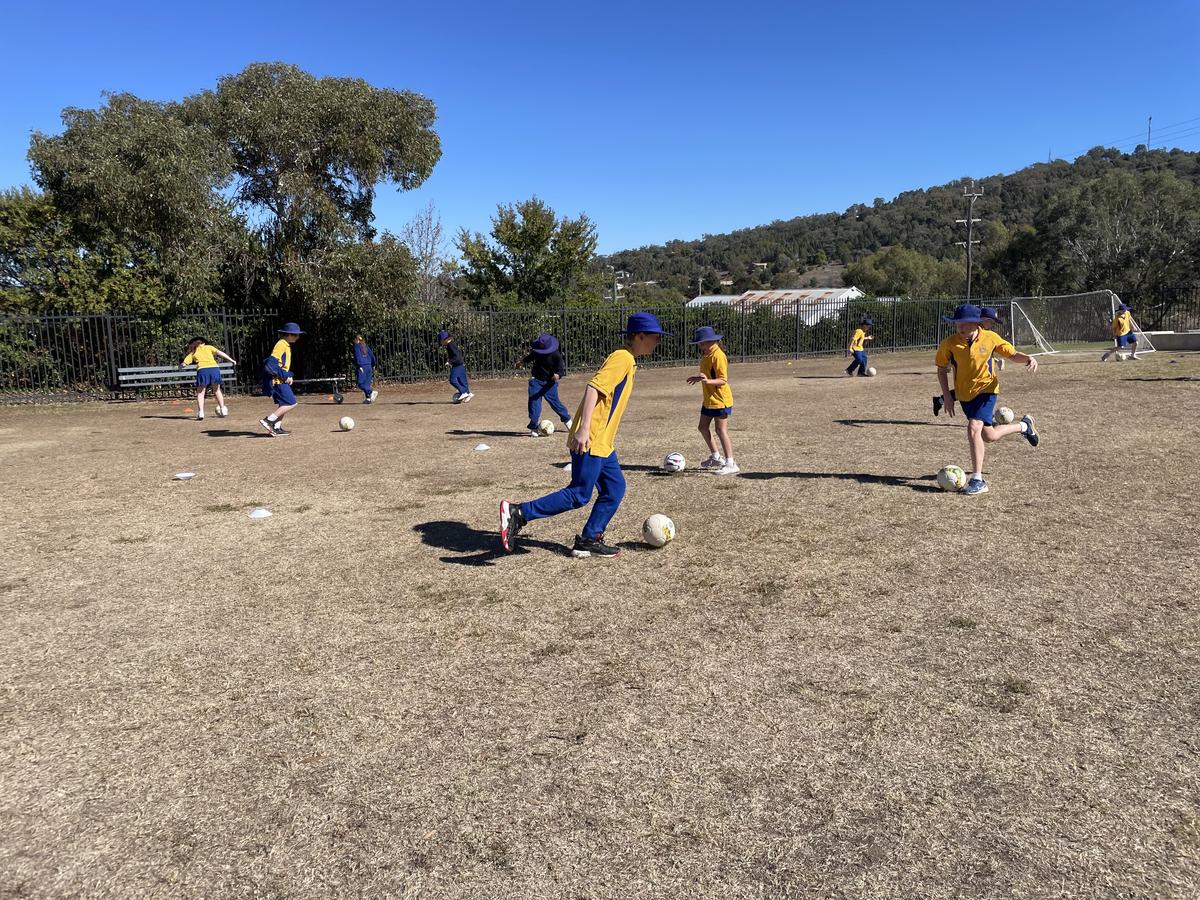
We have started off our sport lessons this term for the first 5-6 weeks, with a facilitator coming in each Friday to teach soccer skills. The energy on the field has been fantastic, with students showing immense enthusiasm as they develop their footwork and coordination which has been great to see.
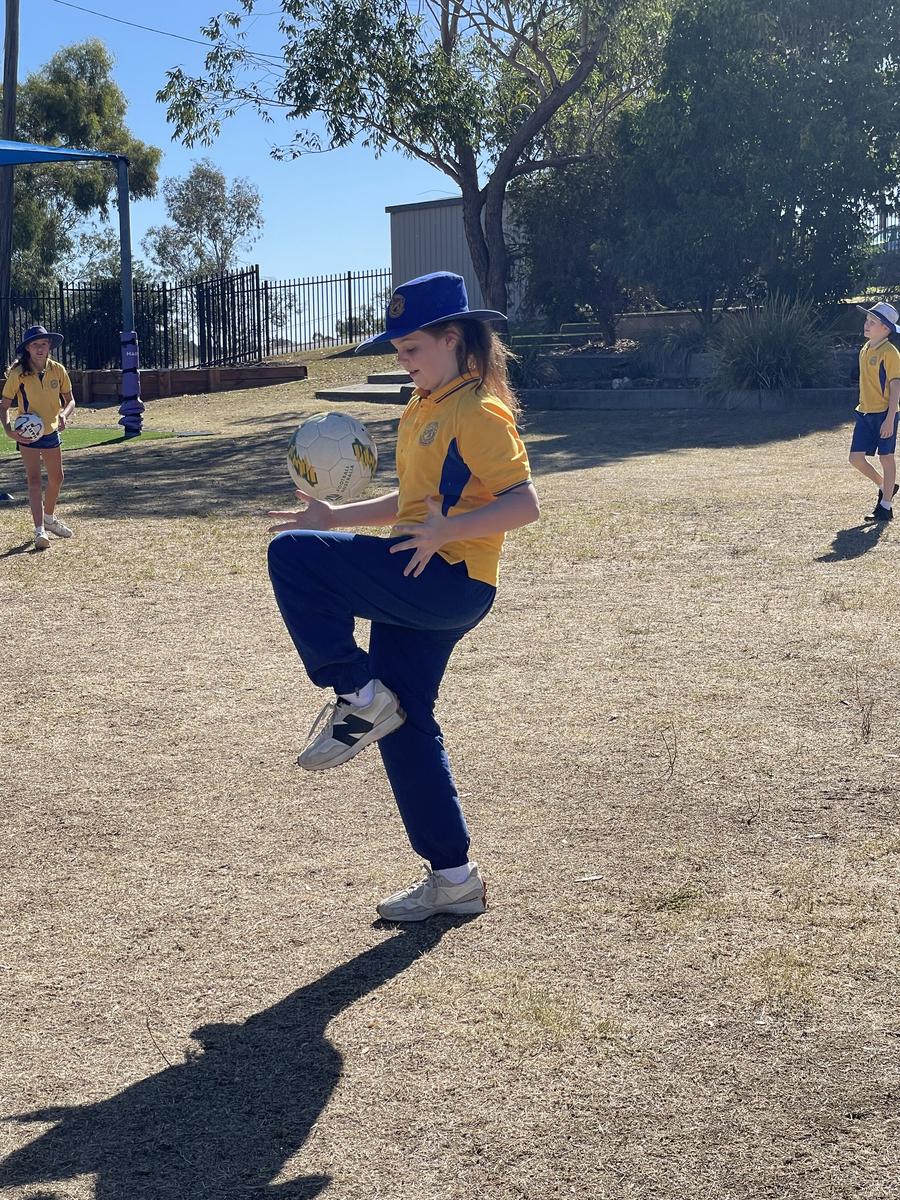
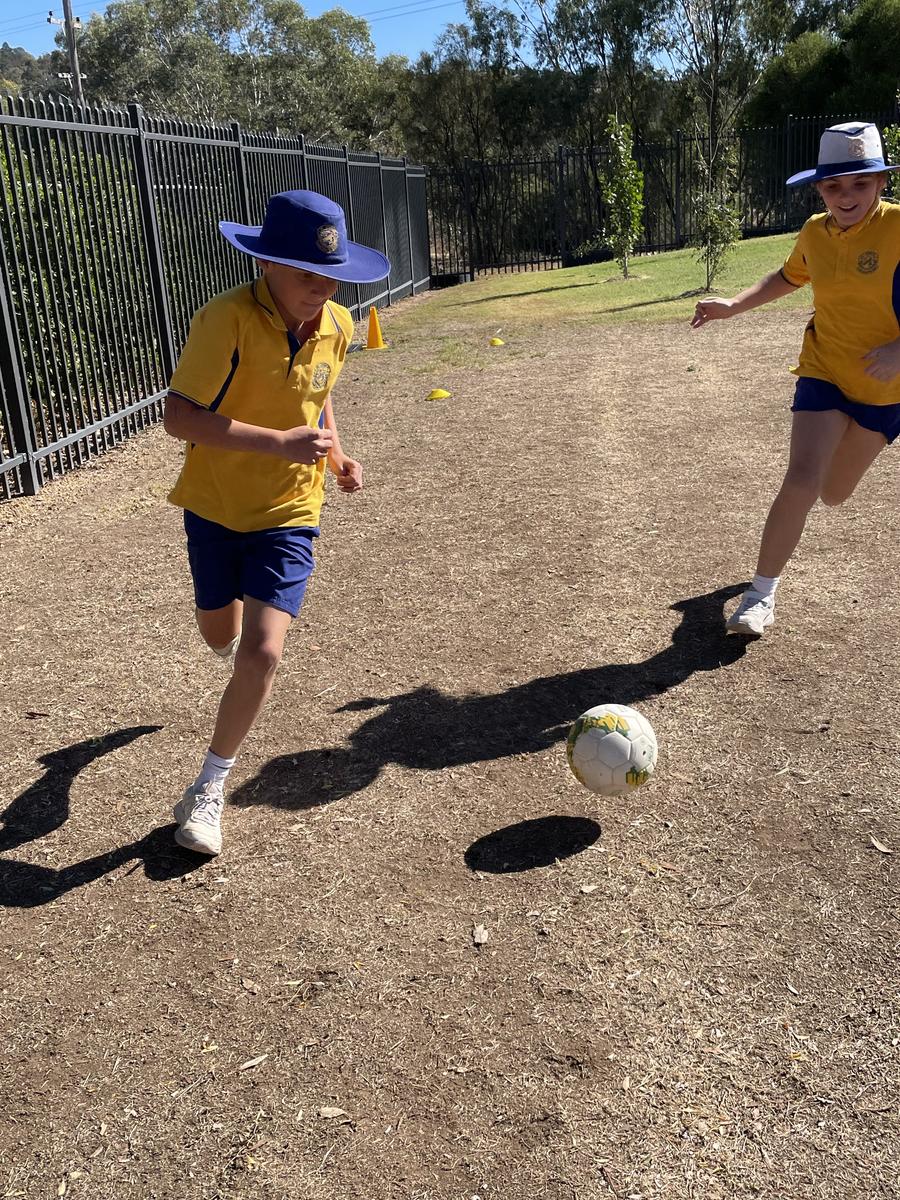
Our initial lessons have focused on the foundation of the game:ball control. Rather than just kicking the ball downfield, students have been learning that staying "connected" to the ball is the key to success. We have been honing our skills through specific drills, including:
Dribbling: Keeping the ball close while moving at speed.
Toe Taps: Building a rhythm by alternating touches on top of the ball to keep feet active and light.
Tick-Tocks: Moving the ball horizontally between the inside of the feet for quick, short-distance control.
After practising these skills, the students have been given the opportunity to put their strategies into action with a short soccer game between the class.
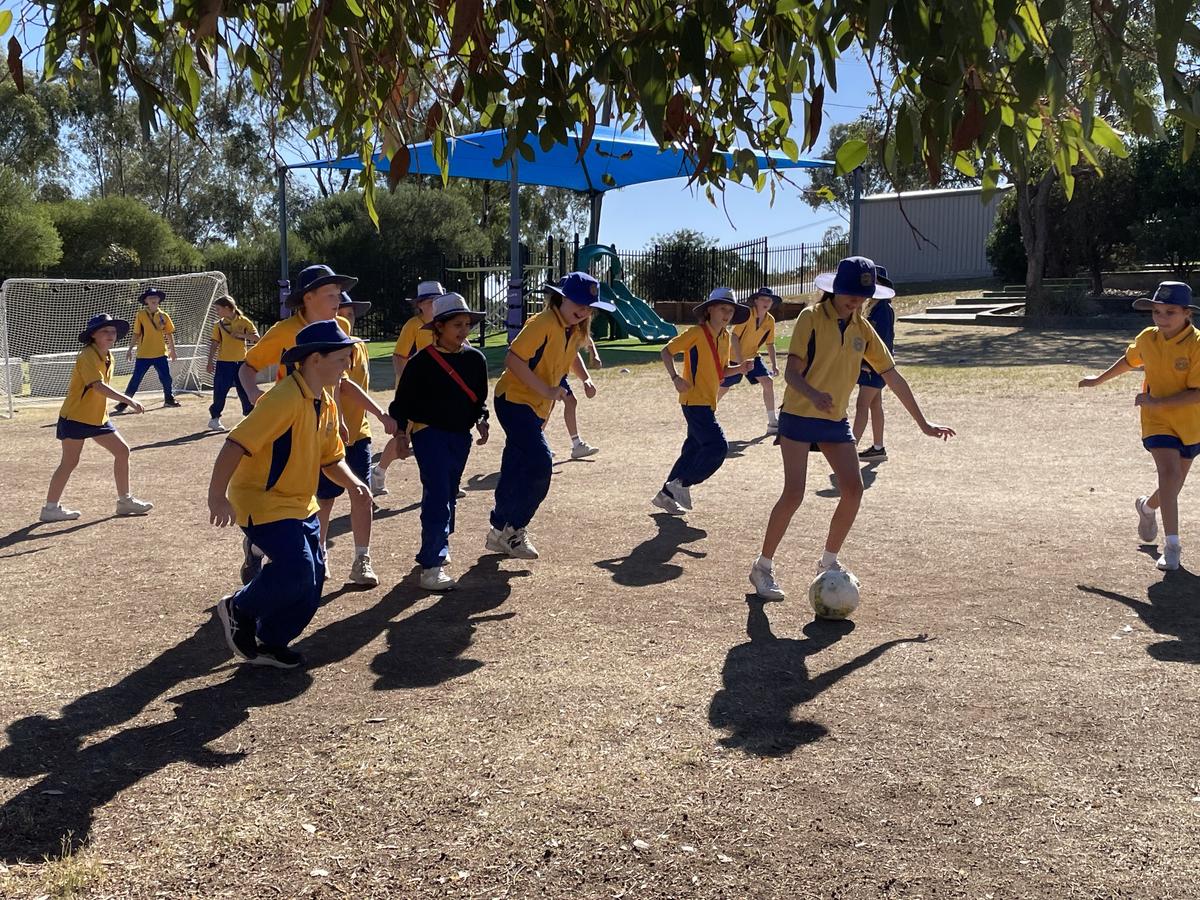
The level of involvement and sportsmanship across the lessons are a joy to watch, and we look forward to continue seeing these skills grow over the coming weeks.