Term 2 Learning Summary
English
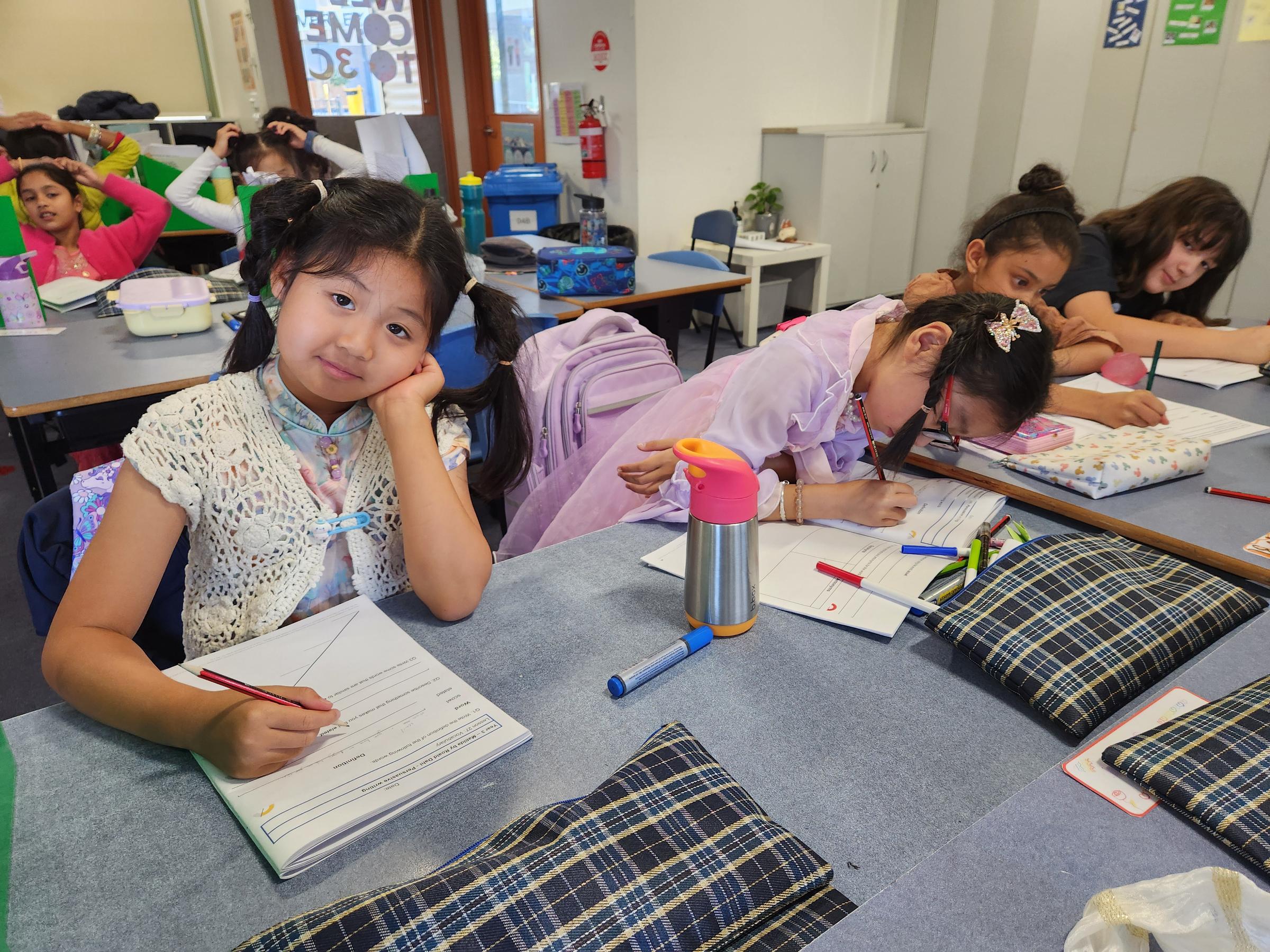
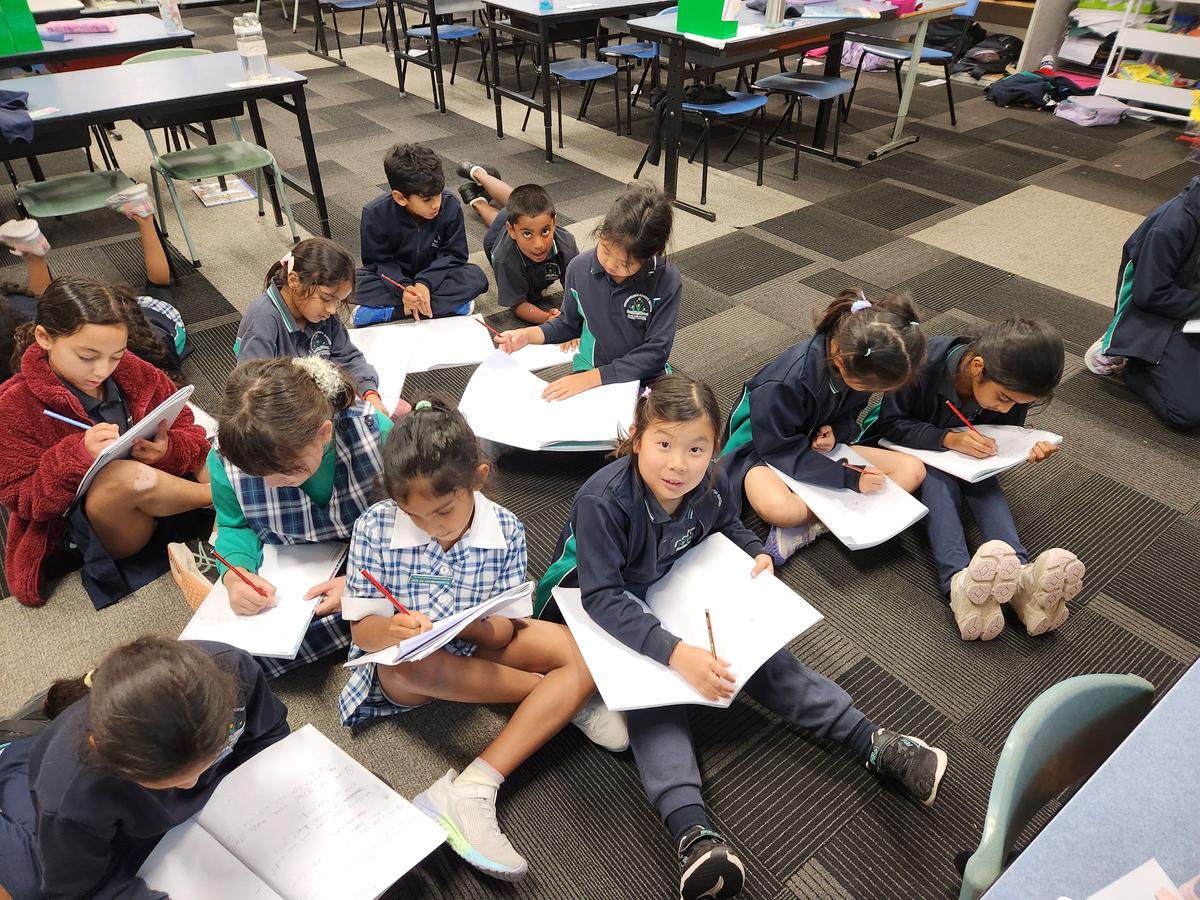
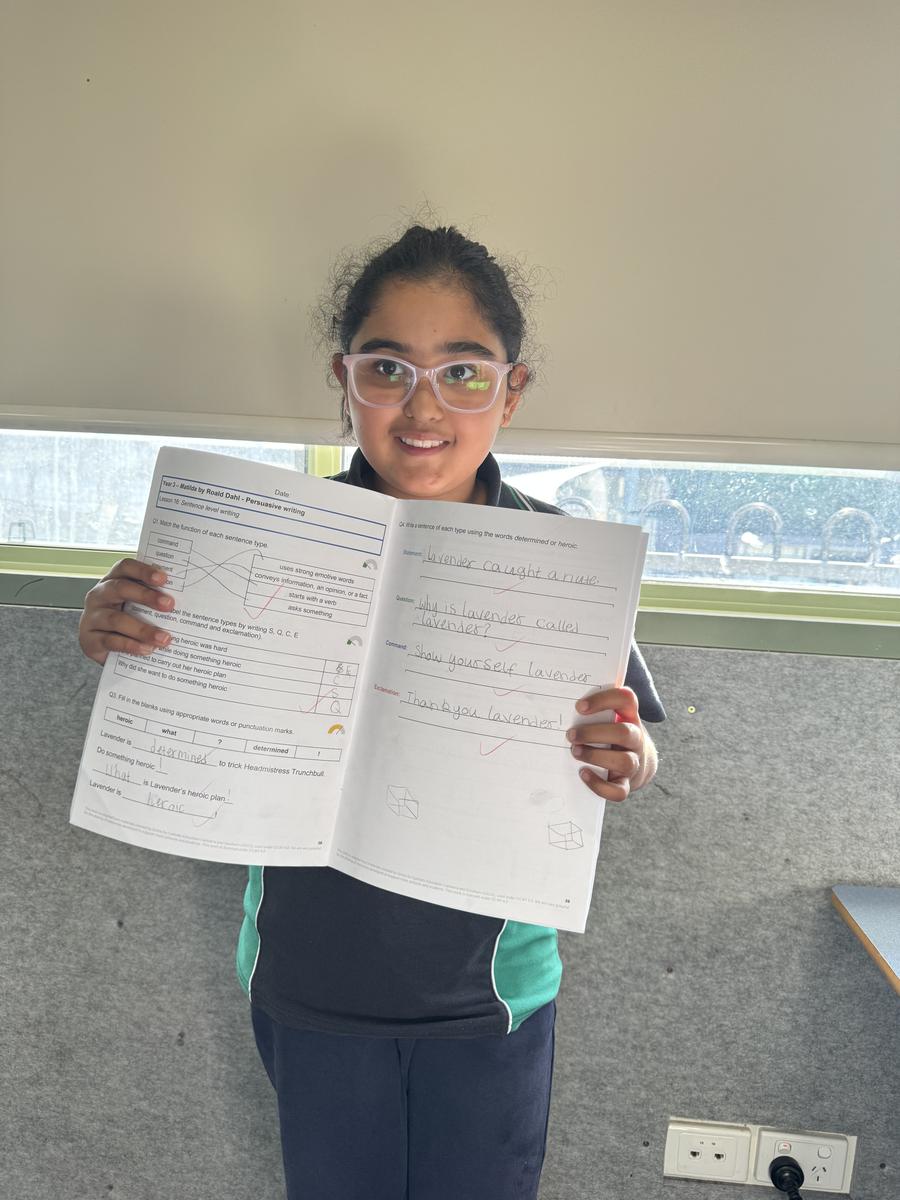
Throughout the term, students will engage with a rich range of narrative, explanatory, factual and personal response texts through Ochre Education’s English resources.
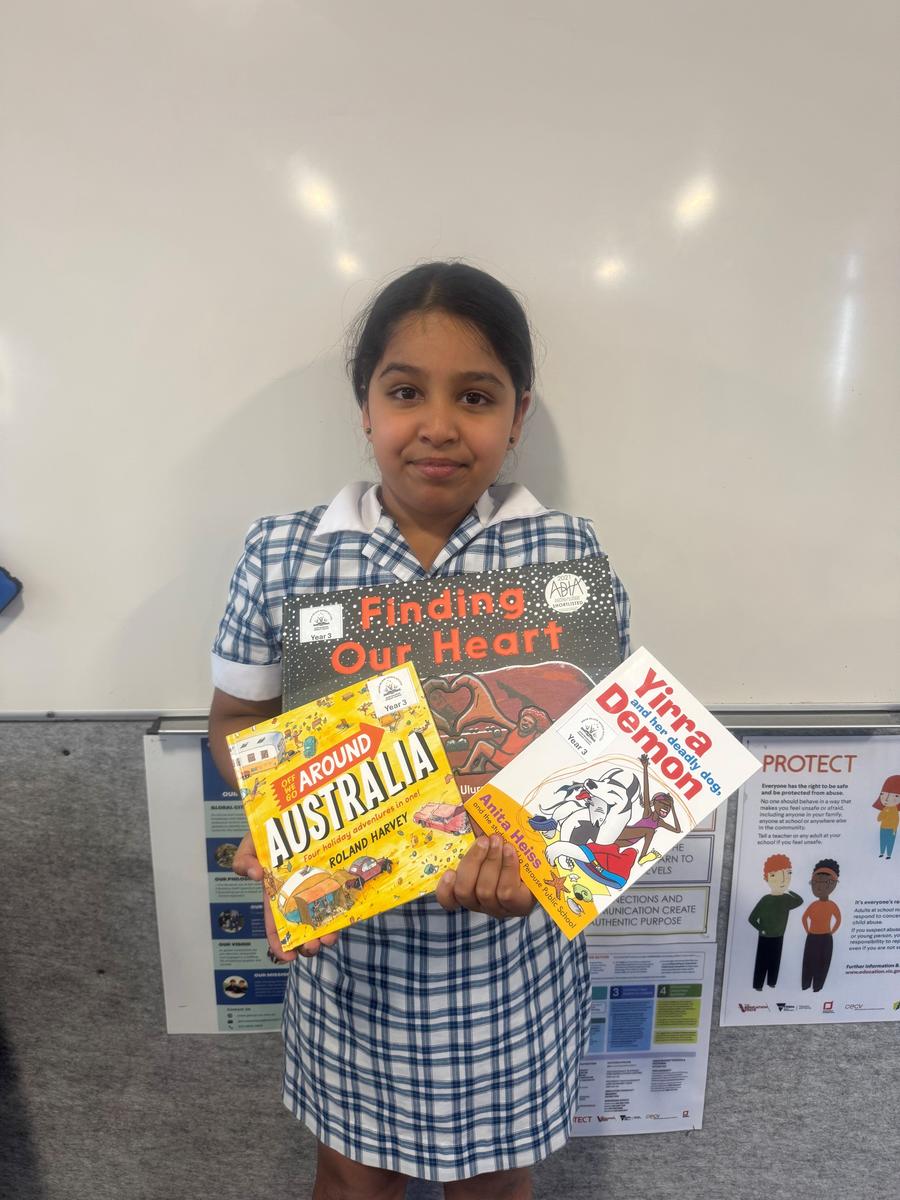
In Reading, learners will explore texts such as Off We Go Around Australia, Yirra and Her Deadly Dog, Demon, and Finding Our Heart, while developing their comprehension skills. They will focus on identifying key ideas, analysing text structures, and making meaningful connections between characters, settings and events to deepen their understanding.
Students will also examine how different text types are organised to inform, recount and express ideas and perspectives. They will be explicitly taught to identify purpose, audience and key language features, such as topic-specific vocabulary, sequencing and descriptive language, and will practise these skills through guided discussion and regular retrieval activities. Explicit teaching of key vocabulary will support students to confidently understand, use and apply new words across all text types, strengthening their reading, speaking and writing skills.
In Writing and Spelling, students will plan, draft, revise and edit their own explanatory, factual and personal response texts, focusing on creating clear and logical structures, selecting precise vocabulary, and applying accurate spelling patterns, punctuation and grammar.
In Speaking and Listening, students will participate in structured discussions, share their ideas and responses to texts, and practise speaking clearly and confidently for different purposes and audiences. They will build their ability to listen actively, ask and answer questions, and respectfully engage with others’ ideas through partner, small group and whole-class activities.
Lessons are underpinned by evidence-based practices from the Science of Learning, including explicit instruction, checking for understanding to support all learners in building confidence and success in English.
Key Vocabulary:
- Predict
- Summarise
- Question
- Clarify
- Infer
How can you support your child’s English learning at home?
- Read a variety of texts with your child each night, including explanatory, factual and personal response. Ask questions like: What is the purpose of this text? What did you learn? Who is the audience? How is the information organised?
- Encourage your child to talk about what they have read and share their ideas to build confidence in speaking and listening. Prompt them to explain their thinking, ask questions, and respond to others’ ideas in everyday conversations.
- Support your child in planning and creating their own writing by drawing on real-life experiences, topics of interest, or ideas from texts. Encourage them to say their ideas out loud before writing to help organise their thinking.
- Help your child practise their spelling words using strategies such as Look, Say, Name, Cover, Write and Check, and encourage them to use new vocabulary in their speaking and writing.
Mathematics
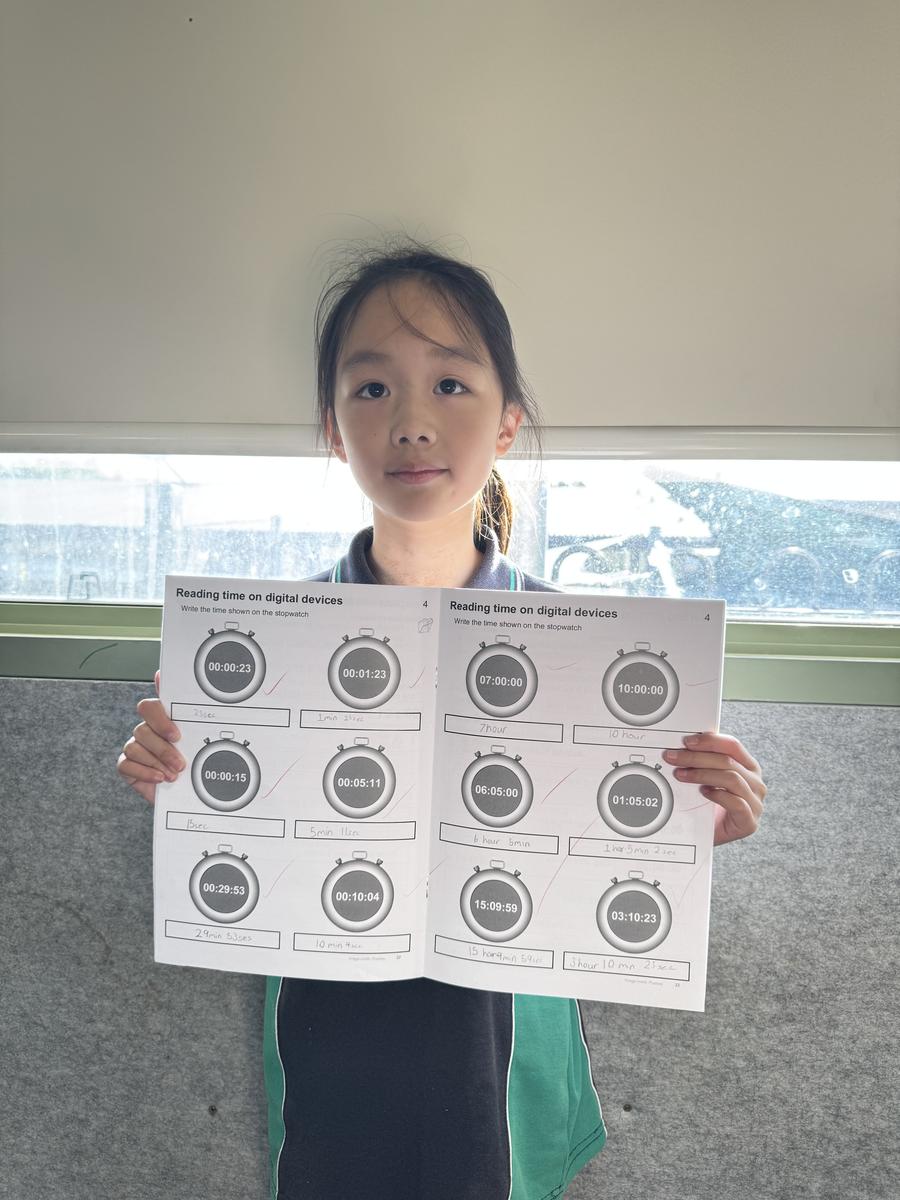
This term, students will participate in a structured and engaging Mathematics program designed to build strong foundational skills and deepen their understanding of key concepts. Learning experiences will be carefully sequenced to support all learners, with a focus on developing confidence, accuracy and problem-solving abilities. Teaching will incorporate a range of evidence-based strategies, including explicit instruction, regular review, and opportunities for practice and application.
Our learners will be exploring a variety of engaging topics, building their skills and confidence.
Multiplication and Division: As students develop their understanding of multiplication and division, they will build fluency with times tables and use these operations to solve problems in a range of contexts.
Fractions: Students will explore how whole numbers can be divided into equal parts and represent these in different ways.
Addition and Subtraction: Students will continue to strengthen their understanding of addition and subtraction by applying a range of strategies, such as regrouping and number lines, to solve increasingly complex problems.
Measurement: Students will investigate length and area by measuring, comparing and describing different objects and spaces using appropriate units.
Data: Students will collect, represent and interpret information using simple graphs and charts.
Space: Students will identify, describe and classify two-dimensional shapes based on their features.
Key Vocabulary:
- Multiply
- Divide
- Unit fractions
- Discrete and categorical data
Estimating
How can you support your child’s Mathematics learning at home?
- Plan a daily timetable at home together, writing down times that your child completes certain tasks and estimating how long it will take them do a task, such as brushing their teeth or eating breakfast.
- Estimate the lengths of objects at home or when out shopping.
- Identify unit fractions in real life, for example taking note of halves, quarters and thirds in cooking recipes.
Inquiry
Question: How might living things be dependent on each other?
Global Theme: Environmental Sustainability
Global Goal: Life Below Water and Life on Land
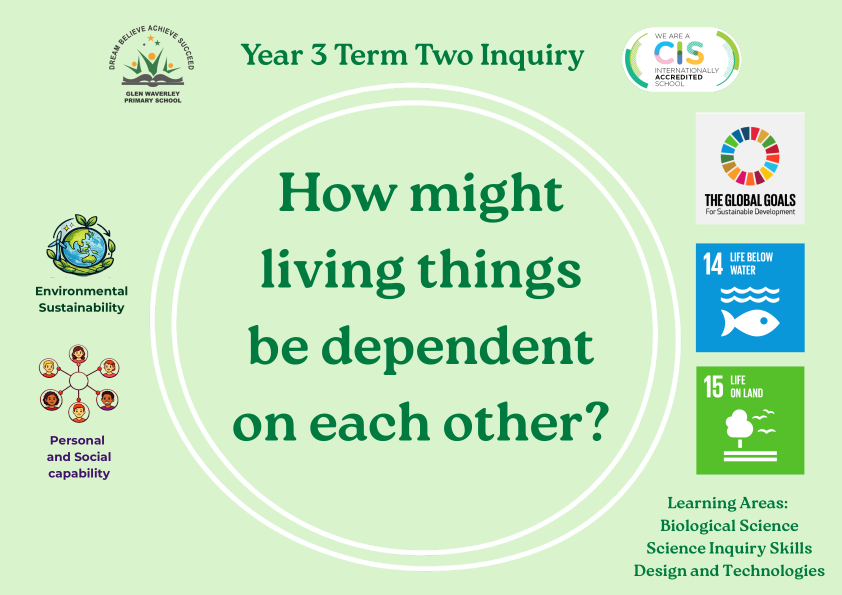
Throughout Term Two, Level Three students will investigate the Inquiry question ‘How might living things be dependent on each other?’ Students will explore how their personal decision-making can impact the world around them, identifying various positive and negative effects that humans have on the environment. They will deepen their understanding of living, once living and non-living things. Students delve into life cycles of different plants and animals and develop an understanding of the regularity and predictability of cycles. Students describe relationships that assist the survival of living things and how this impacts life cycles. They investigate a chosen issue in their local environment and design and create solutions to have a positive impact on their local flora and fauna.
Key Vocabulary:
- Flora
- Fauna
- Ecosystem
- Deforestation
- Extinctions
- Dependent
- Sustainability
Overfishing
How can you support your child’s Inquiry learning at home?
- Go on a nature walk and notice the different native flora and fauna that can be seen.
- Encourage time in nature and appreciate different habitats.
- Discuss different solutions that could support the thriving of native flora and fauna.
Wellbeing
The Resilience Project
During Term Two, students will be delving deeper into The Resilience Project. We will continue learning about Gratitude, Empathy, Mindfulness and Emotional Literacy. We will conduct GEMEL chats and have discussions around how we can create a positive wellbeing and build resilience. We will learn about the School Values of Integrity, Respect, Initiative and Global Empathy and how these four values are followed in the classroom and throughout the school. We will explore, discuss and demonstrate the expectations of behaviour.
Cyber Safety Project
Students will continue their journey into cyber safety by developing essential skills to navigate the online world safely and responsibly. Through engaging lessons and discussions, they will learn how to identify reliable websites and sources, recognise scams, and understand the importance of protecting personal information such as passwords and contact details. They will also explore strategies for maintaining respectful digital communication, managing screen time, and knowing what to do if they encounter unsafe or uncomfortable situations online. These lessons aim to empower students to make informed decisions and become responsible digital citizens.
Key Vocabulary:
- Resilience
- Respect
- Gratitude
- Empathy
- Secure
Responsibility
How can you support your child’s Wellbeing learning at home?
- We also encourage parents and families to have GEMEL chats at home. For example, what has made you smile today?
- Ask your child what they have been learning about in TRP learning time.
- Ask them how they have shown gratitude, empathy and mindfulness at school.
- Our families have access to the Resilience Project Home - TRP@HOME portal along with the Cyber Safety Project home Resources - Cyber Safety Project.