Wellbeing Hub #2
Jacinta Fisher

Wellbeing Hub #2
Jacinta Fisher
At The Gap SHS, we know that accessing mental health support can feel overwhelming. Below are some options for support available at school, in the local area, and online to help young people connect with the right kind of support when they need it most.
Guidance Officers at School
Our Guidance Officers are a great first point of contact for students seeking help with their wellbeing. They can offer counselling, emotional support, and assistance in connecting students to external mental health services.
How to make an appointment:
School-Based Nurse
Our school-based nurse is another great person students can talk to if they’re feeling stressed, overwhelmed, or unsure about their mental health. The nurse can help students understand what they’re feeling, give them strategies to look after their wellbeing, and guide them on whether they might need extra support.
Headspace (Ages 12–25)
Headspace offers youth‑friendly mental health services, including counselling, wellbeing support, and help with managing school, work, or study concerns.
Local Headspace Options (In‑Person Support)
Only the most accessible centres for families in The Gap are listed here:
Online Headspace Supports (Highly Recommended)
If travelling to a centre is difficult, Headspace also provides online and phone‑based services, making it easy to access support from home.
Online supports include:
These options are ideal for young people who prefer privacy, flexibility, or after‑hours assistance.
GP Support at School or your Local Doctor
A GP can listen, discuss symptoms, assess if there are any physical contributors to how they are feeling, and provide referrals to counsellors, psychologists or psychiatrists in the area. GPs can also create Mental Health Treatment Plans which gives individuals access to Medicare-subsidised appointments with mental health professionals. You can book an appointment with our school GP – Tania, by dropping down to the Wellbeing Hub #2 or by completing the online referral form found on your student SharePoint page. Tania visits the school every 2nd Wednesday.
Private Practitioners
If the private psychologist referral the GP provided doesn’t feel like the right fit, and you want to explore other options, here are some easy steps to help you find the right person:
1. Search on Google
Try typing things like:
Google Maps will show nearby options, reviews, opening hours, and links to their websites. Zoom in around The Gap, neighbouring suburbs, or areas you're willing to travel to. Oftentimes it helps to look outside of The Gap as we are a bit secluded up here and it can be limiting, so checking areas 1-2 suburbs away such as Ashgrove, Ferny Hills, Arana Hills, Keperra, Paddington and Bardon. If transport is a concern, for older adolescents it would be worth looking for practices on main roads/bus routes.
Quick Tip: Look past the first page of listings on google, or even try utilising AI to identify practitioners that match your support needs.
2. Visit the Practitioner’s Website
Most private practitioners list important information such as:
Days that they work – some will offer later after hours and even weekend appointments
Clinical vs General Psychologists (Quick Tip): Don’t worry too much about whether someone is a clinical or general psychologist — both are qualified to support young people with their mental health. What matters most is finding someone whose personality, approach, and areas of interest are a good match. Feeling comfortable and supported is far more important than the title they hold.
3. Check Fees and Rebates
Fees can vary significantly. Things to look for:
Medicare offers additional rebates for Clinical Psychologists however they often also have higher fees, so the out-of-pocket cost (GAP fee) is often very similar to general psychologists or psychologists with other areas of endorsement e.g. counselling, health, or sport and exercise psychology.
4. Ask About Waiting Times
Many private psychologists have waitlists, however there are plenty with little to no wait time – it might just take a bit of research to find them. Looking at social media, their website or giving the practice a call can help you find a practitioner with a shorter wait list can help you get support sooner.
When you contact the practice, it’s helpful to ask:
After school appointments can be hard to book with child and adolescent psychologists, it is worth asking if the psychologist has future availability after school and booking an initial appointment in school hours if support is needed sooner.
5. Consider Telehealth Options
If in‑person availability in your area is limited and transport out of the area is difficult, many practitioners offer video sessions, which can make scheduling easier and may reduce waiting times. Some practitioners are telehealth only practices and offer services Australia wide (so do not need to be local to Brisbane).
6. Trust the “Fit”
The connection between the young person and their practitioner matters for therapy to be helpful and effective. If the connection between the young person and their practitioner isn’t right, it is unlikely that the young person will engage fully in the process. It is more than okay to try one or two sessions and then decide if it feels like the right match and change practitioners if the fit isn’t right.
National Support Services (Phone & Online)
Kids Helpline (Ages 5–25): 1800 55 1800
24/7 phone and online counselling for young people seeking confidential emotional support. More information and resources can be found on their website: https://kidshelpline.com.au/
QLife (LGBTQIA+ Support): 1800 184 527
Free, anonymous phone and web‑chat support for LGBTQIA+ young people. Their webchat is available via their website from 3pm to 9pm everyday: https://qlife.org.au/
Lifeline (All Ages): 13 11 14
24/7 crisis support by phone or text for anyone experiencing emotional distress.
13 YARN (all ages): 13 92 76
24/7 crisis support for Aboriginal and Torres Strait Island people
Beyond Blue: 1300 22 4626
24/7 mental health support service
We’re Here to Support You
Whether a student needs someone to talk to, guidance navigating mental health services, or help with school, work, or study challenges, support is available. The wellbeing team and Guidance Officers at The Gap SHS are always here to help connect families with the right pathways.
This month, some of our wellbeing team attended the Brisbane Disability Expo—an event showcasing services, supports, and innovations designed to empower people with disabilities and neurodiversity.
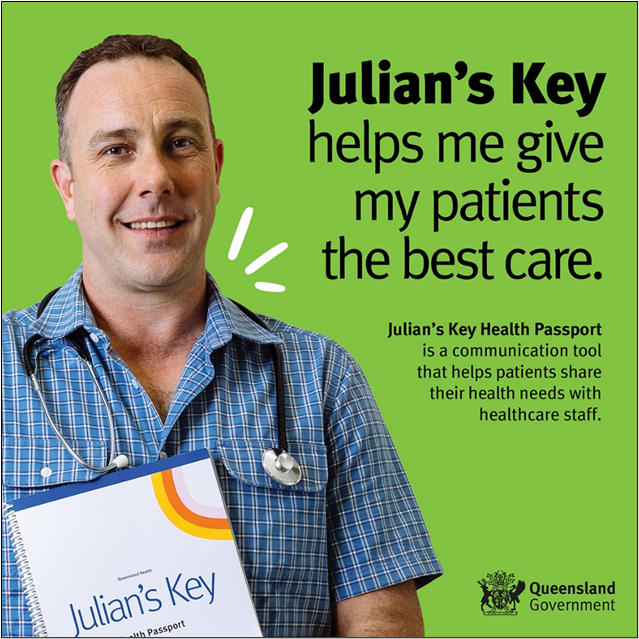
One of the standout initiatives was Julian’s Key. This Queensland Government program provides individuals with disability and/or neurodiversity a personalised health passport that helps communicate important information to health professionals.
The passport can include communication preferences, medical details, sensory supports and other key insights, helping ensure that people are understood, respected, and supported during health appointments.
This resource has great potential to improve confidence, communication, and overall wellbeing for young people and their families.
To learn more, search Julian’s Key Health Passport or call 13 HEALTH (13 43 25 84).