Specialist
F-2
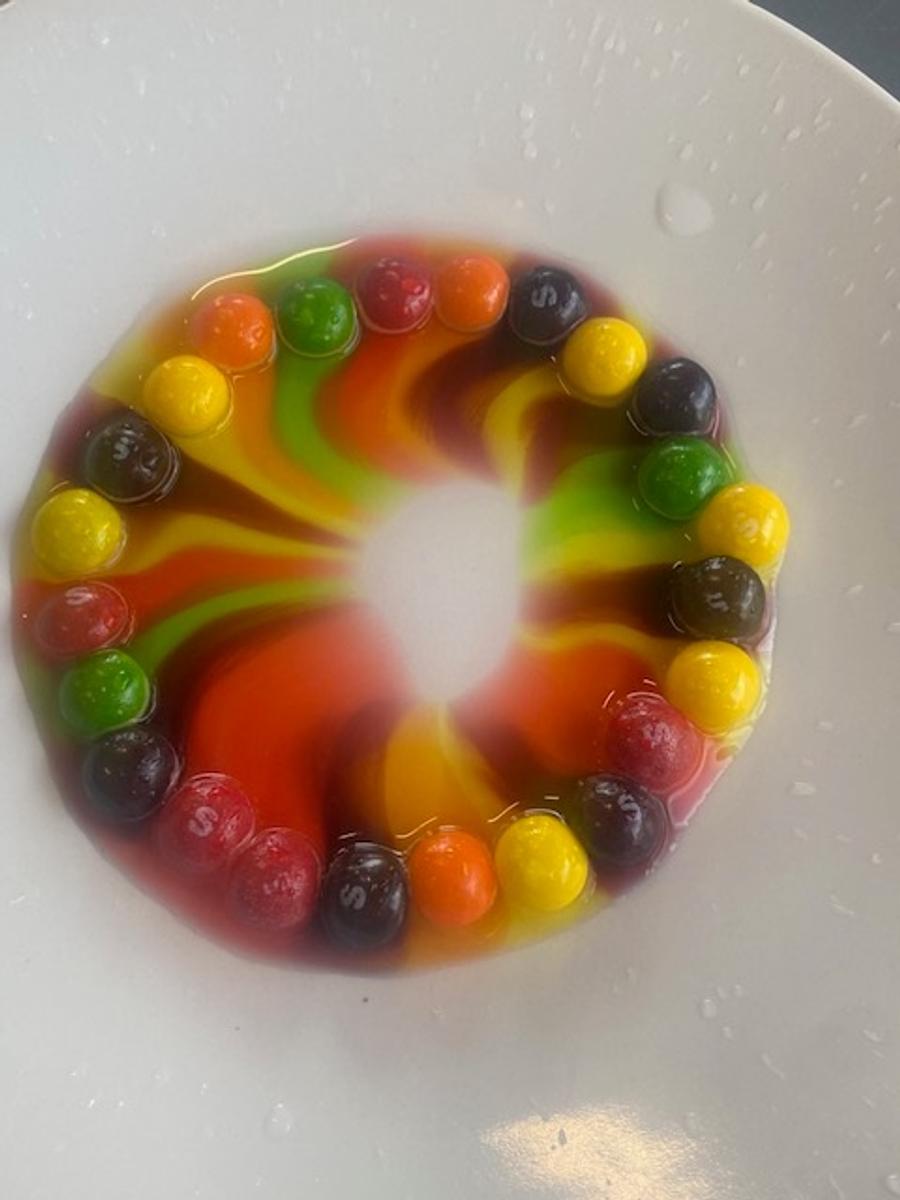
This fortnight, the Foundation and 1/2 students created the most stunning rainbow effect using skittles. They used patterns and shapes using skittles that made a design on a plate. The students then predicted what might happen once we added a liquid like milk or water. We discussed the temperatures of the liquids and how that affected the movement of the food dye. Once the liquid was added, the students watched as the food dye bled and formed a gorgeous rainbow!
Year 3-6
This fortnight, the 3-6 students have created an experiment called 'elephant toothpaste'. This experiment uses a chemical called hydrogen peroxide to form a thermic chemical reaction. After the students created a digital experiment using CANVA, the students then performed the experiment. The students made predictions and discussed how peroxide and yeast performed to cause this chemical reaction.
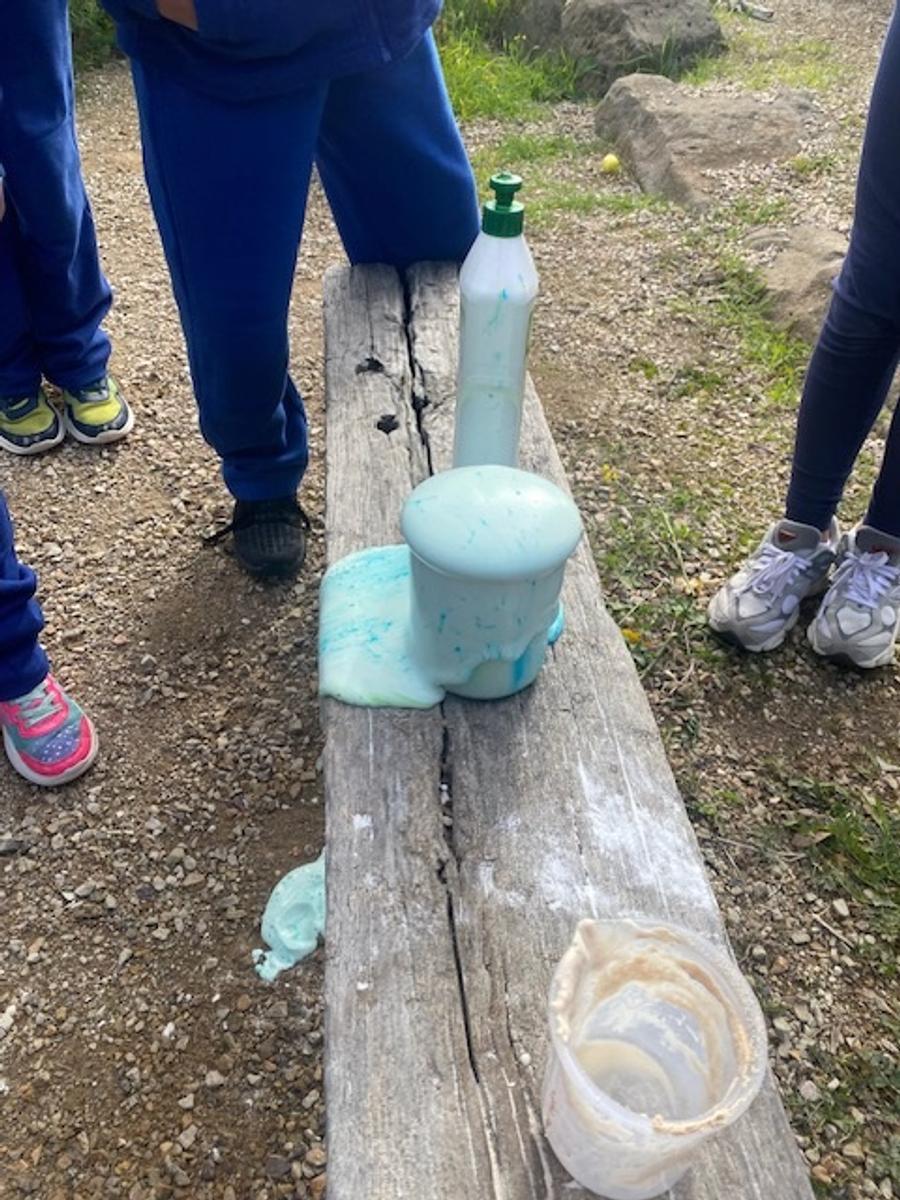
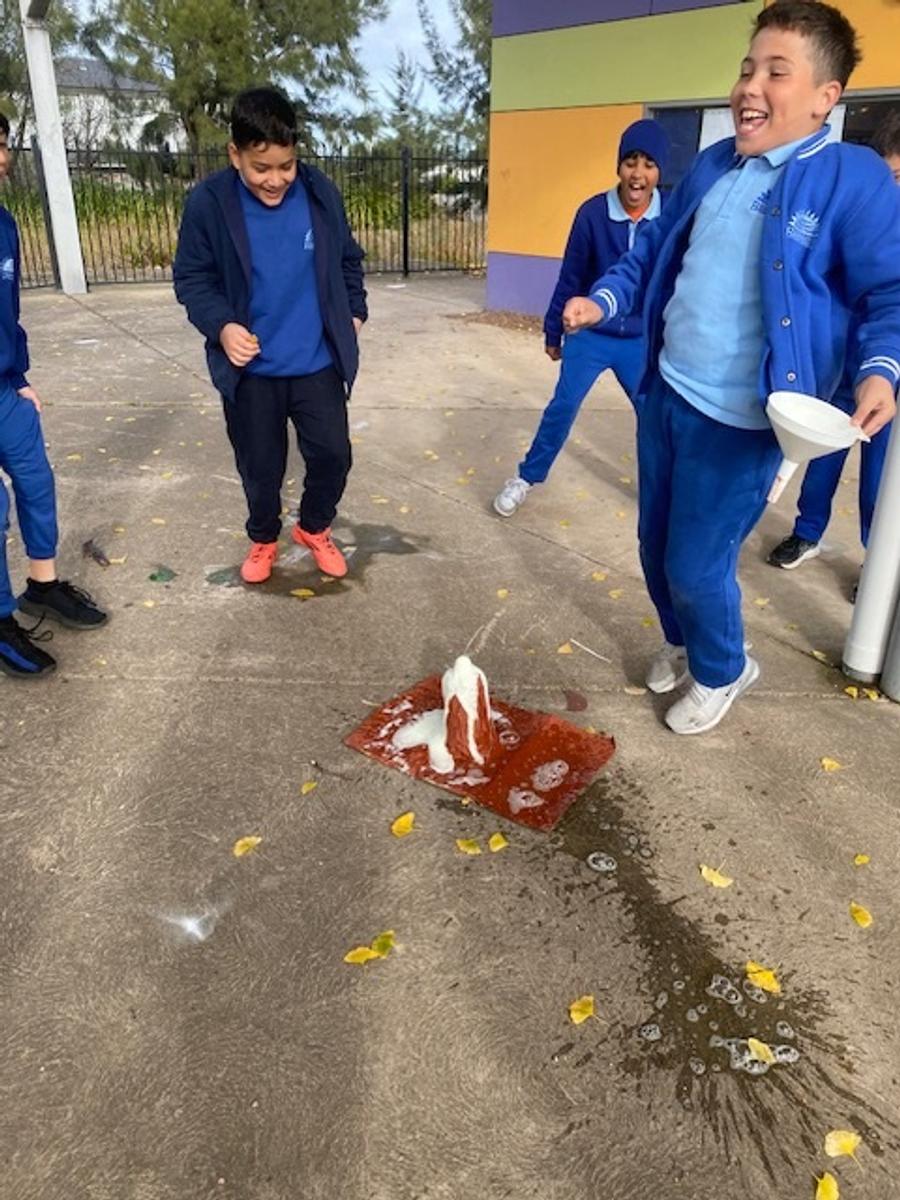
The 5/6s finally completed their volcano projects. The students then checked if their volcano was able to resist damage from applying their experiment. Some students used baking soda, vinegar and dish soap, some used mentos and coke and some used elephants toothpaste. It was thrilling to watch the students watch their volcanos in action and explode some form of foamy chemical reaction. We are hoping to show case these at the next school showcase on Monday morning!
FOUNDATION:
In our Foundation sessions, we have been creating flowers out of patty pans, pipe cleaners and buttons. Students have also been practising their drawing skills, learning how to follow a series of instructions to create a picture.
GRADE 1/2:
In grade 1/2, the students have been practising their drawing skills by following a series of instructions. They have been focusing on colouring within the lines.
GRADE 3/4:
In grade 3/4, students have been painting watercolour flowers and cutting them out to place in a vase. These are being placed in the foyer for students and parents to view.
GRADE 5/6:
In grade 5/6 students have been completing unfinished tasks from throughout the term. When they finished all tasks, they were able to practise some neurographic art, where they would scrunch their piece of paper up and follow the lines with a pen.
Physical Education [PE] is a tremendous way to get students active while also teaching them important life skills, improve their physical health, and develop a love for being active.
During PE, students will:
- focus on fundamental skills [e.g. running, catching, balance]
- play games to reinforce the skills
- foster social skills
- celebrate their efforts, building confidence and a love for sport.
Each session will have a:
- warm-up activity to get their muscles ready
- skill development activity
- fun game - teamwork and cooperation.
We have started PE this term by playing students’ favourite games, teaching the skill of running, and for the 5/6s playing Interschool Sports.
FOUNDATION:
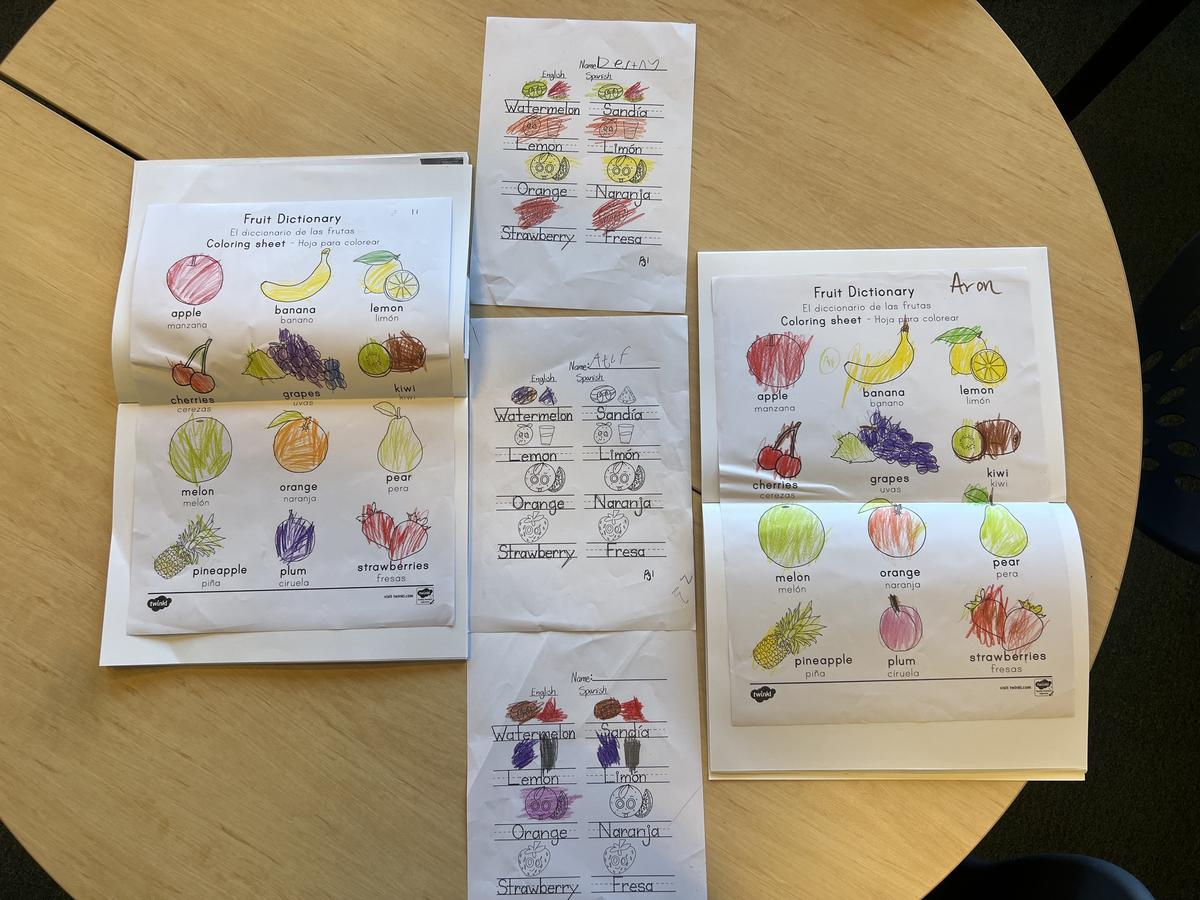
This fortnight, our Prep students had a delightful time learning the names of fruits in Spanish! Through engaging videos and lively songs, they discovered how to say manzana (apple), banano (banana), naranja (orange), uva (grape), and fresa (strawberry). These fun, interactive activities helped students build their vocabulary while enjoying the rhythm and melody of the Spanish language. ¡Qué divertido!
GRADE 1/2:
For our Year 1/2 students, the learning of fruits was taken to the next level. They expanded their vocabulary and began forming simple sentences, such as “Me gusta la naranja” (I like the orange) and “Mi fruta favorita es la uva” (My favourite fruit is the grape). This extension encouraged students to express preferences and engage in basic conversations, building confidence in their Spanish-speaking skills.
GRADE 3/4:
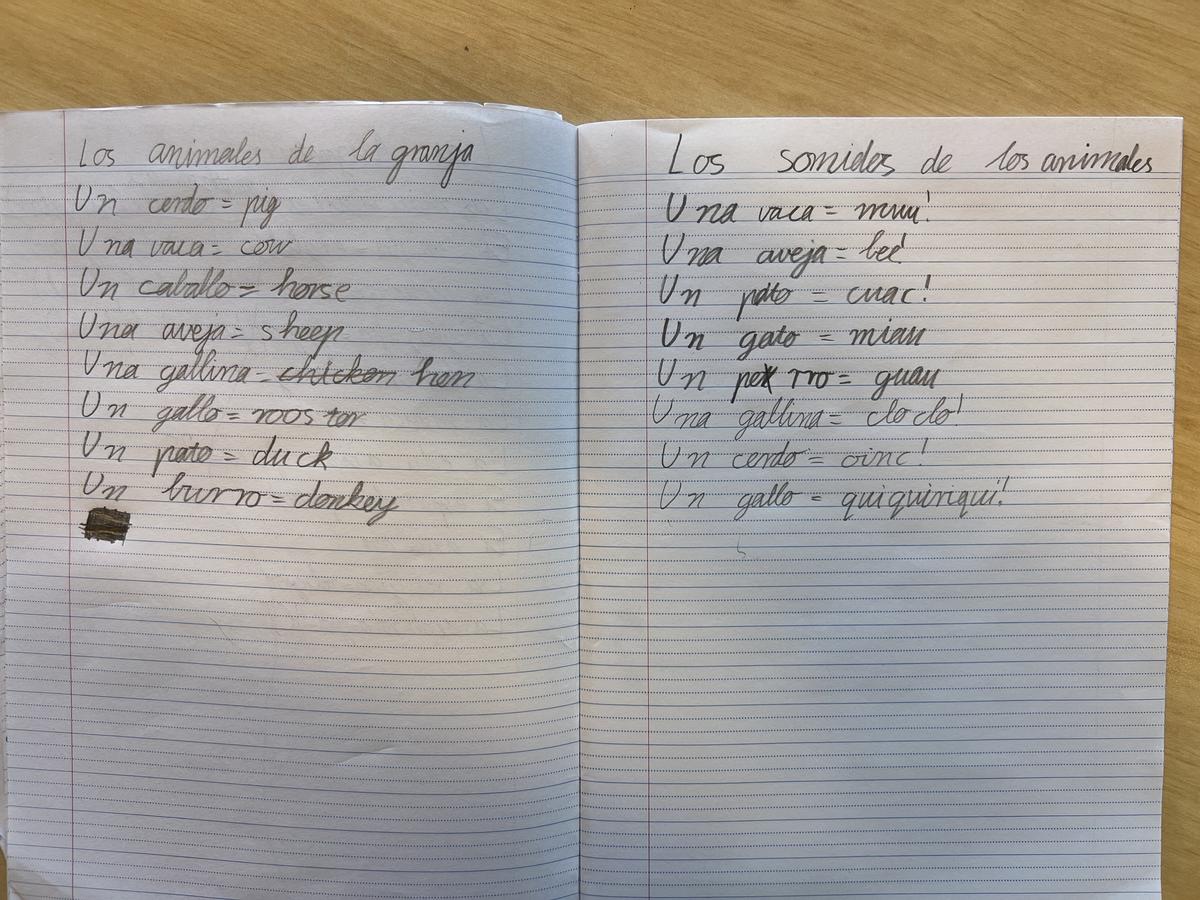
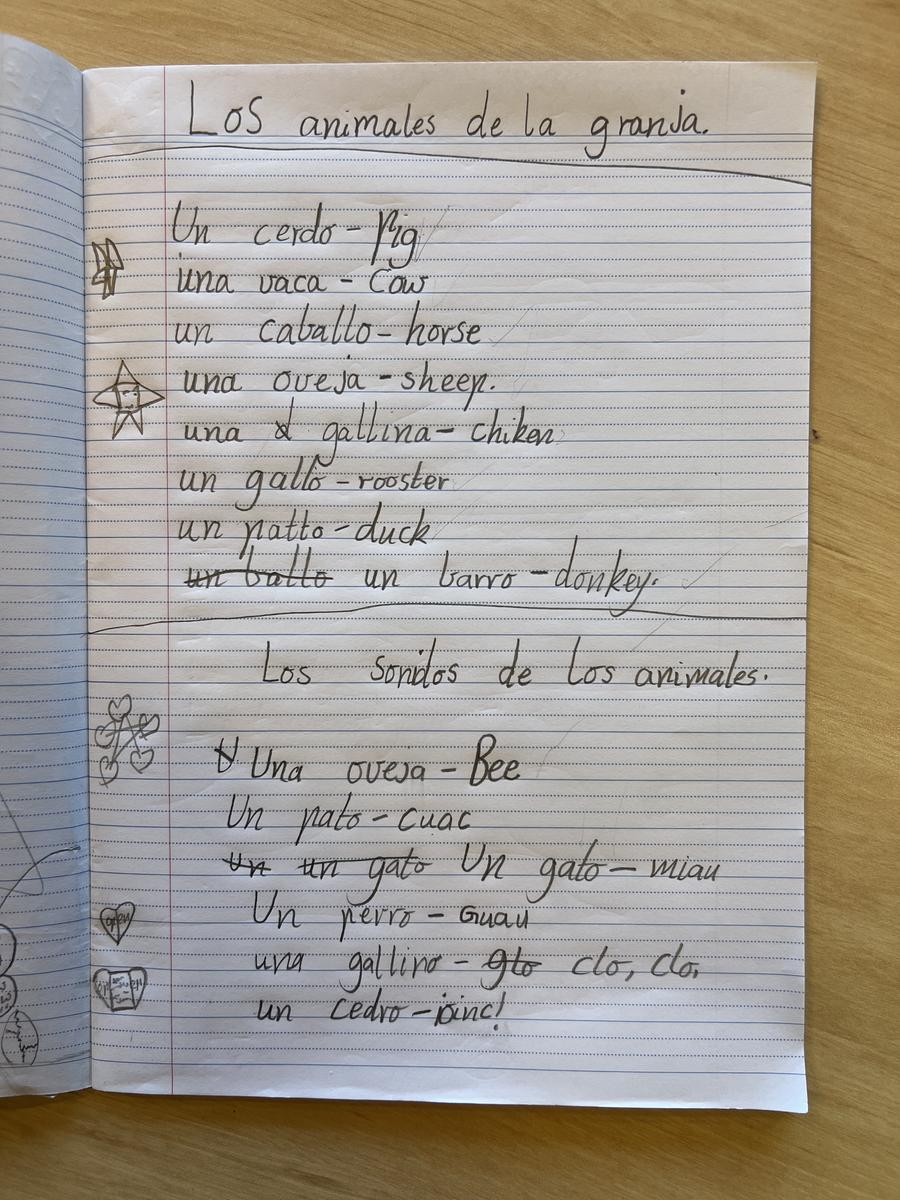
Our Year 3/4 students had a fantastic time diving into the world of farm animals—en español! They learned to identify a variety of farm animals in Spanish, such as vaca (cow), cerdo (pig), oveja (sheep), and gallo (rooster), and explored the fascinating idea that while animals make the same sounds around the world, each language represents those sounds differently.
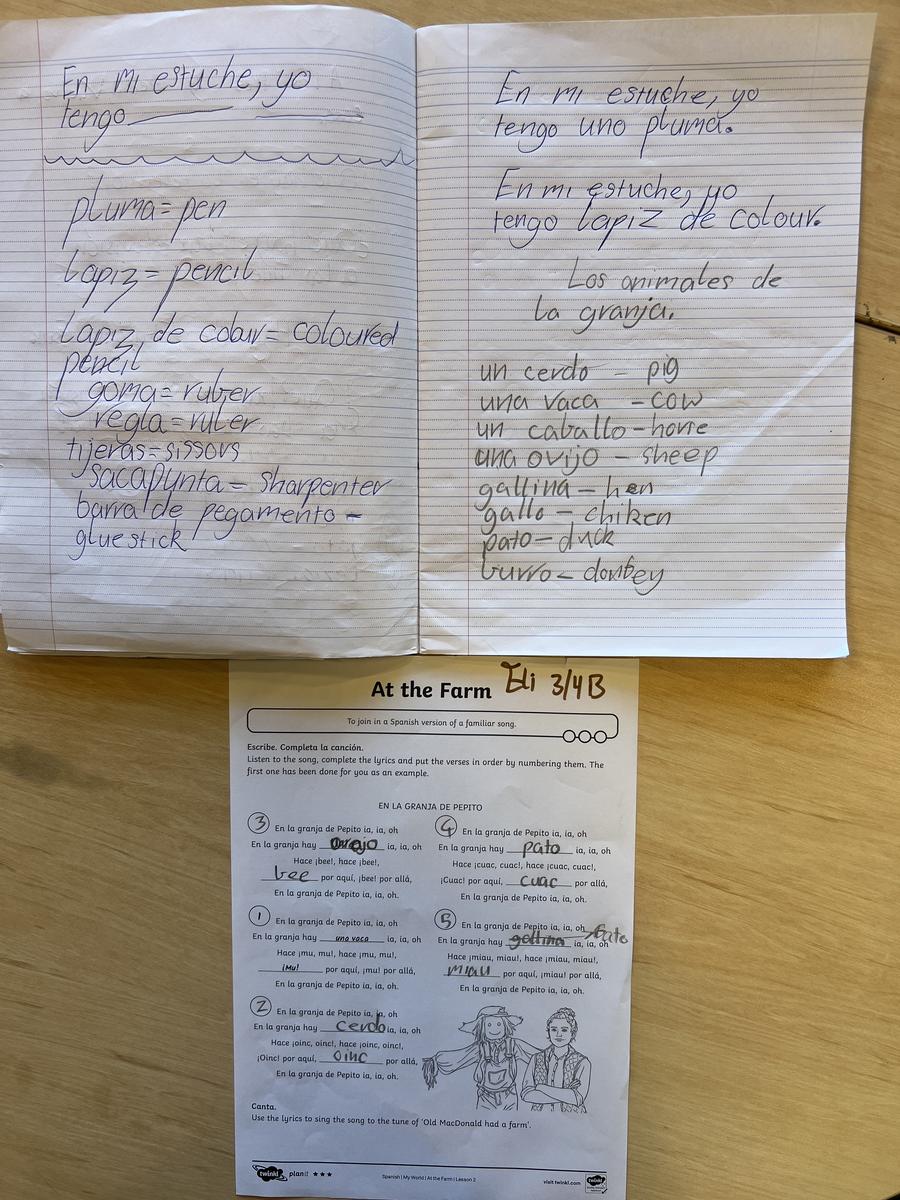
Through a fun and catchy Spanish song, students compared how animal sounds are written and pronounced in Spanish versus English—for example, a rooster says “kikirikí” in Spanish instead of “cock-a-doodle-doo.” They listened carefully to the lyrics, completed an activity sheet by filling in missing words, and enthusiastically joined in on the repeated phrases. This engaging lesson helped students deepen their understanding of language, culture, and sound representation—all while having a great time!
Grade 5/6
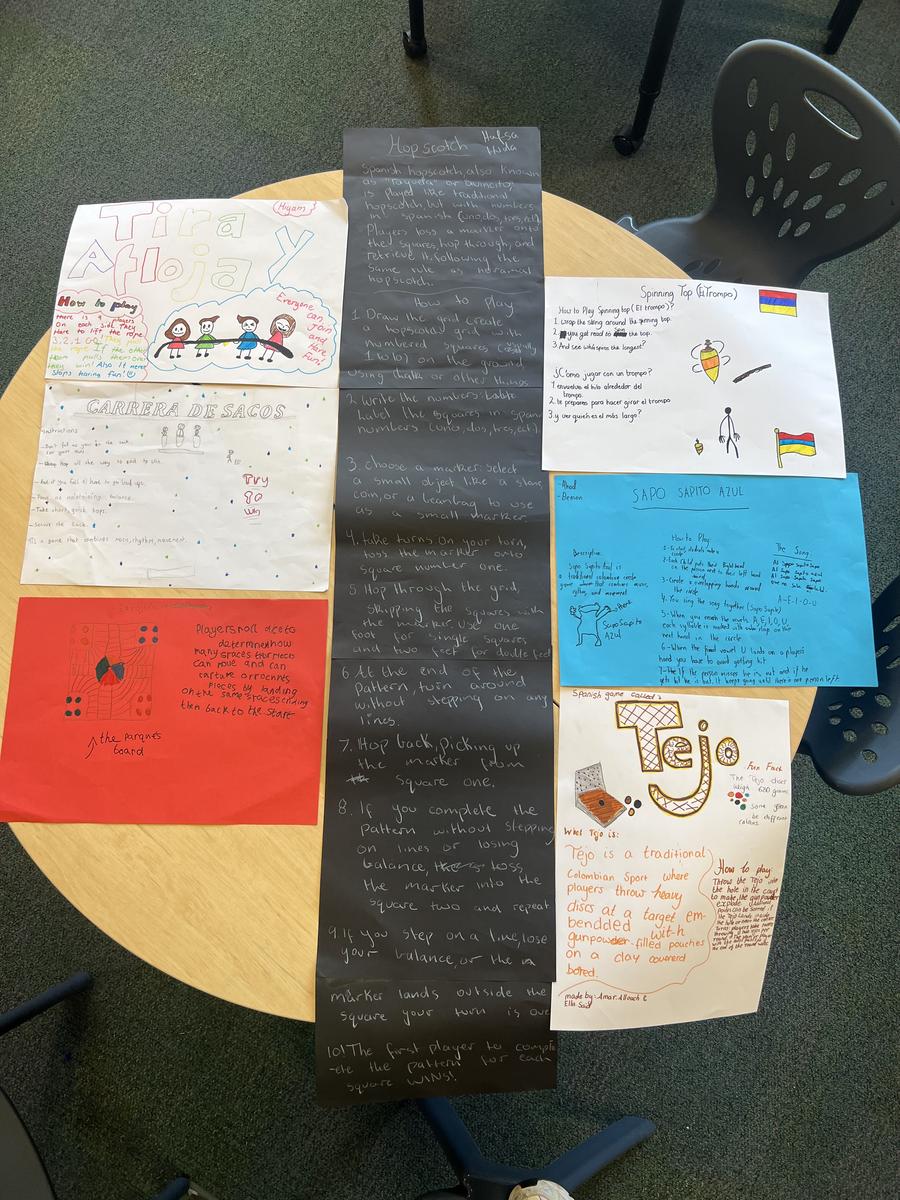
Grade 5/6 students have been working on a new project where they’ll teach their peers about traditional Latin American children’s games. This unit is helping students build confidence in using Spanish in real-life contexts. Keep up the good work!