KITE

Deeper Thinking: Designing Learning that Matters
We don’t know how advanced AI is going to get [and so] we have to prepare kids for absolutely anything. [They need to] pivot, adapt, and think critically about the world around them. And most of those skills don’t have anything to do with technology.
- Sinead Bovell, Futurist and Entrepreneur
At Kambala, we design learning for our girls to become the authors of their own lives. Cultivating this in the classroom means providing opportunities for our students to practise the necessary skills required to be, as Bovell highlights, adaptive responders to the complexities that will challenge them.
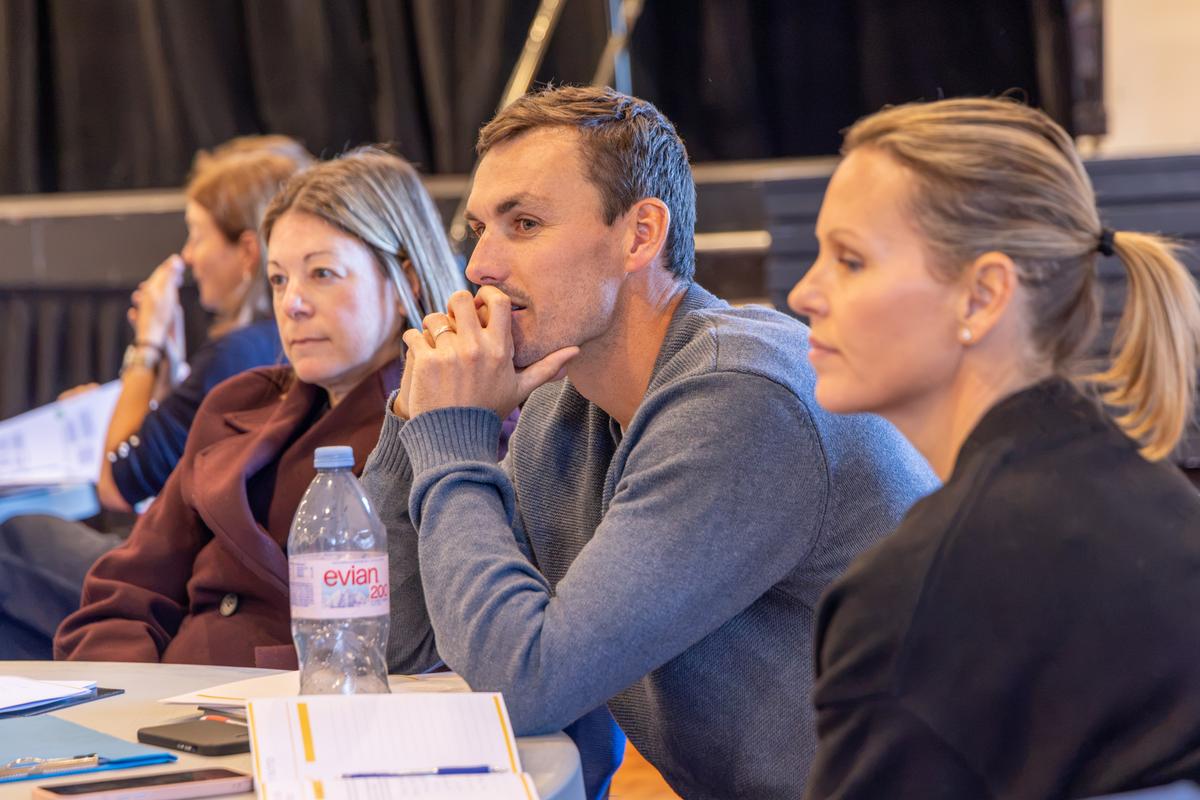
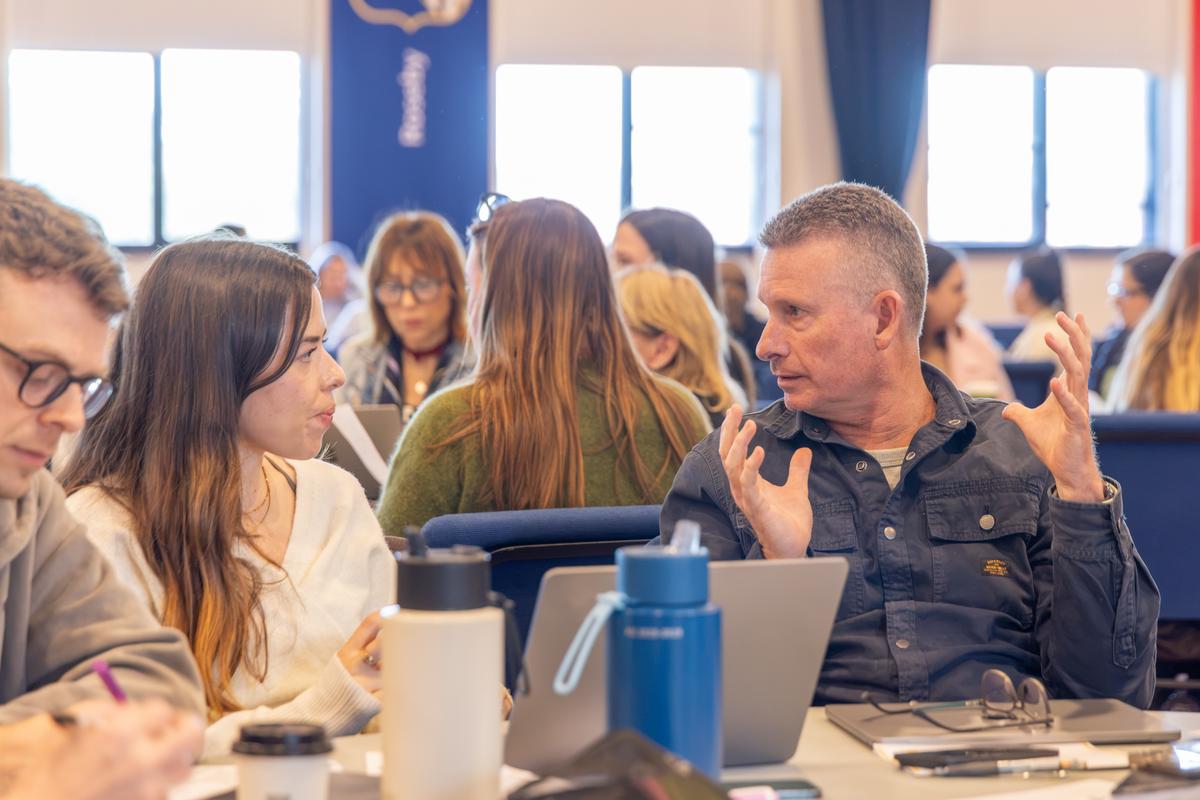
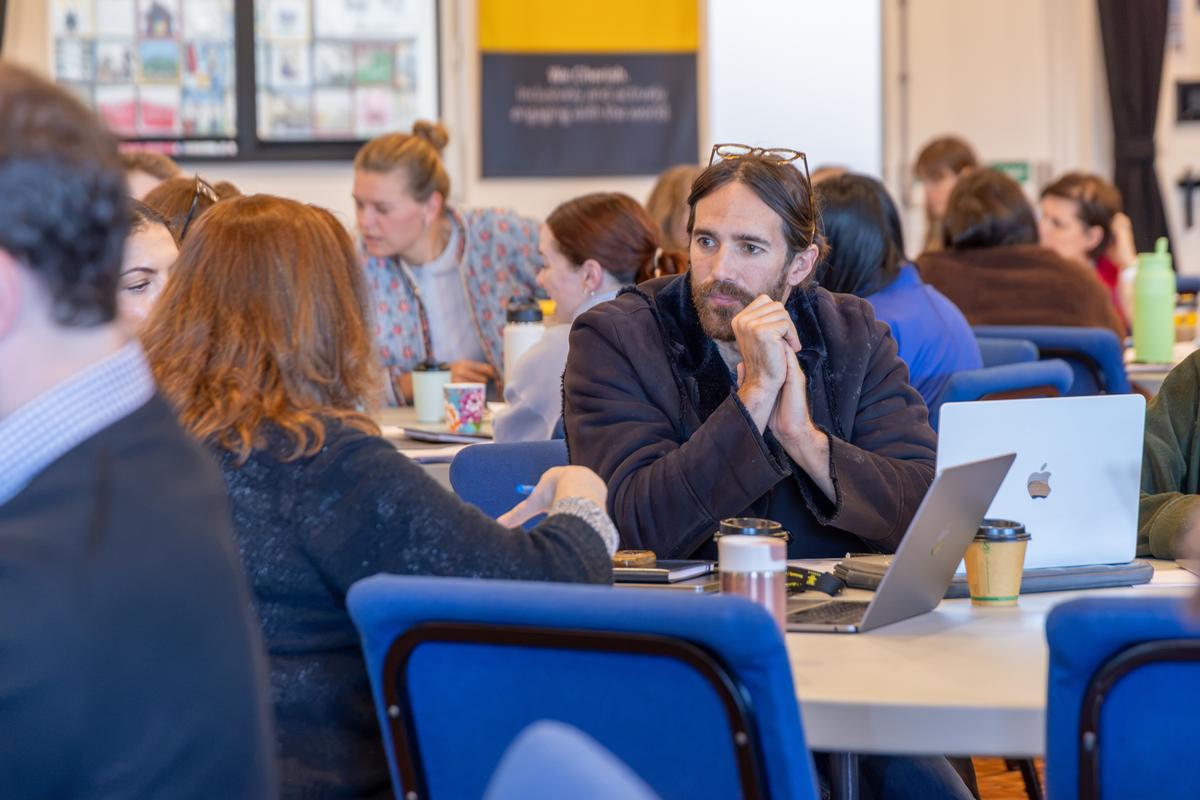
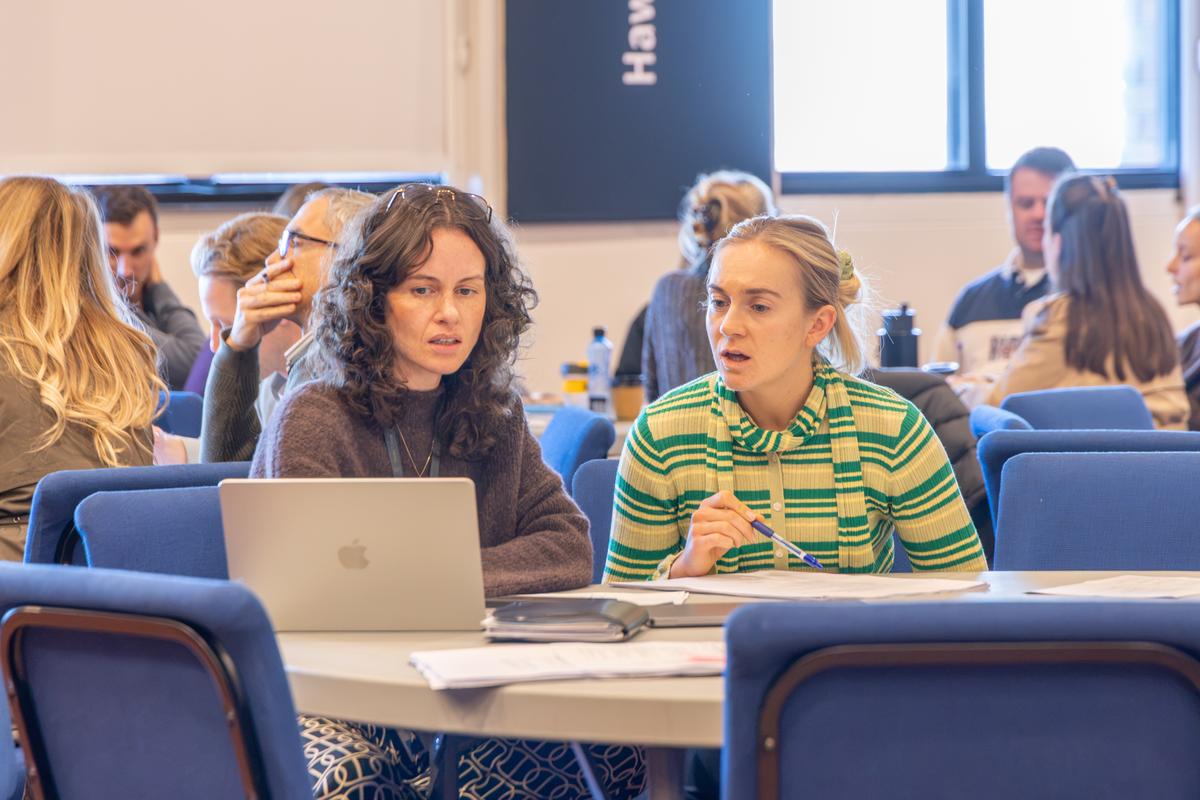
As a culture of thinking, our continued investment in learning from Project Zero at Harvard University informs the delivery of professional learning that focuses on keeping up to date with the latest trends in educational research. Our Term 3 Staff Day, focused on why a culture of thinking is more important than ever. As artificial intelligence is premised on outsourcing thinking, this poses a risk to our young people at the most fertile time in their neurological development. Therefore, our classrooms must continue to provide opportunities for deep thinking, so our students can “pivot, adapt, and think critically”.
Incorporating student voice into the evaluation of learning enriches our practice. As a group of Middle Leaders highlighted through focus group interviews with Year 9 and 10 students, learning is “most enjoyable when it is active and participatory.” Therefore, we want our classrooms to remain an antidote to the temptation of AI learning shortcuts: a playground of inquiry that will prepare our students “for absolutely anything.”
In the KITE section of the Solstice, we outline the philosophy underpinning the Kambala approach to AI, our representation at Parliament House for National Science Week, and a Year 2 picture of practice showcasing our culture of thinking in action.
Lauren Walsh
Executive Director of Professional Practice & Learning Culture
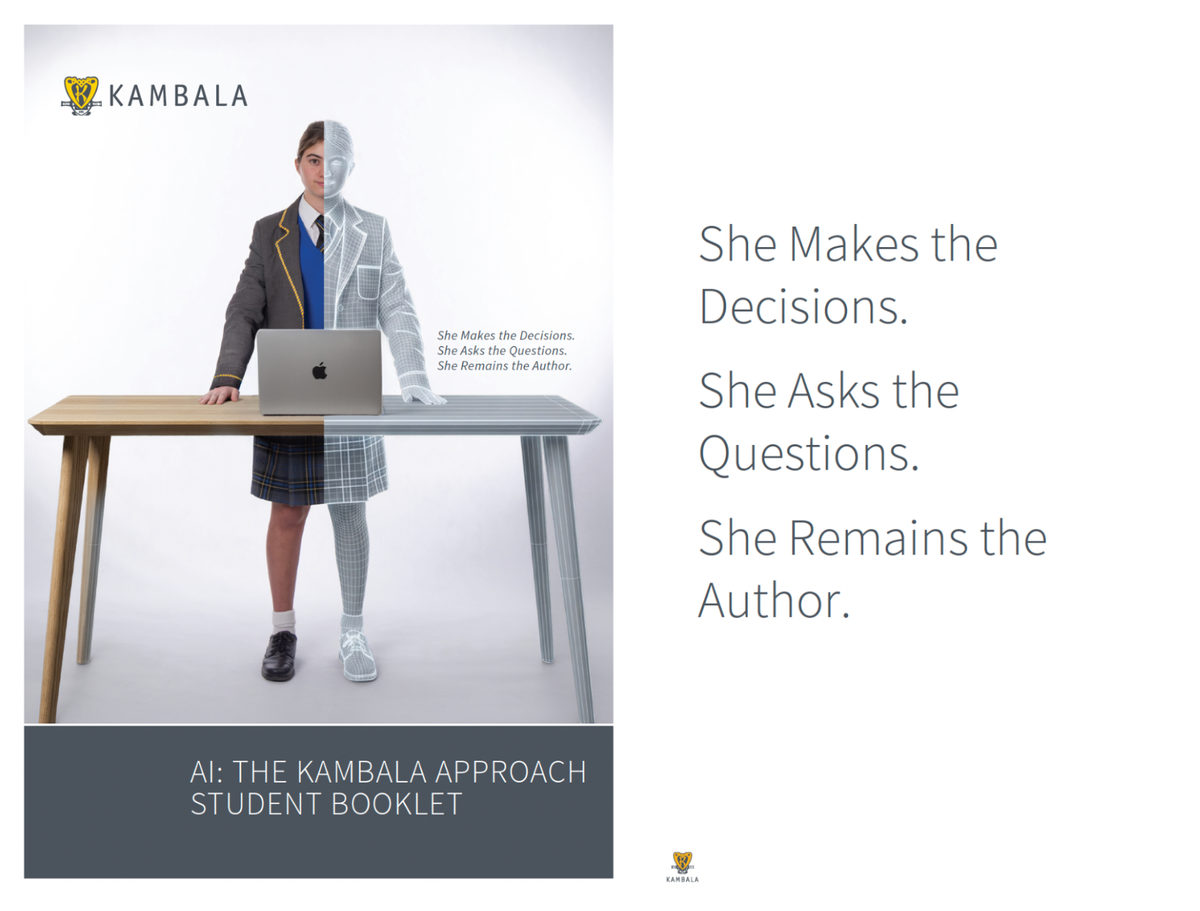
Remaining the Author: The Kambala Approach to AI
What should remain distinctly human in a world increasingly shaped by artificial intelligence?
As generative artificial intelligence becomes part of everyday life, our educational responsibility is twofold: to prepare students for a future in which AI will play a significant role, while protecting the intellectual development that comes from students thinking - deeply - for themselves.
This principle is foundational to AI: The Kambala Approach. Senior School students will receive the booklet in the coming weeks, and we encourage families to read through it together. Families will also be able to access the booklet, together with further information and resources, through the Sundial Artificial Intelligence Hub for Parents. These resources support a shared understanding of how AI can be used appropriately and responsibly for learning.
Kambala has been working purposefully in this space since 2023, with sustained professional learning for staff and AI literacy programs for students across the Junior and Senior Schools. Our approach continues to evolve alongside emerging international research and educational frameworks, while remaining firmly grounded in our philosophy as a culture of thinking.
As the technology continues to evolve, so too will our approach. What will remain constant is our expectation that, if a student chooses to use AI, it must support rather than replace their thinking.
Olga Ibrahim
Leader of Digital Innovation and Strategy
Making Thinking Visible at Science in the House
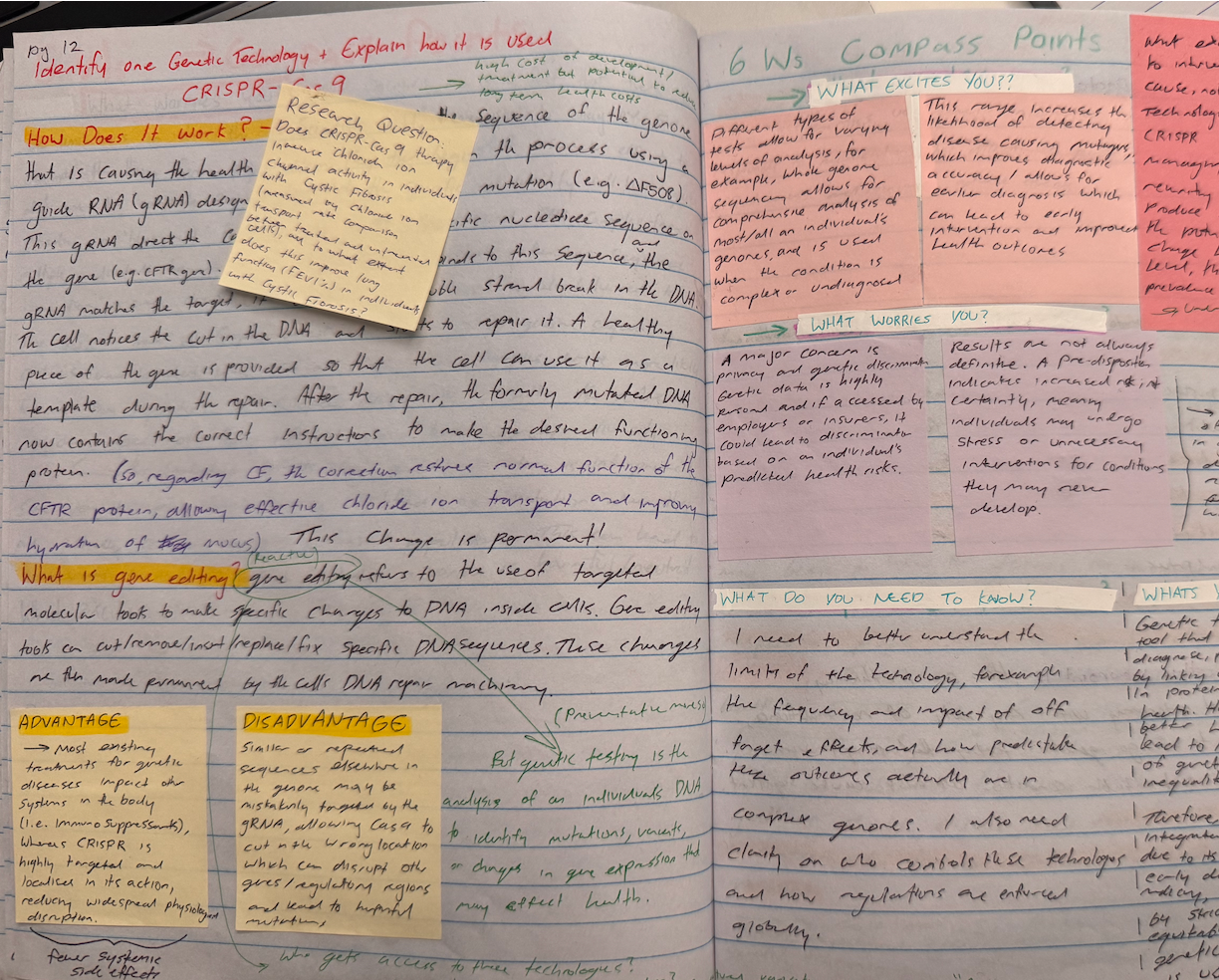
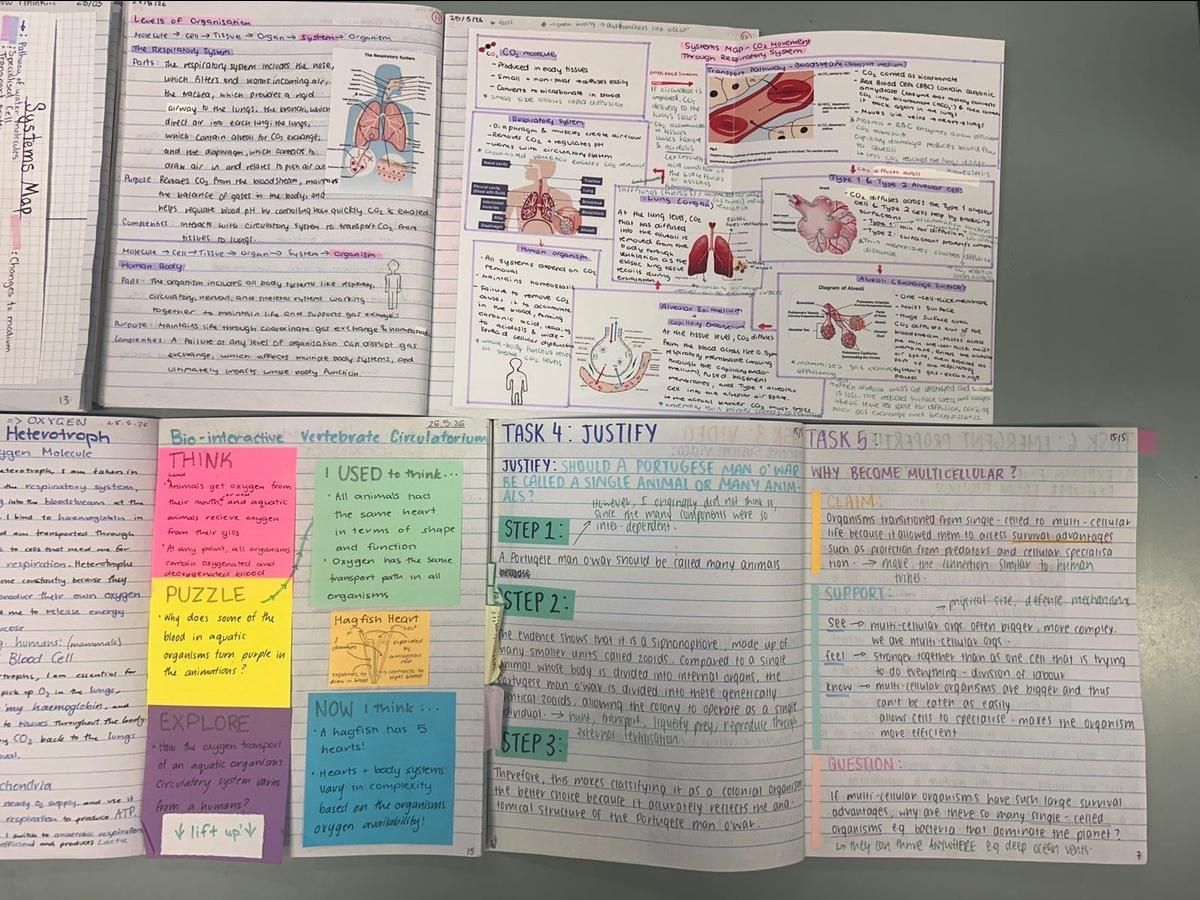
When Charles Darwin developed his theory of evolution, one of the most significant scientific ideas of the modern world, the initial seeds of thought were captured within the creative mess of his observation journals. Through sketches, questions, incomplete ideas and continual revisions, Darwin continuously made his thinking visible.
Scientific discovery has always relied on this process of questioning, testing, challenging, reviewing and extending ideas in response to evidence. It is on this very premise that I was selected to represent Kambala at Science in the House, held at NSW Parliament on Wednesday 5 August. Kambala was one of only ten exhibiting schools from metropolitan and regional NSW. Organised by the Science Teachers’ Association of NSW in the lead-up to National Science Week, the event brought together teachers, students, scientists and policymakers to celebrate outstanding science education across the state. It reflected this year’s theme, Seeds of Science: Nurturing Knowledge for All, recognising the importance of curiosity, inquiry and discovery in every classroom.
Our exhibit, Thinking Like Scientists: Using Journalling to Make Student Thinking Visible, showcased student journals, depth studies and inquiry projects from Years 6 to 12. Inspired by Darwin’s journals, Kambala students record questions, predictions, diagrams and emerging explanations before revising their ideas as new evidence develops. This approach is particularly important in an age when artificial intelligence can produce polished answers almost instantly. Journalling shifts the emphasis from the final product to the thinking behind it, encouraging intellectual risk-taking, productive failure and genuine ownership of learning. Informed by Harvard Project Zero’s research, Kambala’s pioneering approach generated significant interest among educators, scientists and policymakers, positioning the School as a leader in innovative science education.
Megan Wright
Co-Lead of Science (Years 7–10)
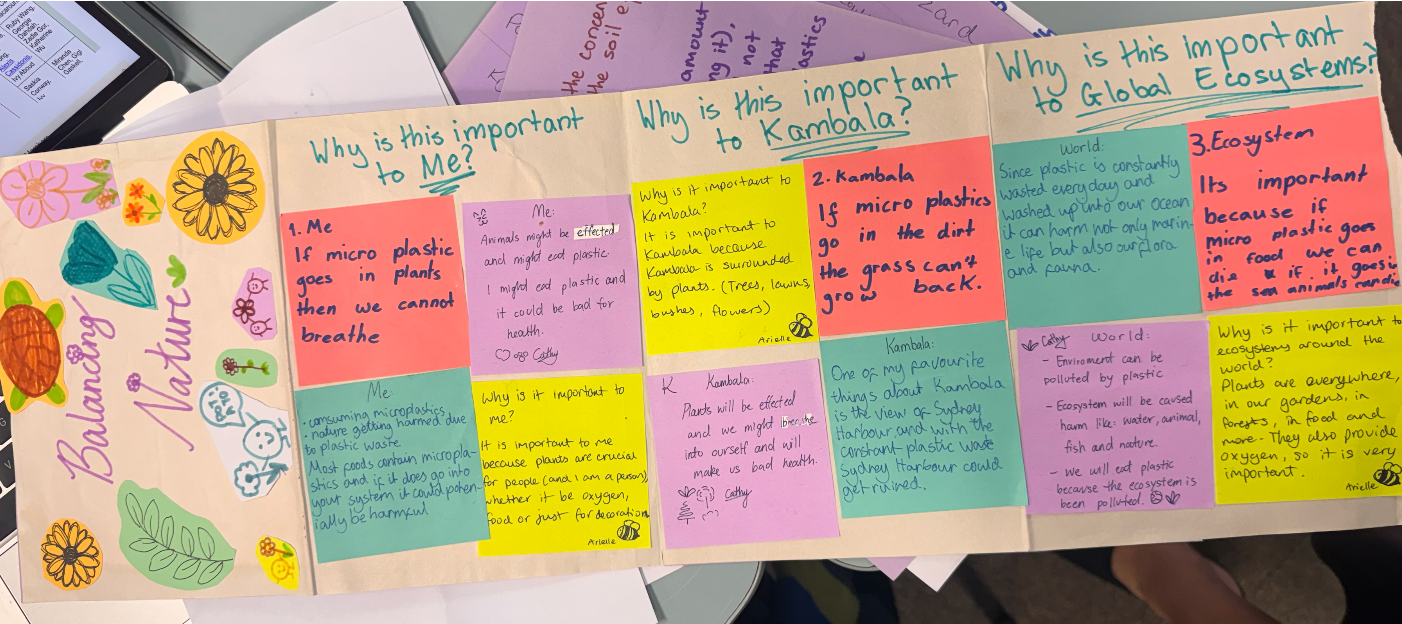
Picture of Practice: Cultures of Thinking in Action
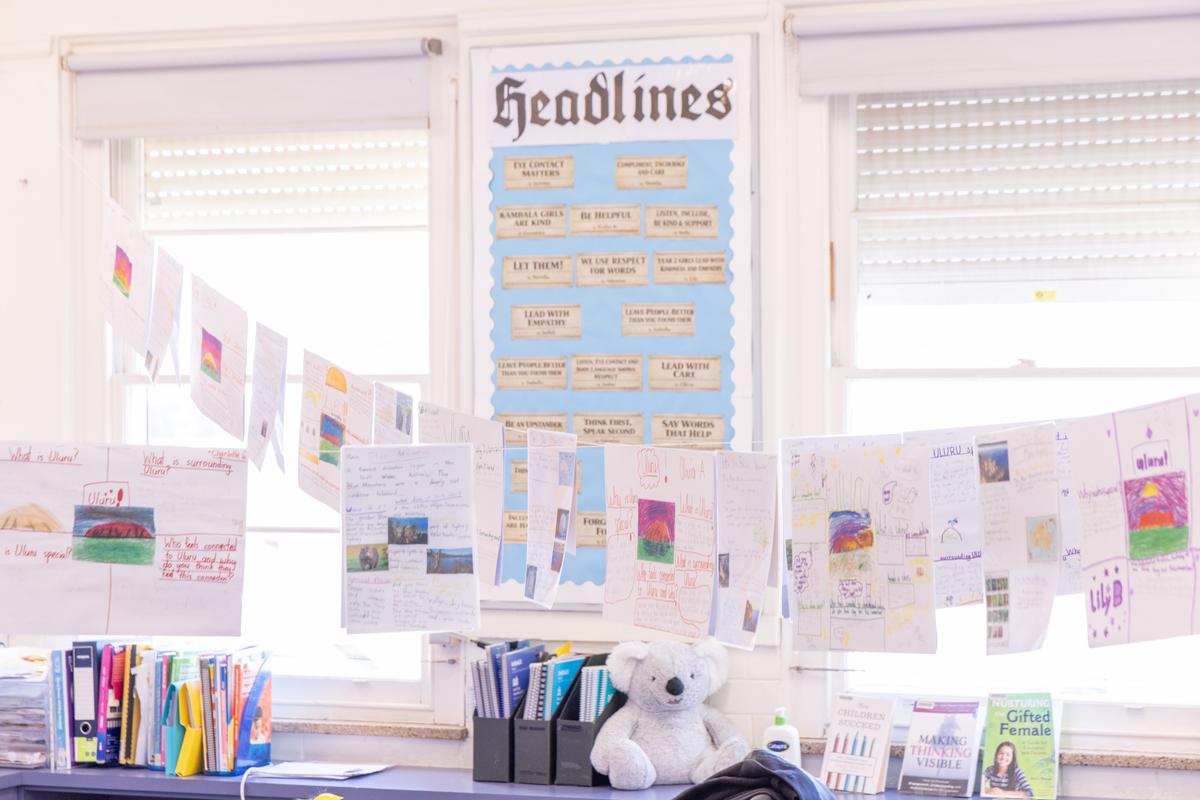
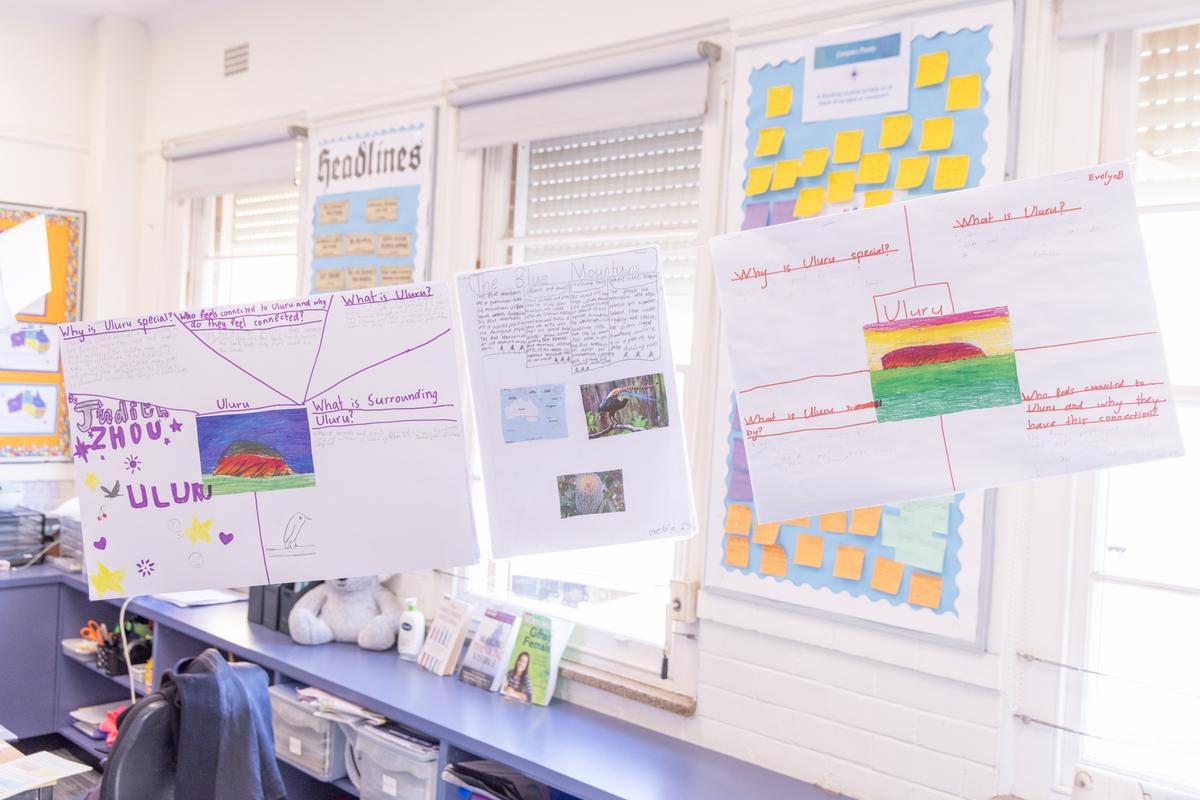
The Environment as ‘Third Teacher’
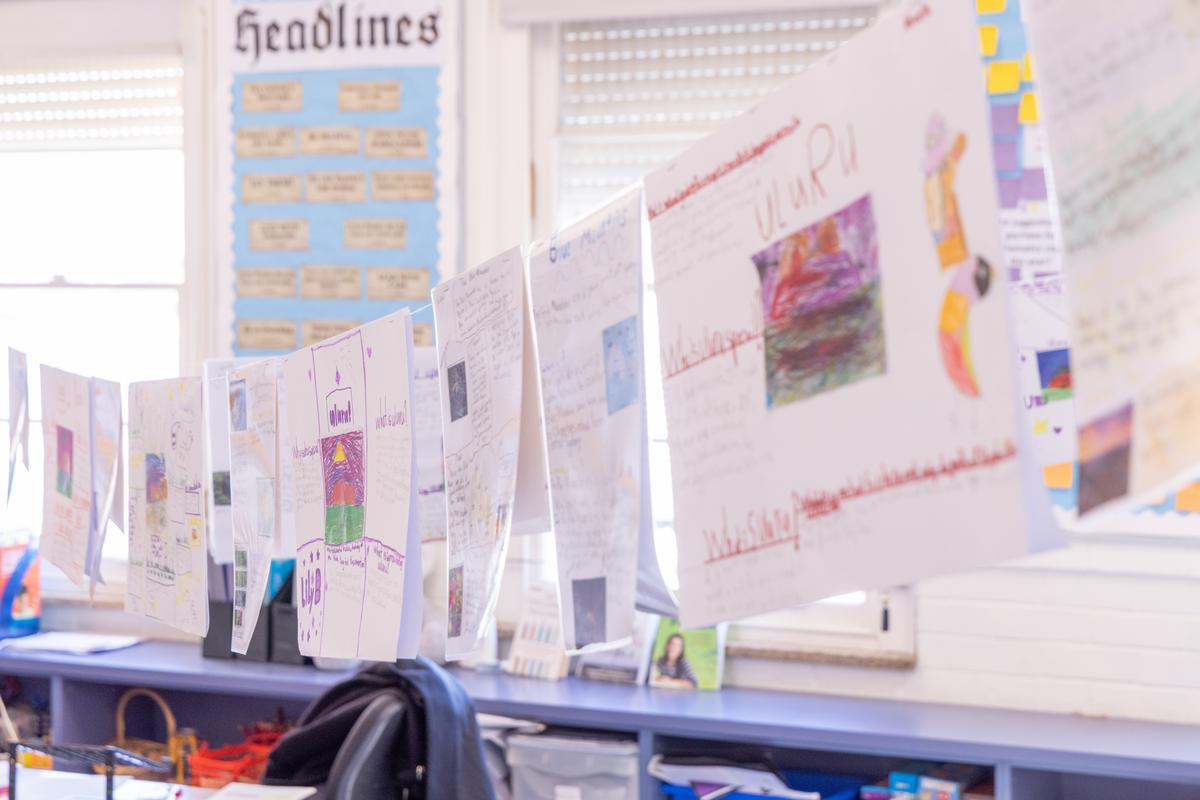
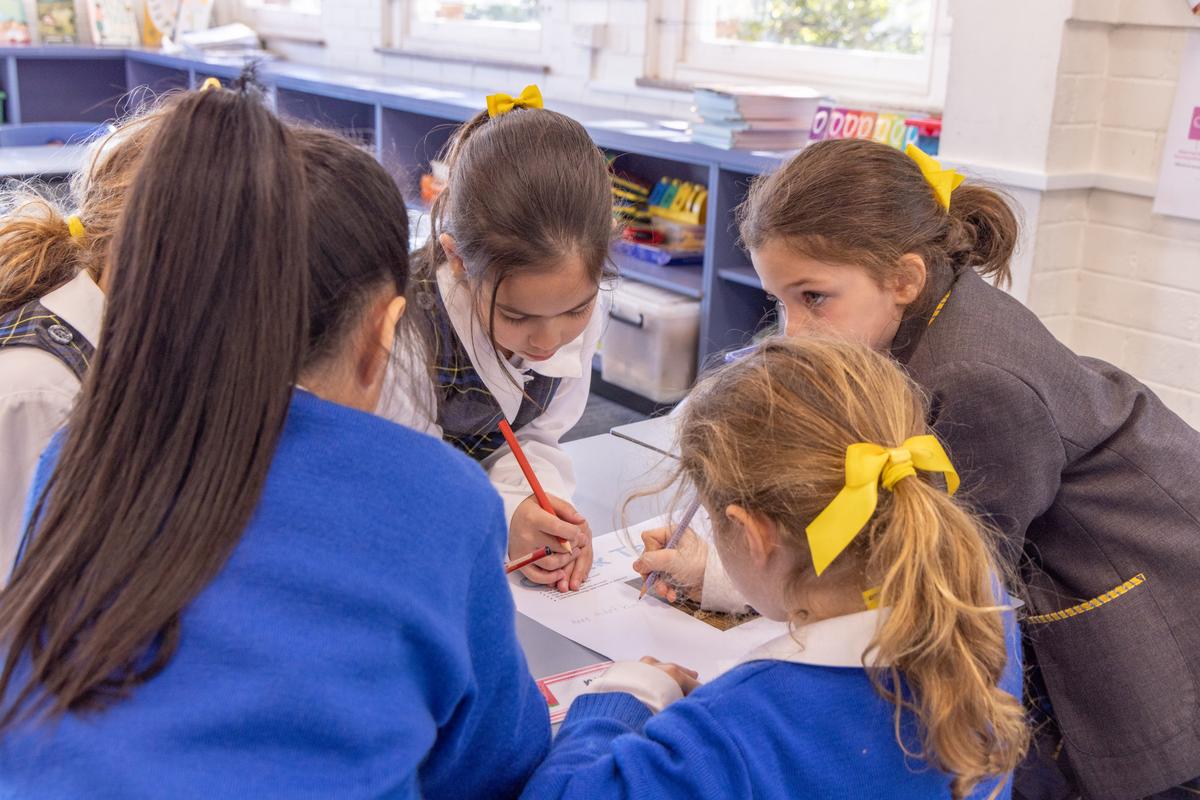
Identified as one of the 8 cultural forces that shape the thinking classroom, Dr. Ron Ritchhart (2025) highlights that the learning environment must be “rich with the documents of thinking processes and making their own thinking visible."
Ms. Anna Goodman’s Year 2 classroom embodies this principle. With the walls an evolving rotation of student work that captures their innate curiosity and the students moving to collaborate in close circles, Ms Goodman’s classroom inspires a collective culture of bold, creative thinking.