
First Aid
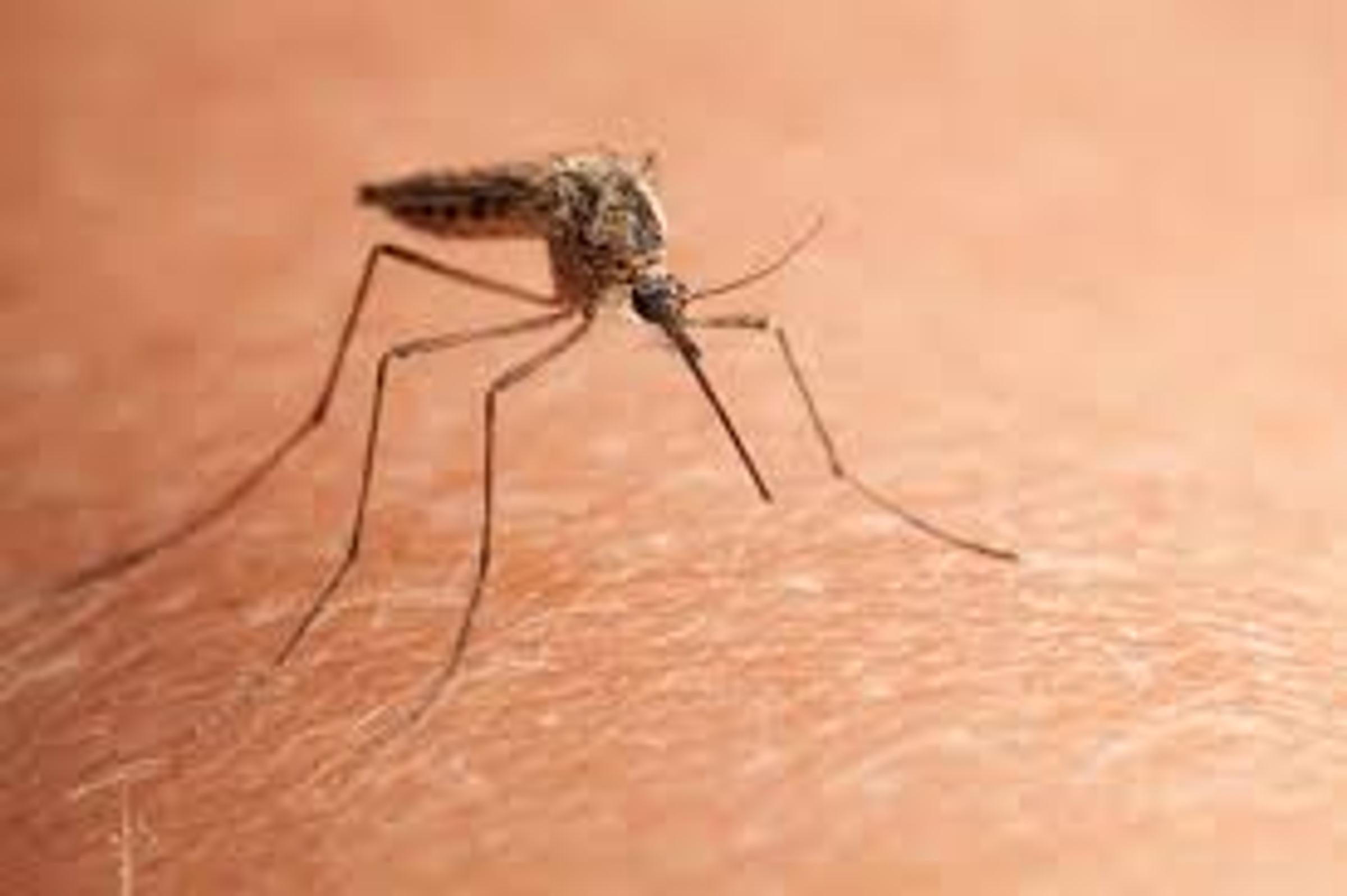
Protecting against mosquito-borne diseases
Some areas in regional northern Victoria are experiencing a longer mosquito season this year due to recent flooding. While the overall risk is currently low, some mosquitoes may be carrying diseases that make people sick.
The best protection against mosquito-borne illness is to avoid mosquito bites. The free Japanese encephalitis vaccine is also available for more Victorians.
Free Japanese encephalitis vaccines
Japanese encephalitis virus is spread to humans through bites from infected mosquitoes. It can cause a rare but potentially serious infection of the brain.
The free Japanese encephalitis vaccine is available for:
- people aged 2 months or older who live or work in eligible high-risk local government areas in Victoria
- until Friday 31 July 2026, people who plan to visit high-risk areas in Victoria or interstate for outdoor recreation such as hiking, camping, caravaning or boating.
For more information:
- refer to the Department of Health’s Japanese encephalitis webpage for a list of high-risk areas
- speak to your GP or immunisation provider to check if your family is eligible for a free vaccine ahead of any planned travel during the coming months.
How to help prevent mosquito bites
To help protect against mosquito bites, families can:
- cover up as much as possible with long, loose-fitting, light-coloured clothing
- apply insect repellent that contains picaridin or DEET on exposed skin when outdoors
- limit outdoor activity if lots of mosquitoes are active
- clean up and remove containers and items around the home that may hold water where mosquitoes may breed.
Families with any health concerns should see their doctor or phone Nurse-on-Call: 1300 606 024 (available 24 hours).
Find out more
For more information on protecting against mosquito-borne diseases, families can refer to the following Better Health Channel pages:
- Mosquitoes can carry diseases
- Protect yourself from mosquito-borne disease, including a handy checklist to help reduce mosquito breeding sites at home and resources translated into other languages
- Japanese encephalitis.
What is food allergy?
Food allergy is an immune system response to a food protein the body (mistakenly) believes is harmful. When a person eats a food they are allergic to, the immune system releases large amounts of chemicals, triggering a potentially life-threatening allergic reaction. Currently there is no cure for food allergy.
What are the signs and symptoms of an allergic reaction to food?
Allergic reactions to food can range from mild to severe. A severe allergic reaction is called anaphylaxis. Signs and symptoms can start within a few minutes, or up to two hours, after having (even a small amount of) food or drink a person is allergic to.
Mild to moderate allergic reaction:
• Swelling of the face, lips and eyes
• Hives or welts
• Tingling mouth
• Abdominal pain, vomiting (these are signs of a severe allergic reaction if a person is allergic to insects such as bees, wasps, ticks or ants)
Severe allergic reaction (anaphylaxis):
• Difficult/noisy breathing
• Swelling of the tongue
• Swelling/tightness of the throat
• Difficulty talking and/or a hoarse voice
• Wheeze or persistent cough
• Persistent dizziness or collapse
• Pale and floppy (young children)
What foods can cause food allergy?
Any food can trigger an allergic reaction and there are more than 170 foods reported to have caused one. However, there are 10 foods that cause 90 per cent of allergic reactions in Australia. These foods are called common food allergens. They are:
• Peanut
• Tree nuts (e.g. almonds, walnuts, cashews)
• Egg
• Milk (dairy) including cheese, butter, yoghurt, ice cream, cream
• Sesame
• Fish
• Crustacea (e.g. prawn, crab, lobster)
• Molluscs (e.g. oysters, clams, mussels)
• Soy
• Wheat (e.g. flour which is often found in bread, biscuits and cakes)
What can you do if your child is at risk of anaphylaxis?
• Inform staff of your child’s allergies and discuss how to minimise risk of an allergic reaction.
• Work with school staff to complete an Individual Anaphylaxis Health Care/ Management Plan.
• Provide the school with a copy of your child’s ASCIA Action Plan that has been completed by a doctor or nurse practitioner and has a current (less than one year) photograph of your child.
• Provide the school with an adrenaline device for your child with an ASCIA Action Plan for Anaphylaxis. Check, record and remain aware of the expiry of the device.
• Make sure the ASCIA Action Plan is renewed at least every 12-18 months when the student is reviewed by their doctor and receives a new adrenaline device prescription.
What can you do to help your child support a classmate who has an allergy?
• Talk with your child about not sharing food or offering food to students with food allergy.
• Talk with your child about washing hands after eating, especially if they have eaten the food a classmate is allergic to.
• Talk with your child about the signs and symptoms of an allergic reaction, including anaphylaxis and the importance of getting an adult’s help if they see anyone with these symptoms.