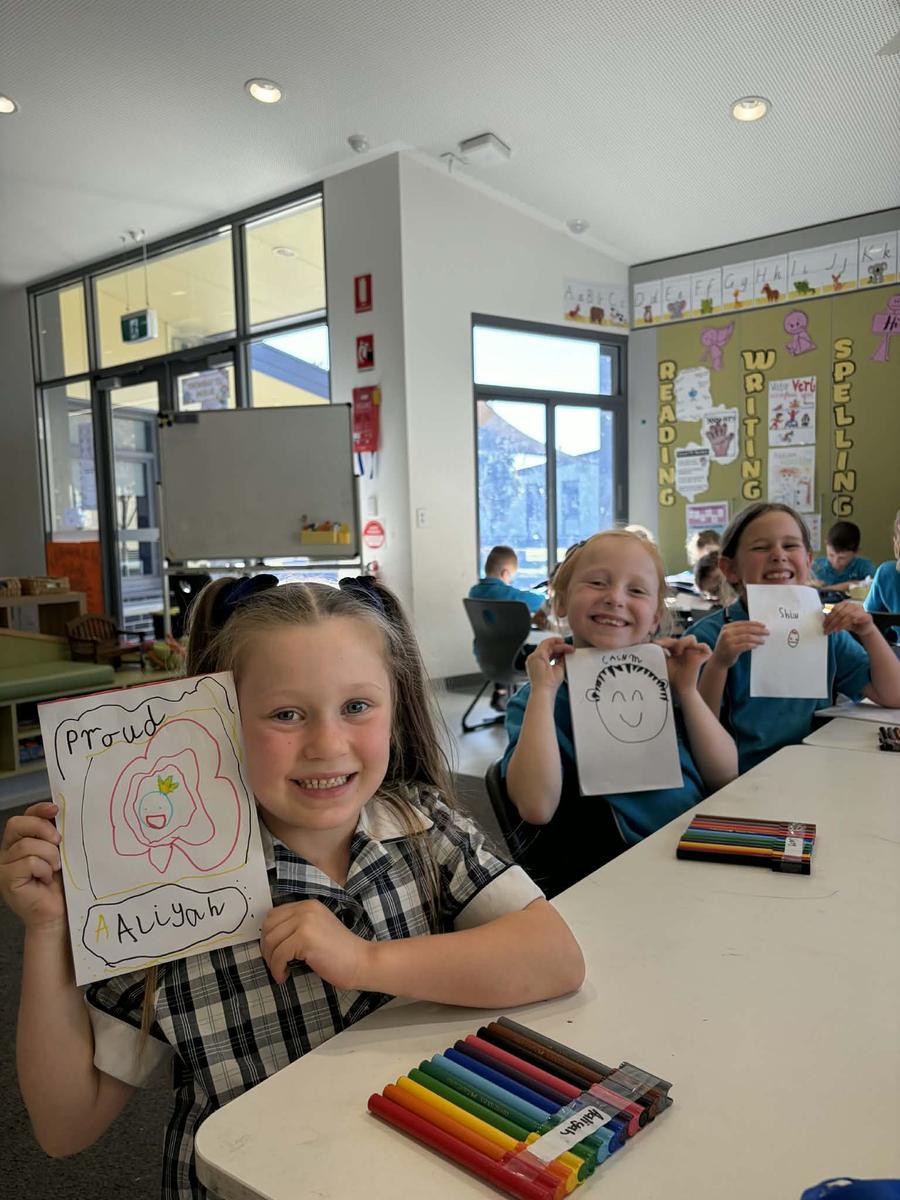
Student Learning Term 2

Foundation in Term 2
Fine Motor Skills & PMP in Foundation
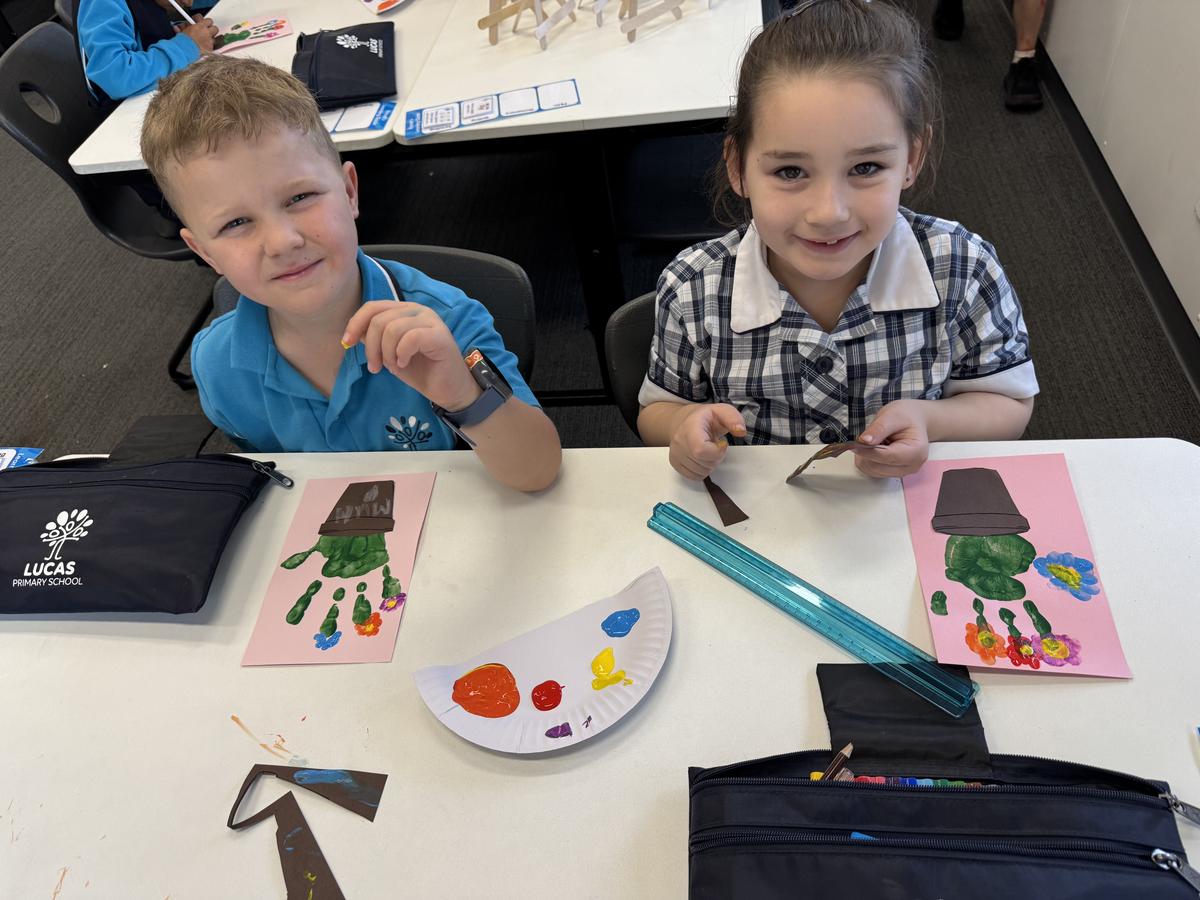
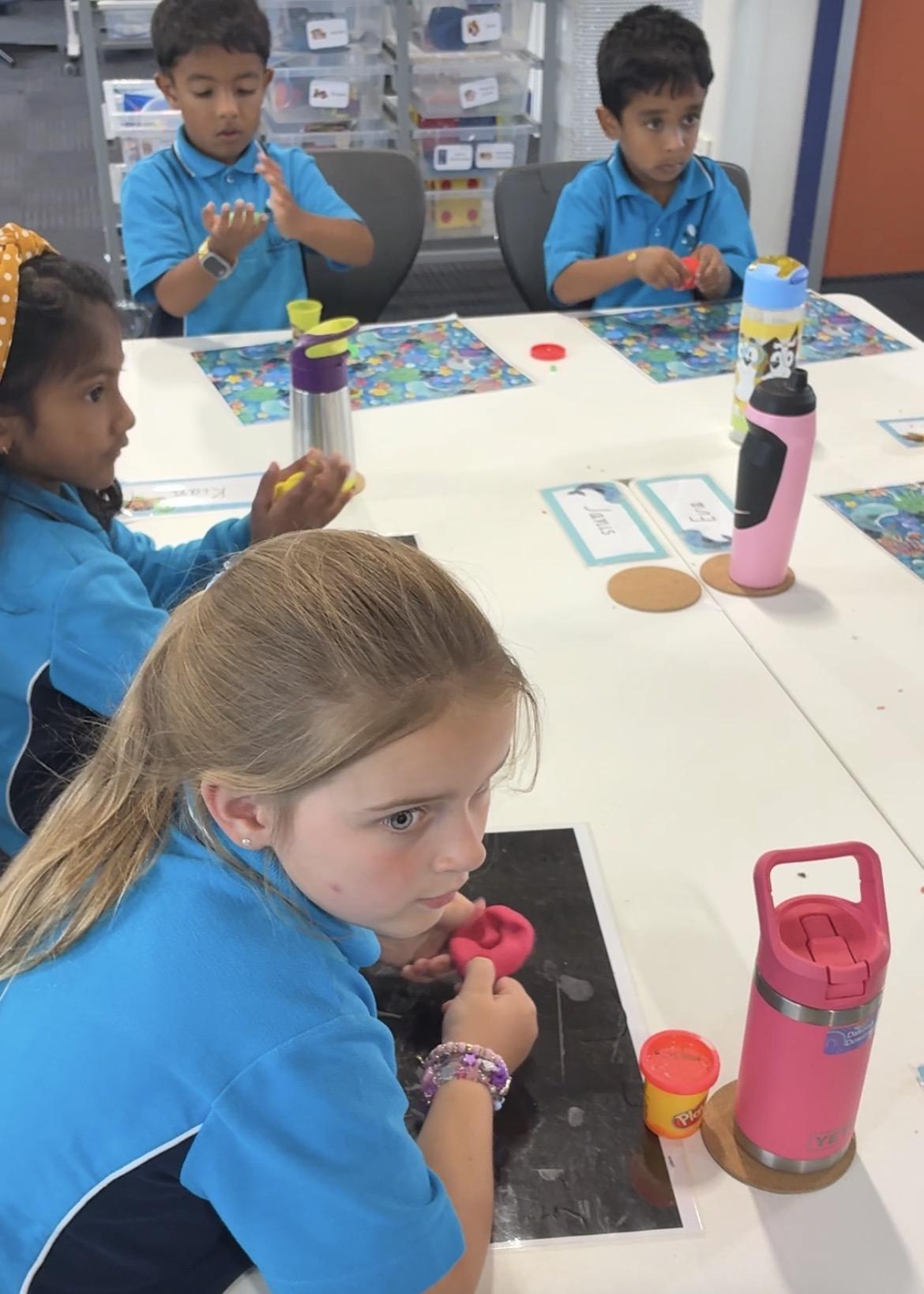
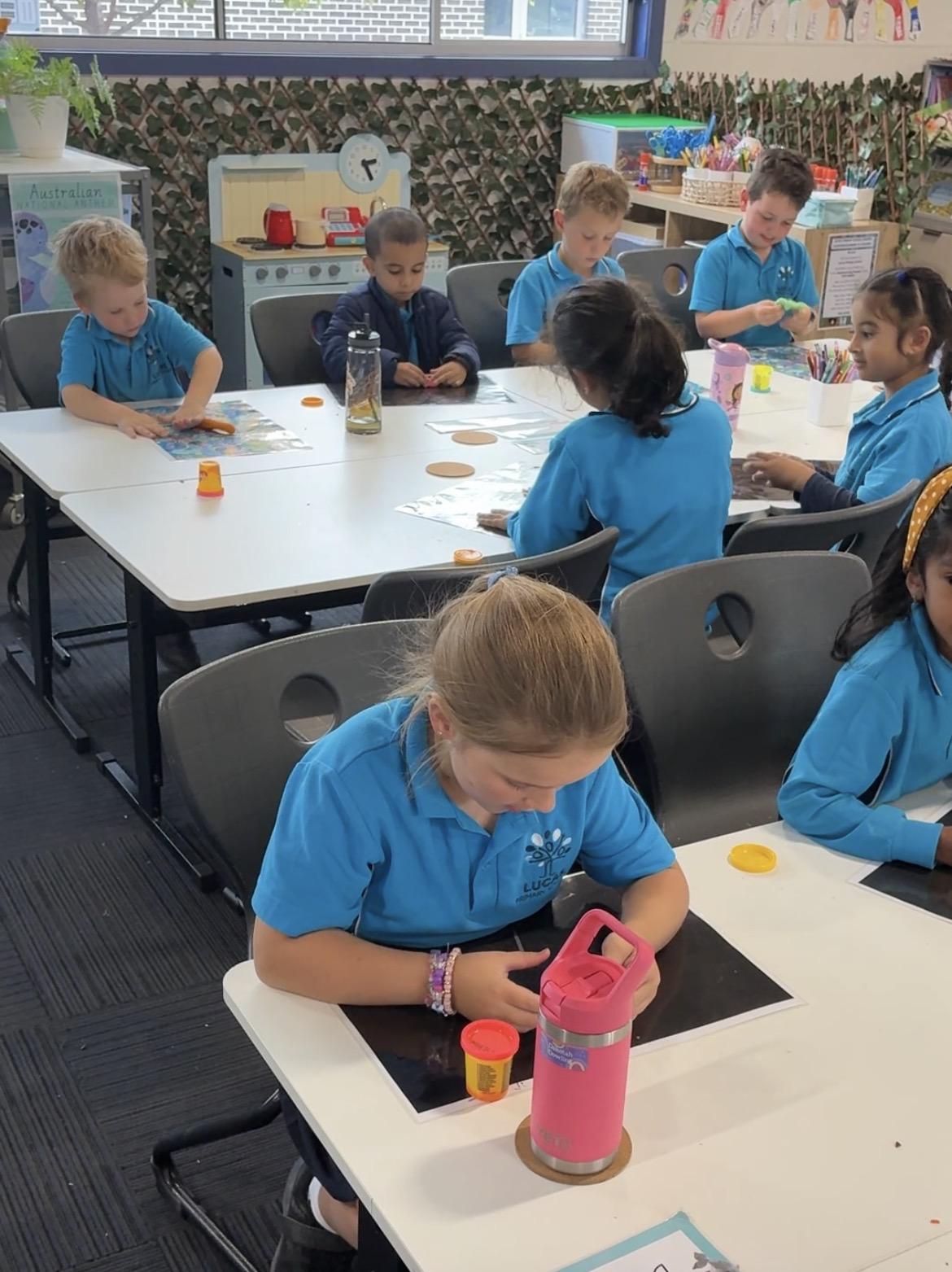
This term, our Foundation students have continued to build their hand strength and coordination through a range of fun, play based fine motor activities. These have included tasks such as threading, cutting, drawing, building with small objects and manipulating play dough. While these activities may look simple, they play an essential role in developing the small muscles in the hands and fingers.
Fine motor development is important because it supports many everyday life skills. Strong hand muscles and good coordination help children with things like dressing themselves, using utensils, opening containers and writing. As these skills develop, children become more independent and confident in managing daily activities. Fine motor control also supports focus and persistence, which are important for learning and problem solving.
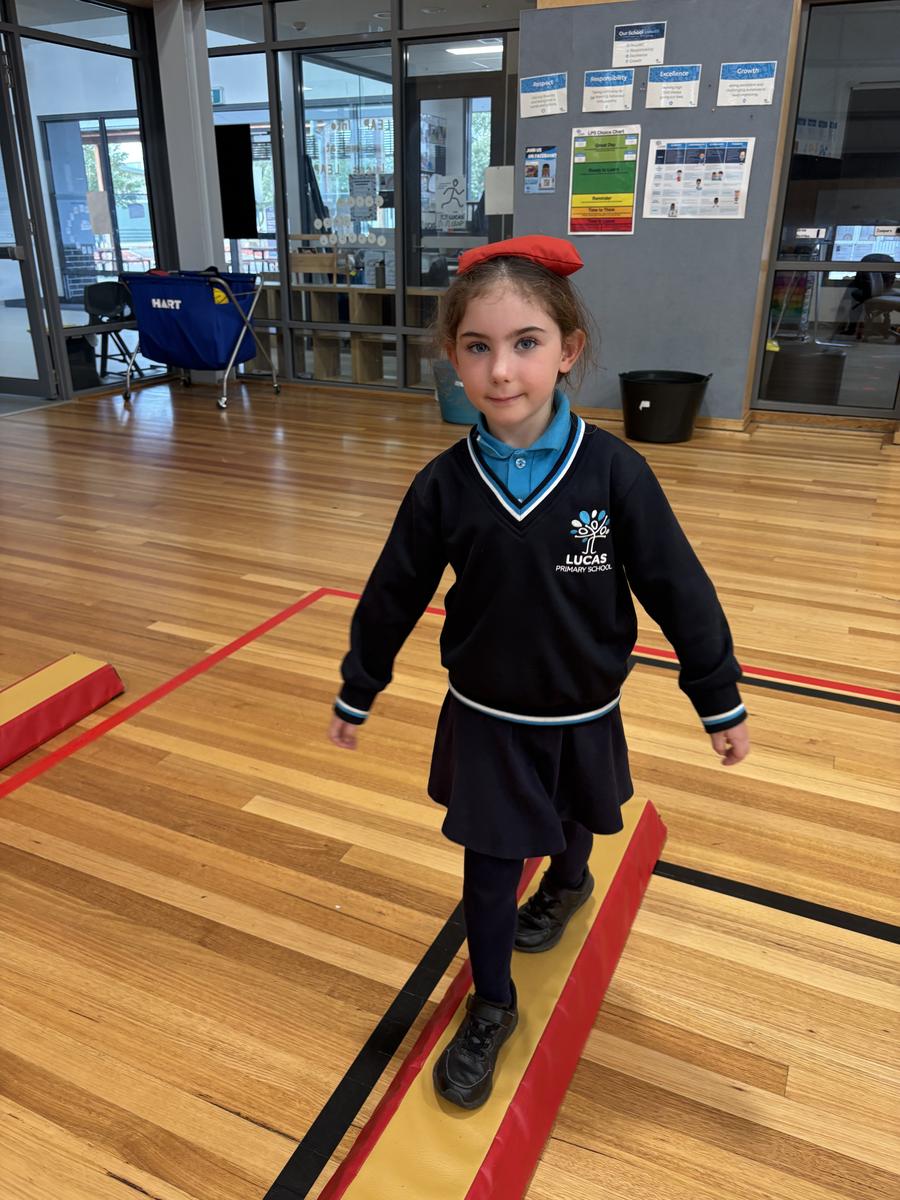
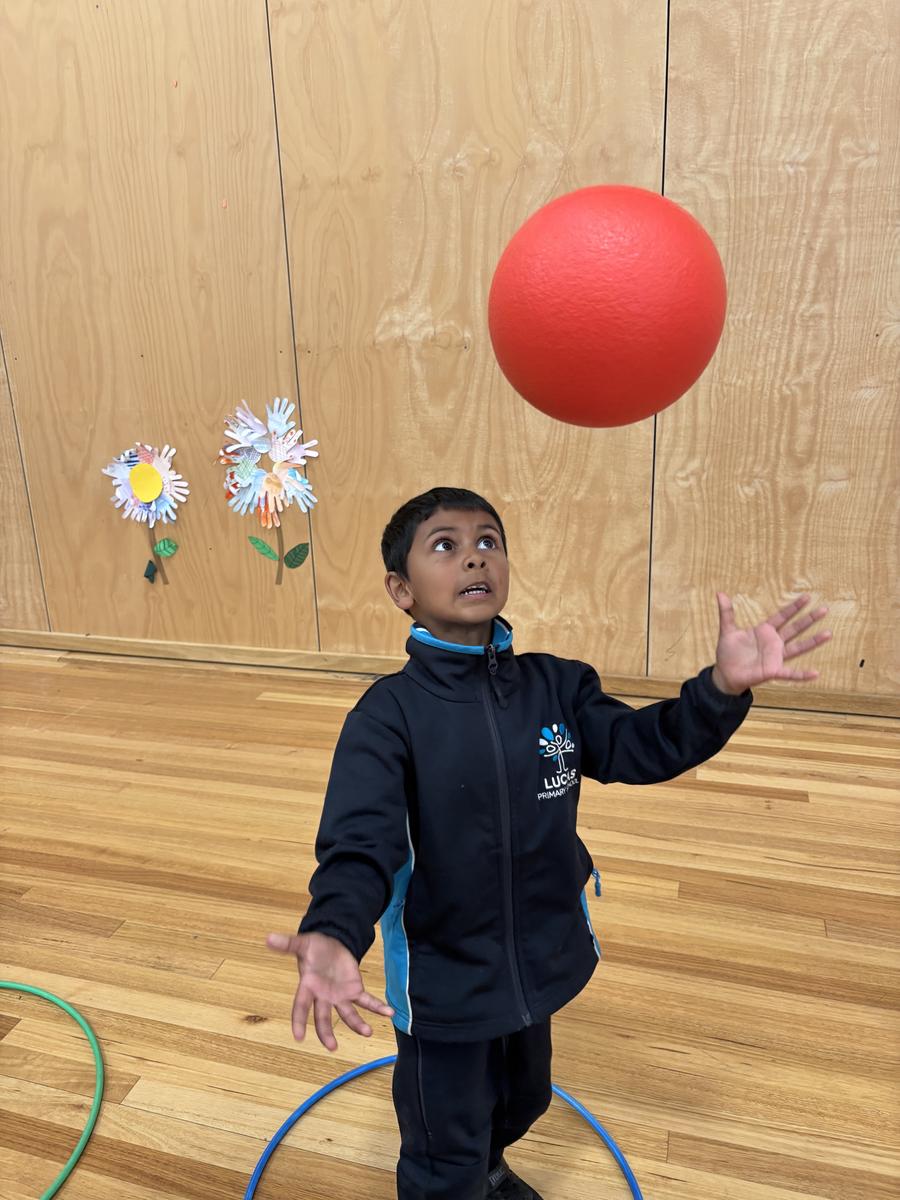
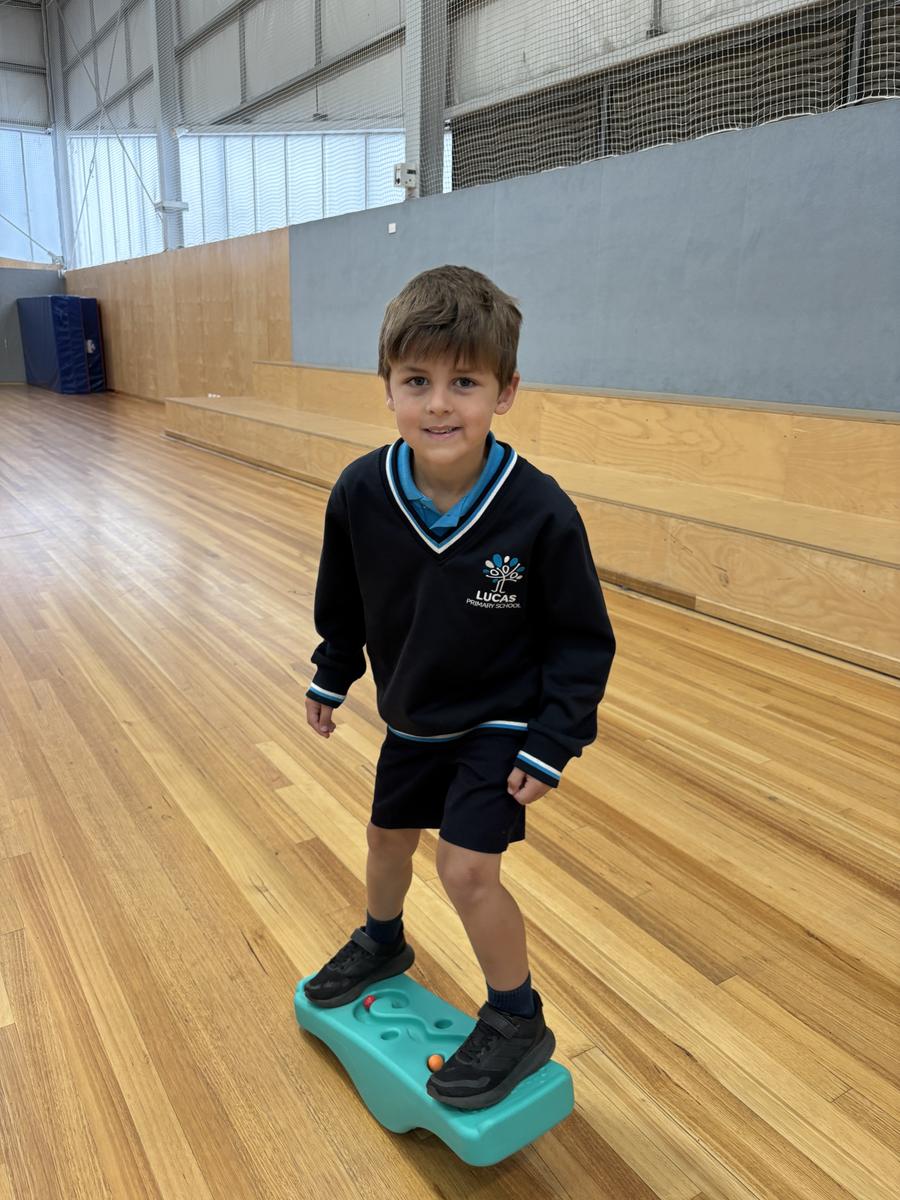
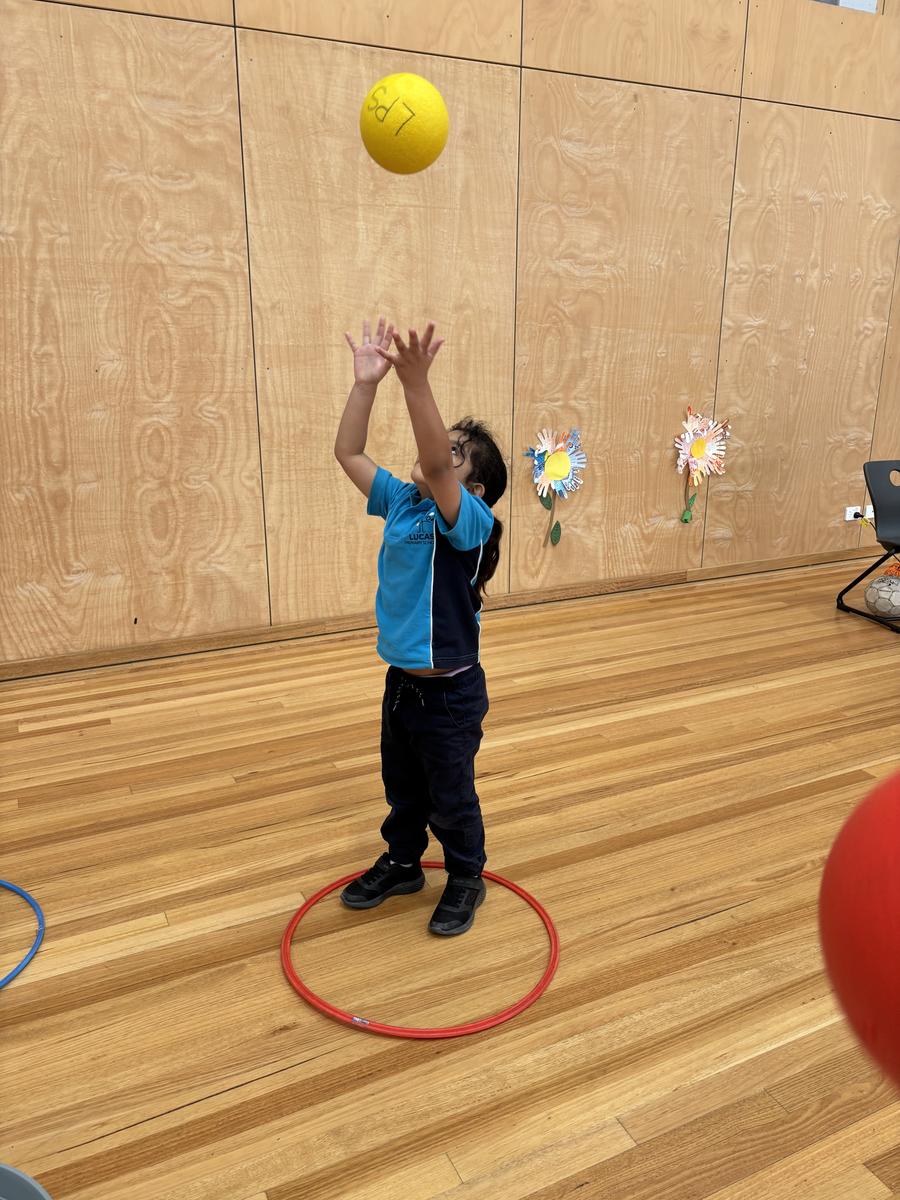
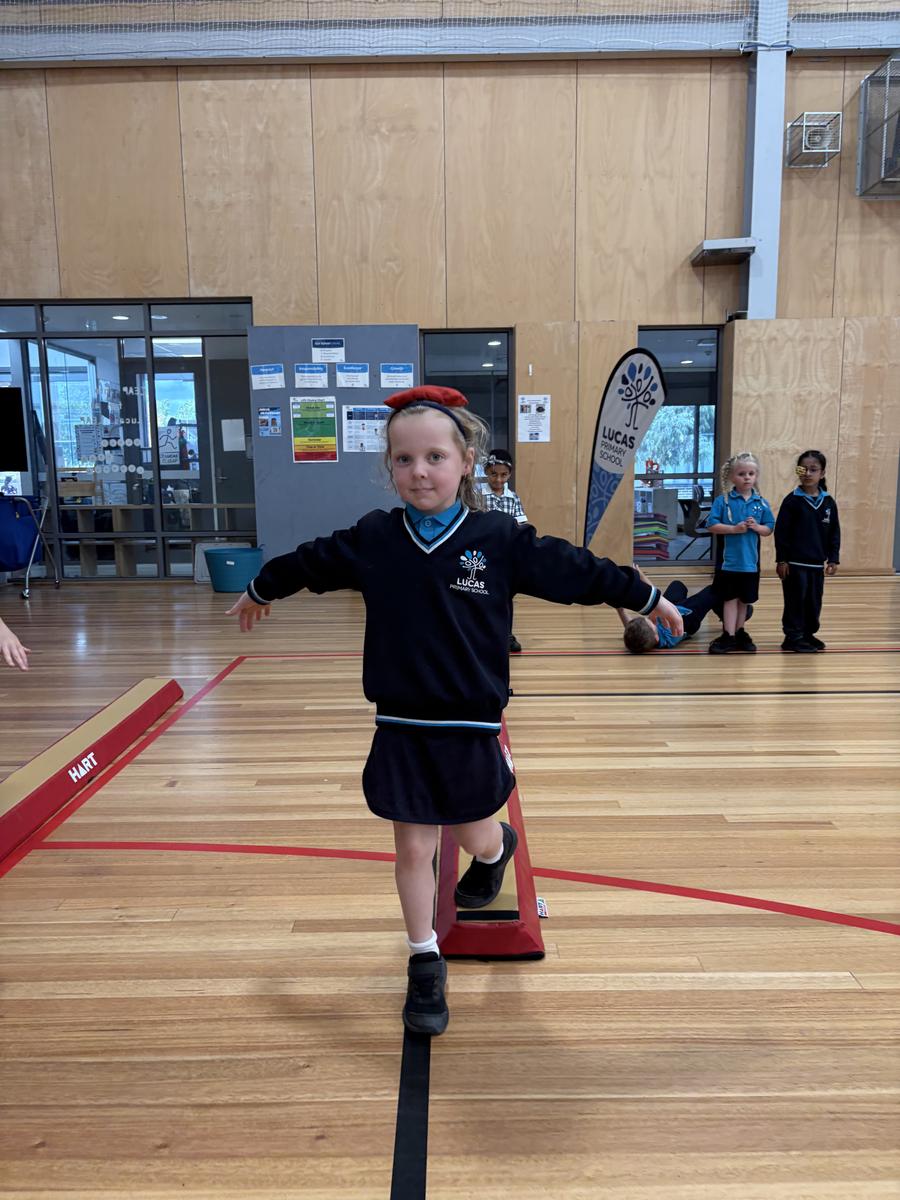
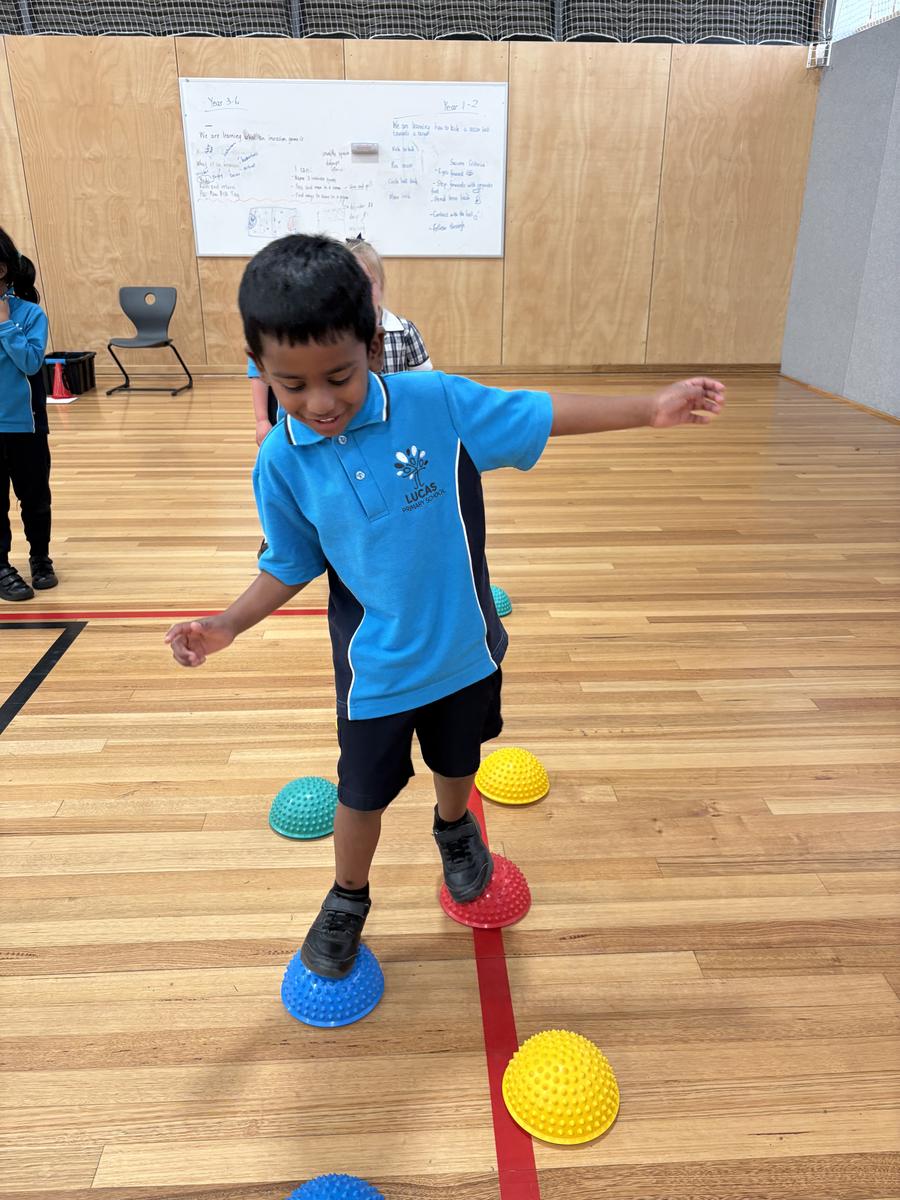
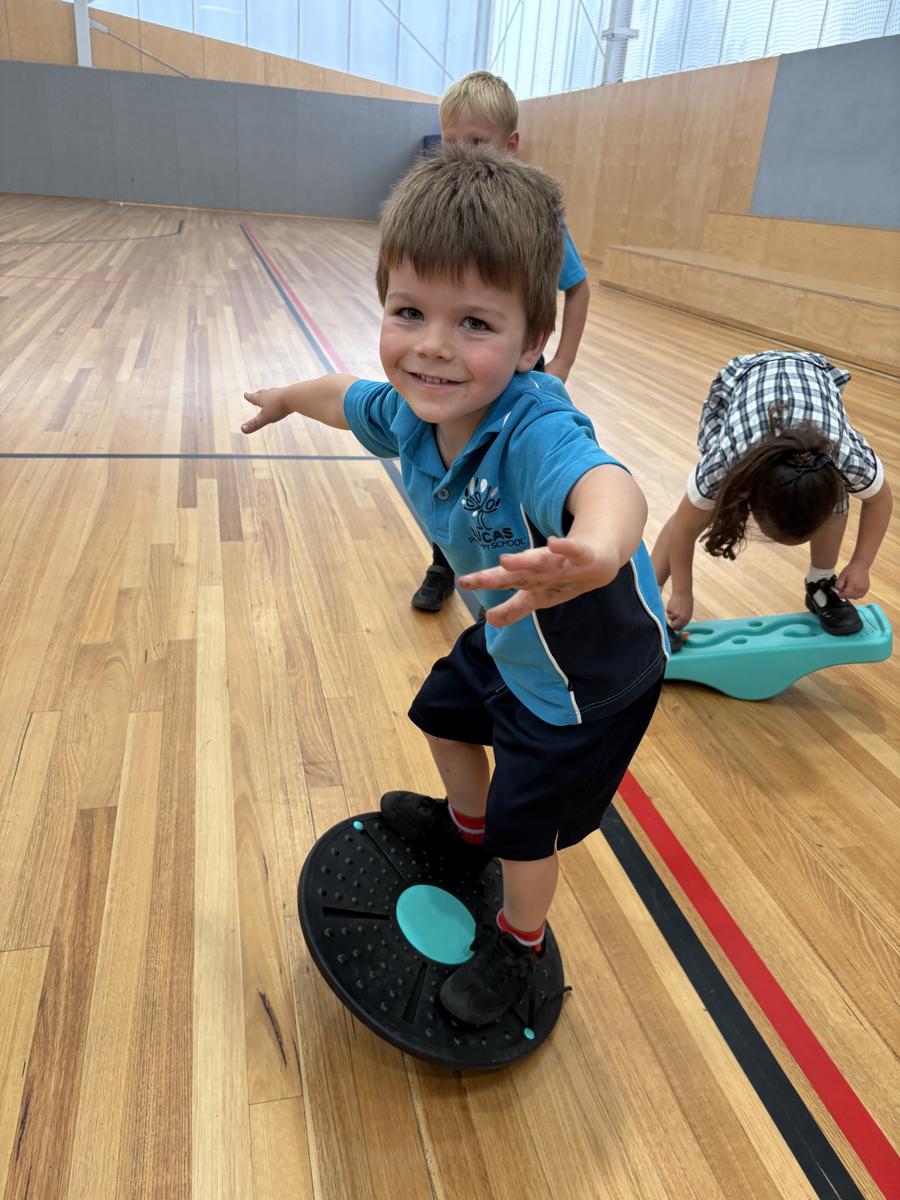
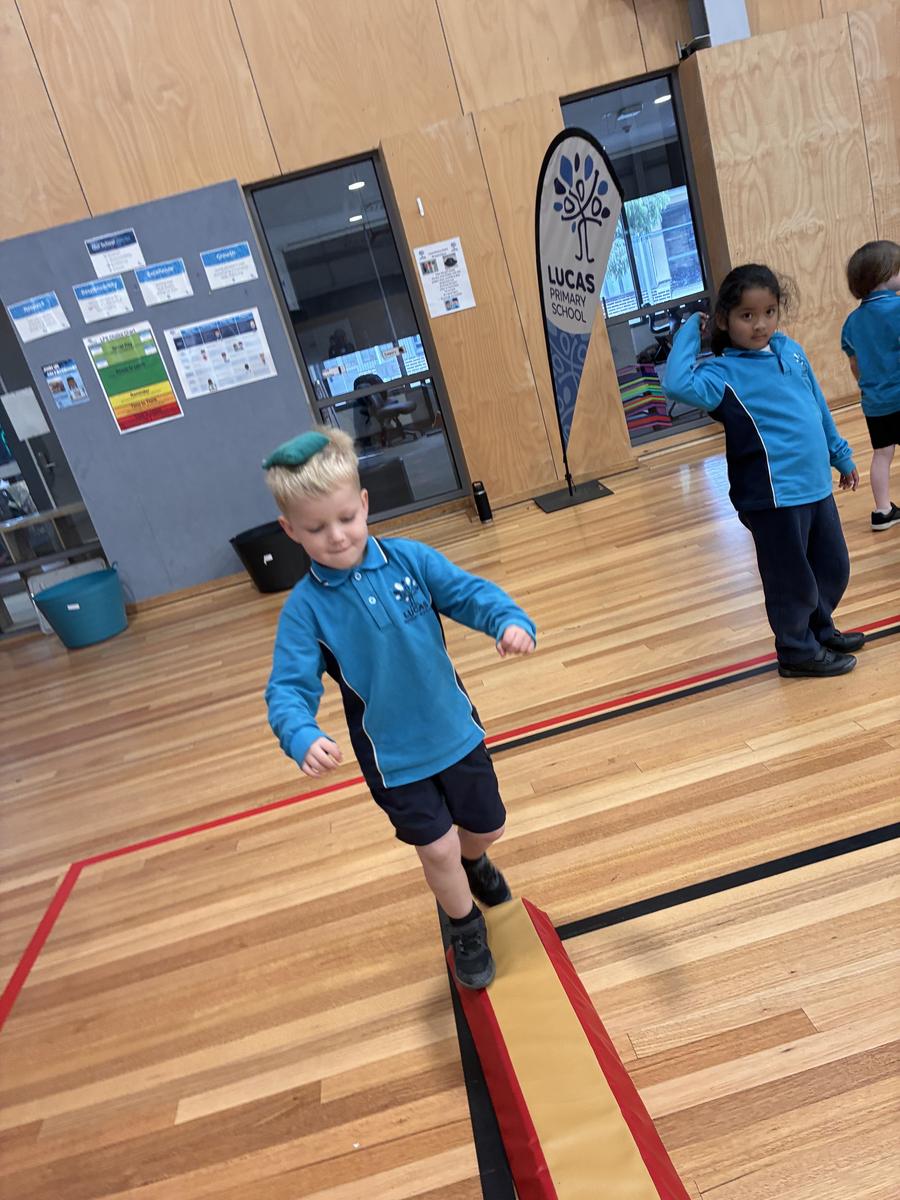
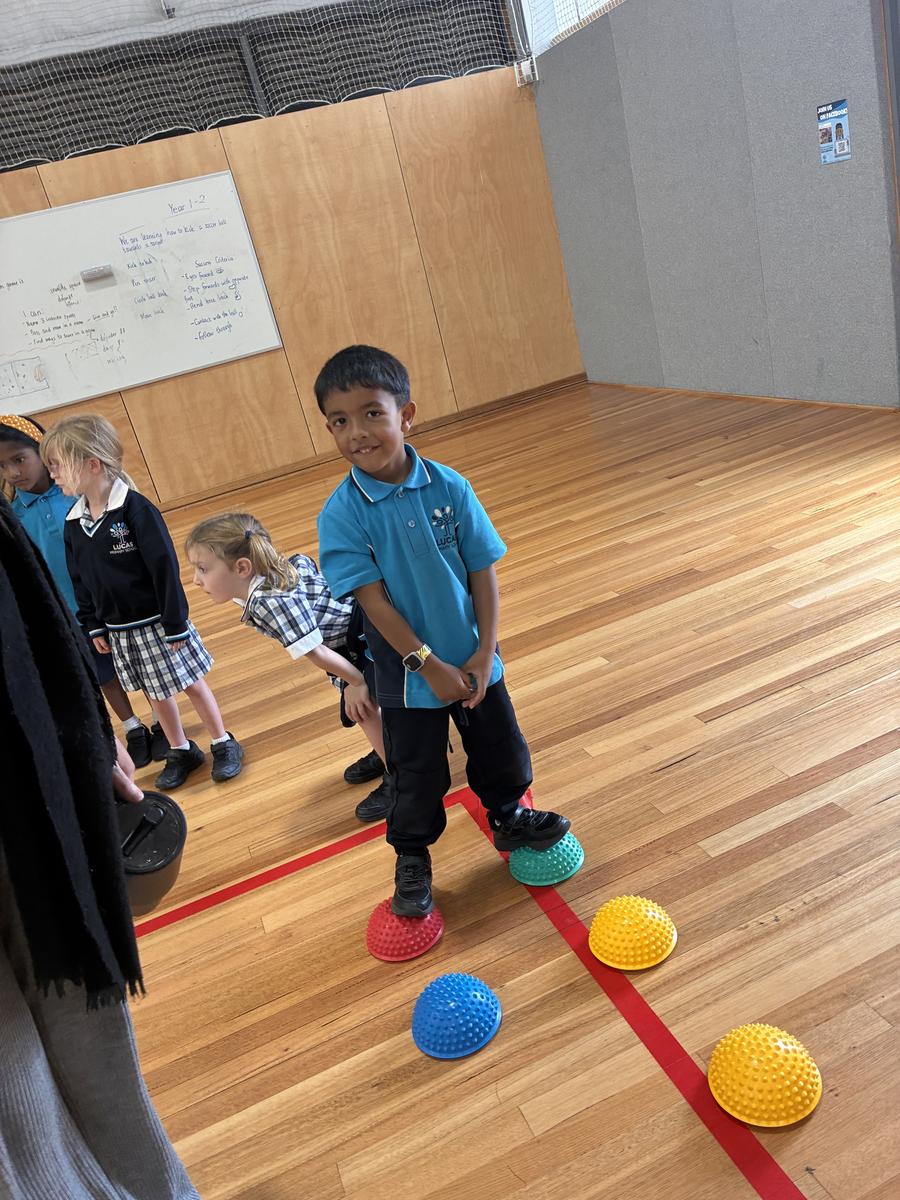
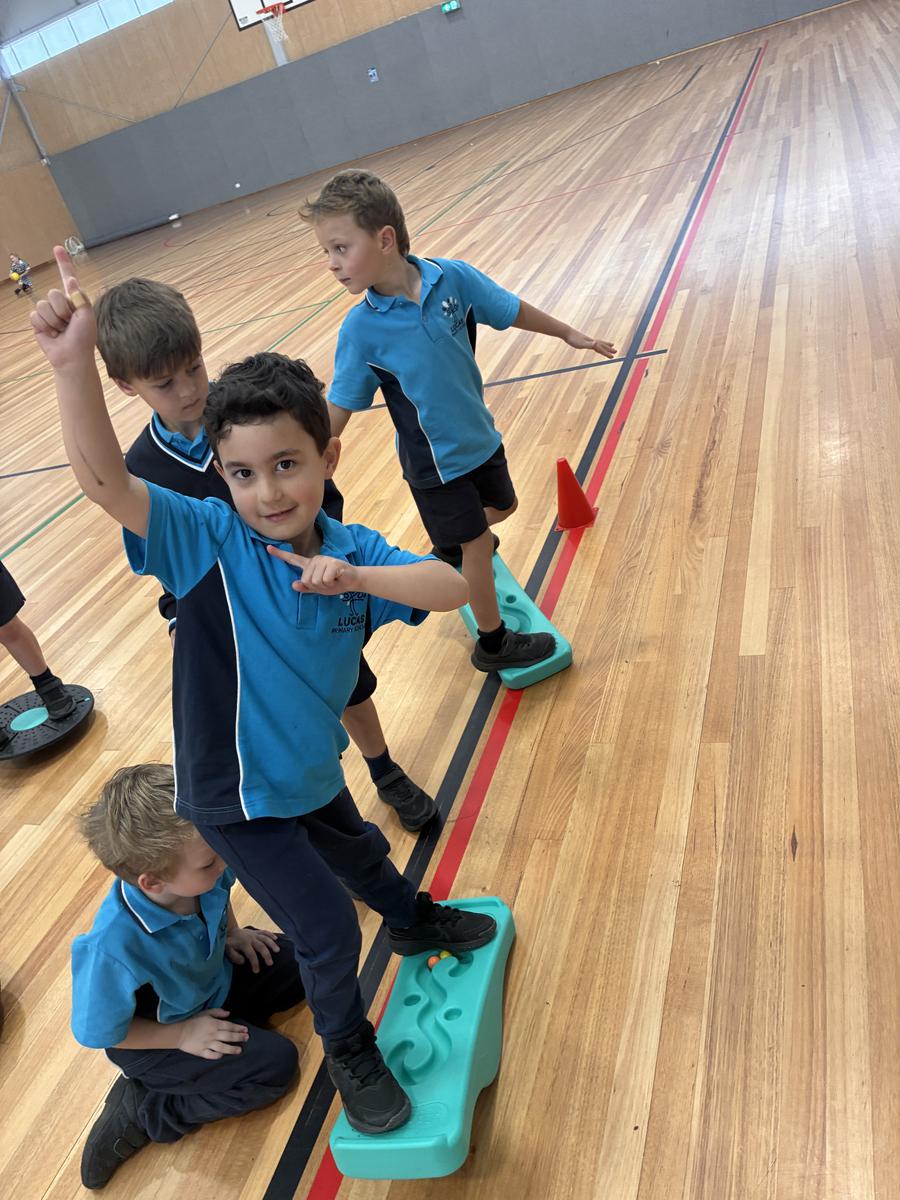
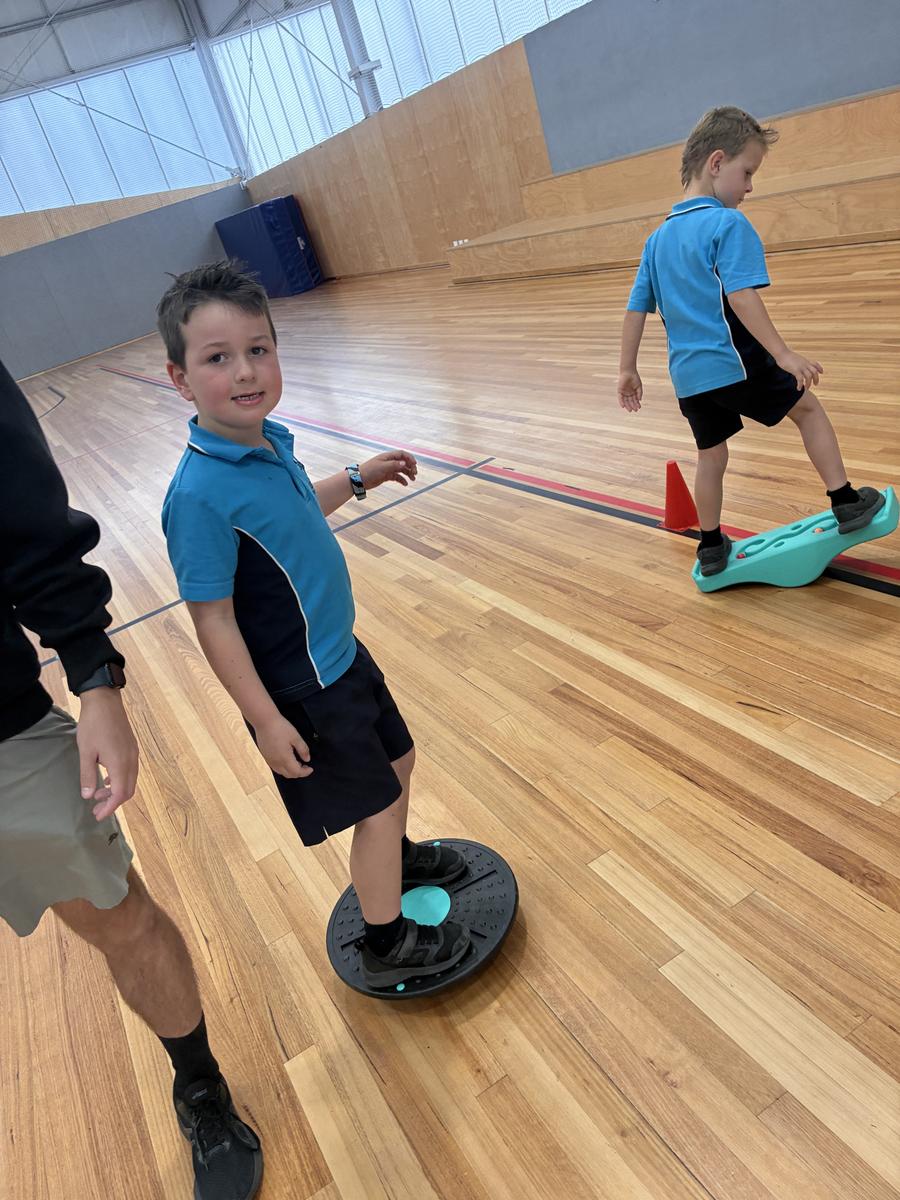
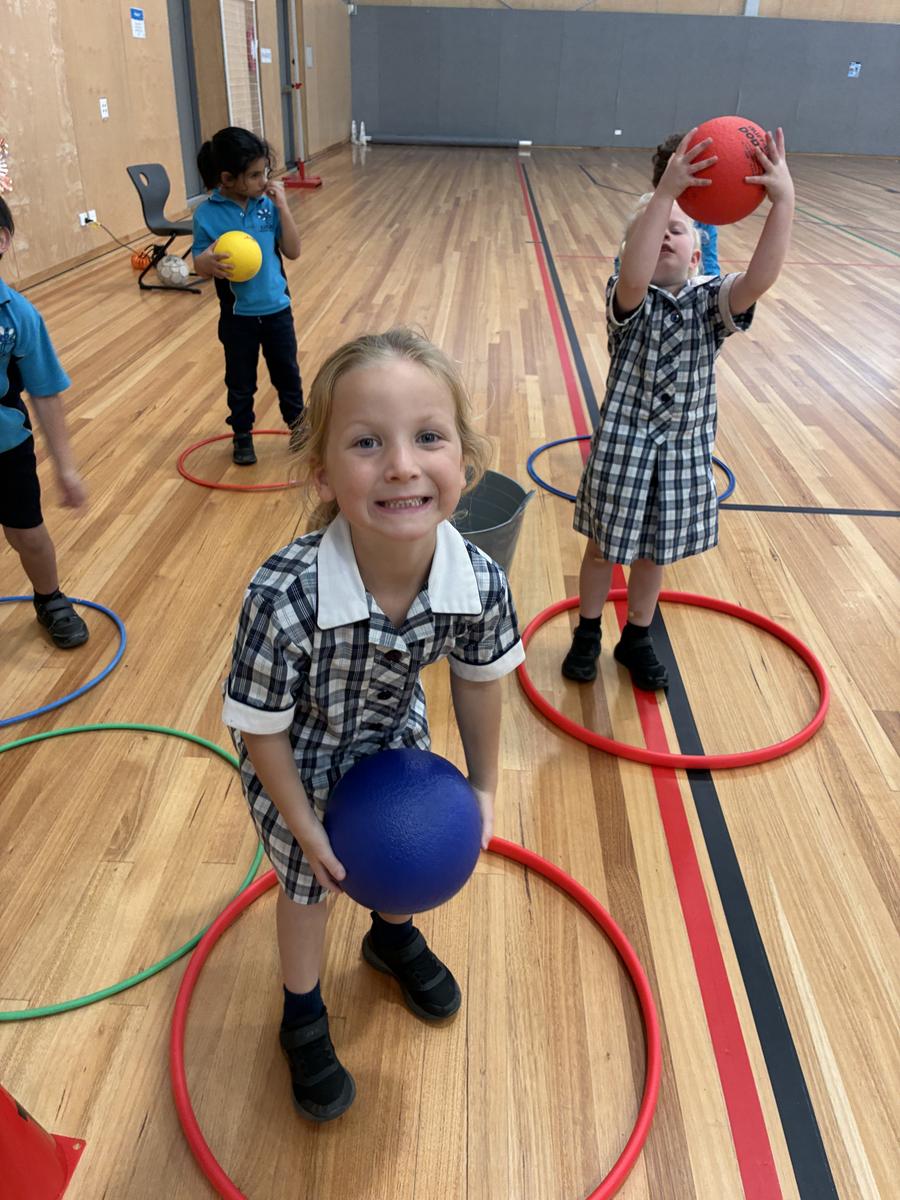
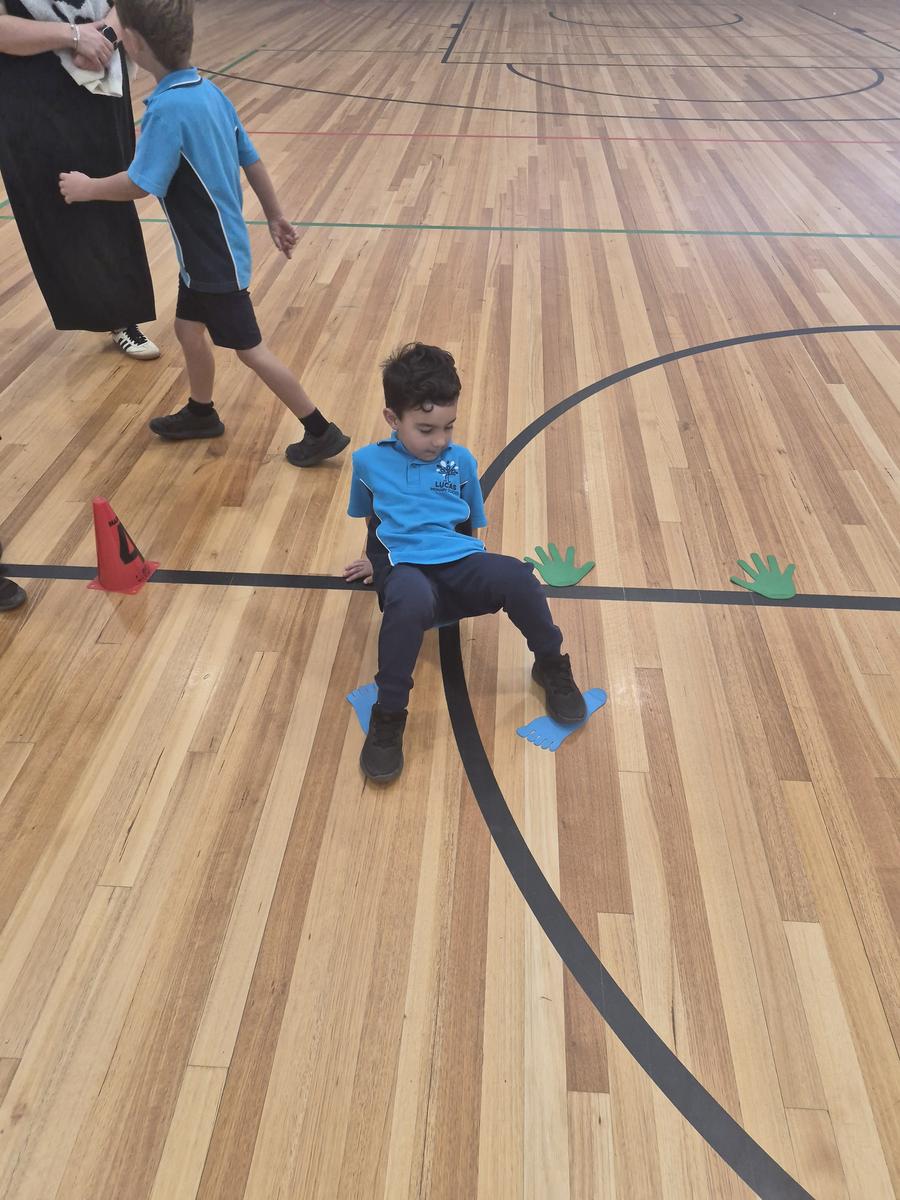
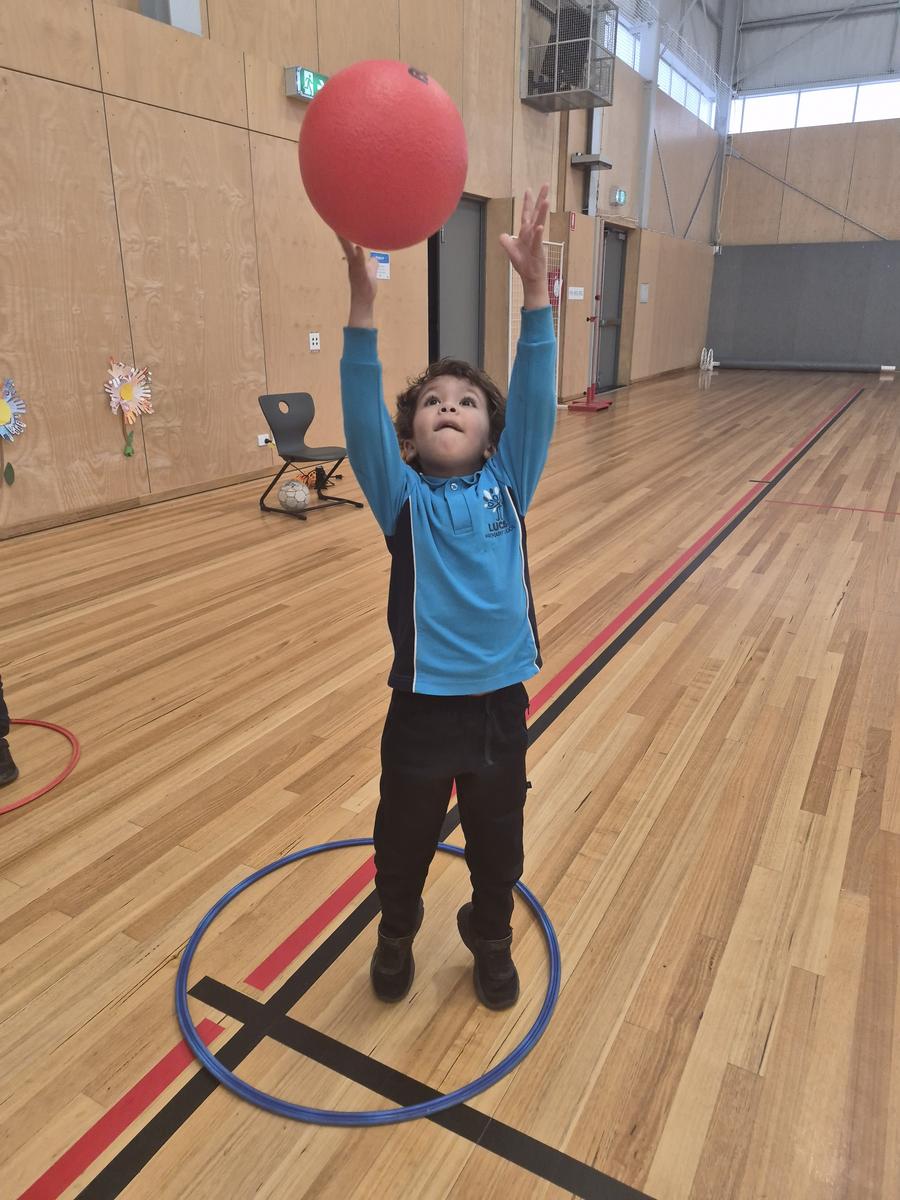
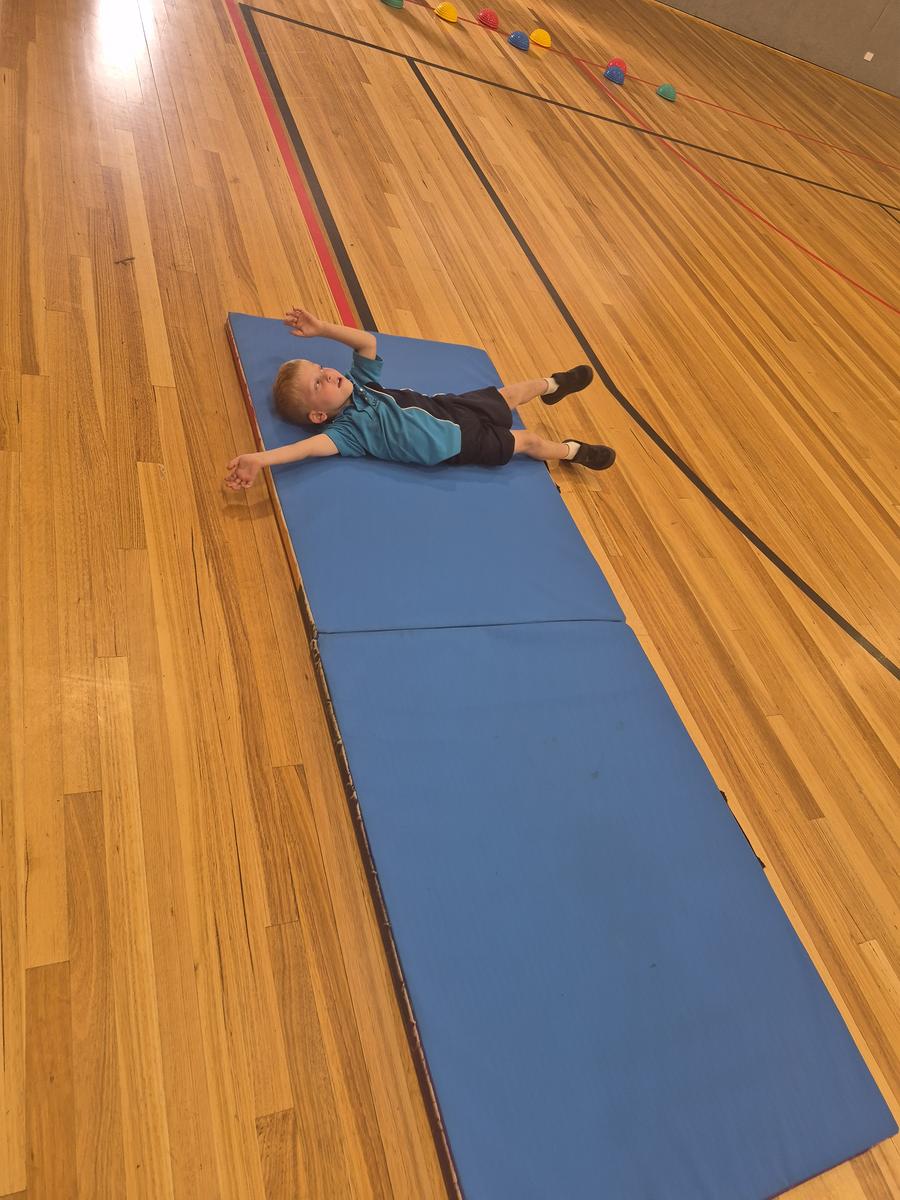
In addition to fine motor activities, this term Foundation students have begun participating in PMP lessons. PMP stands for Perceptual Motor Program. These sessions involve structured movement activities that support the development of gross motor skills, coordination, balance and spatial awareness. During PMP, students rotate through a series of stations that may include balancing, climbing, jumping, throwing and catching.
PMP is important because it helps build the connection between the brain and the body. These skills support children’s ability to concentrate, regulate their bodies and engage successfully in a range of learning experiences. Movement activities also develop body awareness, timing and coordination, which are essential for overall growth and wellbeing.
Students have enjoyed working with peers from across the Foundation cohort during PMP sessions. This has provided opportunities to build social skills such as teamwork, turn taking and communication, while also having fun and being active.
Both fine motor and gross motor skills are essential for children’s development and for life. The good news is that these skills can be easily supported at home through simple, everyday activities. For fine motor development, activities such as drawing, colouring, building with blocks, using tongs or playing with play dough are very helpful. For gross motor development, families can encourage activities like ball games, obstacle courses or practising skills such as balancing and jumping.
It has been wonderful to see the enthusiasm and progress of our Foundation students as they develop these important skills!
Year 1 in Term 2
We are busy this term in Year 1! So much to look forward to and to celebrate.
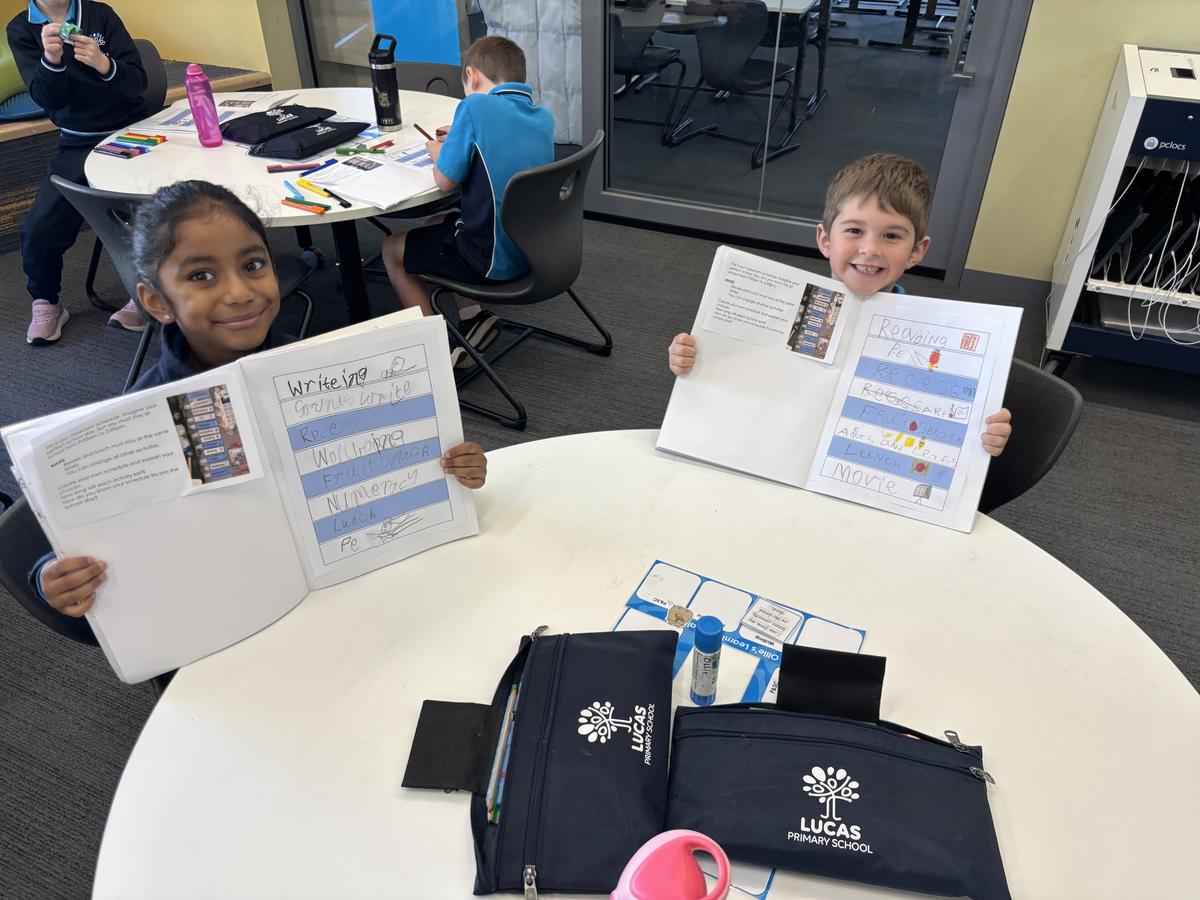
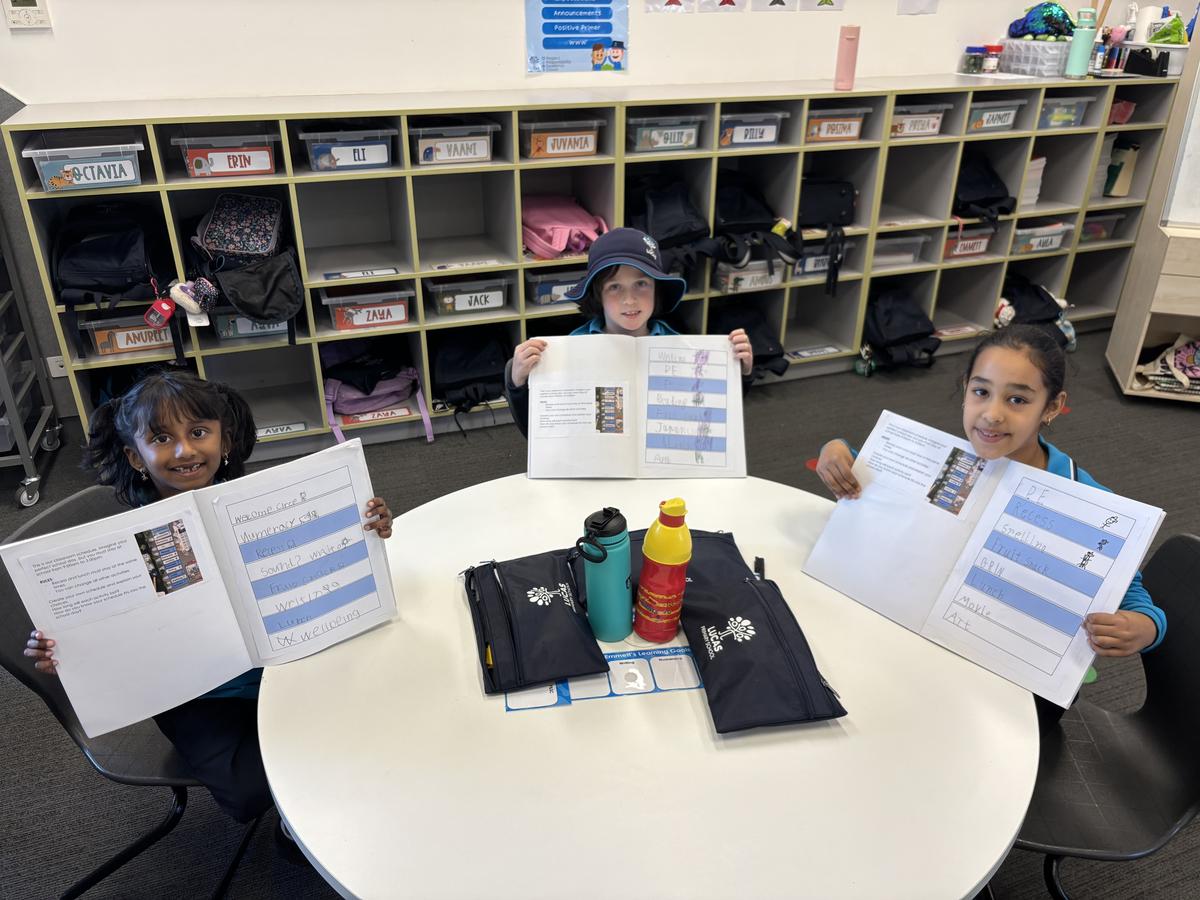
Integrated Studies: this term, students will explore History, focusing on how everyday life has changed over time, including toys, homes, transport, and technology. Students will present their learning by creating a triorama showing how toys have evolved. We will also have a guest speaker come into the school to share at the beginning of June.
Sounds Write and Word Study: Students will continue daily Sounds Write lessons, building their knowledge of vowel digraphs. A new weekly word study session will also introduce and explore richer vocabulary. We are also continuing with our spelling lists that are checked once a week. Students are becoming so confident and celebrating their achievements with these high frequency words.
Reading: In Reading students will further develop key reading strategies across fiction and non-fiction texts. In fiction, they will practise predicting, connecting, analysing, summarising, critiquing, and inferring. In non-fiction, the focus will be on analysing, summarising, critiquing, and synthesising information.
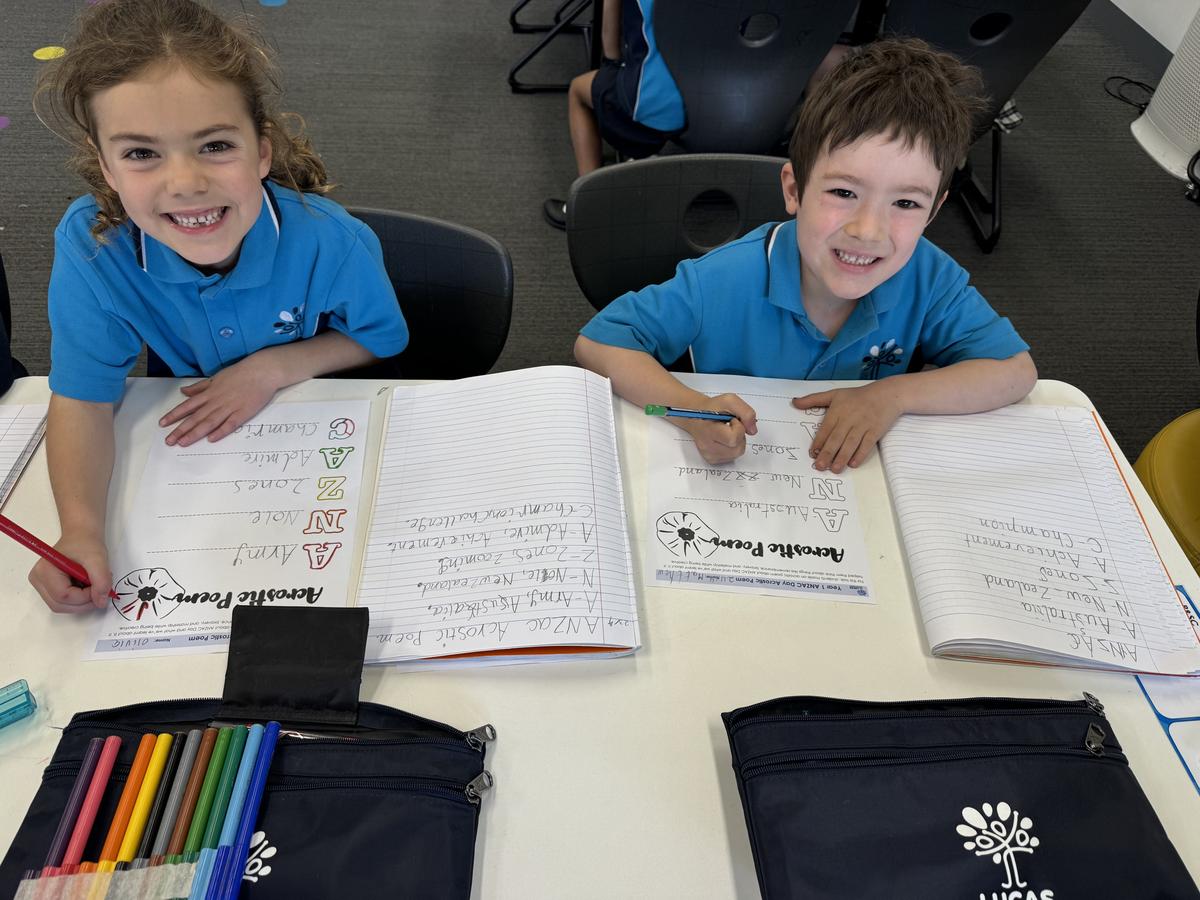
Writing: Writing lessons will focus on sentence structure, editing and using descriptive language this term. Students will explore exposition writing and create information reports linked to their history unit. We will also be continuing our weekly handwriting sessions to build confidence and improve letter formation.
Numeracy: In Numeracy, students will cover topics including time, position and movement, multiplication and division and 2D and 3D shapes and patterns. Learning will be supported through hands-on activities and practical experiences to strengthen understanding and confidence. We will also be continuing our weekly Launch, Explore, summarise lessons to consolidate student learning.
Respectful Relationships and Wellbeing: This term, we will continue to work through the RRRR program, exploring relationships, ways to be respectful and how to support each other. Lunchtime clubs will start again this term; a timetable will be posted in the admin building for students. Kim Barne Connections will also continue fortnightly. This has been a wonderful way to finish our Fridays, with students completing tasks alongside like-minded peers. It has helped create and support some great friendships.