
Food Studies
Visual Arts & Technology
Food Studies
Visual Arts & Technology
A hotly debated topic that has Australians on their toes: "One or two?" "Toasted or microwaved?" "Vegemite or honey?"
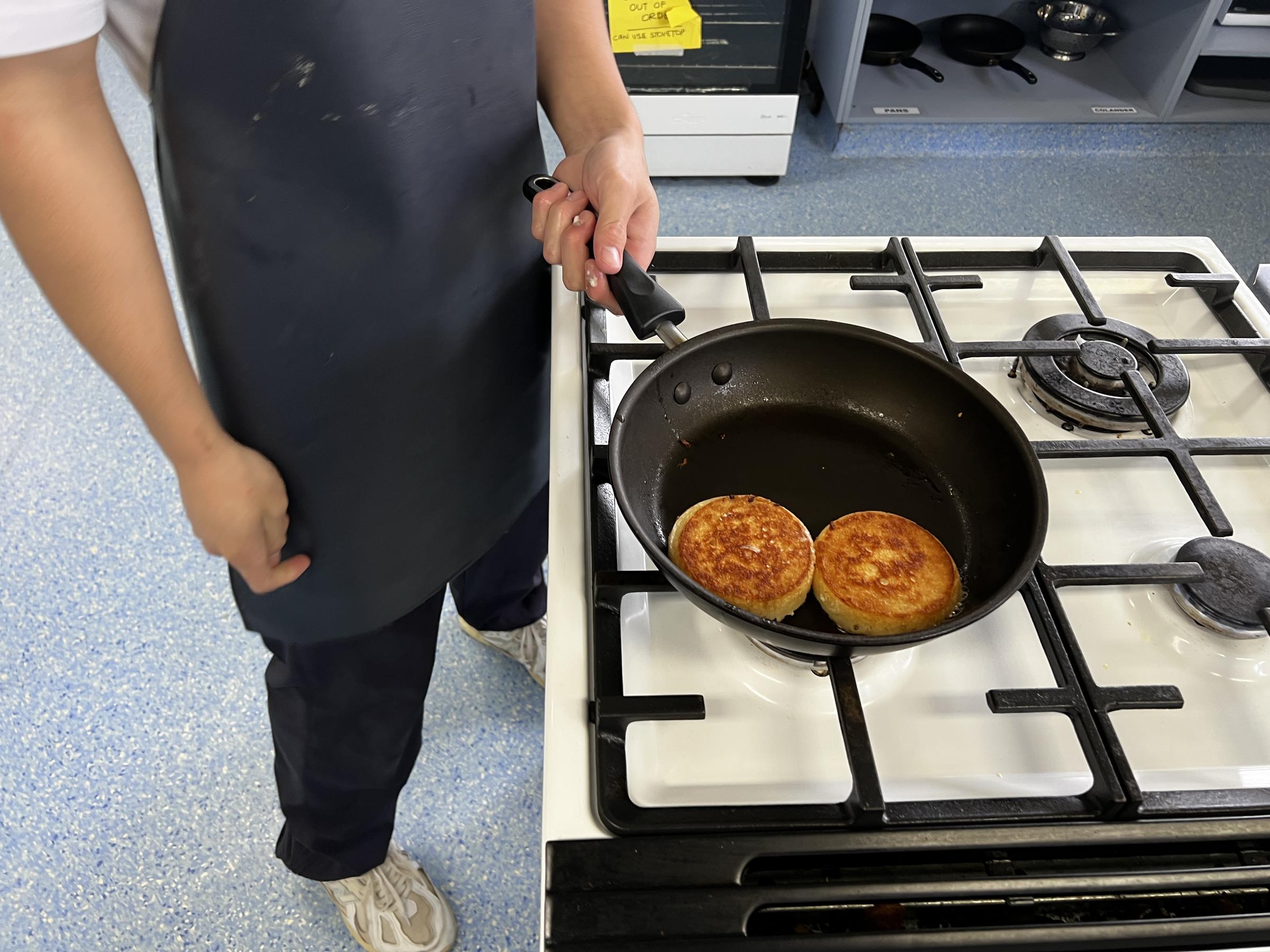
Our Year 11 Food Studies students have produced a crumpet that even ‘Golden Bakery’ couldn't match in its wildest dreams.
As we move into Unit 2 of VCE Food Studies, students have been exploring the Australian food system, including primary production, food processing and secondary processing. To consolidate their learning, they made the scientifically fascinating and deliciously humble crumpet, served with a compound honey butter.
A crumpet's quintessential texture is created through the use of two leavening agents: baking powder, which provides an instant rise during cooking, and yeast, which ferments the batter over time. Together, these ingredients work with gluten to create the dense yet fluffy, chewy yet soft texture that makes a crumpet so distinctive.
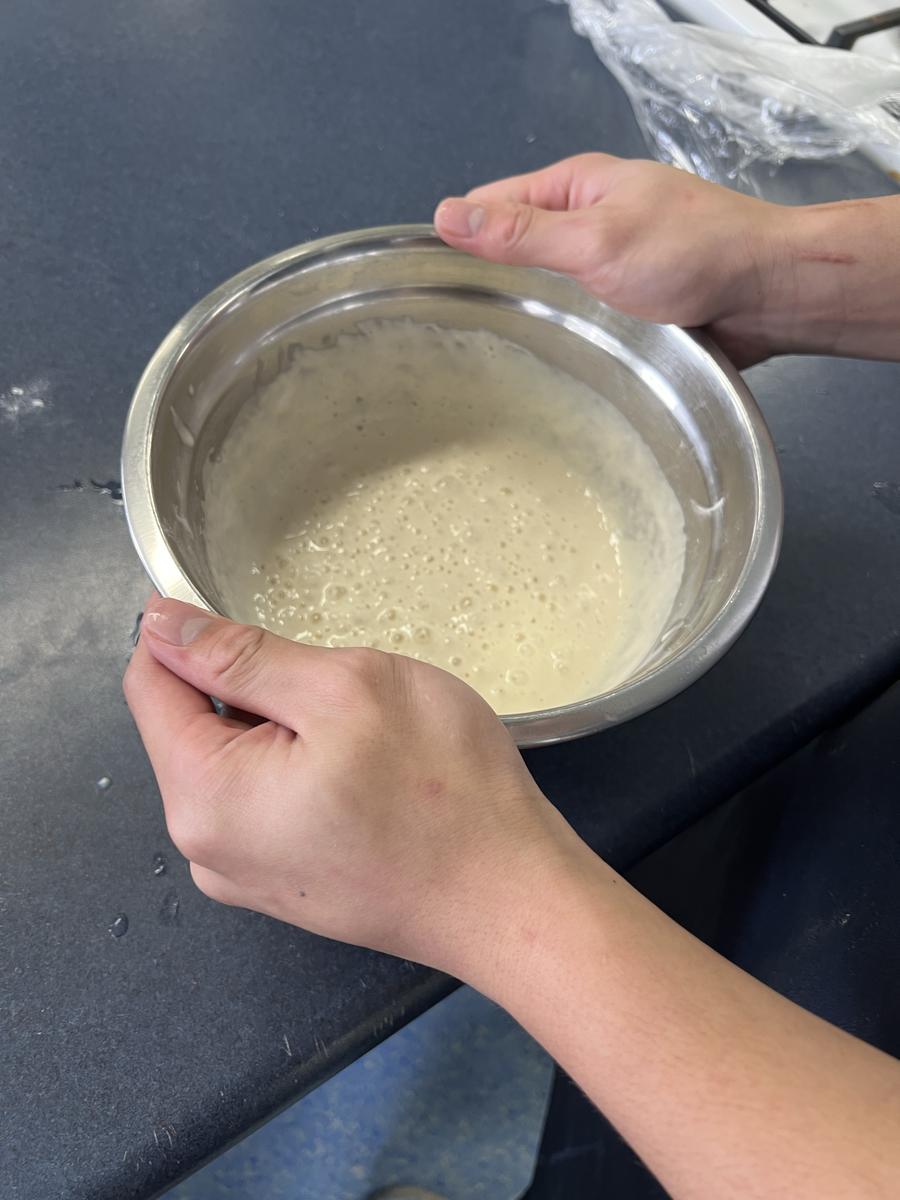
Australia produces approximately 8 billion litres of milk each year and tens of millions of tonnes of wheat. Through primary and secondary processing, these staple ingredients are transformed into a vast range of foods enjoyed both here and around the world.

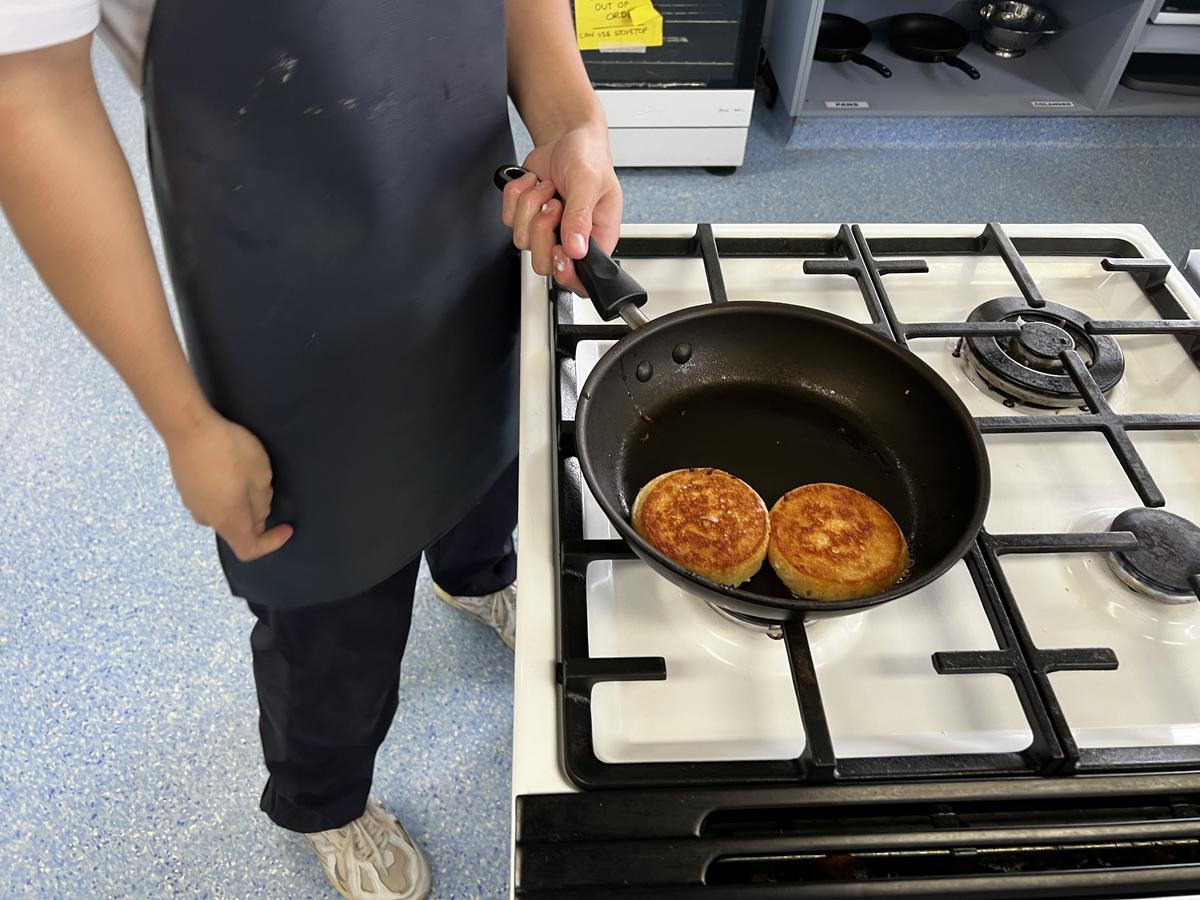
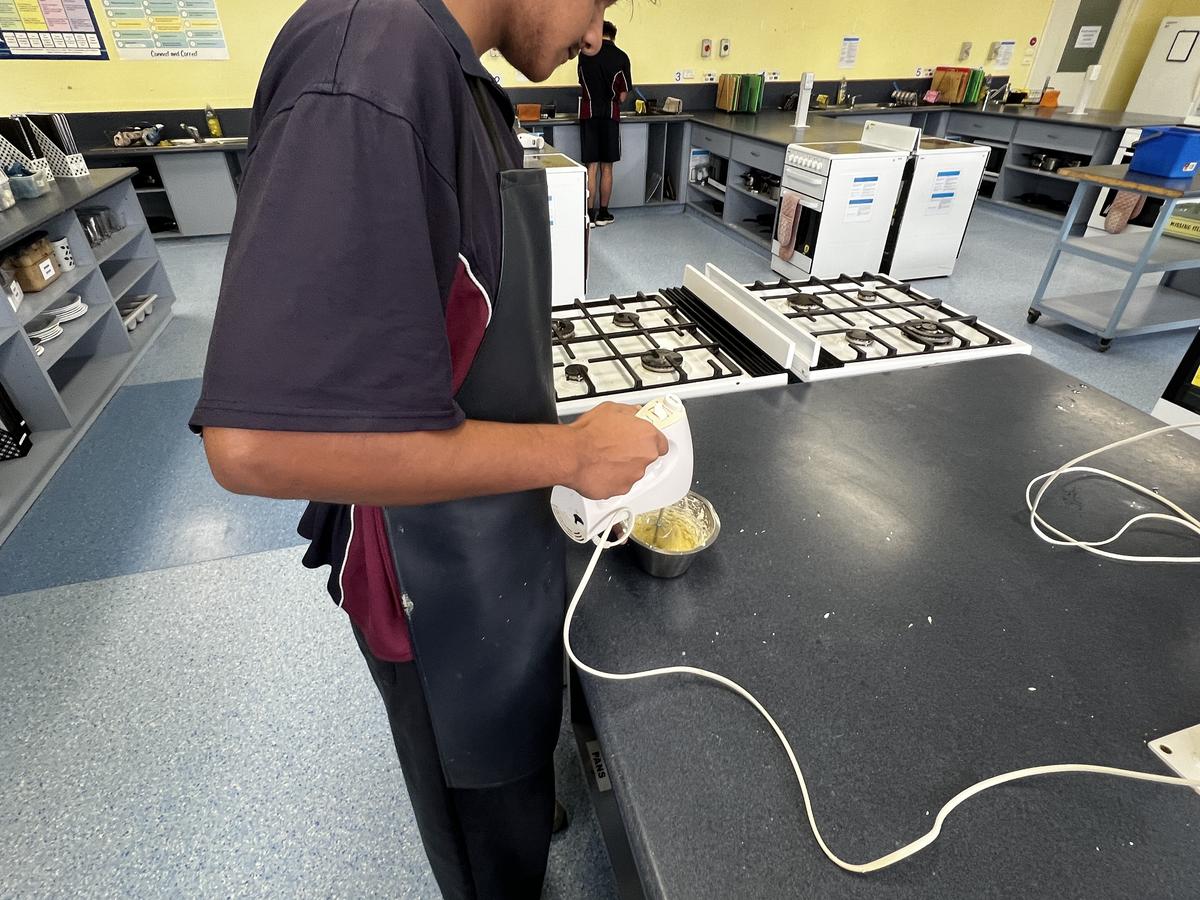
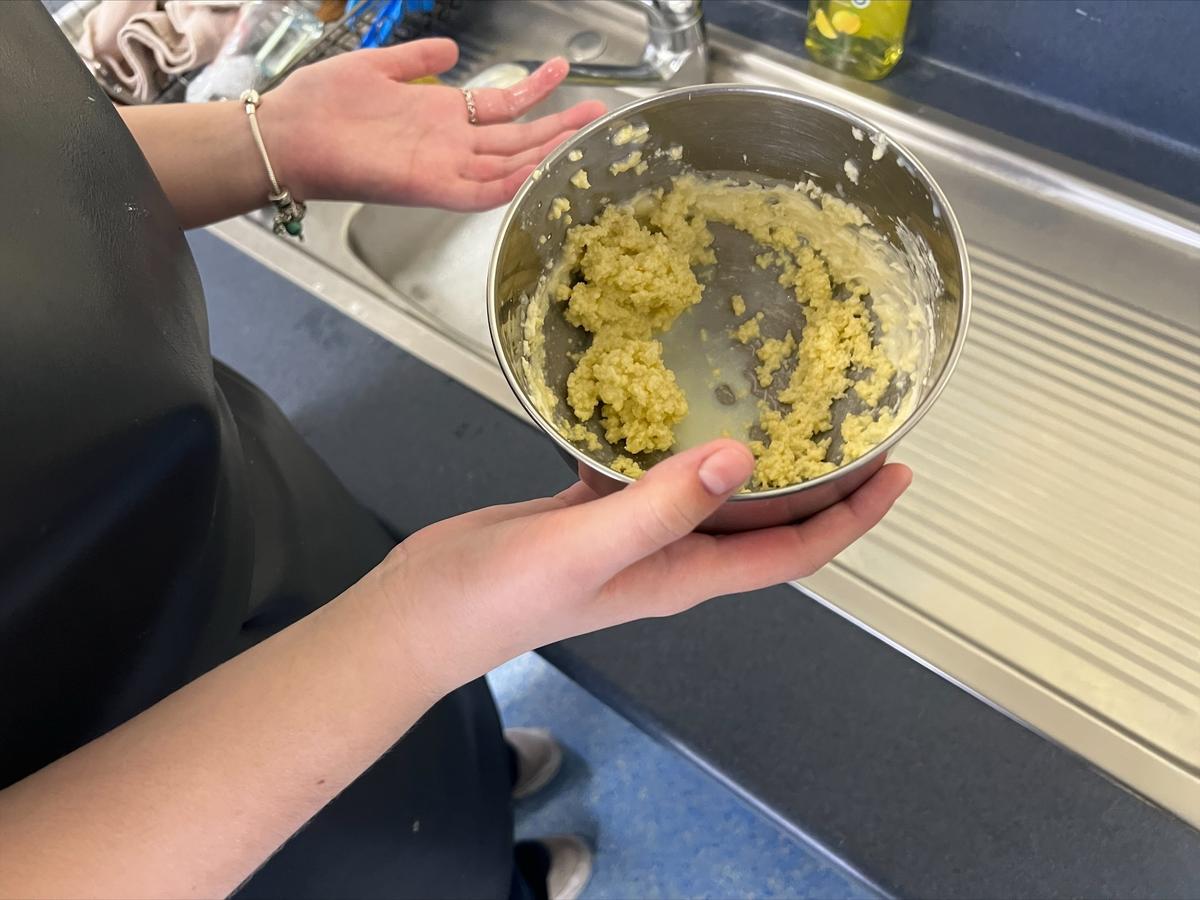
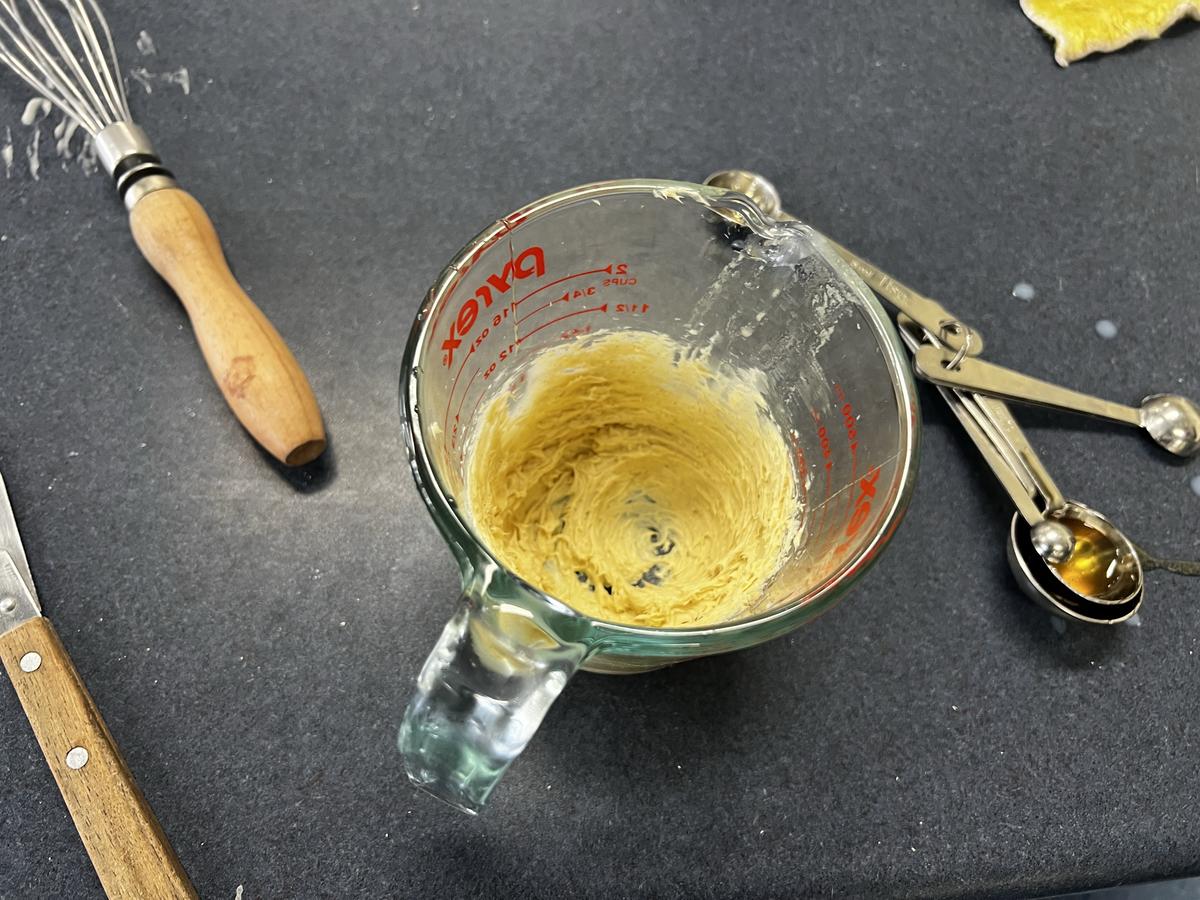
To better understand these processes, students created their own compound butter by whipping cream until the butterfat separated from the buttermilk. They then flavoured the butter with honey and cinnamon before whipping it again to create a light, smooth and fluffy spread.
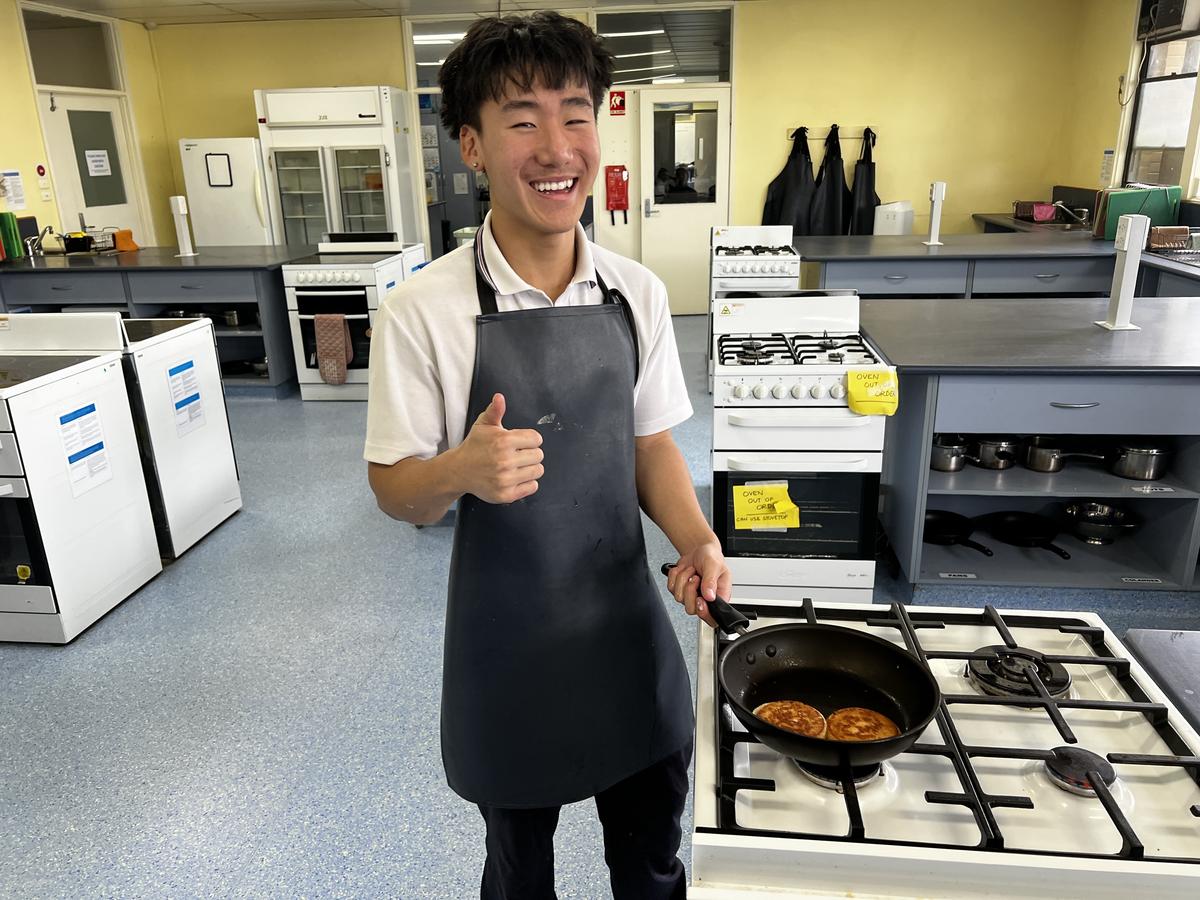
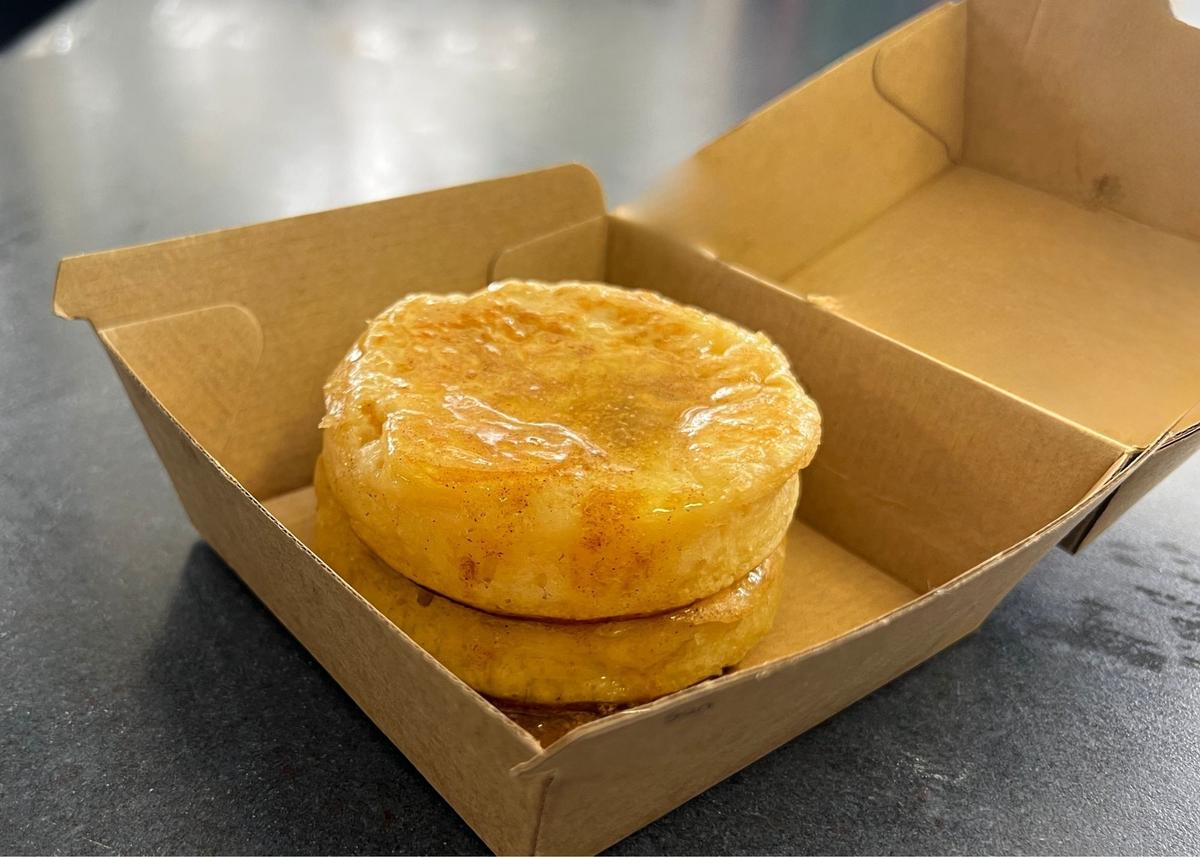
I can confidently assure you that very few of these crumpets made it home! They were a tremendous success, and we hope you are inspired to try making them yourself.
Armann Kumruyan
Art & Technology
In VCE Unit 2 Food Studies, students explore Australian food production with a focus on various food industries such as apples and beef. This week, we conducted an investigation on various apple and beef products by considering their sensory appeal, nutritional information and production processes.
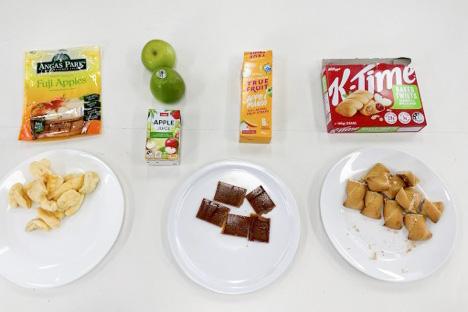
Here are some fun facts we uncovered about these industries:
Apple production is a major contributor to the Australian economy with the industry valued at $647 million and producing around 370,000 tonnes a year.
Australians eat a lot of locally grown apples —an average of 7.82kg of apples per year!
Pink Lady farming dominates the orchards accounting for 41% of total fresh apple production.
Australia is one of only five countries in the world — alongside Uruguay, New Zealand, Argentina, and Brazil — that has more cows than people.
The state of Queensland leads beef production in Australia
Australian beef export revenue reached A$10.5 billion in 2022, representing 12% of Australia's total agricultural exports
71% of everything Australian farms produce ends up feeding someone overseas, which says a lot about how much the rest of the world relies on Australian paddocks
Australian agriculture is a powerhouse for the national economy, generating a predicted record $106.4 billion in 2026!!!
Joanne Steen
Art & Technology