Page 0 Banner Photo
Cover Page
Principal's News  Banner Photo
Principal's News 
Student Wellbeing Banner Photo
Student Wellbeing Remembrance Day , Presentation Evening , Wellbeing Days ,  It's a Shelford World Program , Final Student Day Mon 2 Dec , Term 4 – Upcoming Key Dates 
Junior School Update Banner Photo
Junior School Update Congratulations Emily, Alicia and Zara! , Glen Eira Disability Awareness Guest Speaker , Australian Mathematics Trust , Shelford Junior School’s Got Talent , Final Christmas Chapel , Farewell from the JS Co-Captains , Farewell and Wellbeing: A Final Note , Farewell Shelford, my guide. 
Year 7  Banner Photo
Year 7 
Year 8  Banner Photo
Year 8  End of the Year 
Year 9  Banner Photo
Year 9  A Year in Review: Year 9 
Year 10  Banner Photo
Year 10  A memorable end for Year 10 
Senior Years  Banner Photo
Senior Years 
Languages UpdateShelford Girls' Grammar 1000 Cranes for Peace At the end of last year, we began our Shelford Girls' Grammar 1000 Cranes for Peace project, and finally after a year of folding, folding and more folding, we completed our 1000 cranes.   There has been a legend in Japan for a long time that if you made 1000 origami cranes, you would have good luck, and your wish would be granted. But it wasn’t until quite recently that it became a way to pray for peace. It started with a young girl called Sadako who was 2 when the atomic bomb was dropped on Hiroshima at the end of World War 2. She lived a happy normal life until she was 12, when she developed leukemia. She was one of many people who survived the initial blast, but who were affected by the radiation poisoning from the fallout. She began folding 1000 cranes in her hospital bed, and after she died, the children from her school started a fundraising campaign which spread across Japan. In 1958 a statue called “Atomic Bomb Children”, with Sadako at the top holding a crane, was unveiled in the Hiroshima Peace Park in 1958. People began folding 1000 cranes and sending them to the Peace Park in to pray for peace. The movement gained momentum and now 10 million cranes are folded and sent to the Peace Park every year.  As I was smoothing the cranes and preparing them, I noticed that each crane was different, despite them all coming from a standard piece of origami paper. So many people contributed in big and small ways, and this was truly a community effort. Pople went out and bought beautiful paper for their cranes, and special thanks go to our Year 6 super folders Emma H, Grace N and Juliana H, to the parliamentarians and to Miss Ashwell and Miss Li for their folding support.   When I was putting the Senbazuru together, 1000 times I picked up a crane and as I admired its unique beauty, I thought about some of the people I’ve met here at Shelford who will always be precious to me. I’m sure you all have people like that too. I000 times I was grateful for the connections I’ve made here, and for the diversity and generosity of this community.   1000 times I held a crane in my hand, and I thought not just about the person who folded the crane in front of me, but of all of us who are leaving Shelford. 1000 times I wished us all well on our forward journeys.   As I placed each crane onto its string, 1000 times I thought about war and the devastation it wreaks. 1000 times, with sorrow in my heart, but also hope, I sincerely prayed for a peaceful world in which we will be able to raise our children and care for our loved ones without fear.  This Shelford Girls' Grammar Senbazuru will be sent off to Hiroshima to join all the other Senbazuru in the Peace Park. We send it with immense gratitude and great hopes for a positive future.    Julie Devine Head of Languages       Languages Update Banner Photo
Languages UpdateShelford Girls' Grammar 1000 Cranes for Peace At the end of last year, we began our Shelford Girls' Grammar 1000 Cranes for Peace project, and finally after a year of folding, folding and more folding, we completed our 1000 cranes.   There has been a legend in Japan for a long time that if you made 1000 origami cranes, you would have good luck, and your wish would be granted. But it wasn’t until quite recently that it became a way to pray for peace. It started with a young girl called Sadako who was 2 when the atomic bomb was dropped on Hiroshima at the end of World War 2. She lived a happy normal life until she was 12, when she developed leukemia. She was one of many people who survived the initial blast, but who were affected by the radiation poisoning from the fallout. She began folding 1000 cranes in her hospital bed, and after she died, the children from her school started a fundraising campaign which spread across Japan. In 1958 a statue called “Atomic Bomb Children”, with Sadako at the top holding a crane, was unveiled in the Hiroshima Peace Park in 1958. People began folding 1000 cranes and sending them to the Peace Park in to pray for peace. The movement gained momentum and now 10 million cranes are folded and sent to the Peace Park every year.  As I was smoothing the cranes and preparing them, I noticed that each crane was different, despite them all coming from a standard piece of origami paper. So many people contributed in big and small ways, and this was truly a community effort. Pople went out and bought beautiful paper for their cranes, and special thanks go to our Year 6 super folders Emma H, Grace N and Juliana H, to the parliamentarians and to Miss Ashwell and Miss Li for their folding support.   When I was putting the Senbazuru together, 1000 times I picked up a crane and as I admired its unique beauty, I thought about some of the people I’ve met here at Shelford who will always be precious to me. I’m sure you all have people like that too. I000 times I was grateful for the connections I’ve made here, and for the diversity and generosity of this community.   1000 times I held a crane in my hand, and I thought not just about the person who folded the crane in front of me, but of all of us who are leaving Shelford. 1000 times I wished us all well on our forward journeys.   As I placed each crane onto its string, 1000 times I thought about war and the devastation it wreaks. 1000 times, with sorrow in my heart, but also hope, I sincerely prayed for a peaceful world in which we will be able to raise our children and care for our loved ones without fear.  This Shelford Girls' Grammar Senbazuru will be sent off to Hiroshima to join all the other Senbazuru in the Peace Park. We send it with immense gratitude and great hopes for a positive future.    Julie Devine Head of Languages       Languages Update Shelford Girls' Grammar 1000 Cranes for Peace 
From our Counsellors  Banner Photo

From our Counsellors  Finding Closure and Moving Forward, Moving forward 

Welcome to the Shelfordians Banner Photo
Welcome to the Shelfordians
Published by
Shelford Girls Grammar
Facebook Instagram
Banner Photo

From our Counsellors 

Finding Closure and Moving Forward

As the end of the year approaches, we are providing opportunities for the community to foster a sense of closure. When processing an ending and change like the one we are all soon to face, it is important to practise acceptance, allow ourselves to process and express our feelings, and place the experience in context so we can move forward. While the change is out of our control, we can focus on the learning, fun, meaning, connections, and growth that Shelford has given us and that we can carry forward. 


“The only way to make sense out of change is to plunge into it, move with it, and join the dance.”  

Allowing our natural and difficult emotions to be felt and expressing them in some way is beneficial when we experience endings – whether it be through talking, crying, writing, drawing, creating, or movement. We cannot selectively numb emotions – to feel the gratitude, connection, and joy in these final weeks, we also need to be open to sense of sadness and loss that may come with them.  


Some strategies that can help with finding closure are:  

  • contain the experience: write it out and put it in an envelope, create a box of reminders (written thoughts, memories, items), use your intuition and creativity to symbolise the experience and its ending  
  • feel the feels: notice, accept, and express the range of emotions in your own time and your own way (e.g., sadness, grief, disappointment, uncertainty, optimism, curiosity, etc.) – there’s no right or wrong  
  • surround yourself with people who can support and encourage you  
  • gather your internal resources: focus on your strengths, the positives, what you can control, and what you need 

These final days are about finding the balance between recognising the learnings and memories we can take with us, making the most of the present experiences, and looking to future opportunities and growth.  

Moving forward 

Moving forward is not about forgetting or denying an experience or memories – it is about considering what we have learned and how we can carry it forward. It is important to accept the normal range of emotions we may feel – from sadness to serenity, excitement to emptiness, gratitude to grief, nostalgia to nervousness. We encourage the whole school community to be honest about the impact Shelford has had on their identity and life overall – in this way, the experience at Shelford can become a chapter in each of our unique life stories. 

Respect – Integrity – Passion - Creativity 


As we all move forward to new schools and communities, may we honour our dear Shelford by living by its teachings and values.   


It has been an honour and privilege to support the wellbeing of Shelford students and to be part of this wonderful community.  


We wish you all the best for the next chapter.   
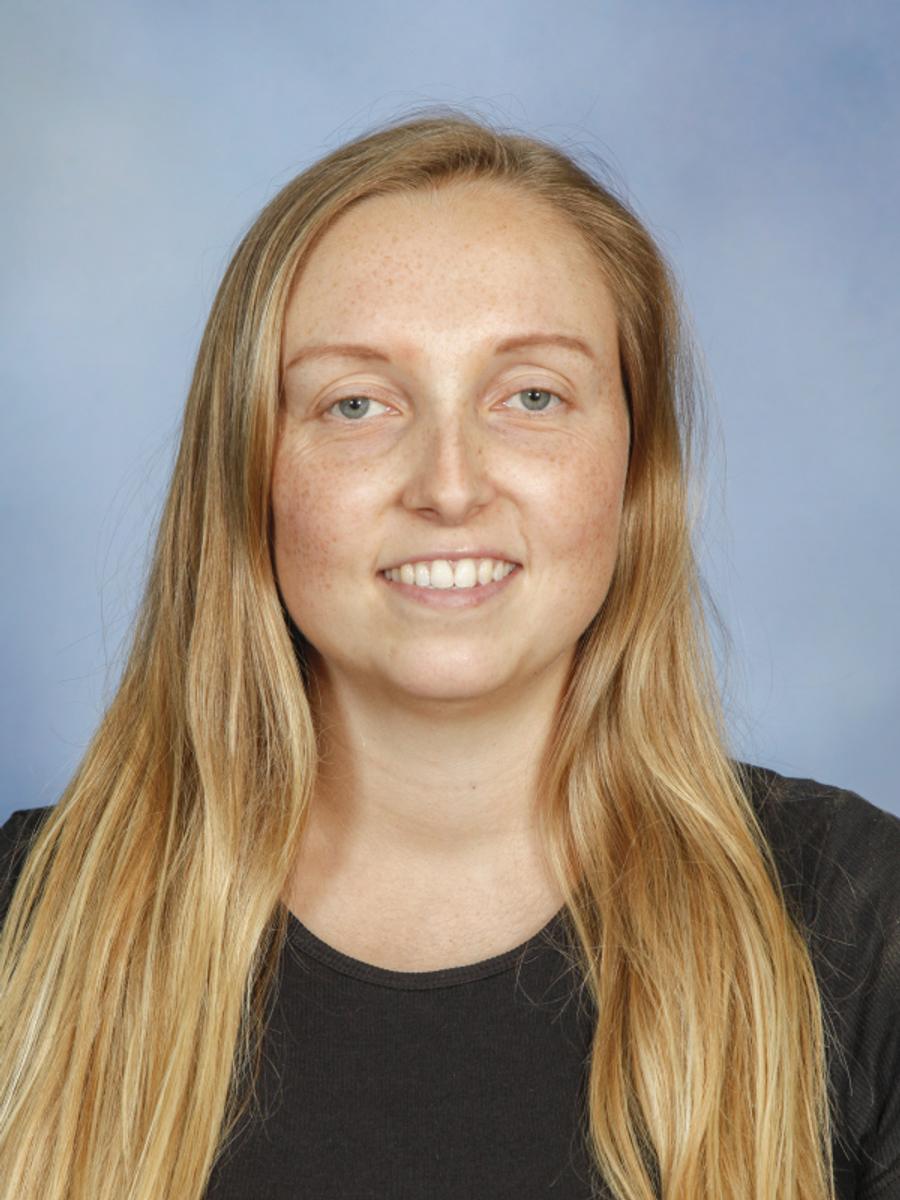

Gallery Image

Edith Benardeau-Short

Psychologist

Gallery Image

Charlotte Edmonds

Counsellor