
NATIVE FOOD AND CULTURE PROGRAM
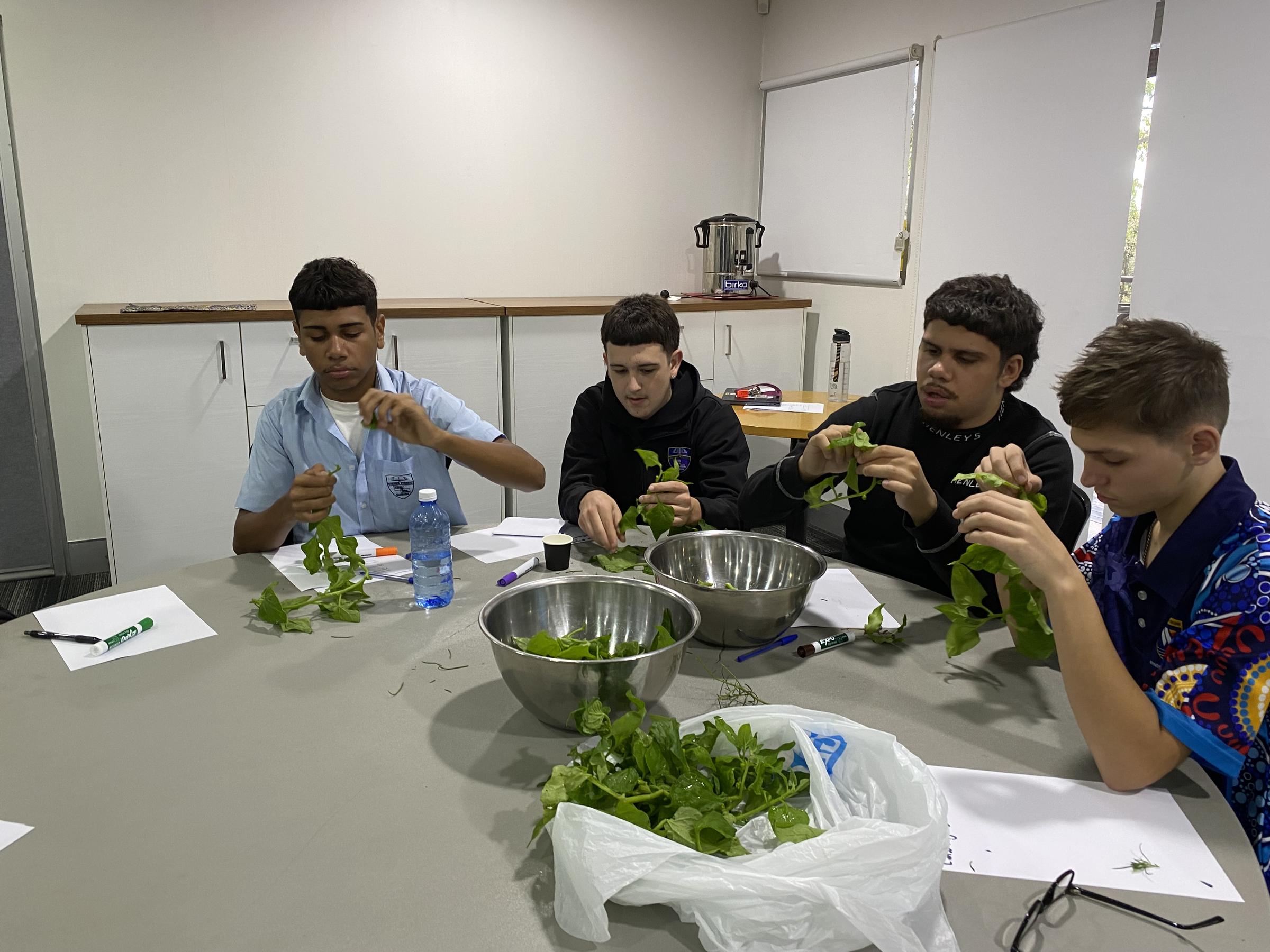
Our Aboriginal students recently participated in an engaging and culturally enriching Native Food and Culture Day, where they explored the deep connection between Aboriginal and Torres Strait Islander peoples, the land, and traditional food practices.
The day provided students with a hands-on opportunity to learn about native plants, traditional knowledge, and the importance of preserving cultural practices for future generations. The program brought together First Nations students, Food Technology students, and students interested in exploring the importance of native foods, cultural knowledge, and respectful partnerships with First Nations people.
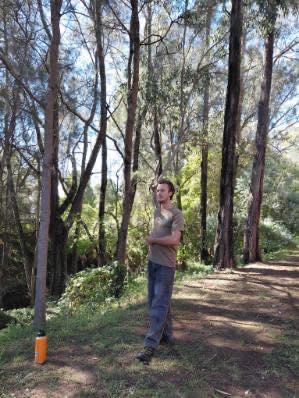
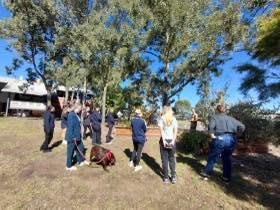
Throughout the day, students walked around the school grounds identifying a range of edible native plants growing within the local environment. Guided by Cooper from Bush to Bowl, students learned how Aboriginal and Torres Strait Islander communities have used these plants for thousands of years as important food sources and medicines. The activity encouraged students to look at the natural environment in a new way and recognise the rich knowledge held within Indigenous cultures.
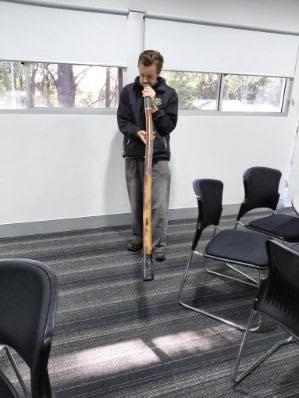
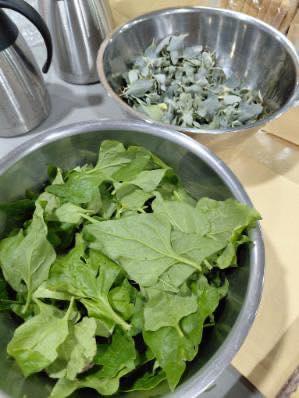
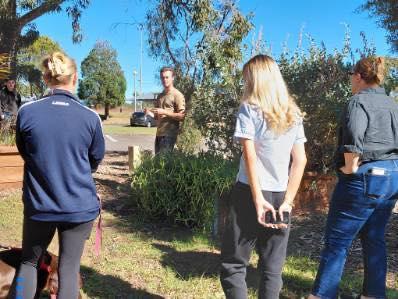
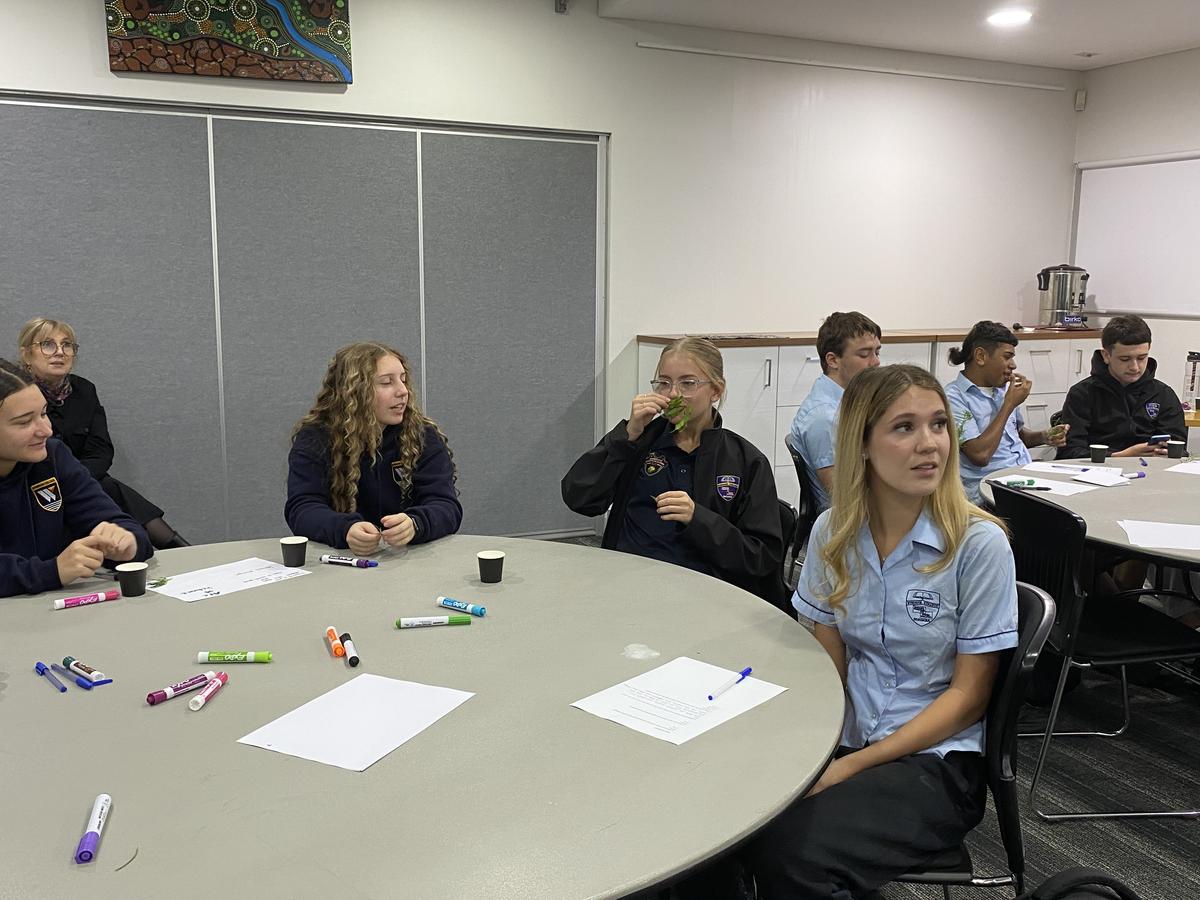
Students were able to taste a variety of native ingredients and discover how they can be incorporated into both traditional and modern cooking. Ingredients such as native herbs, spices, and edible plants introduced students to unique flavours while also demonstrating the sustainability and nutritional value of bush foods.
One of the highlights of the day was learning how to make tea using lemon myrtle, a native Australian plant well known for its refreshing citrus aroma and flavour. Students discovered that lemon myrtle has long been valued not only for its taste, but also for its medicinal properties. They learned how Indigenous communities traditionally used native plants for healing and wellbeing, with many plants possessing antibacterial, anti-inflammatory, and calming qualities. These discussions helped students develop a greater understanding of the sophisticated environmental and medicinal knowledge Aboriginal and Torres Strait Islander peoples have developed over countless generations.
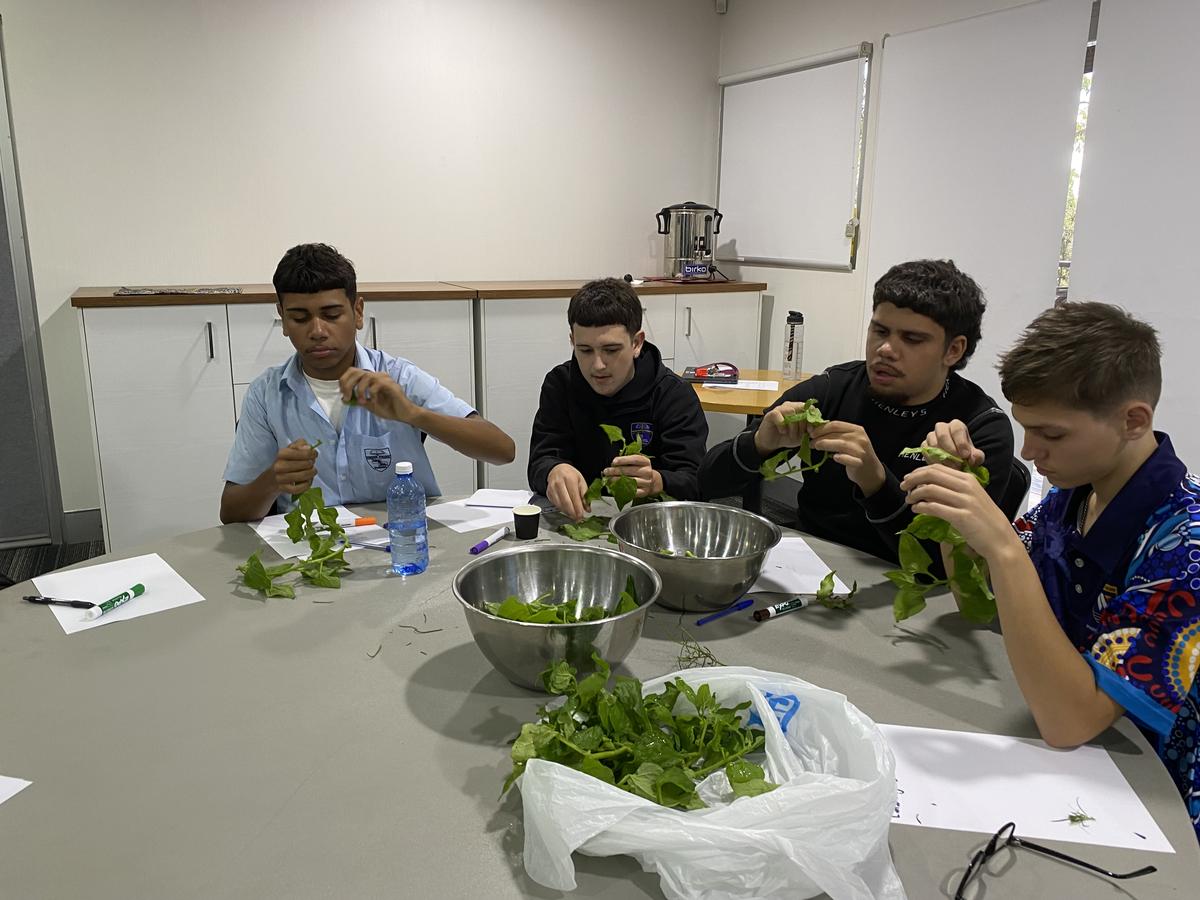
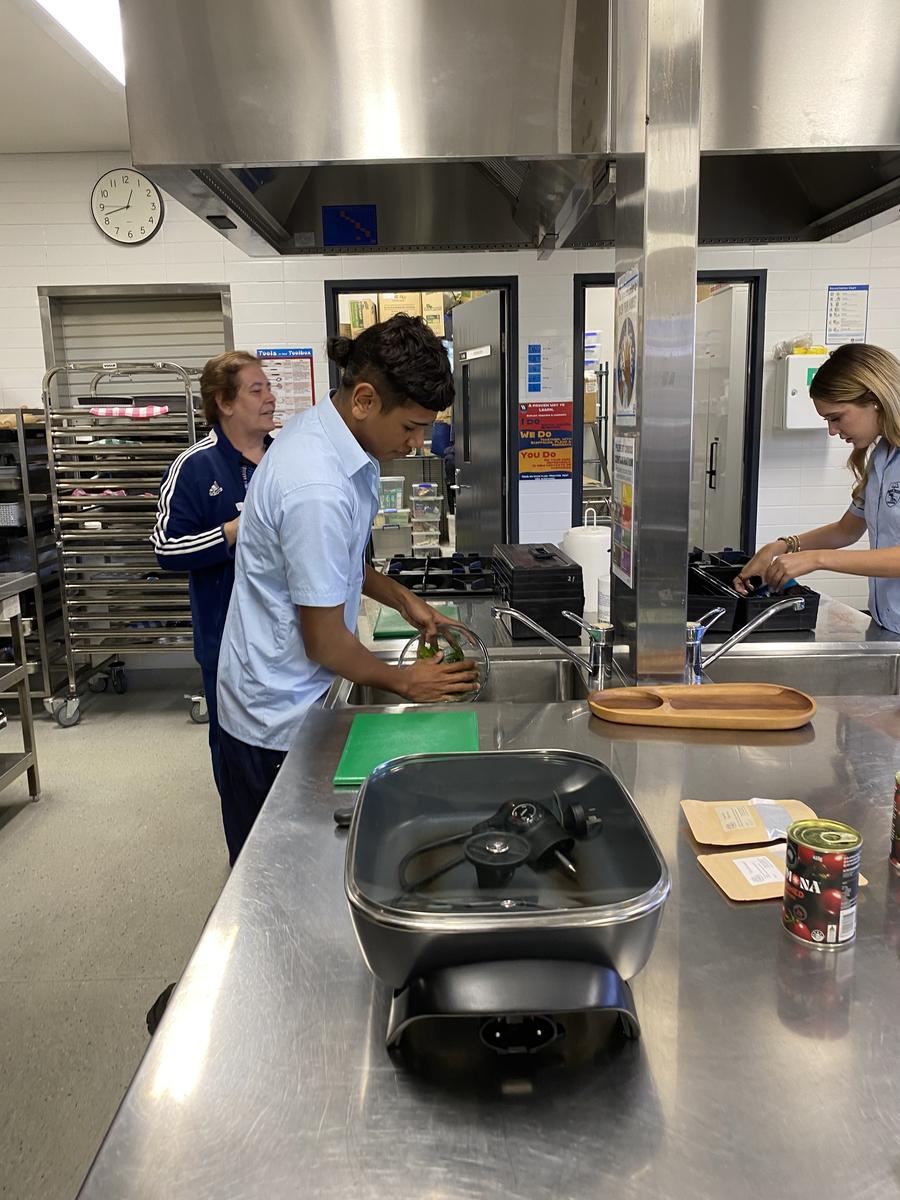
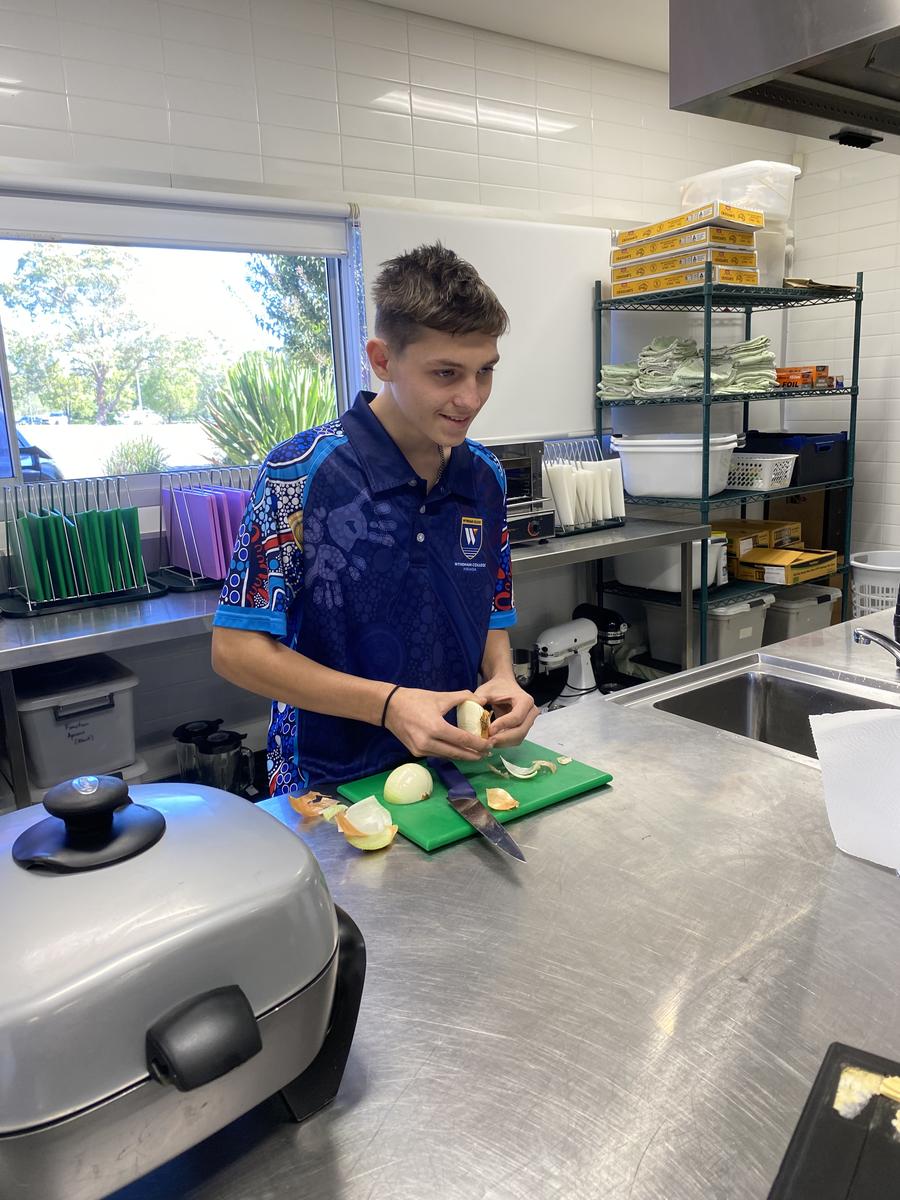
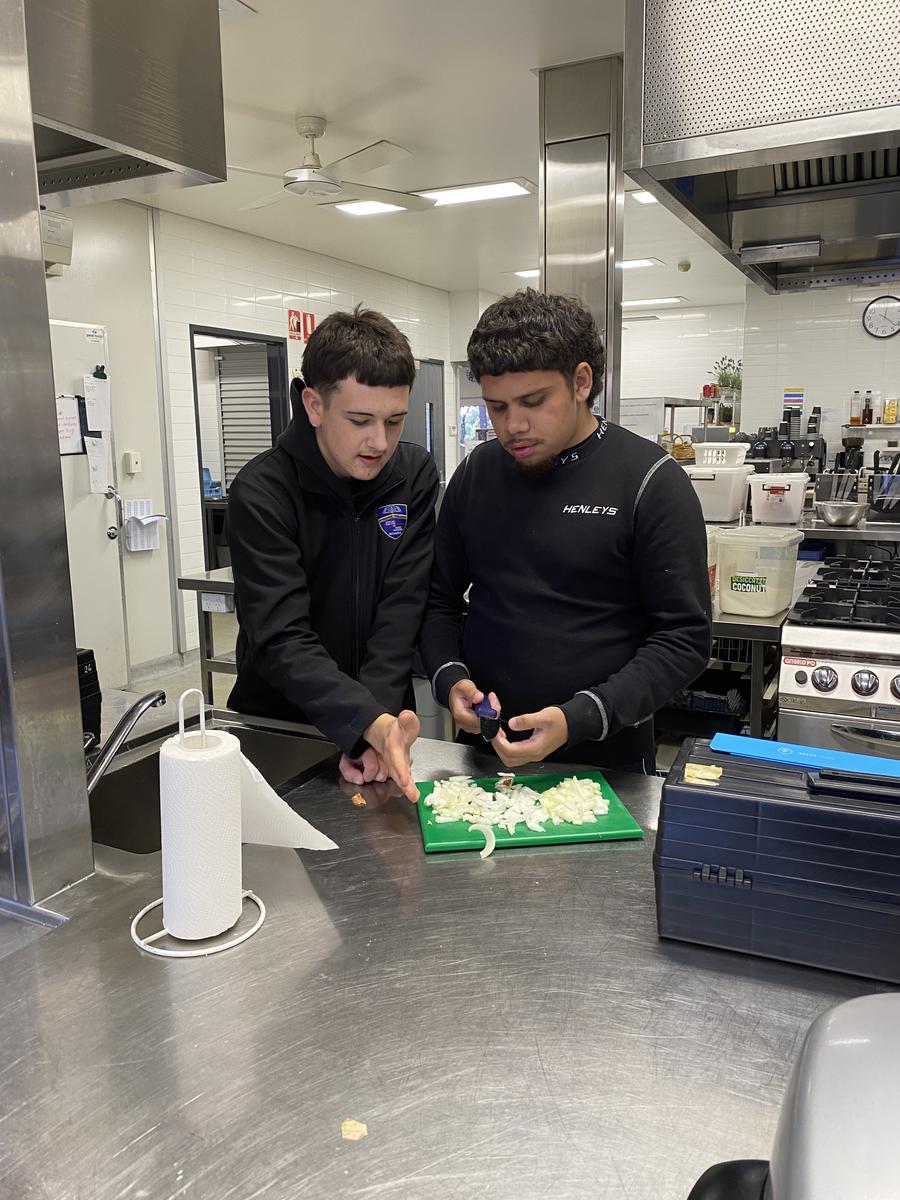
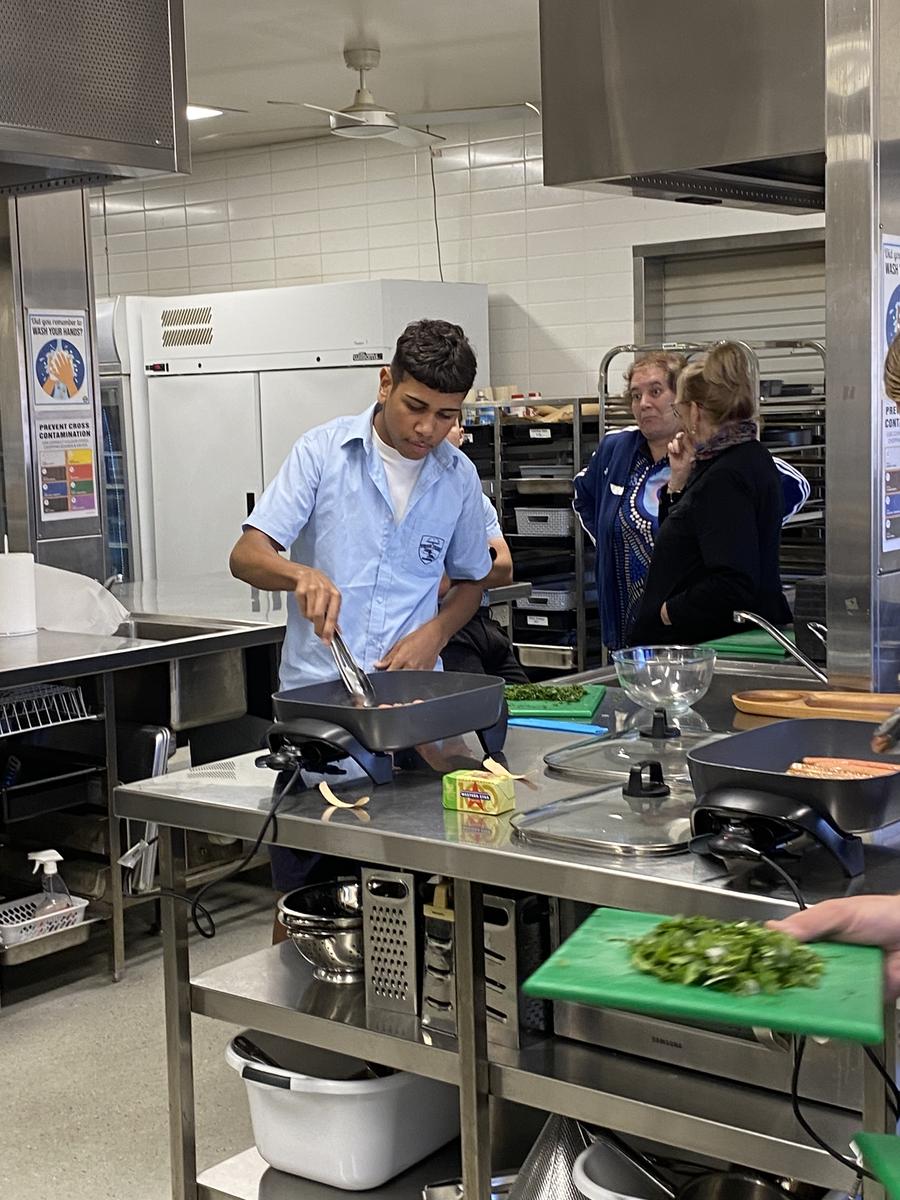
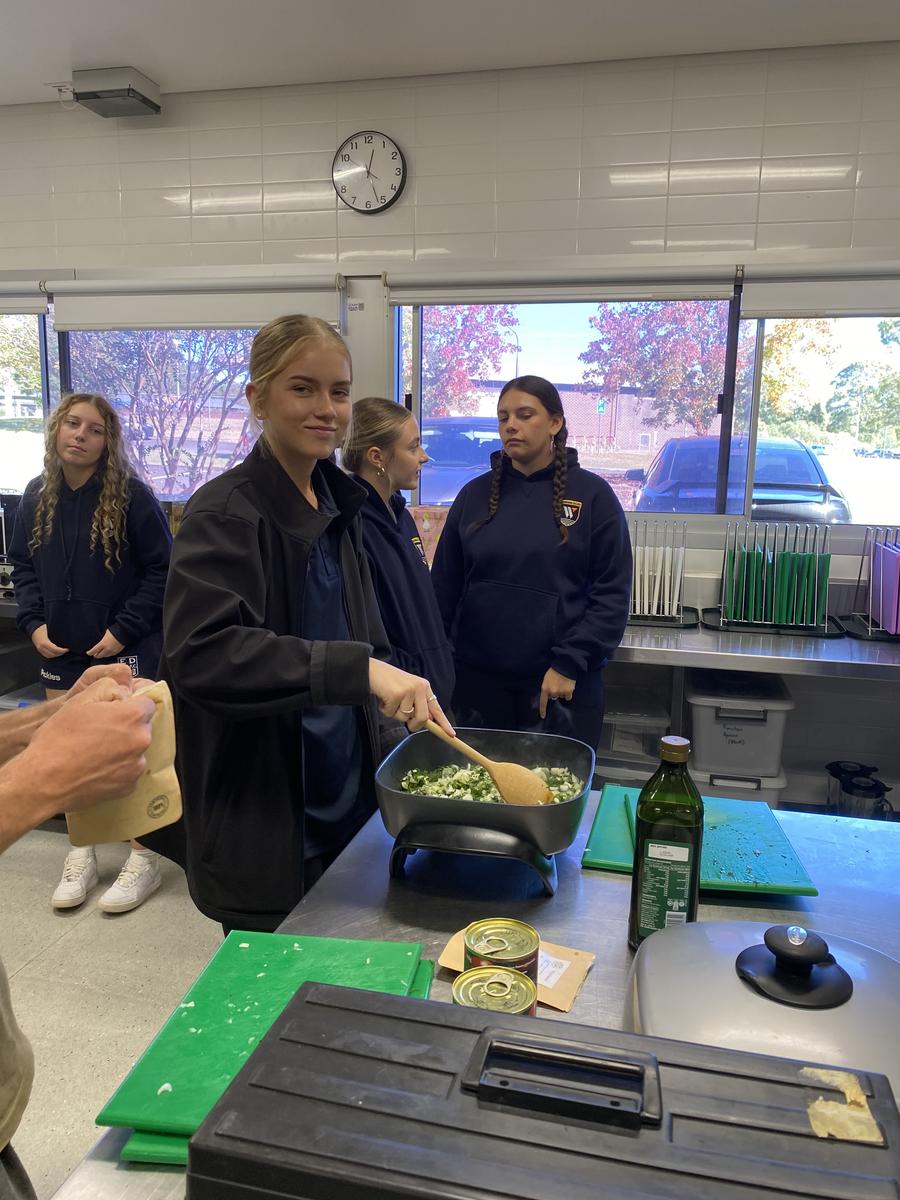
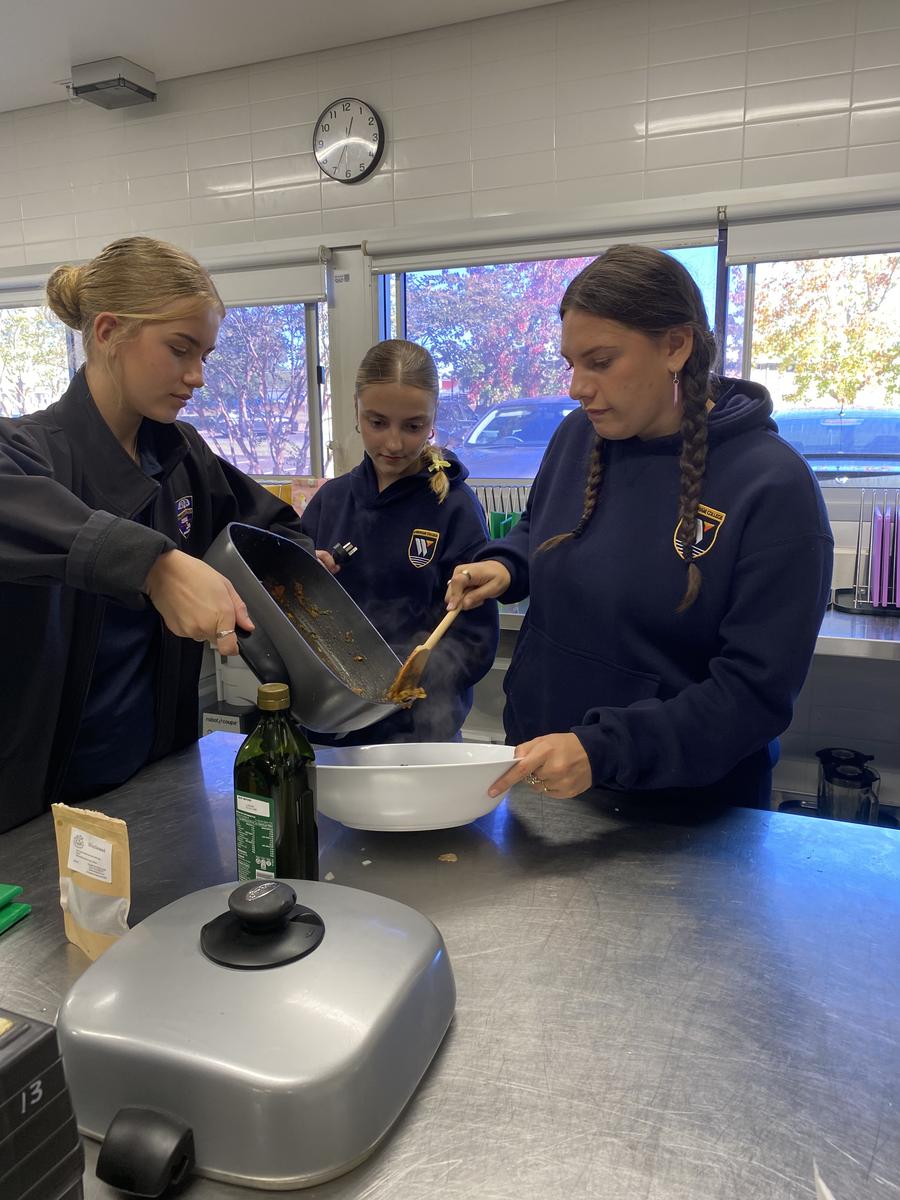
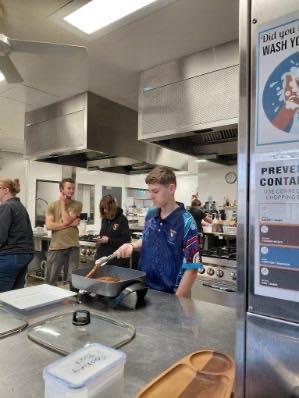
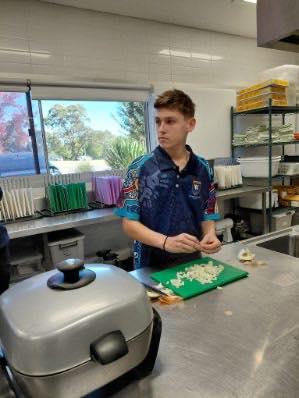
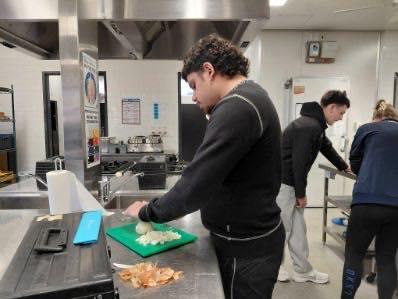
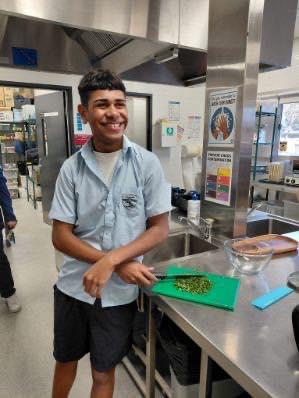
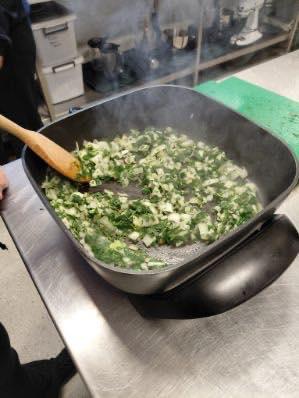
Following the tasting sessions, students had the opportunity to cook using native ingredients themselves. Working together, they prepared and sampled dishes that incorporated bush foods, gaining practical experience while building confidence and curiosity in the kitchen. The cooking activities were a valuable way for students to connect cultural learning with real-world skills and experiences.
Instructors emphasised the significance of preserving and continuing traditional knowledge. Students learned that many cultural practices, languages, and traditional teachings are at risk of being lost if they are not actively shared with younger generations. The day highlighted the importance of storytelling, hands-on learning, and community connection in passing on knowledge and keeping culture strong.
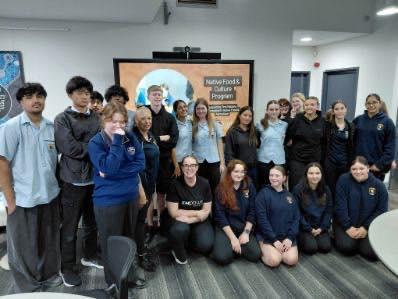
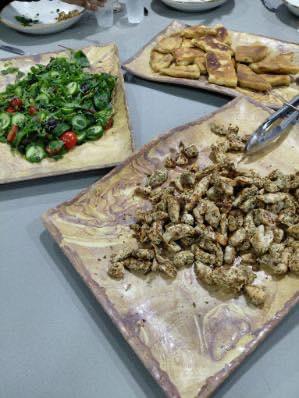
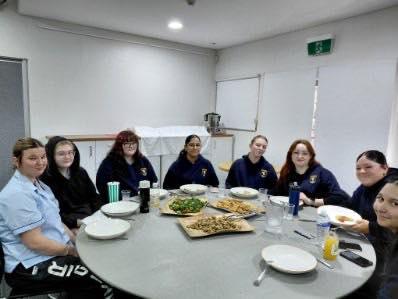
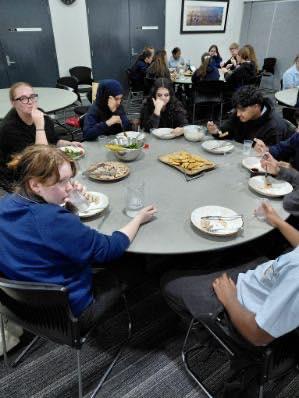
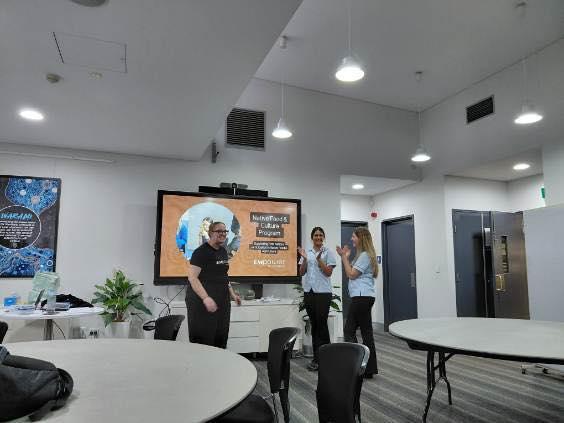
The Native Food and Culture Day was not only educational but also inspiring. It provided students with a meaningful opportunity to celebrate and value Aboriginal and Torres Strait Islander cultures while deepening their understanding of Australia’s rich cultural heritage. Experiences such as these help foster respect, cultural awareness, and pride, while reinforcing the importance of listening to and learning from First Nations peoples.
Wyndham College would like to thank the instructors, Cooper and Holly, who generously shared their knowledge, stories, and experiences with our students. Their passion and dedication created an unforgettable learning experience that will leave a lasting impact on everyone involved.
A special thank you also to Marguerite Hernage – Careers Adviser, for organising the event, along with Melissa Reilly – Aboriginal and Torres Strait Islander Student Adviser, Mona Kamel – Food Technology Teacher, and all students involved for their participation and support across the two days.