
Inclusive Education
Building Strong Habits: How Routines Help Children Learn, Remember and Thrive
Have you ever wondered what really happens in a school day? Or why your child returns to their same favourite book or episode of bluey when they get home? It's familiar. They don’t have to think about what is going to happen next, or if the story has a happy ending. Each day at school, your child is learning far more than reading, writing and maths; they are also developing an important set of skills. Skills that help them organise themselves, manage emotions, follow instructions, remember what to do next and persist when tasks feel challenging. This group of skills are referred to as executive function skills, and they play a major role in a child’s confidence, independence and success.
One of the most effective ways adults can support executive function is through clear, predictable routines. Routines help children know what to expect. When a child understands the order of events - fruit in bowl, drink bottle on trolley, communication book in tray, bag in locker - they do not need to use as much mental energy working out what comes next. This reduces their cognitive load, which is the amount of information our brain has to hold and manage at one time.
For young children, a busy school day can involve many decisions, transitions and instructions. Without routines, children need to constantly stop, think, remember, decide and adjust. This can be tiring, especially for children who find organisation, attention or emotional regulation more difficult. Predictable routines free up brain space so children can focus on learning, participating and building relationships.
Routines also help skills become automatic. When children practise the same positive actions again and again, those actions become habits. A child who repeatedly follows a morning routine learns independence. A child who regularly uses a check my work routine becomes more reflective. A child who practises packing their bag in the same order becomes less reliant on adult reminders. Over time, routines help children move from needing constant support to managing tasks on their own.
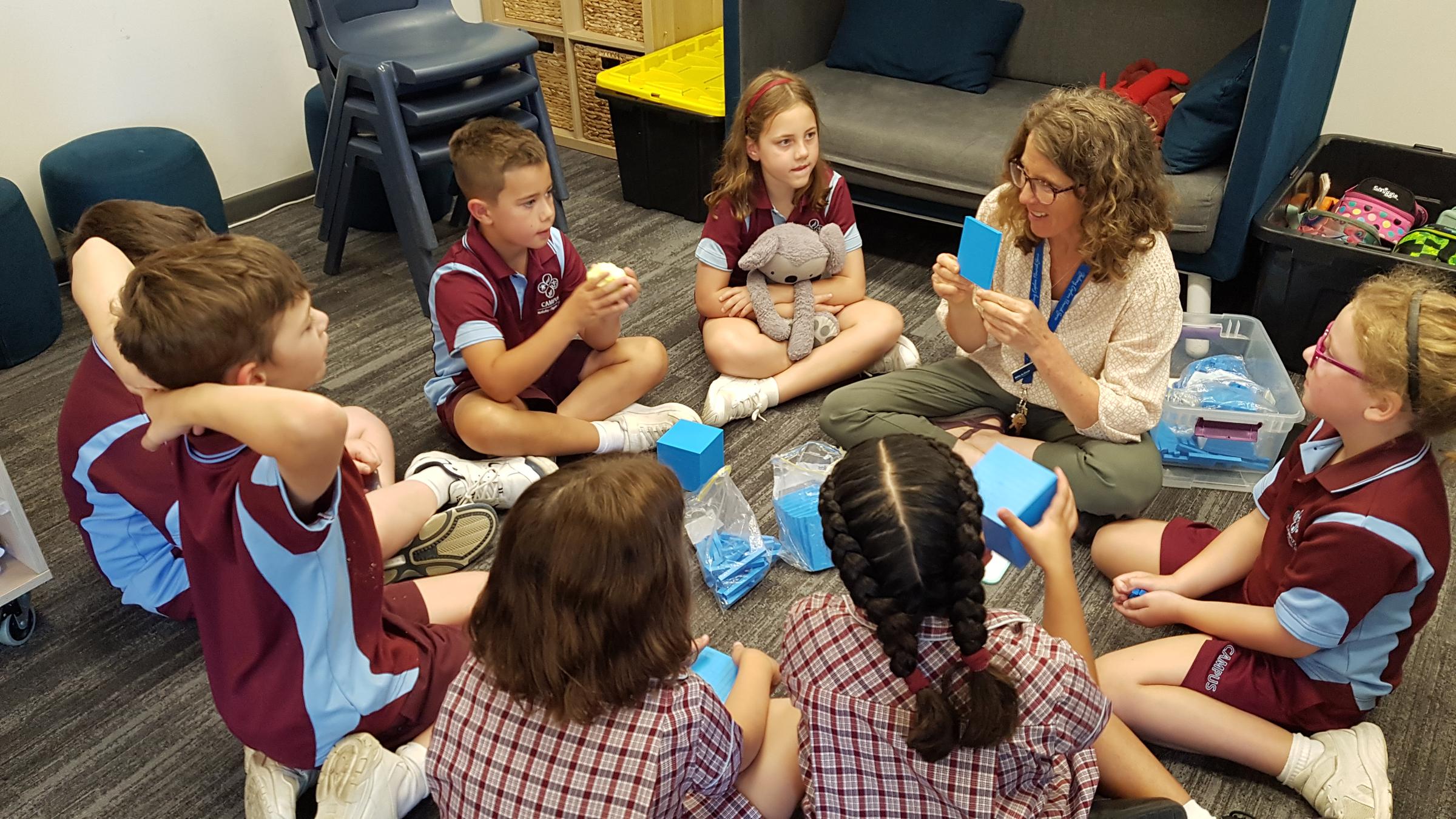
At school, routines might include lining up, moving between activities, beginning writing tasks, using classroom materials, packing up, or calming down after play. At home, routines might include getting ready in the morning, homework or reading each night, preparing for bed, or organising belongings for the next day.
The key is to keep routines simple, consistent and achievable. Visual schedules, checklists, verbal prompts and common language can all help children remember what to do. For example, using the same phrase each morning - get dressed, eat breakfast, brush teeth, bag in the car - gives children a familiar pattern to follow.
Routines are not about removing flexibility or creativity. Instead, they provide a safe structure that allows children to feel settled and capable. When the regular parts of the day feel predictable, children have more energy for problem-solving, imagination and self-regulation.
Families can support routines by encouraging children to take small steps towards independence. Rather than doing everything for them, adults can prompt, model and practise routines together. Questions such as “What comes next?” or “Can you check your list?” help children build responsibility while still feeling supported.
Strong routines take time to establish, but the benefits are long lasting. They help children develop confidence, reduce stress, strengthen memory and build independence. Most importantly, routines give children repeated opportunities to practise the skills they need every day until those skills become part of who they are as learners because Practice Makes Permanent.
Yiota Chesterfield
Inclusive Education Coordinator