
Job Spotlight - Climate Scientist
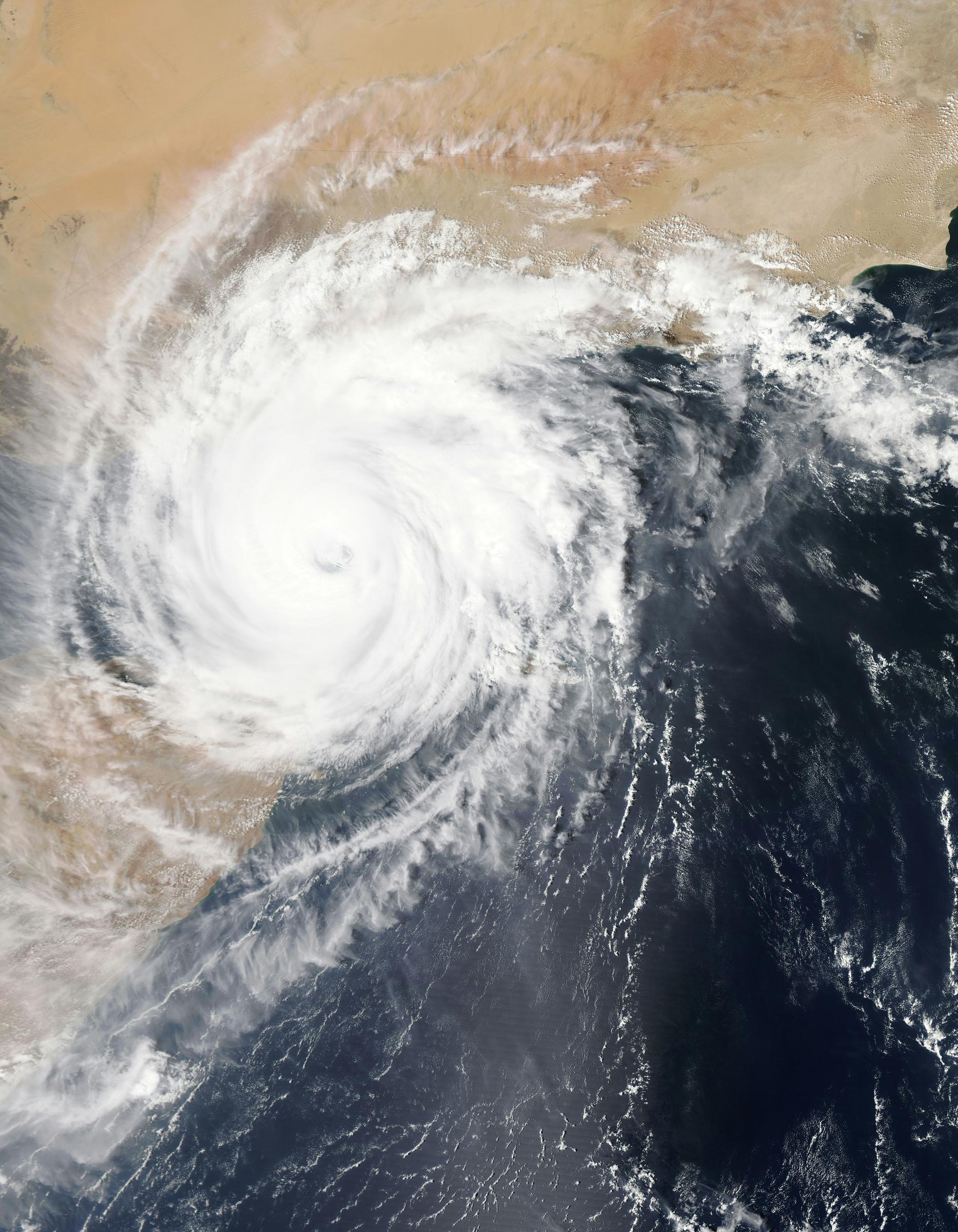
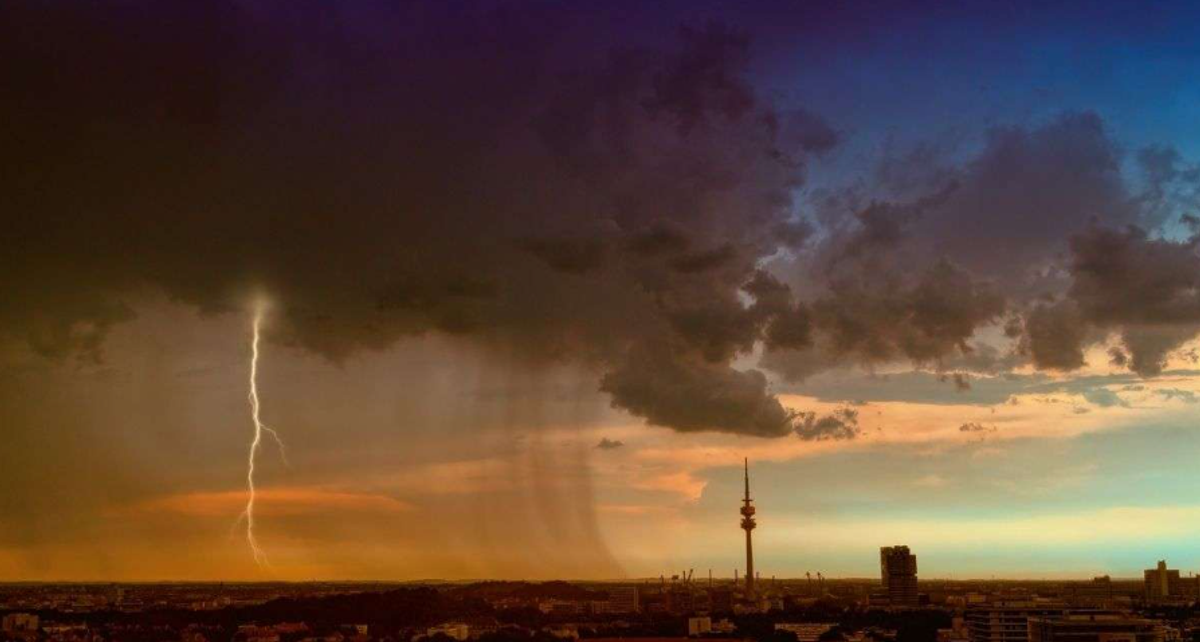
Climate scientists play a crucial role in understanding and addressing the changes happening in the environment. They study various aspects of the Earth’s climate system, including temperature patterns, atmospheric conditions, ocean currents, and more. By collecting and analysing data from all over the world, they try to understand how both man-made and natural phenomena affect the climate.
If you’re a great problem solver who wants to help make the world a better place for future generations, becoming a climate scientist could be perfect for you.
What skills do I need as a climate scientist?
- Fantastic problem-solver
- Adaptable and resilient
- Great attention to detail
- Good team player
- Committed to lifelong learning
- Analytical and data-driven
- Great communicator
- Passionate about the environment
What does the job involve?
- Gathering data from a wide range of sources
- Analysing climate data and identifying trends, patterns, and anomalies
- Developing computer models that simulate climate processes
- Conducting in-depth research on specific aspects of the climate system
- Undertaking field studies, which may involve collecting data directly from the environment
- Compiling findings into reports and scientific papers
- Presenting research at conferences, seminars, and workshops
- Providing advice and insights to governments and businesses
What industries do climate scientists typically work in?
- Professional, Scientific, and Technical Services
- Public Administration and Safety
What Career Cluster do climate scientists belong to?
Most climate scientists belong to the Informer Cluster, using their specialised knowledge and skills to advise others and solve problems.
What kind of lifestyle can I expect?
Most climate scientists work full-time, and part-time and casual roles aren’t very common. They often work for universities and research institutions, government, and private organisations. You can work in a variety of environments, from offices and laboratories to out in the field.
Many climate scientists earn an above average salary throughout their career.
Climate scientists can work in both metropolitan and rural areas, and may travel to conduct field research. However, larger cities often provide better access to resources, funding, and collaboration opportunities.
How to become a climate scientist
To become a climate scientist you will need to complete a relevant university degree, usually in climate science, physics, or environmental science.
Many aspiring climate scientists also complete postgraduate studies, particularly if they offer research opportunities.
What can I do right now to work towards this career?
If you’re in high school and you’d like to find out if a career as a climate scientist is right for you, here are a few things you could do:
- See if you can find work experience with STEM or environment-related organisations or businesses.
- Focus on Maths and Physics subjects in senior school – this knowledge will form the foundation for the rest of your career.
- Talk to a climate scientist about what a day in their life is like, or watch interviews if you don’t know a climate scientist in real life.